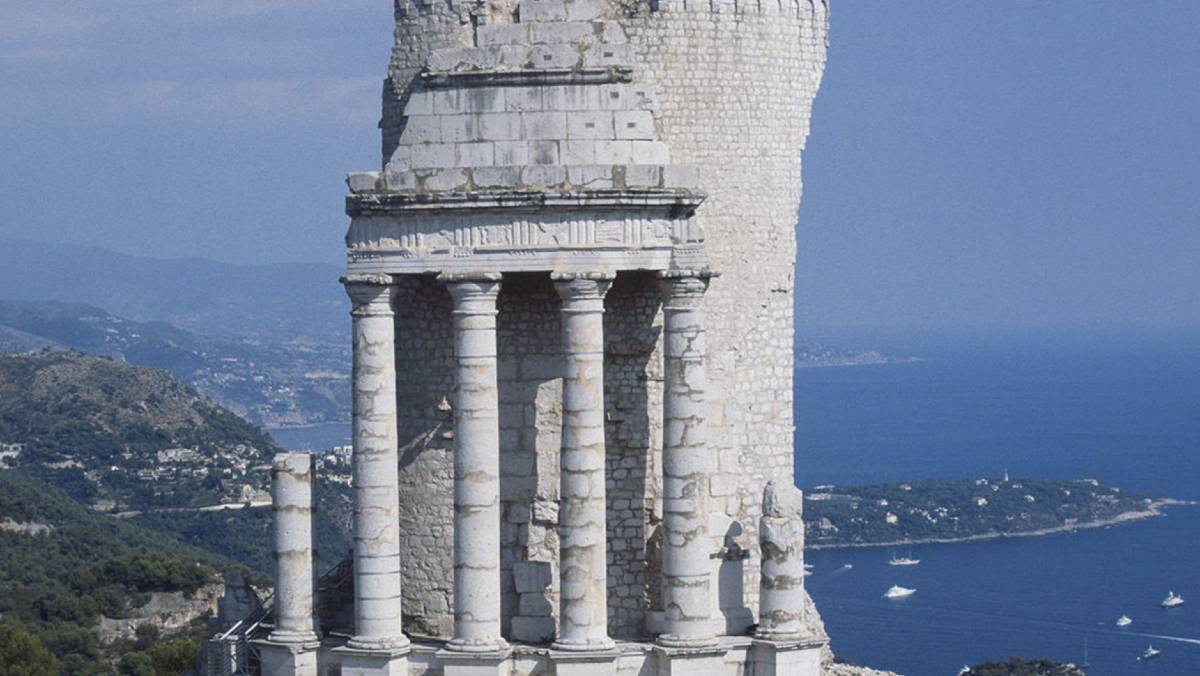
The Trophy of Augustus, also known as, “Tropaeum Alpium,” in La Turbie, France, is a 2,000 year old Roman monument built around 6 B.C. to celebrate Emperor Augustus’s victory over 44 Alpine tribes.
Standing 35 meters high, this UNESCO-listed monument symbolises Roman control over trade routes and serves today as a stunning viewpoint over Monaco.
What Is The Trophy Of Augustus?
The Trophy of Augustus was built to honor the first Roman Emperor, Augustus. It wasn't built for a king’s birthday; it was built to celebrate the subjugation of 44 rebellion Alpine tribes.
These tribes had long attacked travellers, merchants and Roman soldiers passing through the mountains. By defeating them, Augustus secured the trade routes between Italy and Gaul, modern day France.
Also Read: 5 Spots You've Never Seen On Your Instagram Feeds
A 2,000 Year Old “Billboard” Of Power
Originally, the monument was a true marvel. It stood roughly 49 meters high. A giant statue of Augustus stood at the top, showing his strength.
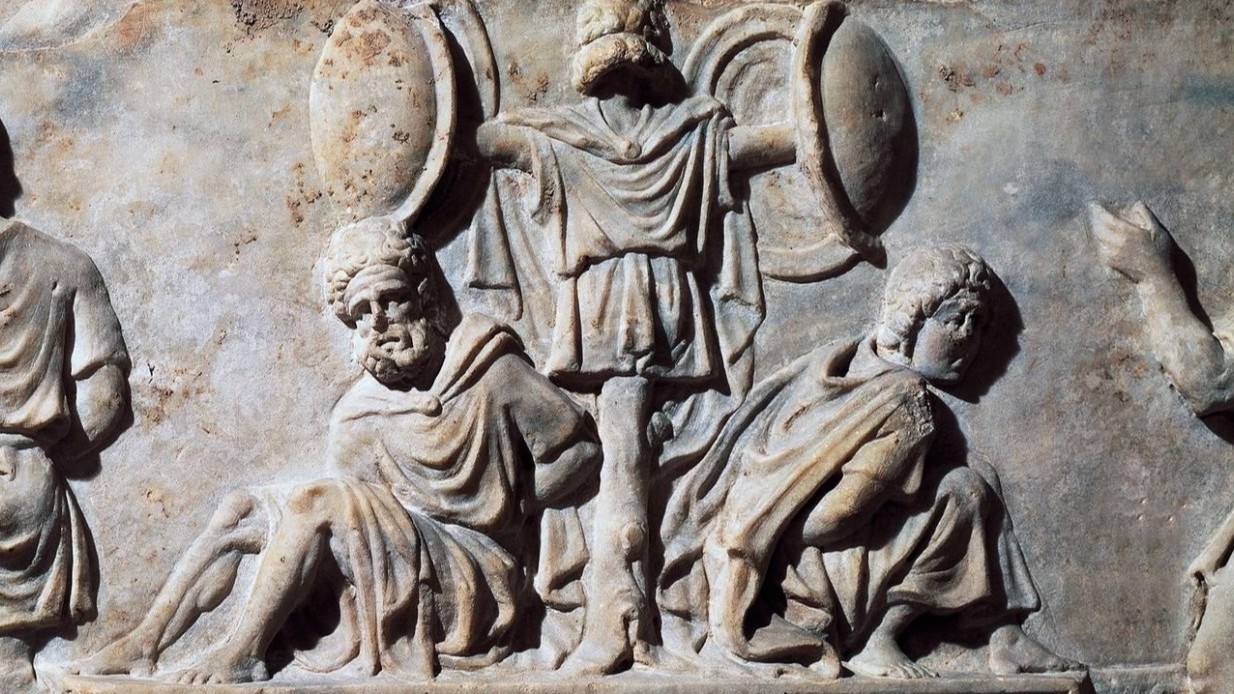
On the west side, a massive inscription praised Augustus and listed the 44 defeated tribes. Not only this, the monument was placed at the highest point of the coastal road, essentially acting as a giant "billboard," that told everyone, "Rome owns this place."
History Of Destruction and Survival
The monument did not stay perfect forever. Just like other monuments, it faced hard times too.
During the Middle Ages, the monument was turned into a fortress. Later on, King Louis XIV ordered its destruction. It turned into a quarry and many of its stones were used to build a nearby village and church.
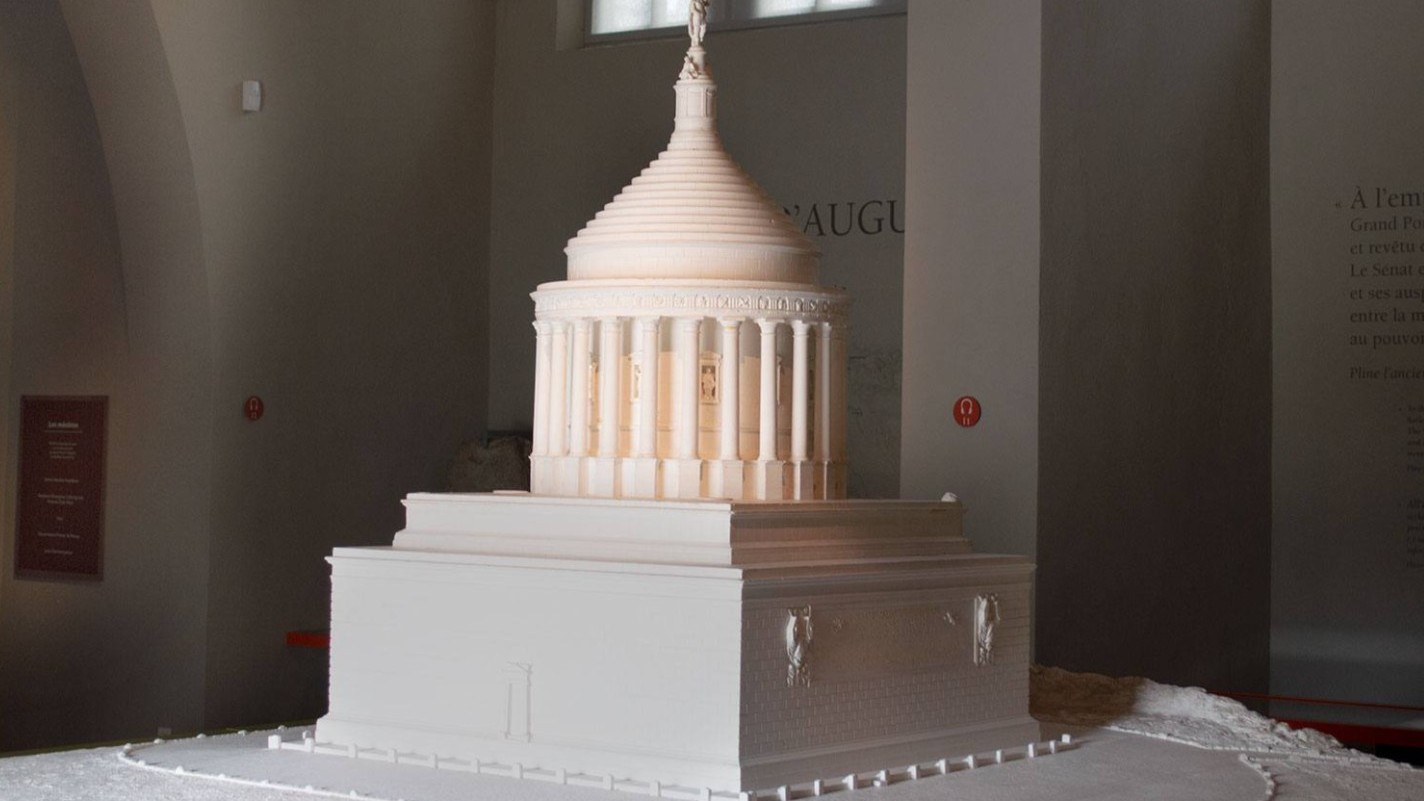
In the 1930s, American philanthropist Edward Tuck funded a partial restoration. Today, it stands 35 meters high, managed by the Centre des monuments nationaux.
Also Read: Rome Built This--It Still Operates Today!
Why Should You Visit Today?
Located in La Turbie, just a few minutes drive from Monaco, visiting the site today offers you a blend of history and breathtaking views.
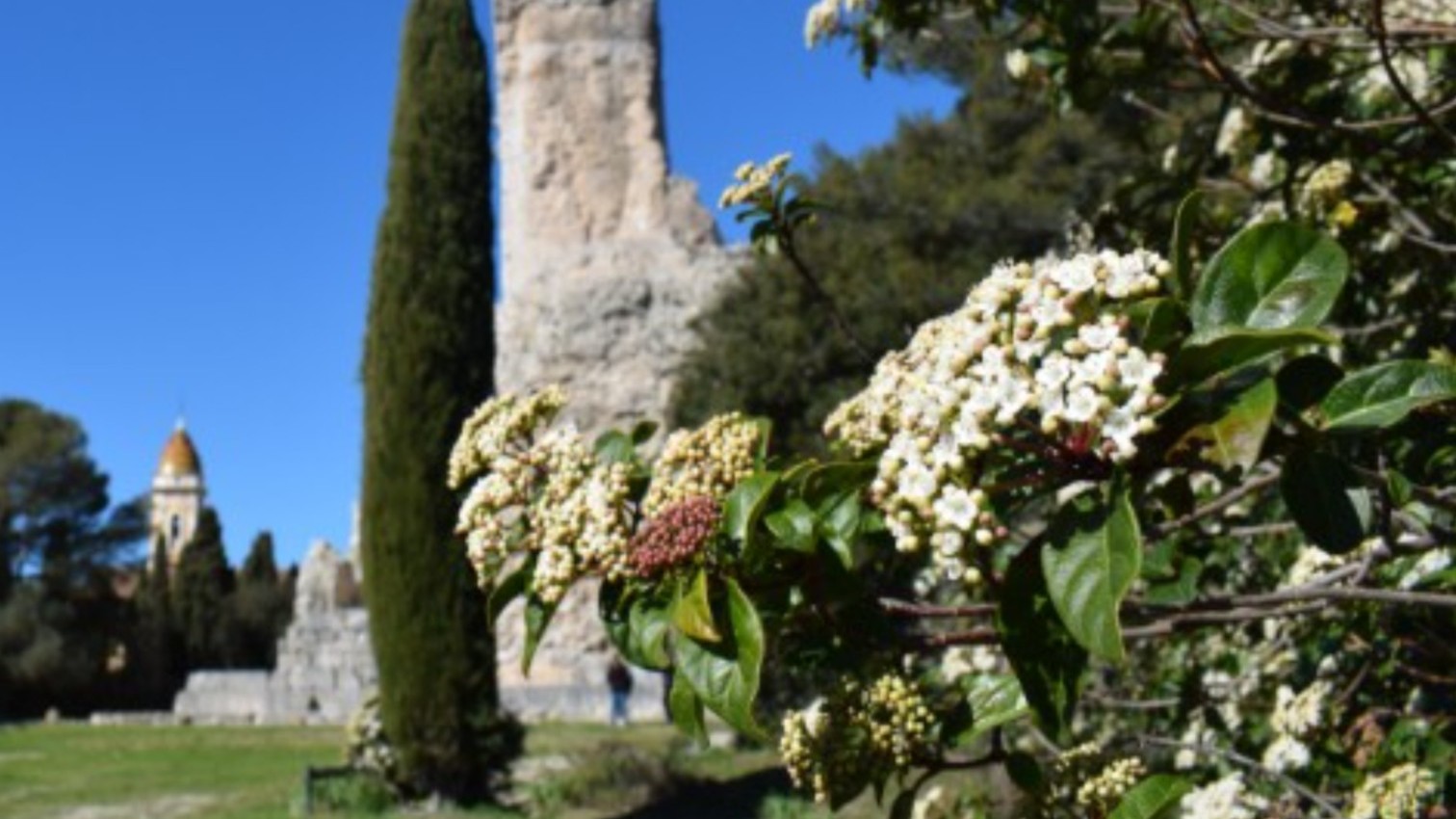
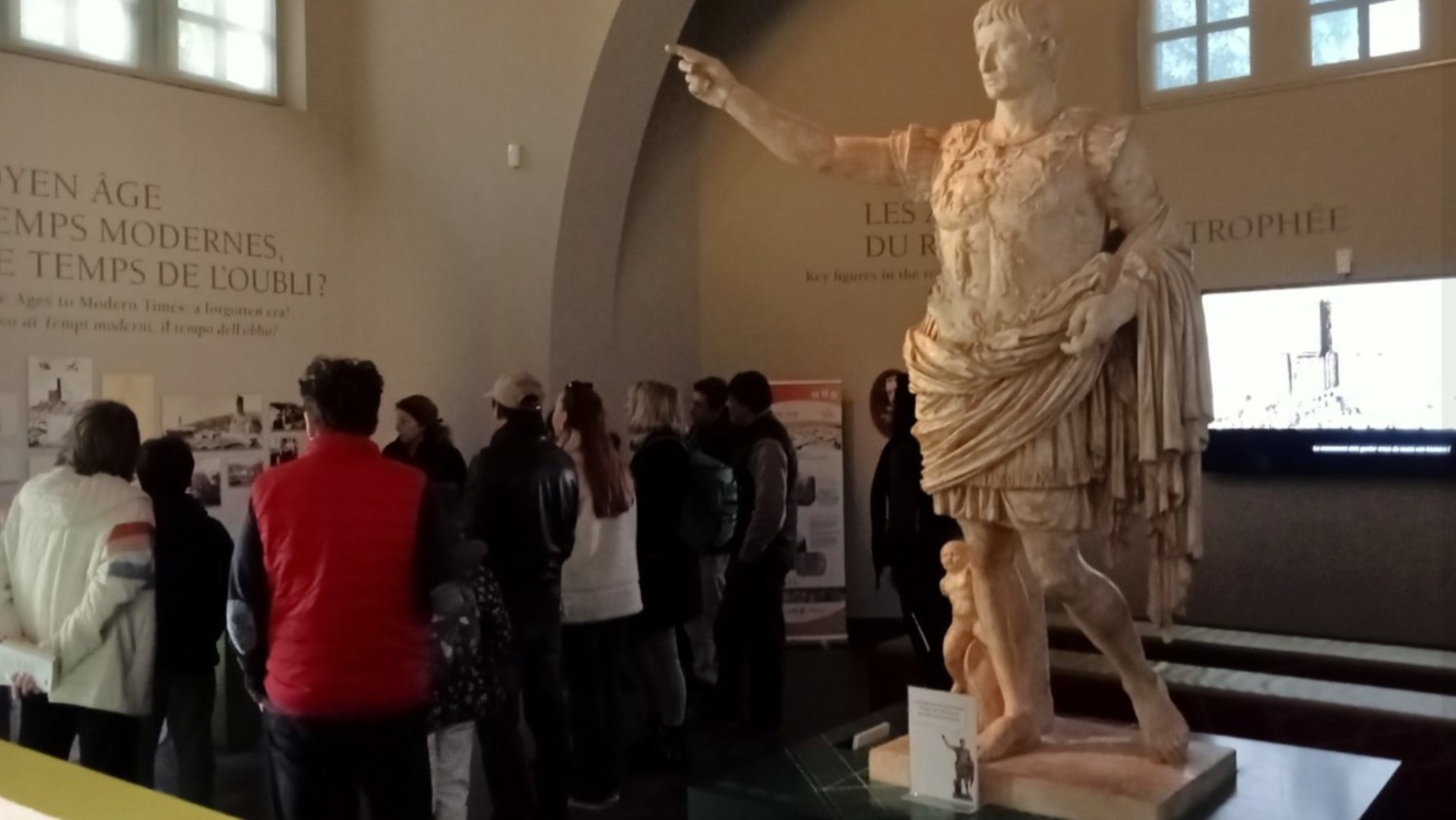
From the top, you get a breathtaking view of the Monaco bay and the French Riviera. The site also has a small museum featuring a model of the original structure and broken pieces of statues. You can also walk around the gardens, a beautiful, quiet place surrounded by nature.