A beautifully designed home is about more than just furniture, paint colours, and layouts. You can invest in high-quality materials, choose the perfect sofa, and carefully plan every detail, yet a room may still feel incomplete. The missing ingredient is often styling, which is the process of adding personality, warmth, and character to a space. While interior design focuses on structure and function, styling is what makes a house feel like a home.
It helps transform attractive rooms into spaces that tell stories, reflect personal tastes, and create emotional connections. The most memorable homes are not necessarily the ones filled with expensive items, but those that feel meaningful, welcoming, and thoughtfully put together. Here are 12 styling secrets that can help elevate any home.
Edit Ruthlessly: Less Is Often More
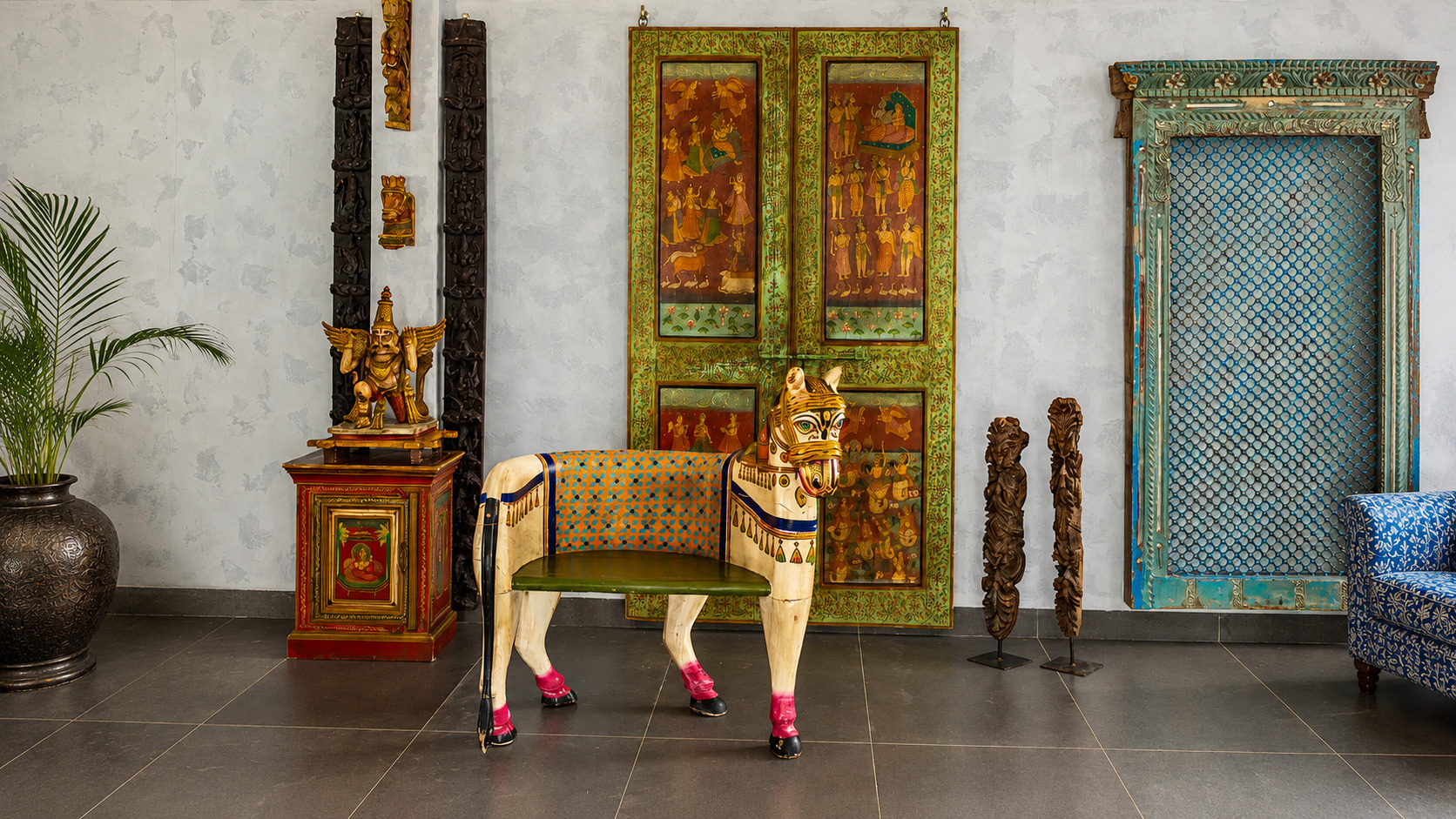
One of the biggest misconceptions in home styling is that a beautiful room requires more decorative objects. In reality, the opposite is often true. A well-styled room is not created by constantly adding new items but by carefully deciding what deserves to stay. Every object should serve a purpose, whether it provides beauty, function, or personal meaning.
Many homes begin to feel cluttered because people try to fill every shelf, tabletop, and corner. However, empty space is just as important as the objects themselves. It gives the eye a place to rest and helps special pieces stand out. Think of your home as an art gallery where every item deserves attention. By removing unnecessary clutter, the pieces that remain become more noticeable and impactful.
Also Read: 9 Timeless Micro-Architecture Moments That Last Beyond Trends
Learn To Read The Room Before Styling It
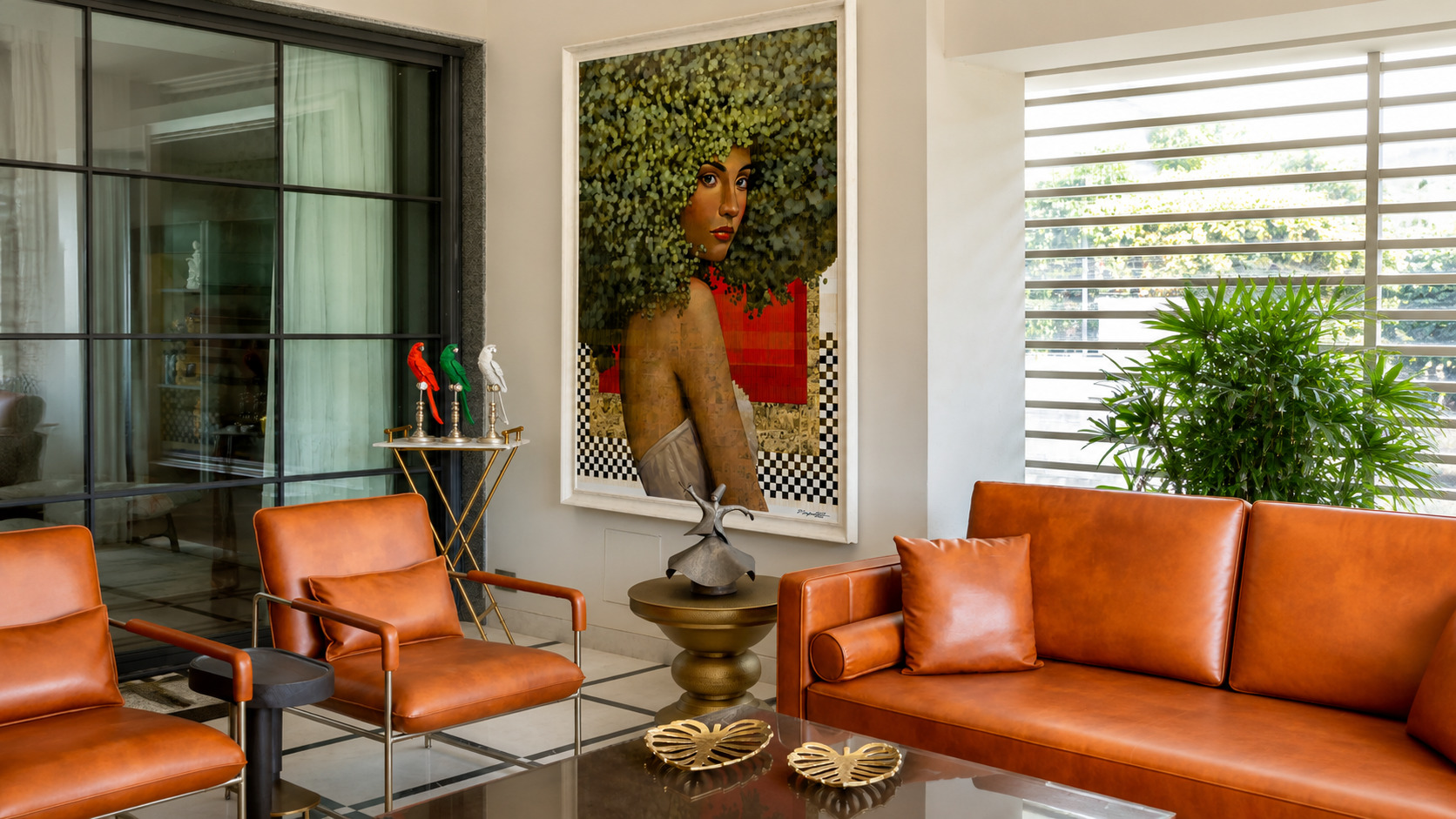
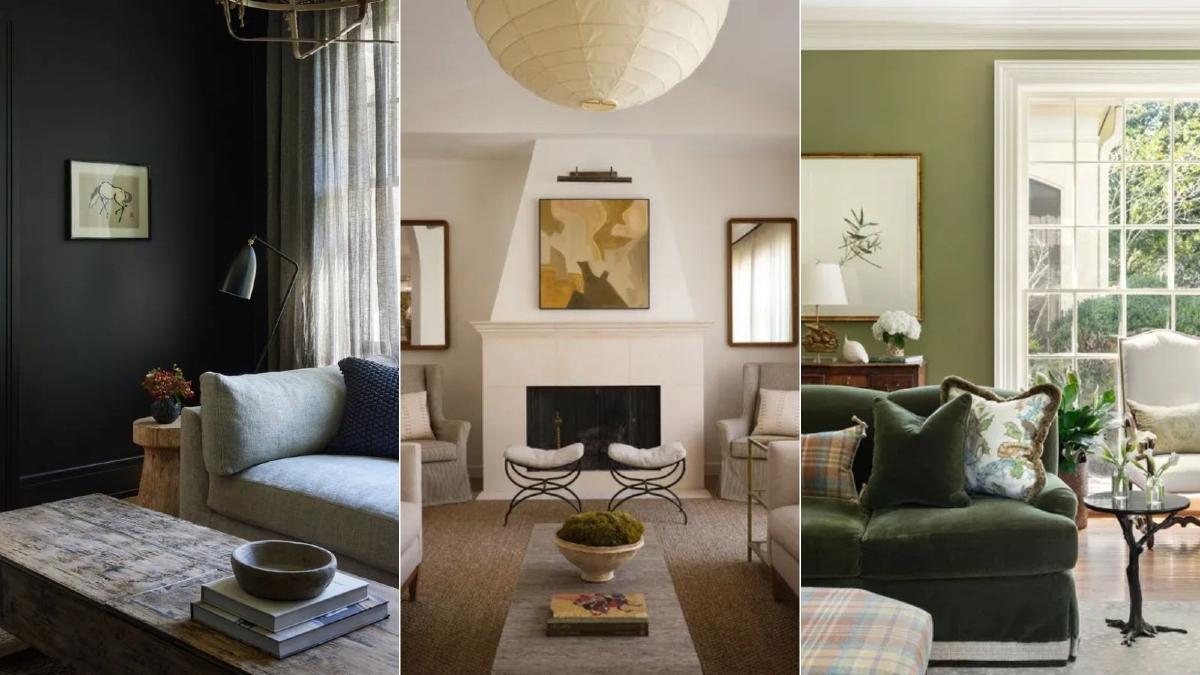
Before purchasing new décor or accessories, take time to understand the room itself. Every space has unique qualities that can guide styling decisions. Pay attention to the architecture, natural light, furniture arrangement, and focal points within the room. A large window, fireplace, statement artwork, or even a cosy reading corner can influence how the space should be styled.
One common mistake is trying to force trends into a room without considering its existing features. Successful styling works with the room rather than against it. By observing the space carefully before making changes, you can create a balanced and harmonious environment that feels natural and comfortable.
Prioritize Texture Before Colour
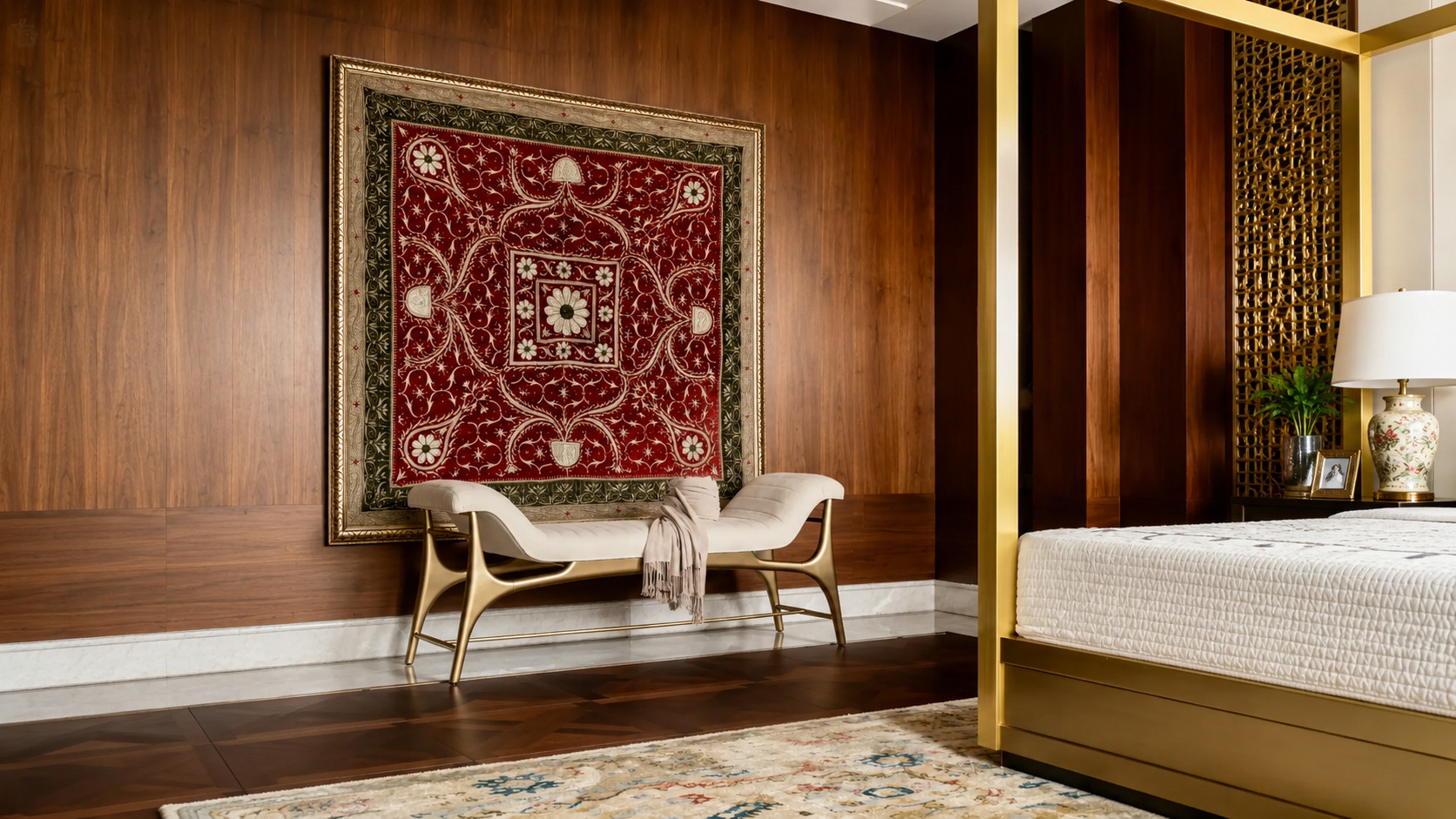
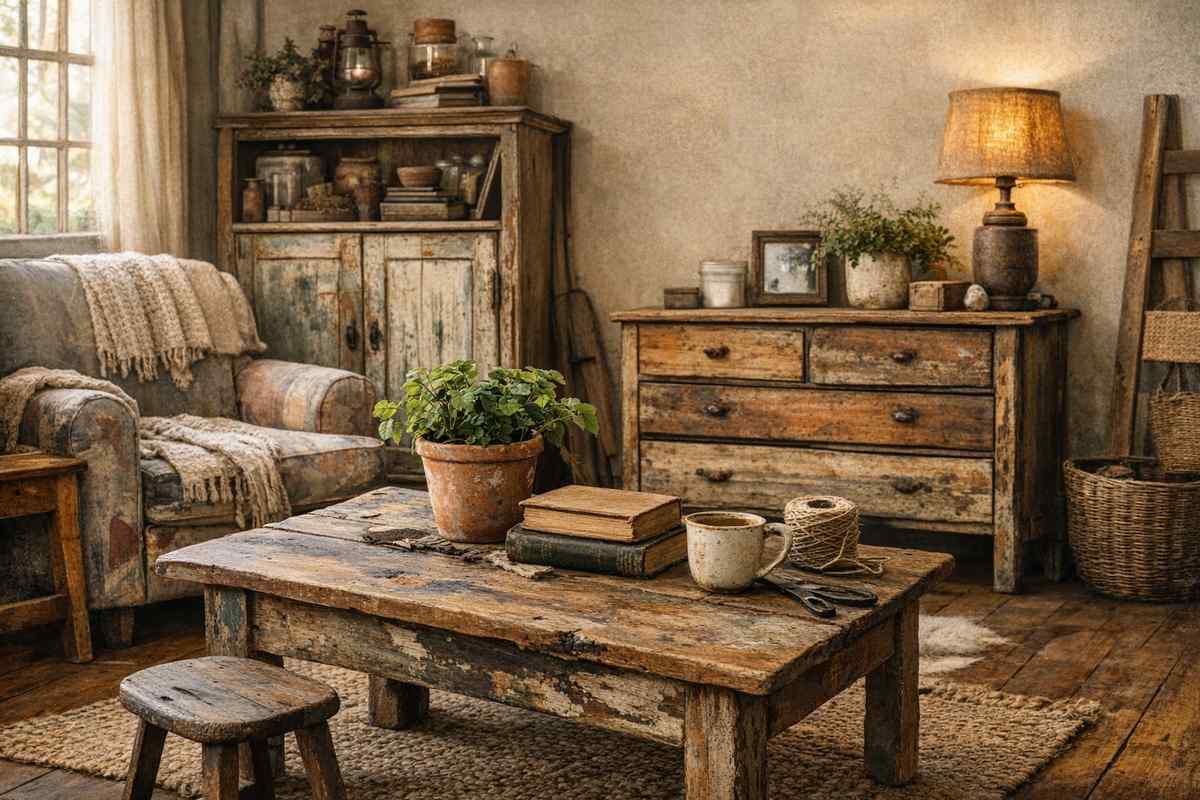
When homeowners want to refresh a room, they often focus on changing colours. However, texture plays an equally important role in creating depth and warmth. Imagine a room decorated entirely in neutral shades. Without texture, it can feel flat and uninteresting. Adding linen cushions, woven throws, ceramic accessories, wooden furniture, natural fibres, or metallic accents can instantly make the space feel richer and more inviting.
Texture adds visual interest without overwhelming the room. Once a strong mix of textures has been established, colour can then be introduced through cushions, rugs, artwork, or decorative accessories. This layered approach creates a room that feels balanced, comfortable, and thoughtfully designed.
Let Art Be The Starting Point
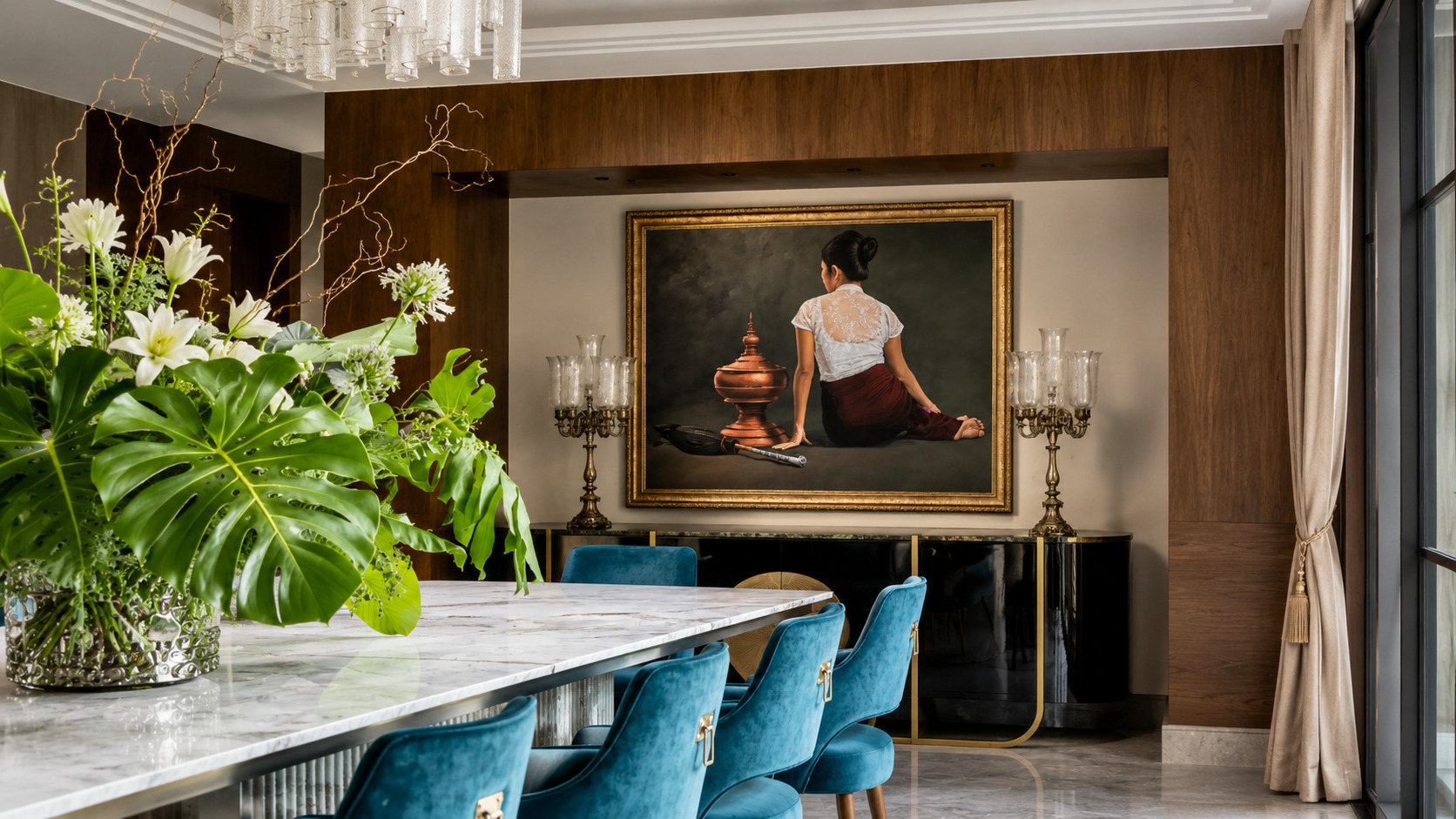
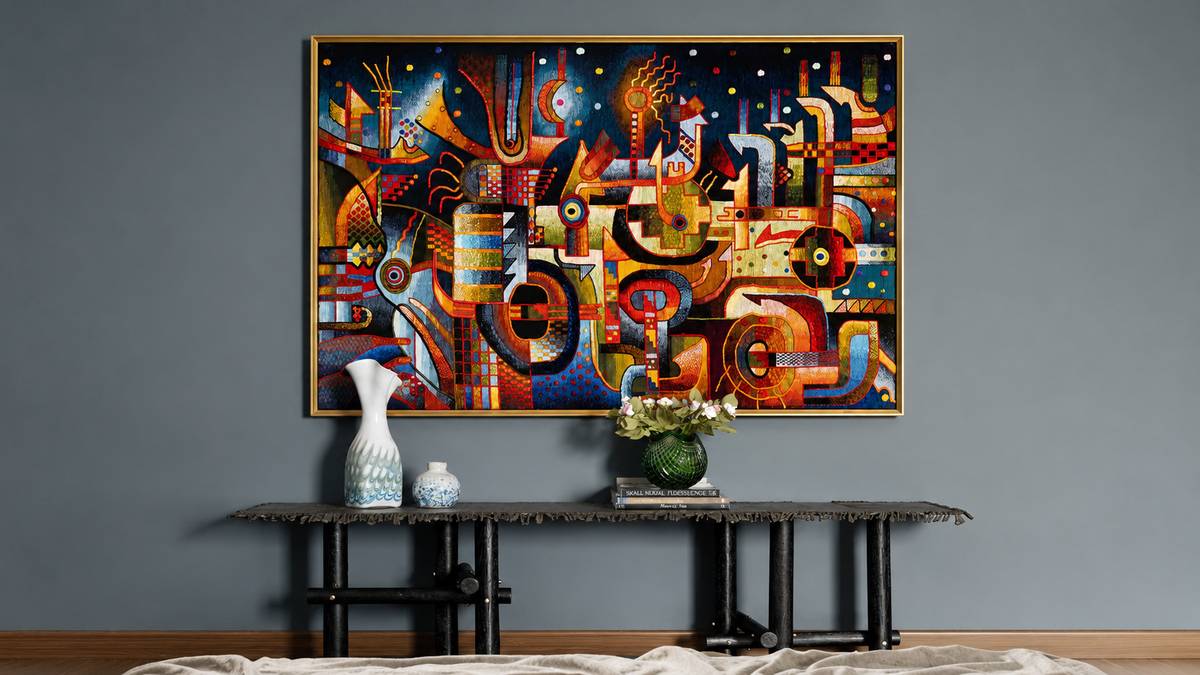
Many homeowners treat artwork as the final decorative element added after everything else is complete. However, art can often serve as the foundation for an entire room. A meaningful piece of artwork can influence the colour palette, furniture placement, and overall mood of the space. More importantly, it adds a personal connection that decorative accessories often cannot provide.
Whether it is a painting, photograph, or sculpture, art can bring emotion and character into a room. Instead of selecting artwork simply because it matches the furniture or follows current trends, choose pieces that genuinely inspire you. The strongest interiors are often built around art that tells a story or creates a lasting emotional connection.
Hang Artwork At The Right Height
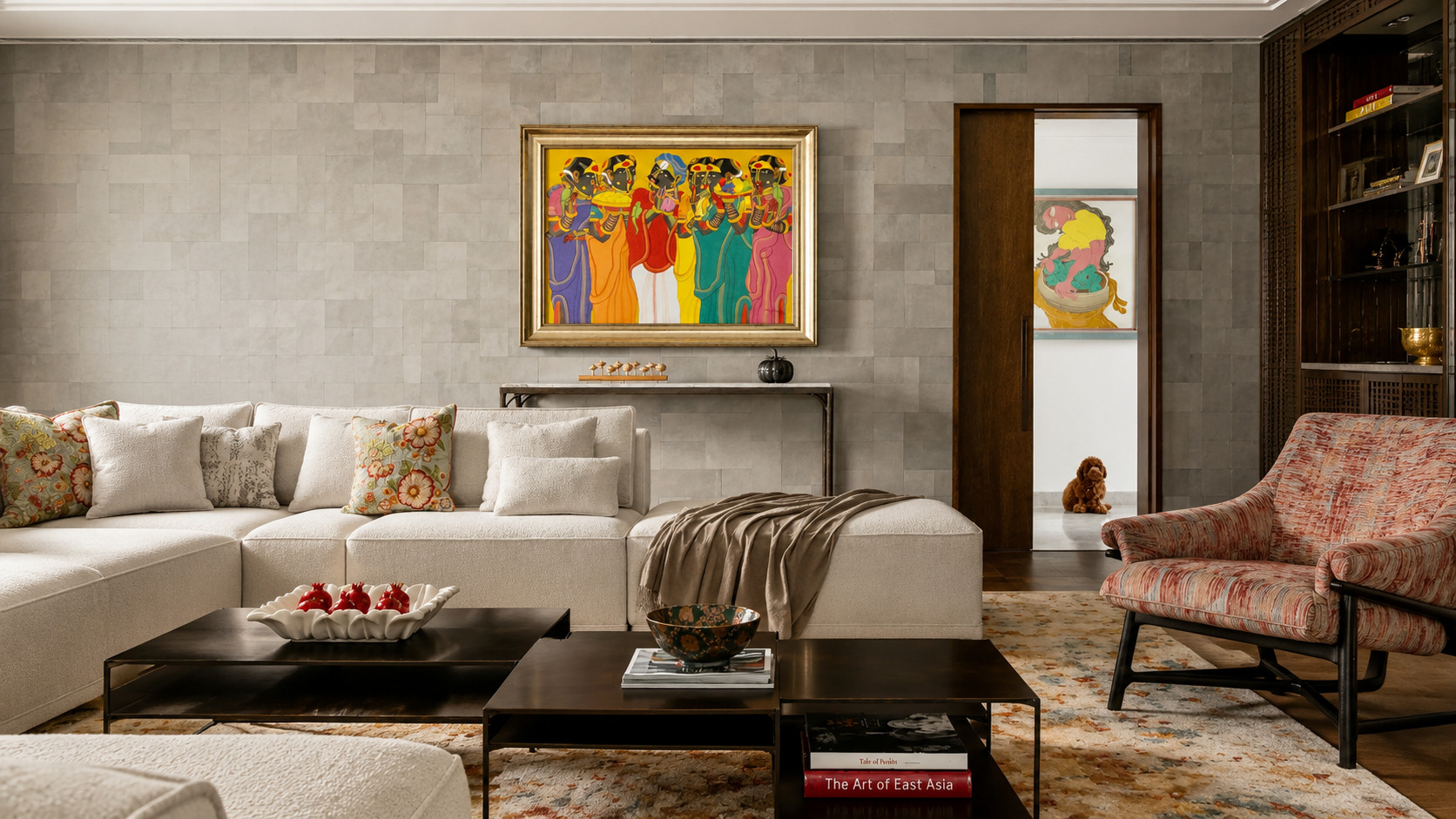
One of the most common styling mistakes is hanging artwork too high. When artwork is placed too close to the ceiling, it can feel disconnected from the rest of the room. Instead of appearing as part of the overall design, it looks isolated and out of place.
As a general rule, artwork should be positioned at eye level and maintain a visual connection with nearby furniture. Whether it is above a sofa, console table, or bed, it should feel grounded within the space. Even lowering artwork by a few inches can dramatically improve the balance of a room and make it feel more cohesive.
Refresh Your Home Without Shopping
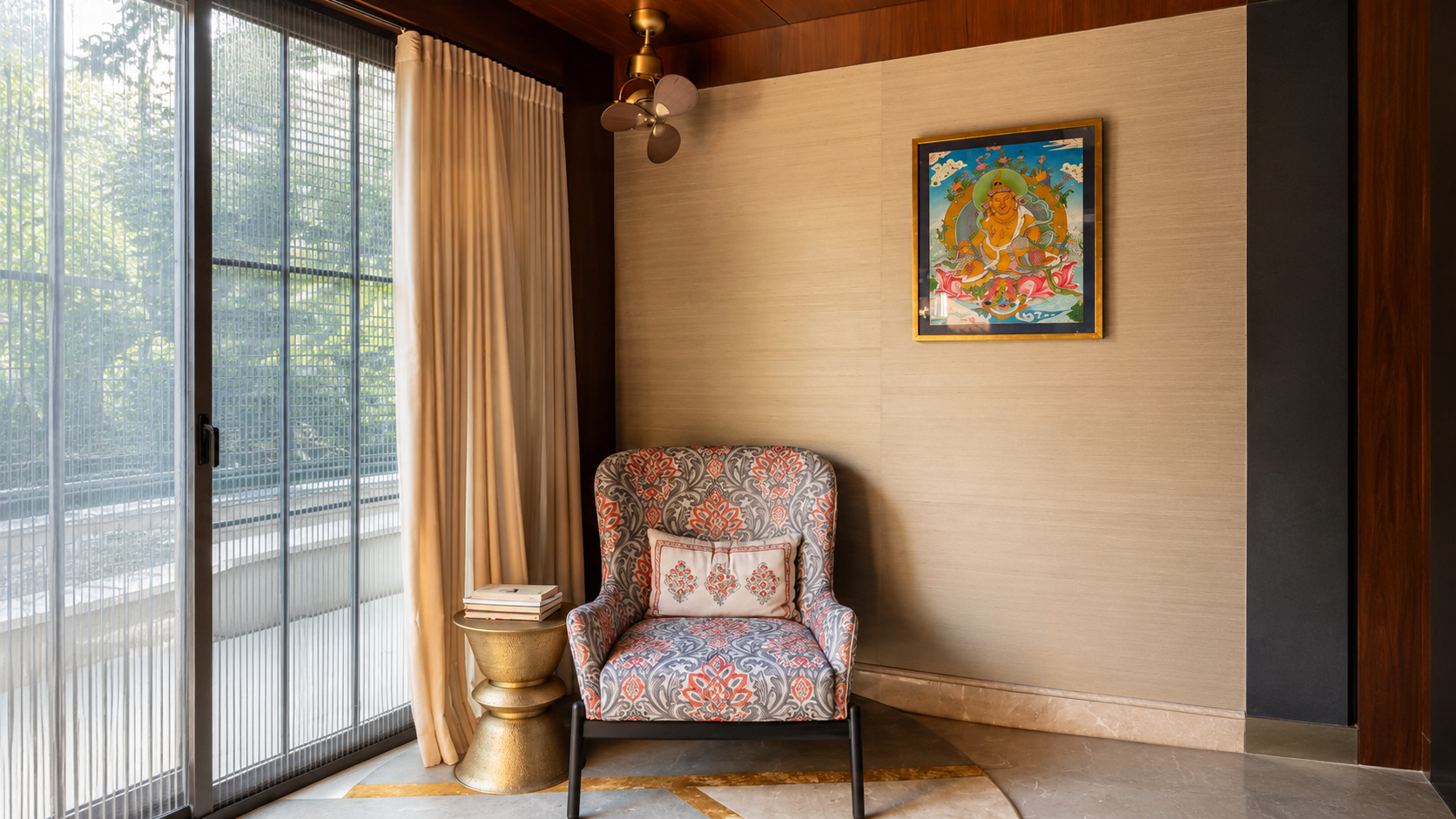
When a room starts to feel outdated or uninspiring, many people immediately think about buying something new. However, one of the most effective styling techniques costs absolutely nothing. Rearranging what you already own can completely transform a space. Moving furniture to create new layouts, relocating decorative objects, rearranging bookshelves, swapping artwork between rooms, or removing unnecessary accessories can instantly refresh a room.
These simple adjustments often reveal possibilities that were previously overlooked. Sometimes the best makeover comes not from purchasing new items but from seeing existing belongings in a new way.
Also Read: Five Women Artists Whose Masterpieces Were Credited to Men
Understand The Difference Between Home And Commercial Styling
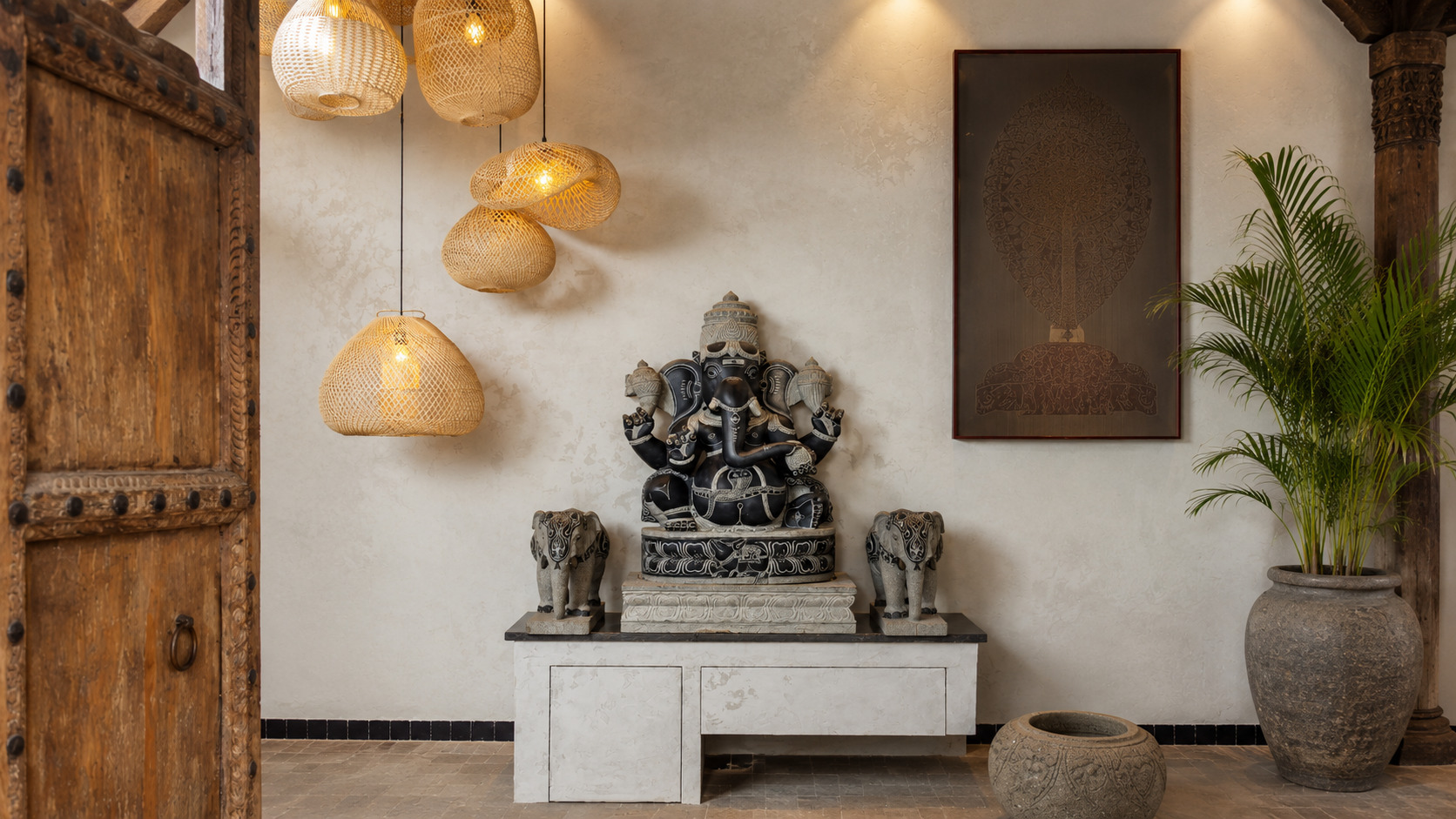
Although residential and commercial spaces may share similar design principles, their purposes are very different. A home is deeply personal, and every object may hold memories, stories, or sentimental value. Styling should reflect the personalities, lifestyles, and experiences of the people who live there.
Commercial spaces such as hotels, offices, and retail stores serve a different purpose. Their design must communicate a brand identity and create a specific experience for visitors. While both types of spaces require thoughtful planning, residential styling focuses on personal stories, while commercial styling focuses on representing a brand. Understanding this difference helps create spaces that feel authentic and meaningful.
Follow The Rule Of Three
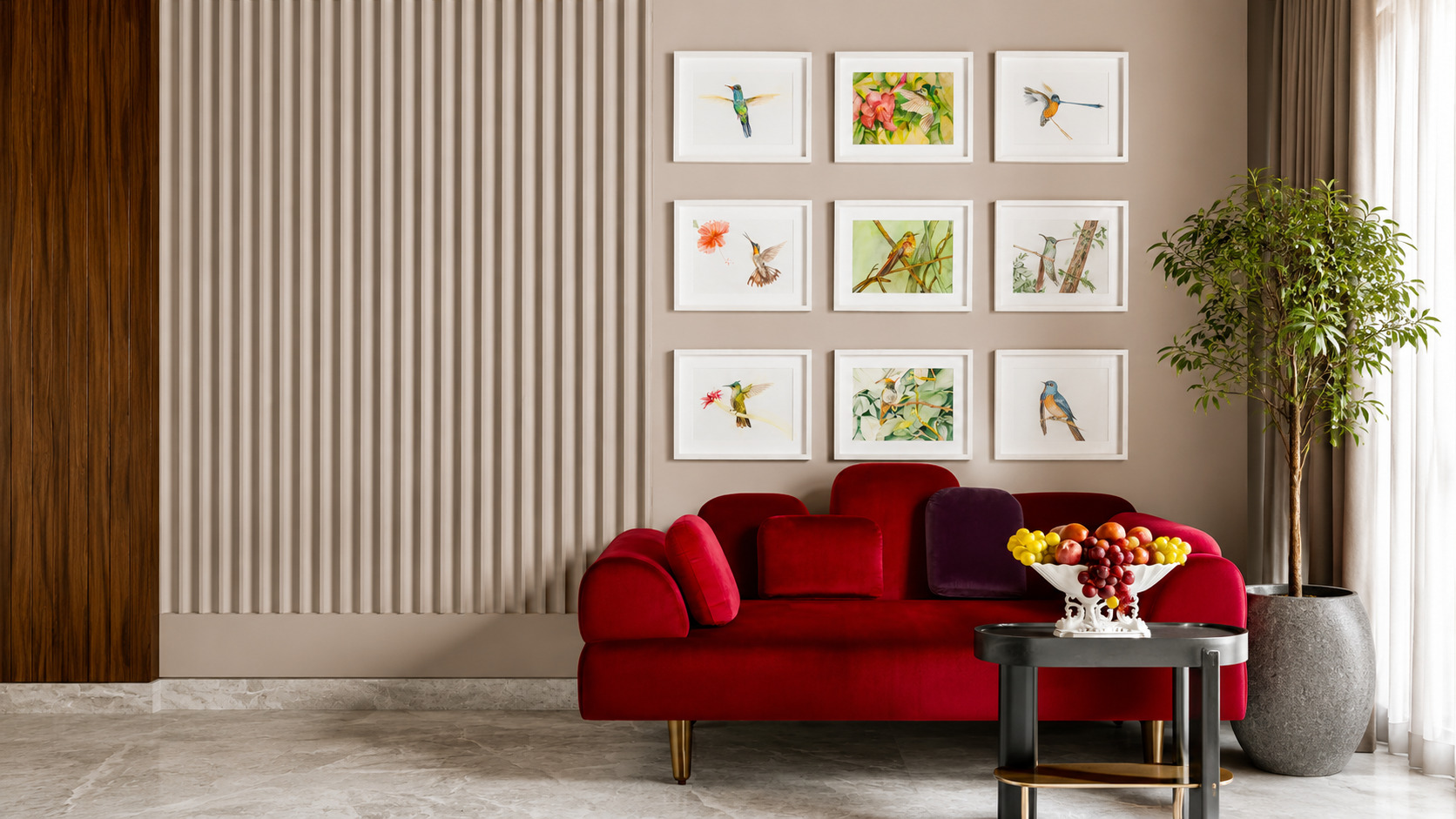
Professional stylists often use a simple principle known as the Rule of Three. Objects grouped in odd numbers tend to appear more natural and visually appealing than perfectly symmetrical arrangements. Three items create balance while maintaining interest and movement. For example, a coffee table might feature a stack of books, a decorative vase, and a sculptural object.
The variety in height, shape, and texture helps create a balanced arrangement that feels effortless. This technique can be applied to shelves, side tables, consoles, and dining tables to achieve a polished and well-styled appearance.
Embrace Empty Space
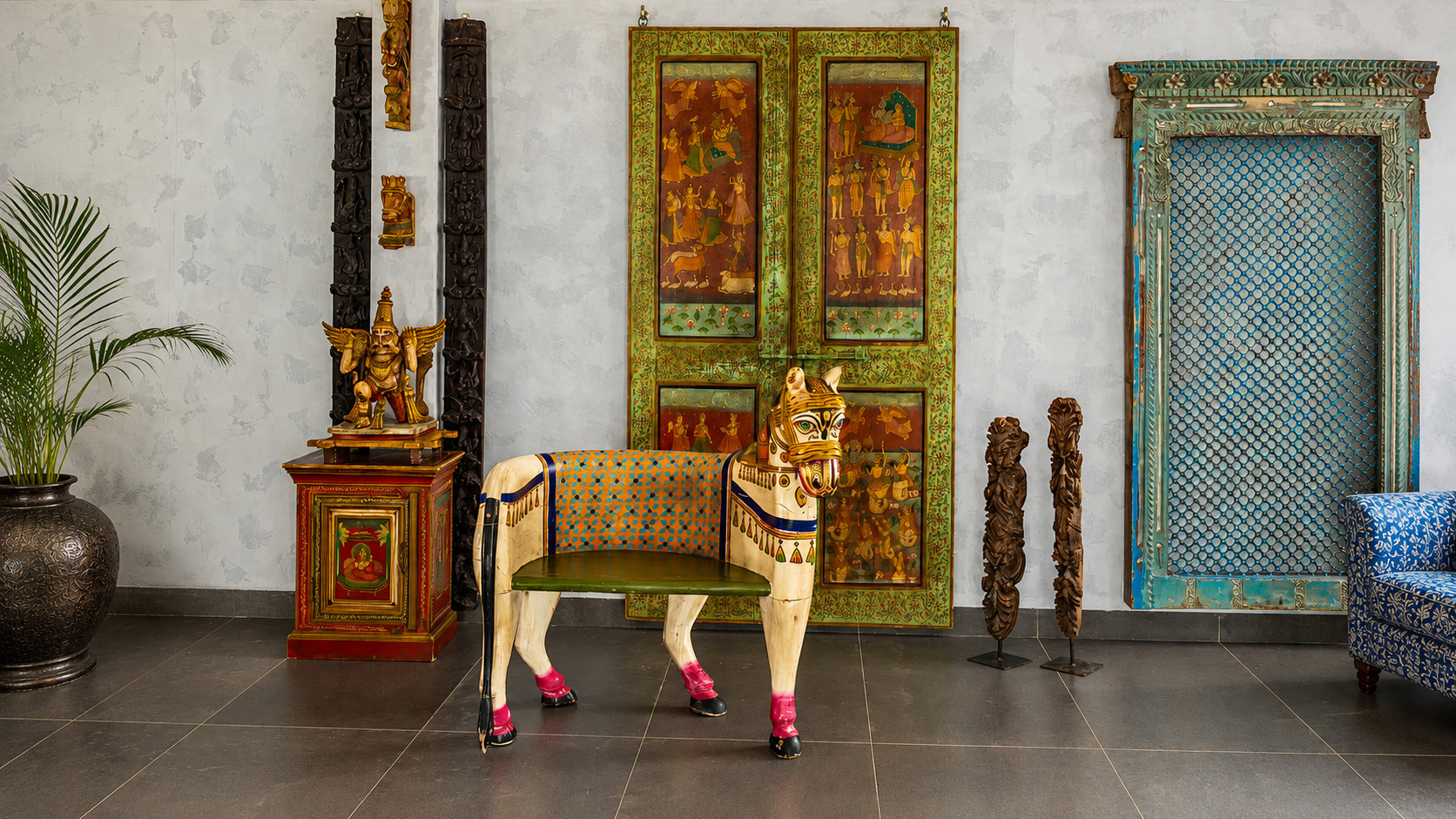
Many people believe that every shelf, wall, and corner should be decorated. In reality, empty space is an important part of good styling. Just as pauses make music more enjoyable and white space improves graphic design, open areas enhance interior spaces.
Leaving sections of shelving empty allows decorative objects to stand out more clearly and prevents visual clutter. Empty space also creates a sense of calm and balance. Not every corner needs a chair, and not every surface needs an accessory. Sometimes the most effective styling choice is knowing when to stop adding more.
Use Trends As Inspiration, Not Rules
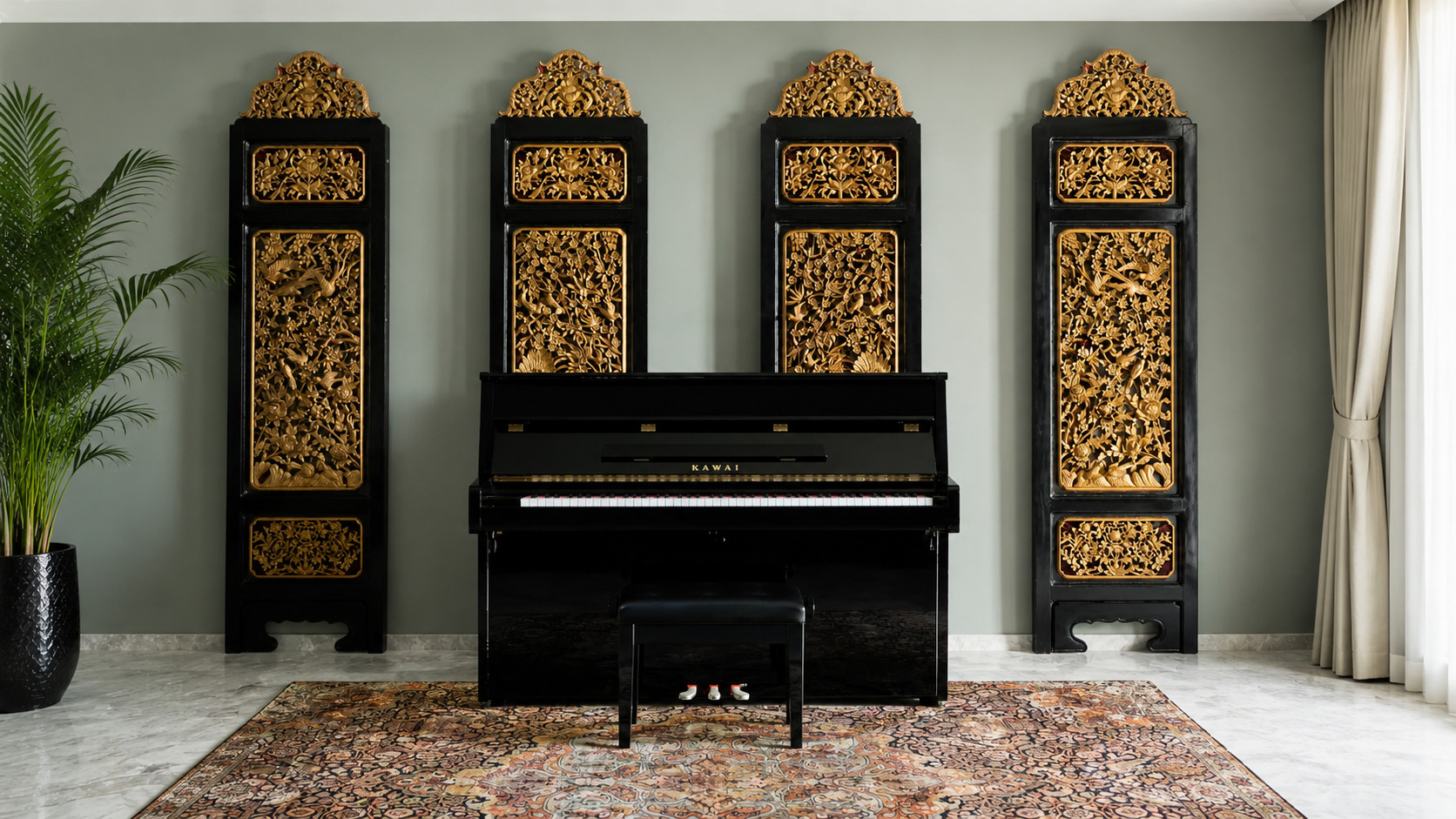
Design trends change constantly. What feels fashionable today may feel outdated in a few years. The most timeless homes are not built entirely around trends but are shaped by personal experiences, individual taste, and meaningful design choices. This does not mean trends should be ignored. They can provide inspiration and introduce fresh ideas.
However, they should be used thoughtfully rather than followed blindly. A trend should complement your home's personality, not define it. By focusing on what genuinely suits your lifestyle and preferences, you can create a home that remains appealing for years to come.
True Luxury Is Personal
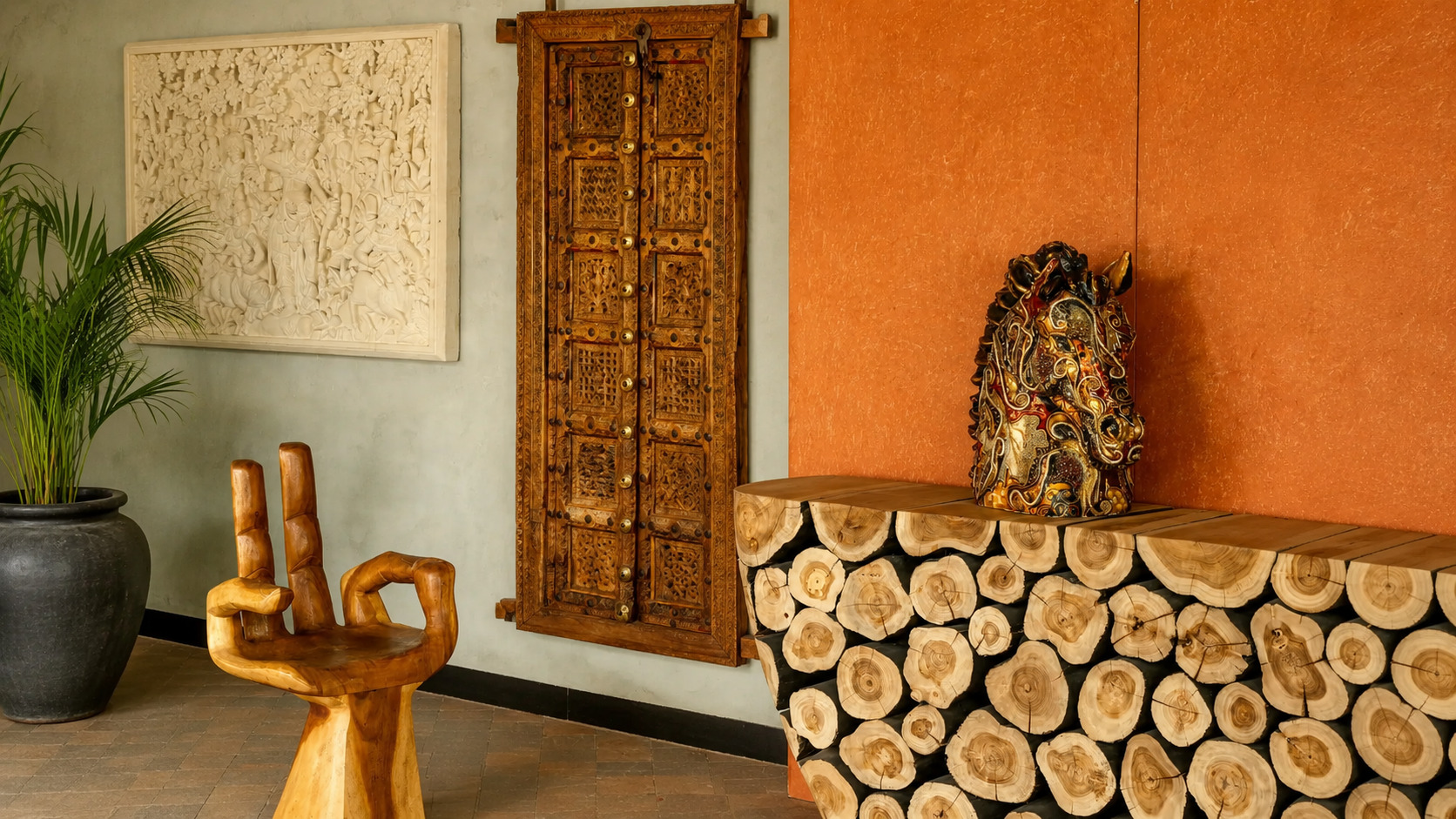
Luxury is often associated with designer furniture, expensive brands, and rare collectables. However, the most memorable homes rarely depend on price tags alone. True luxury comes from authenticity and personal meaning. A family heirloom, a painting collected during travels, or a piece of furniture passed down through generations can often hold more value than the latest designer purchase.
These personal touches help create homes that feel unique and irreplaceable. They tell stories, preserve memories, and reveal the personalities of the people who live there. The most luxurious interiors are often the ones that feel the most personal.
Also Read: Embracing Imperfection: A Simple Way to Refresh Your Home
Great Styling Begins With Listening
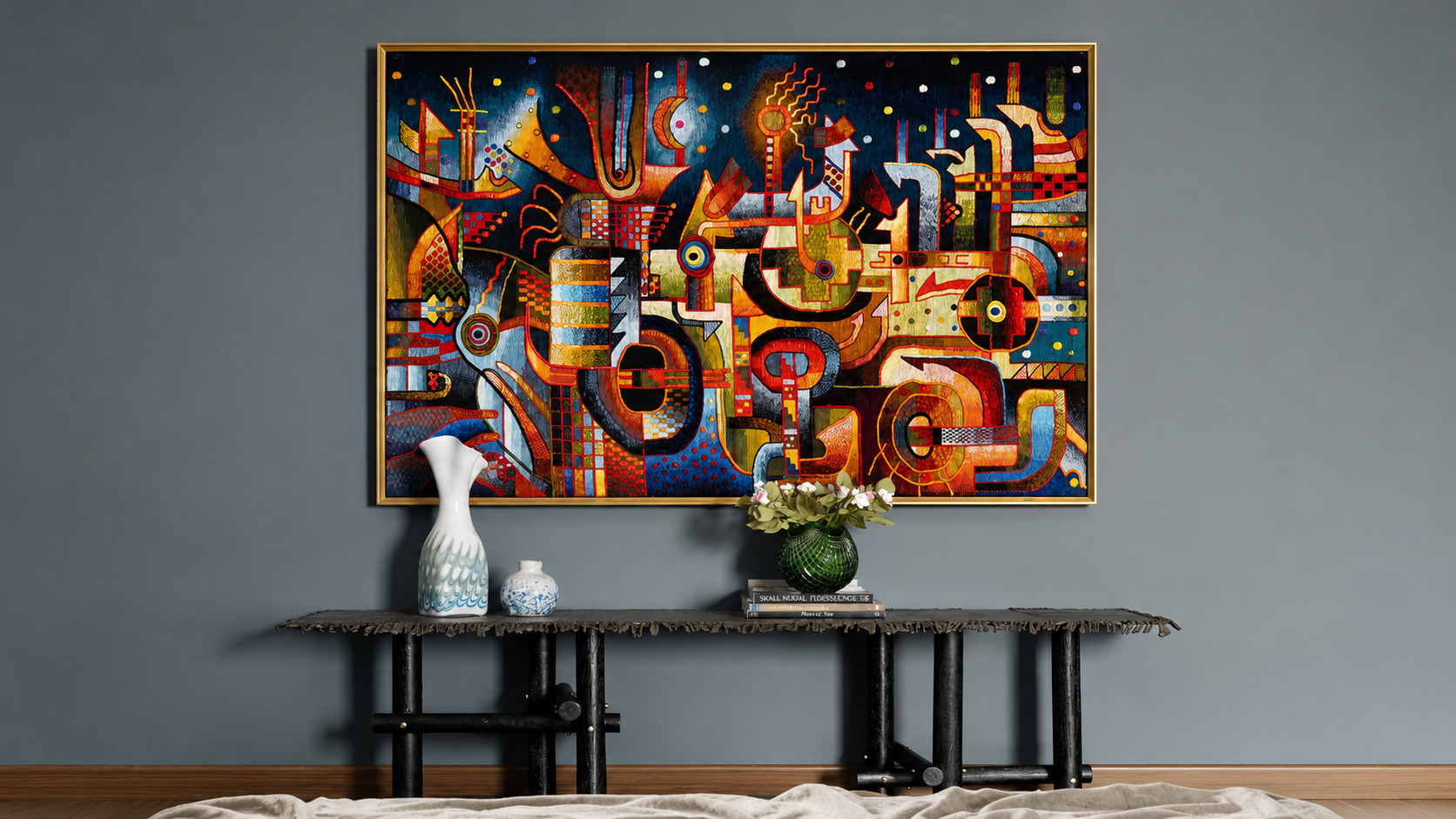
Many people assume styling is simply about having a good eye for design. While visual skills are important, listening is equally valuable. Great stylists pay attention to the people who live in a home, how they use their spaces, and how they want those spaces to feel. They listen to the architecture of the home and consider what the space naturally needs.
The goal is not to showcase the stylist's personal taste but to create a home that reflects its inhabitants. When styling is done successfully, the designer fades into the background, and the home feels natural, comfortable, and authentic. Visitors notice the warmth and character of the space rather than the person who styled it.
Why Styling Matters
Beautiful interiors are not created solely through expensive furniture or perfect design plans. They are shaped by thoughtful styling choices that add personality, depth, and meaning to a space. By editing carefully, embracing texture, choosing meaningful artwork, respecting empty space, and focusing on personal stories rather than trends, anyone can create a home that feels both beautiful and authentic.
Ultimately, great styling is not about impressing others. It is about creating a space that reflects who you are and supports the way you live. When a home successfully tells that story, it becomes much more than a well-designed space. It becomes a place that truly feels like home.