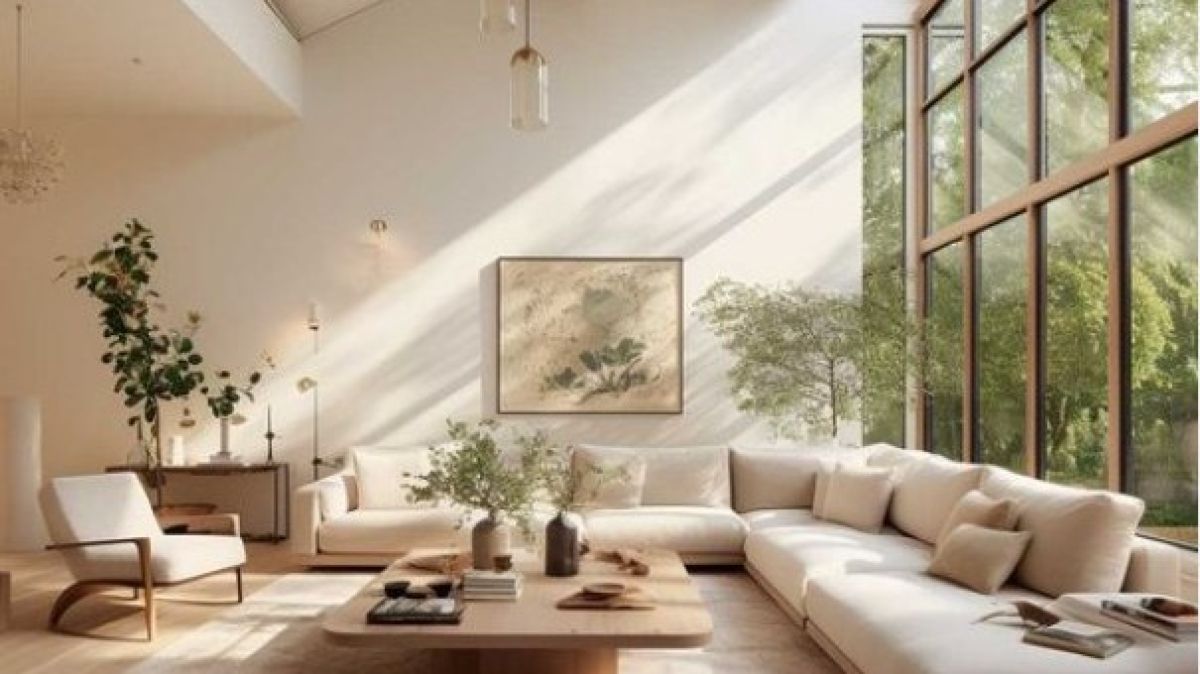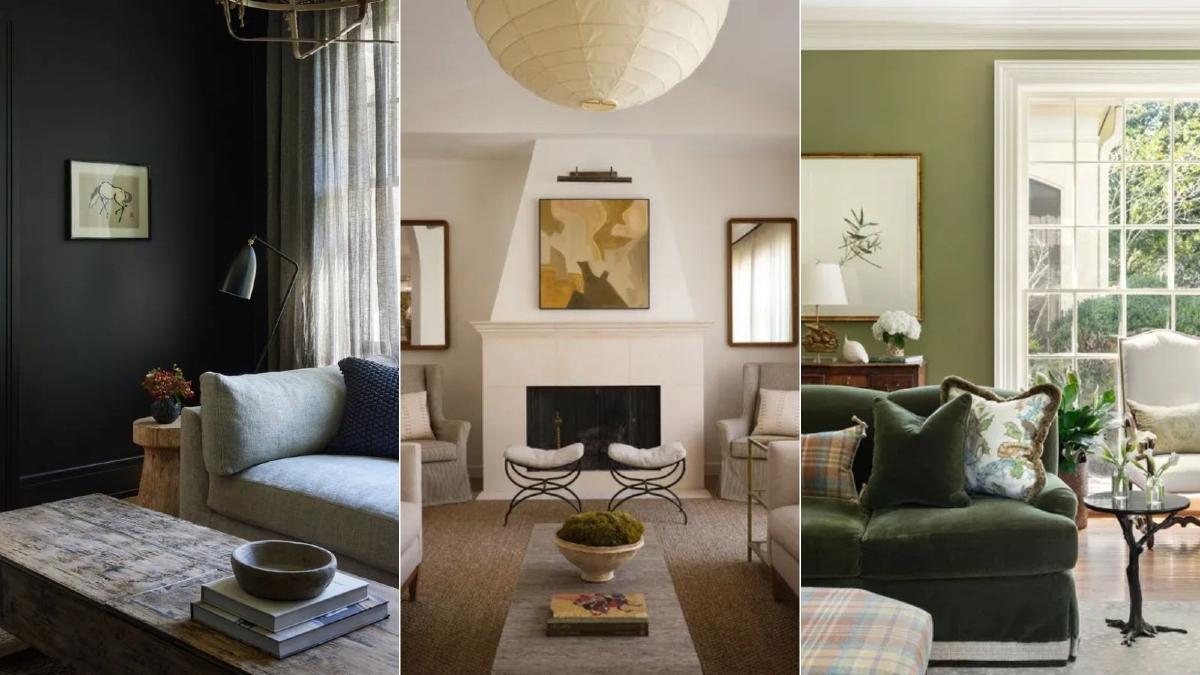
The design of a room changes how you think and feel about a particular area. Beautiful spaces do not look just good; they actively improve our mental health also. Scientists reveal how buildings affect the human brain and body. They explain that our brains are designed in a way to crave aesthetic spaces as beauty is fundamentally neurochemical and not something superficial. Also, thoughtful environmental design activates the brain's essential hormones like dopamine, reducing the cortisol levels and boosting overall well-being.
The Secret Power Of Room Shapes
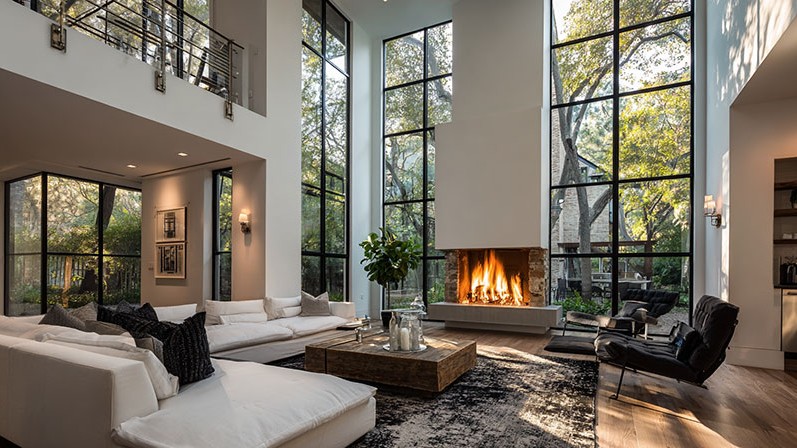
The shapes inside your home change your stress levels. Sharp corners and jagged edges makes the brain feel slightly stressed, whereas curved furniture and round tables makes people feel safe and experience relaxation because of the overall ambience. Also, psychologists reveal that rooms which have high ceilings help you to think creatively and feel independent, whereas. rooms which have low ceilings are considered perfect for cozy rooms that requires deep focus.
How Colour Shades Impacts Daily Emotions?
Colors send instant signals towards your brain and body. Blue and green colors help to lower down heart rate and reduce stress levels. Generally, yellow and orange tones brings positive energy inside the room and along with that, it boosts creativity. On the other hand, neutral colors like beige gives your eyes a rest from visual noise. Choosing the right paint color can completely change your mood everyday.
Also Read: What Does Japan Teach Us About Discipline And Silence
Why Does Our Brain Crave Natural Materials?
Human beings have an ancient urge to resonate and connect with the outdoor world. Keeping green plants inside your house inside lowers your body’s stress hormones like cortisol very quickly. Exposure to a good amount of sunlight regulates your sleep schedule and also makes you feel more awake. Natural materials like wood and stones makes the room as well as its surroundings peaceful. Lastly, keeping essential natural elements inside your room helps your mind to recover from a busy day.
The Secret Magic Of Lighting & Soft Textures
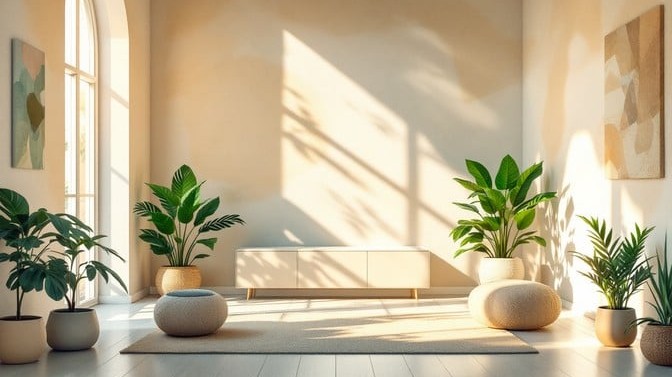
Human senses collaborate together to judge the comfort of a room. Certain shades of lighting like warm yellow signals that your body requires to rest, whereas, bright white light keeps your brain alert and ready for work. Soft fabrics like velvet and using thick blankets makes you feel physically safe and a good mix of light and texture always creates a comforting home. So, rather than viewing aesthetic house as a luxury, it should be understood that a visually harmonious environment is deeply tied to our constant need for safety and balance.