Safranbolu, Turkey, is more than just a picturesque town; it is known as a living museum and a UNESCO World Heritage site. It offers a glimpse into an era of architectural elegance that has remained largely untouched by modern urbanization.
Why Is Safranbolu Architecture A UNESCO Treasure?
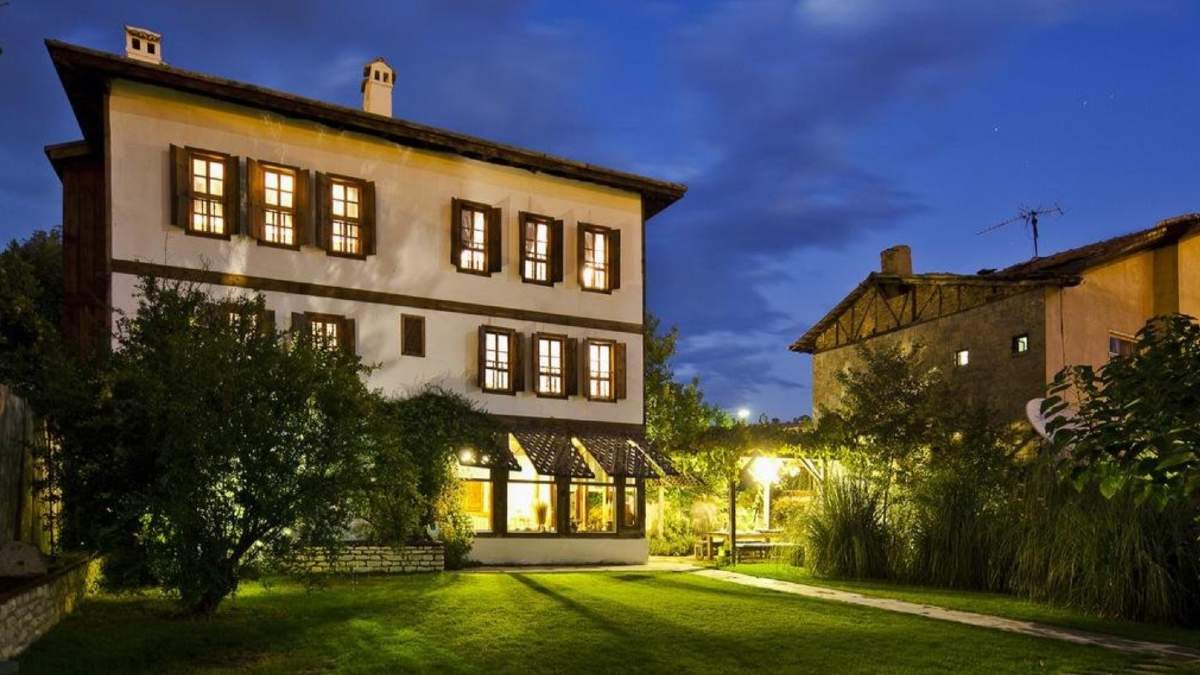
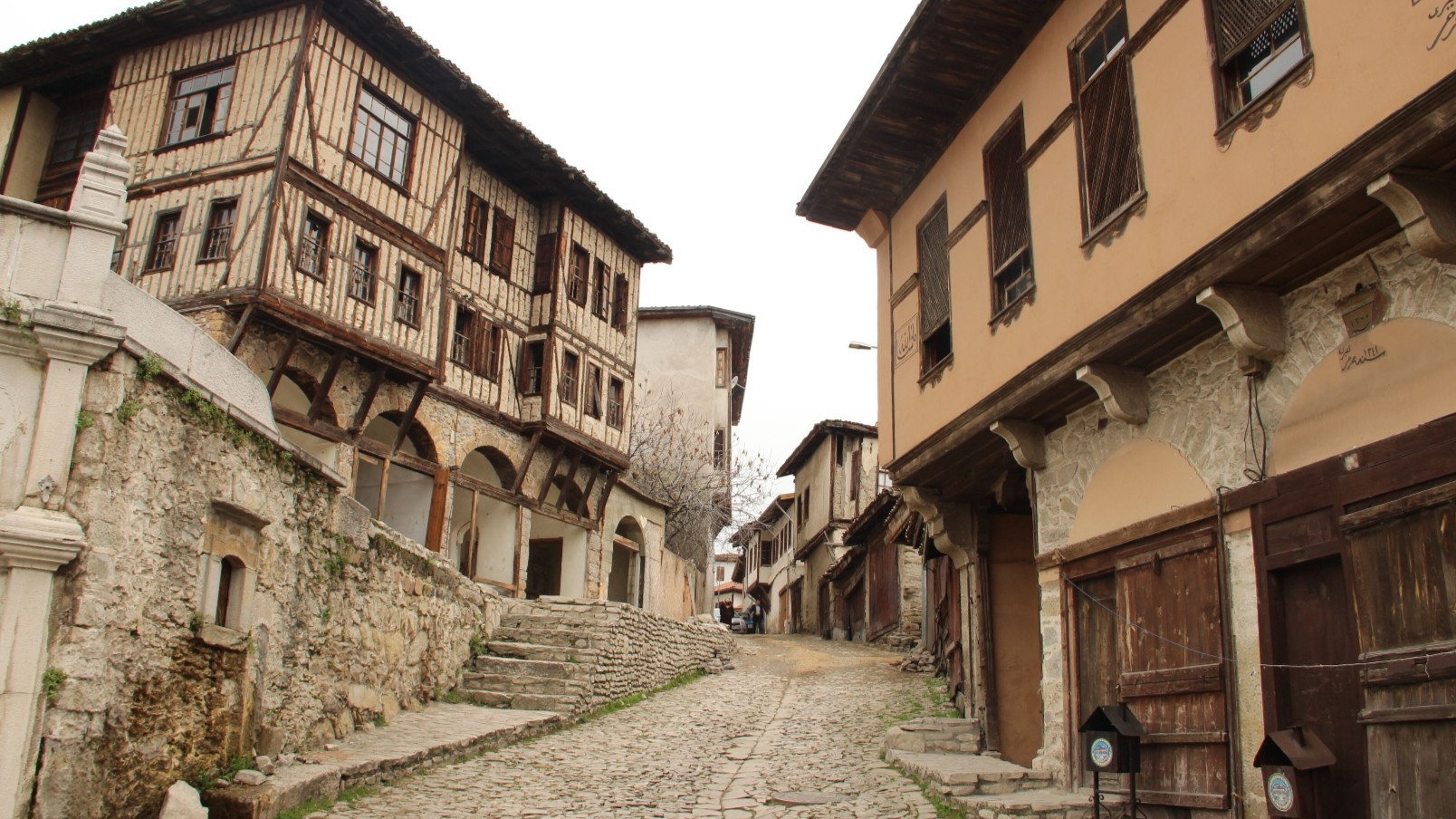
In 1994, Safranbolu was recognised for its perfectly preserved urban layout. Contrary to many historical sites that feature isolated monuments, this entire town includes cobblestone streets, traditional markets and over 2,000 half-timbered mansions, serving as a cohesive example of a classic Ottoman design.
Also Read: Cappadocia Is Going Viral--Here's Why
Key Features Of Traditional Safranbolu Houses
The architecture was dictated entirely by these three main factors: geography, social structure and a deep respect towards the natural environment.
Many houses located here are known as “houses with five facades,” because their colorful roofs are designed to be visually distinct from every angle.
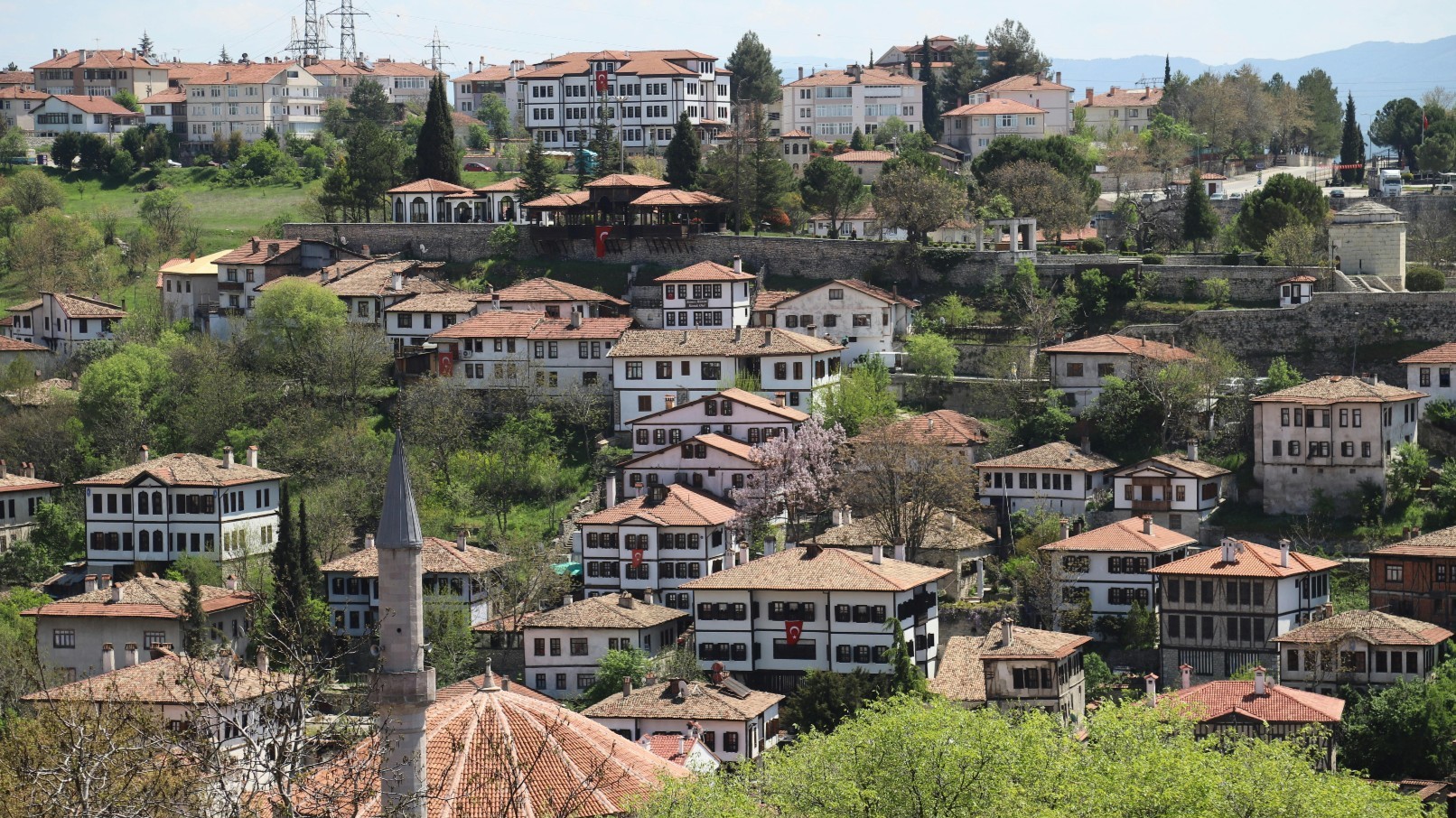
Houses were built with stone grounded floors and timber-framed upper levels. This kind of “mixed technique” made it easier for the structures to become flexible and resilient against natural calamities, such as earthquakes.
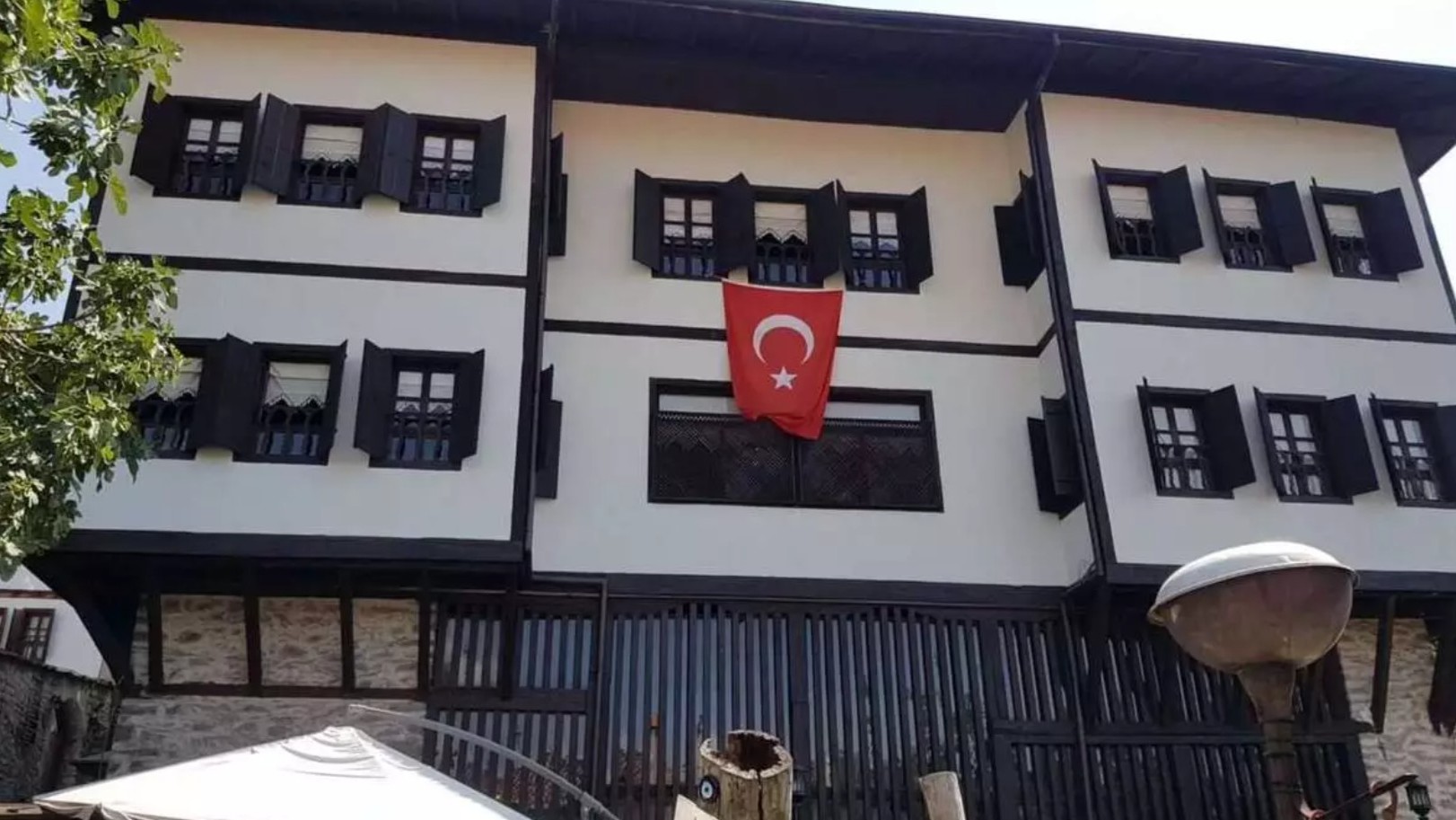
High stone walls on the ground floor protected the privacy of the family, while the upper floors featured numerous windows to catch the breeze and sunlight.
Also Read: Göbekli Tepe: World's First Temple In Turkey!
Life Inside An Ottoman Mansion
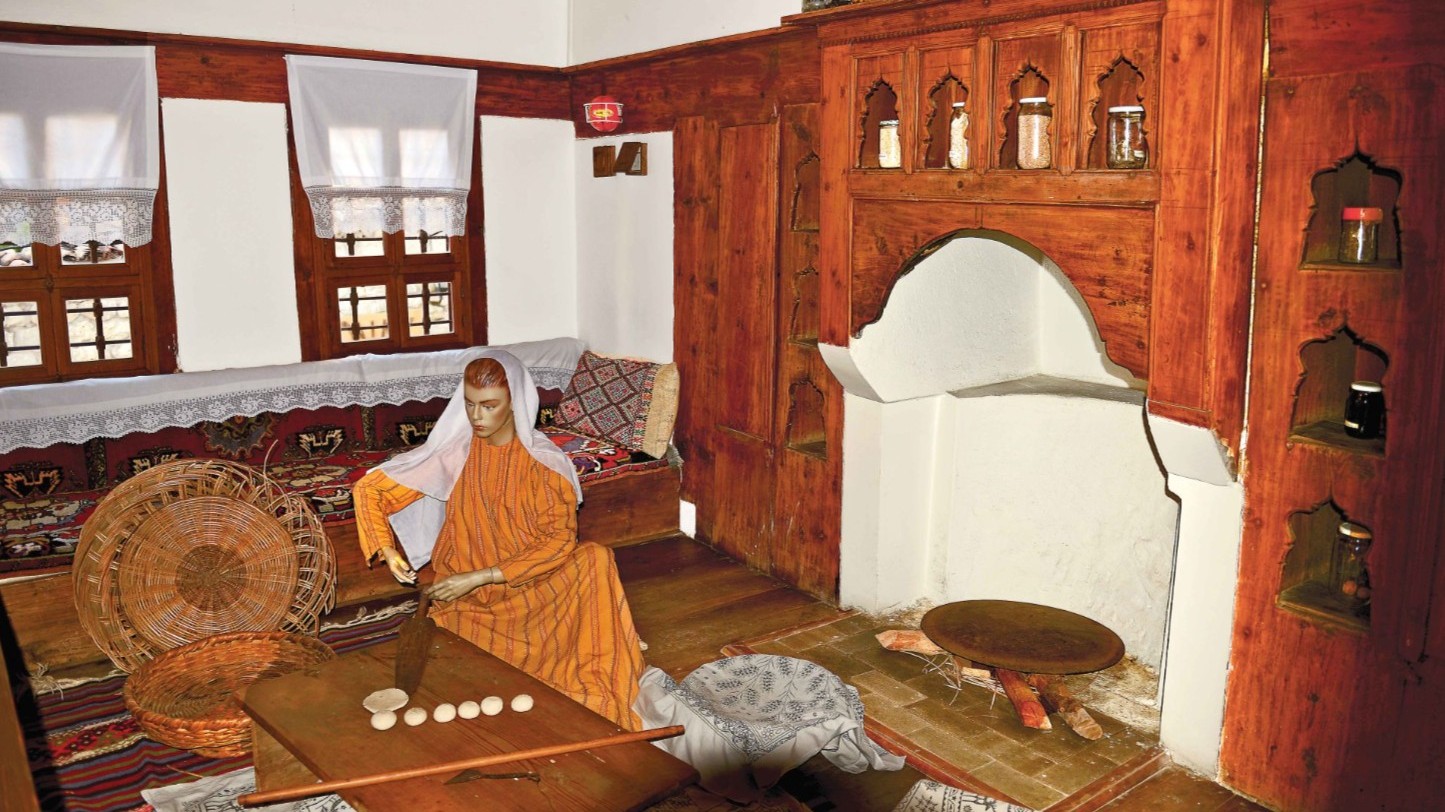
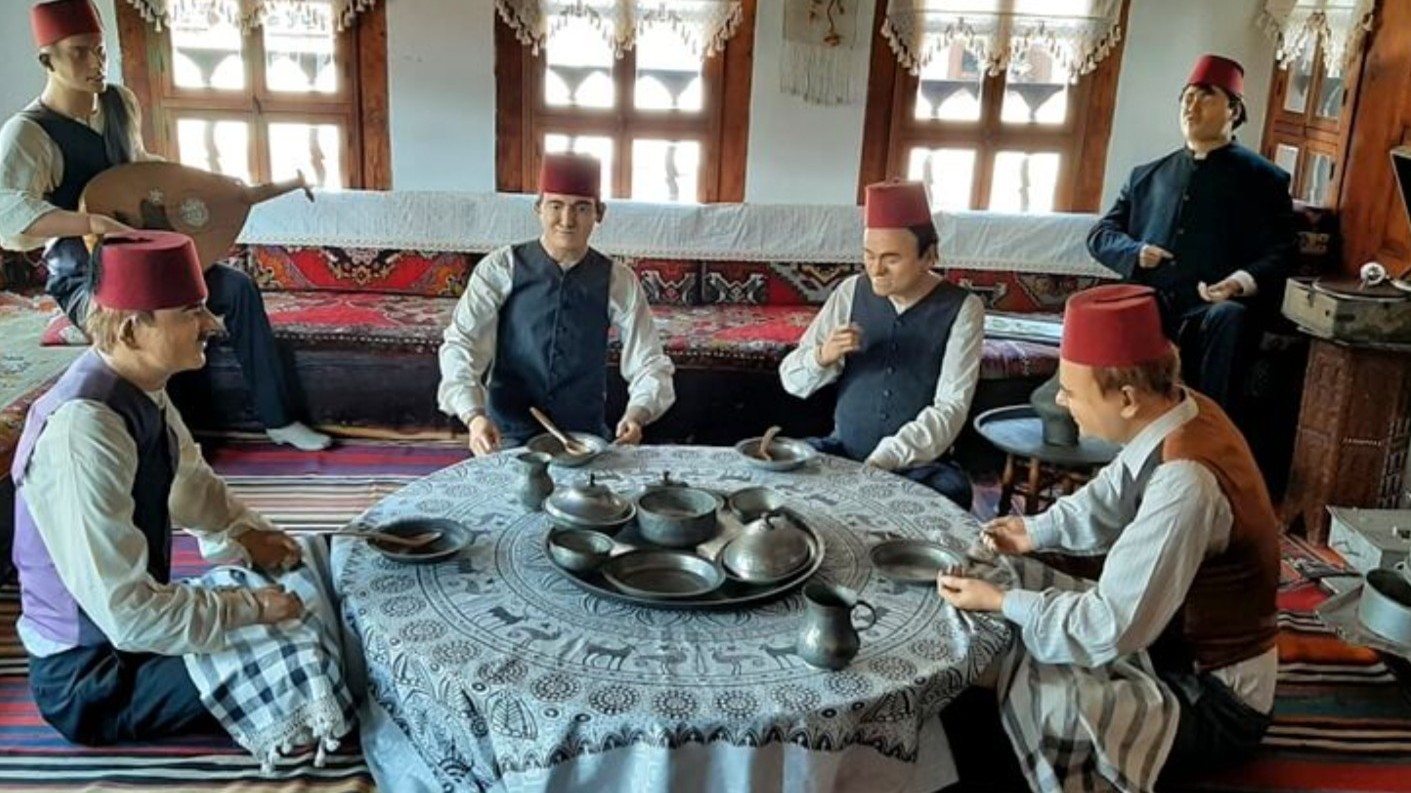
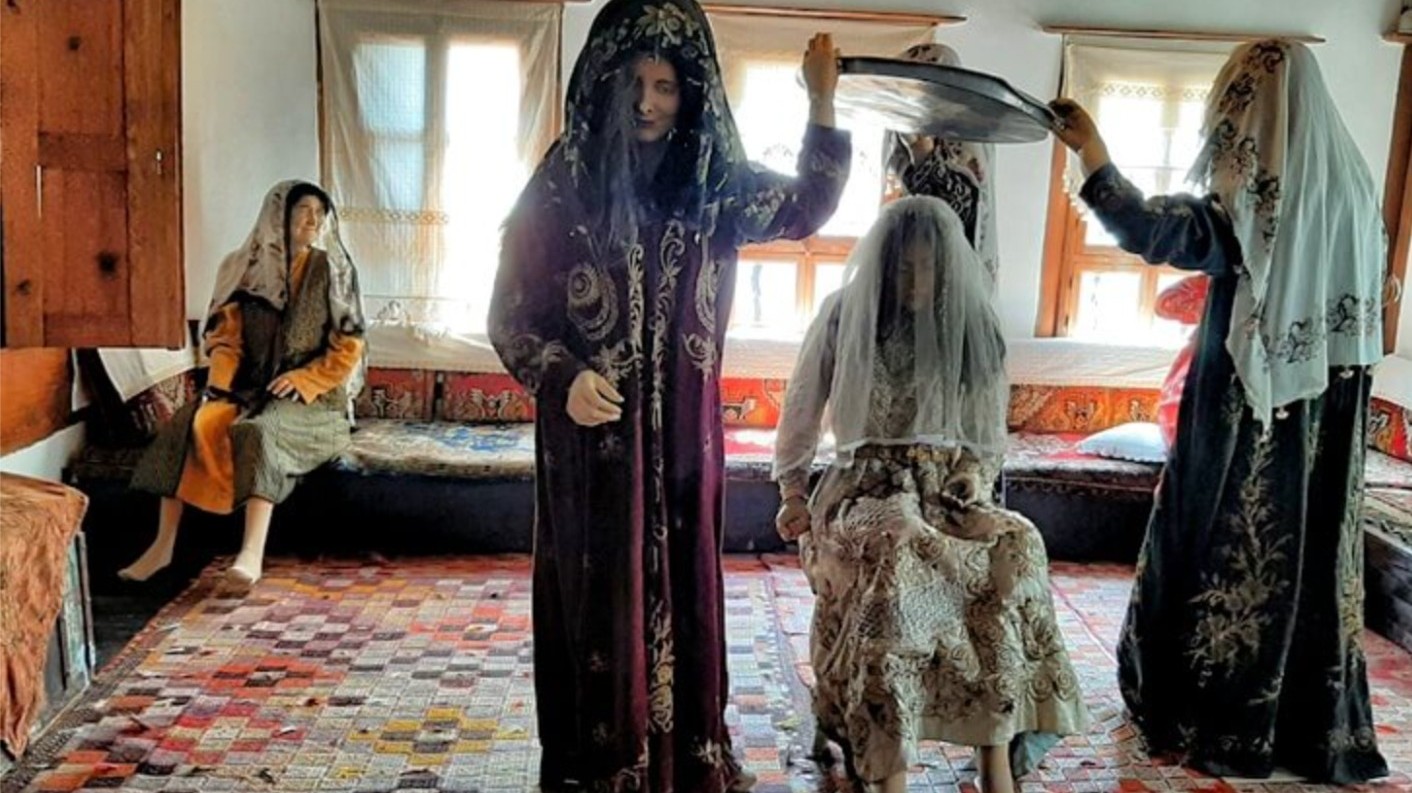
The interiors reflect the sophisticated patriarchal lifestyle of the 18th and 19th centuries. For a true deep dive, you can visit the "Kaymakamlar Evi,” a restored mansion-turned-museum, showcasing the intricate wood-carved ceilings and multi-functional rooms typical of that particular era.
Also Read: Topkapi Palace: 5 Reasons It Ruled An Empire For 400 Years!
Essential Travel Tips For Architectural Lovers
Many traditional mansions have been converted into boutique hotels, allowing you to experience the atmosphere of an Ottoman home.
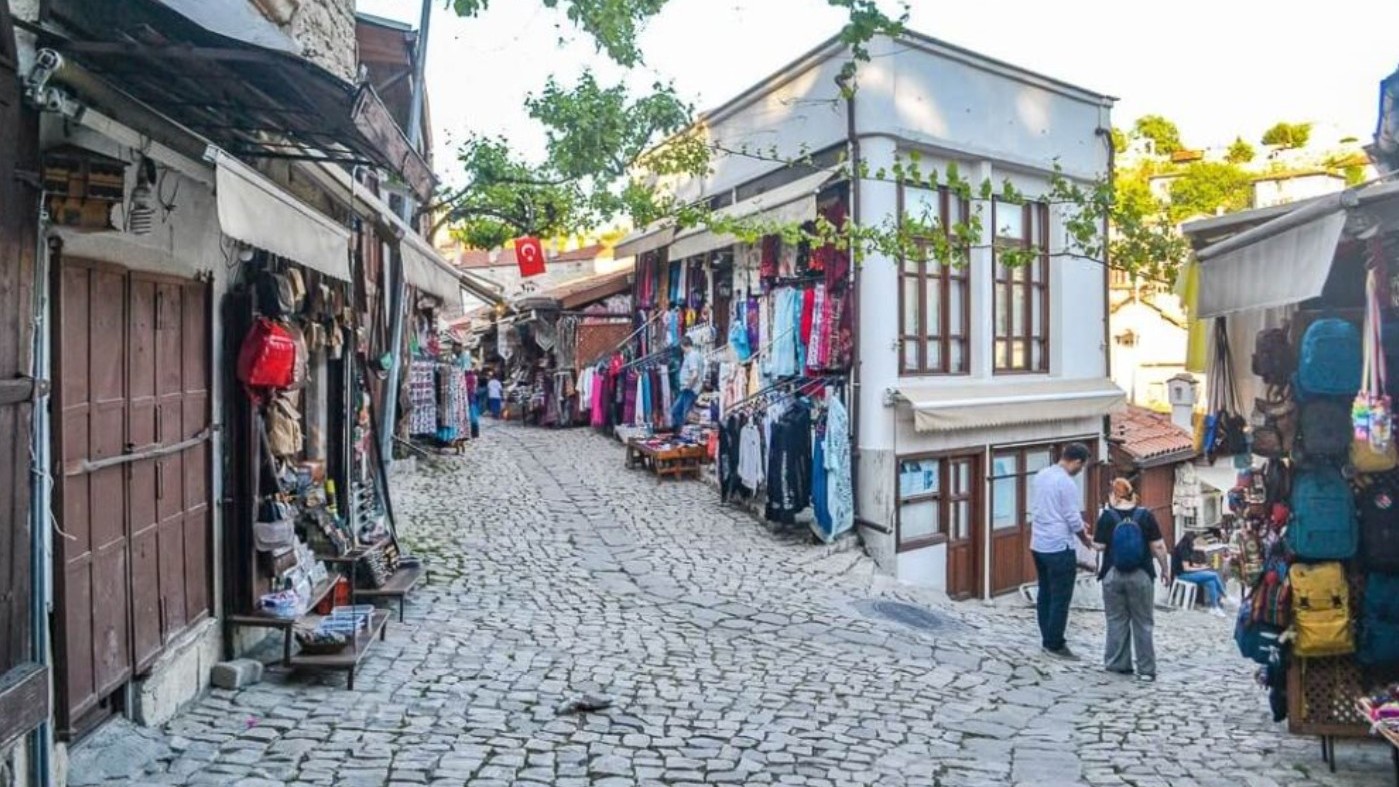
You can also explore “cobblestone street” and witness that the streets are paved with stone slabs designed with central slopes for efficient drainage, extremely perfect for exploring on foot.
Also, visit the restored Ottoman market to see how commercial and residential spaces are integrated seamlessly together.
Whether you’re an architect or a curious traveller, its wooden silhouettes against the Black Sea hills provide everlasting memories you will cherish forever!