It's hard to judge a city's livability from its skyscrapers and skylines, but good sidewalks are something that might make a city a very human place. You can move from one corner to another without having to worry about walkability, chaos, and rising cab prices. Many people tell their travel experience not by describing hotel lobbies, cars, or bathtubs, but by the streets, pavements, and ease of movement.
Not all travelers are the same and might have different priorities, but we believe that mobility in cities should be easy for everyone. Walkability is actually good for local businesses, as more travelers can reach out without having to spend money on vehicles. The list is based on simple questions such as: Can you move around in your city on foot? It's not a technical ranking or an official list, but it is based on residents' experience.
Also read || 9 Unusual Architectural Styles from Around the World
Kraków, Poland
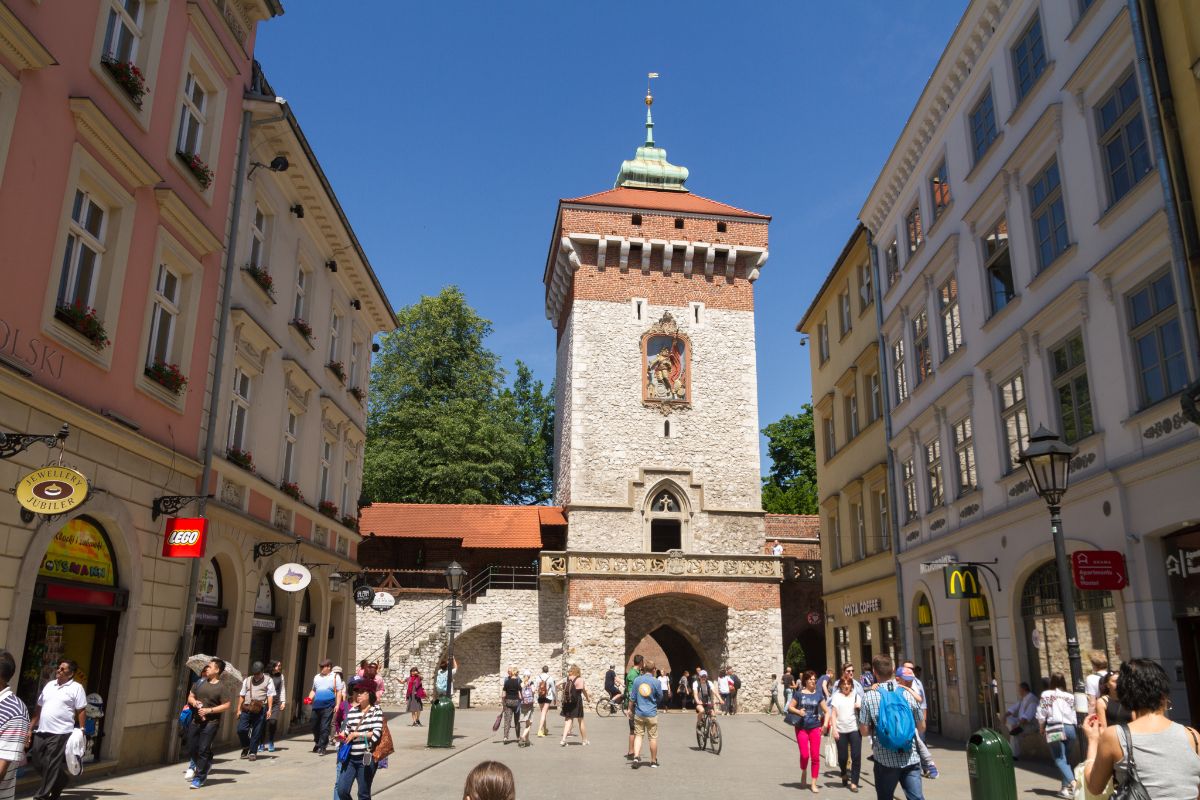
Kraków is the second-largest city in Poland and has an approval score of 83 percent, making it the tenth most walkable city in the WorldWorld, according to the Time Out Survey. It has a famous district called Stare Miasto, which is one of the largest medieval market squares in Europe. Sitting beside the Jewish Quarter, Kazimierz, it is largely car-free. Moreover, it has grand squares, churches, museums, and riverside walks, making it one of the most genuinely walkable cities.
Helsinki, Finland
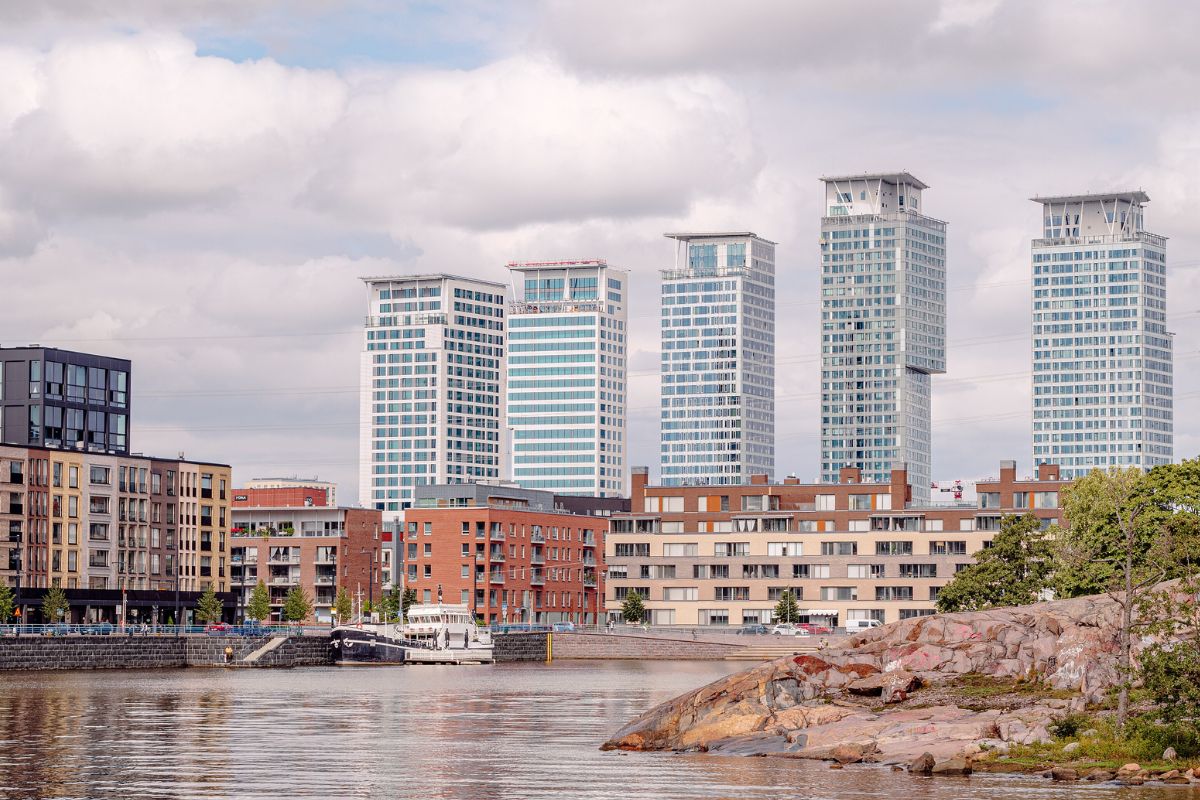
Helsinki is slightly more walkable than Kraków, with 85 percent approval from locals. The ninth most walkable city is quite compact and has around 680,000 people living together. What we love most about this city is its Inner City Waterfront Trail, which is about 9.3 miles long, and the scenic beauty of Kaivopuisto, the city's oldest park. Besides, there is the Lauttasaari Loop, Uutela Recreation Area, and Baana, which is a 0.8-mile pedestrian and bicycle corridor.
Singapore

You can never skip Singapore if talking about one of the best cities in the WorldWorld in any category. Its 86 percent approval score keeps it in the eighth position on this list. Since Singapore is a tropical country and city, it has pedestrian design to cope with the weather. They have sheltered walkways that protect pedestrians from sudden rainfall and relentless sun and heat. Everything is within reach, whether they are Hawker centres, malls, or gardens, making it a great place to travel.
Paris, France

The City of Love is also a City of Walkers. Paris lands in seventh place on this list and has 88 percent approval. This is because the city's street priorities shifted dramatically in the last two decades. Car traffic has fallen by more than half since 2002, and the city now has 300 walkable school streets. Though walking from Södermalm to the heart of the city is great, the essence of the non-touristy city life lies in the smaller streets, which most tourists miss.
Stockholm, Sweden
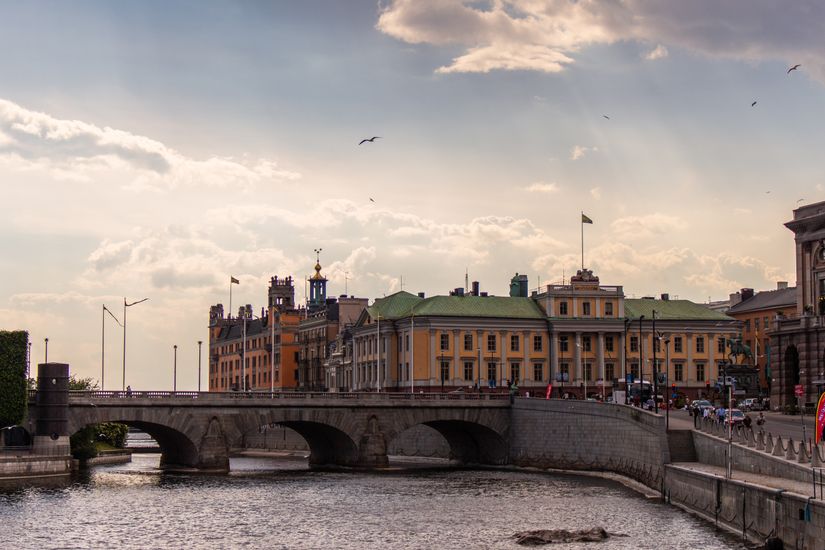
Stockholm is the sixth most walkable city in the World. Though it has a similar 88 percent rating, the city is less crowded and features well-kept pathways for pedestrians. It may not be as touristy as Paris, but the city has scenic beauty, good city planning policies, and an active emphasis on mobility and pedestrian infrastructure. Most daily essentials are within a fifteen-minute reach, so you don't have to drive a lot because of good transit systems.
Oslo, Norway

Apart from its rich Viking history and stunning modern architecture, Oslo is home to beautiful green spaces like Vigeland Sculpture Park and the Nobel Peace Prize ceremony. The city has a score of 89 percent because of its sustained, deliberate retreat from car dominance. You can live without a car easily in Oslo, because there are cycle lanes for bikers and compact streets for walkers. The supportive public transport and infrastructure ensure that you can enjoy harbour views and museums easily.
Also read || The Complete Lifecycle Of Eco-Friendly Building Materials
Copenhagen, Denmark
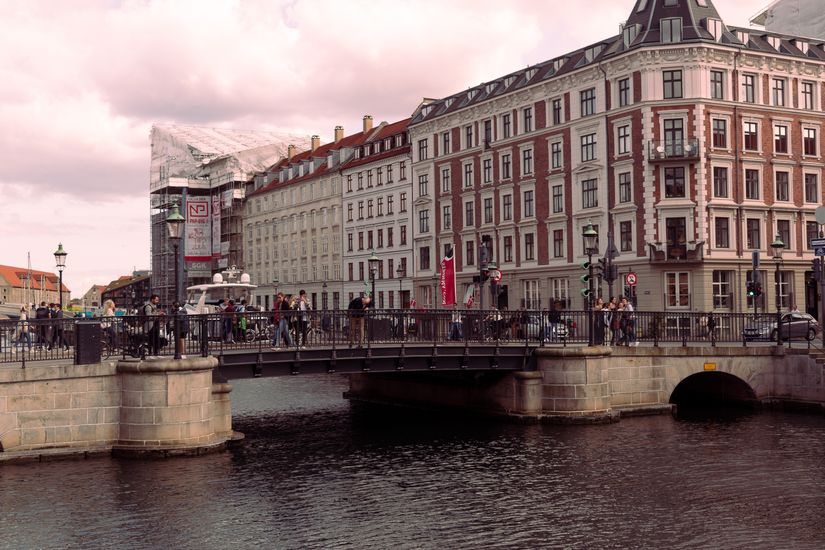
The Danish capital's 90 percent score echoes the city's low-rise, flat terrain and years of deliberate urban planning. It has Strøget, which is one of Europe's earliest pedestrian streets. There are public squares like Nytorv, Gammeltorv, and Amagertorv alongside Strøget, allowing you to walk without a single car horn interrupting the walk. With its strong safety reputation and raised pavements, you can walk anywhere, be it churches, cafés, or street performers.
New York City, United States
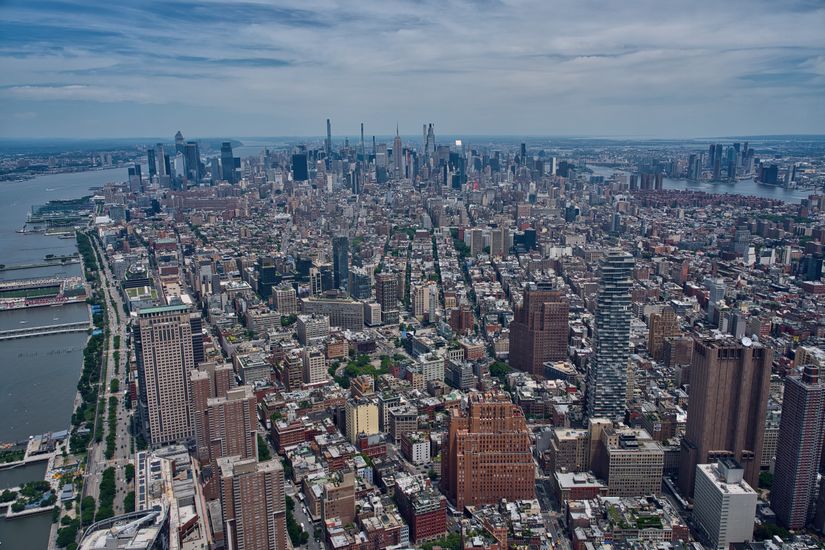
How can one skip New York City when talking about the most walkable cities? New York earns a 91 percent rating and is ranked third on the list. Manhattan's grid turns navigation into logical pathways rather than guesswork. The city has many personalities, whether it is frantic commercial powerhouses, Brooklyn Bridge, private residential areas, or distinct neighborhoods; most places are walkable when you are in New York City.
Edinburgh, Scotland

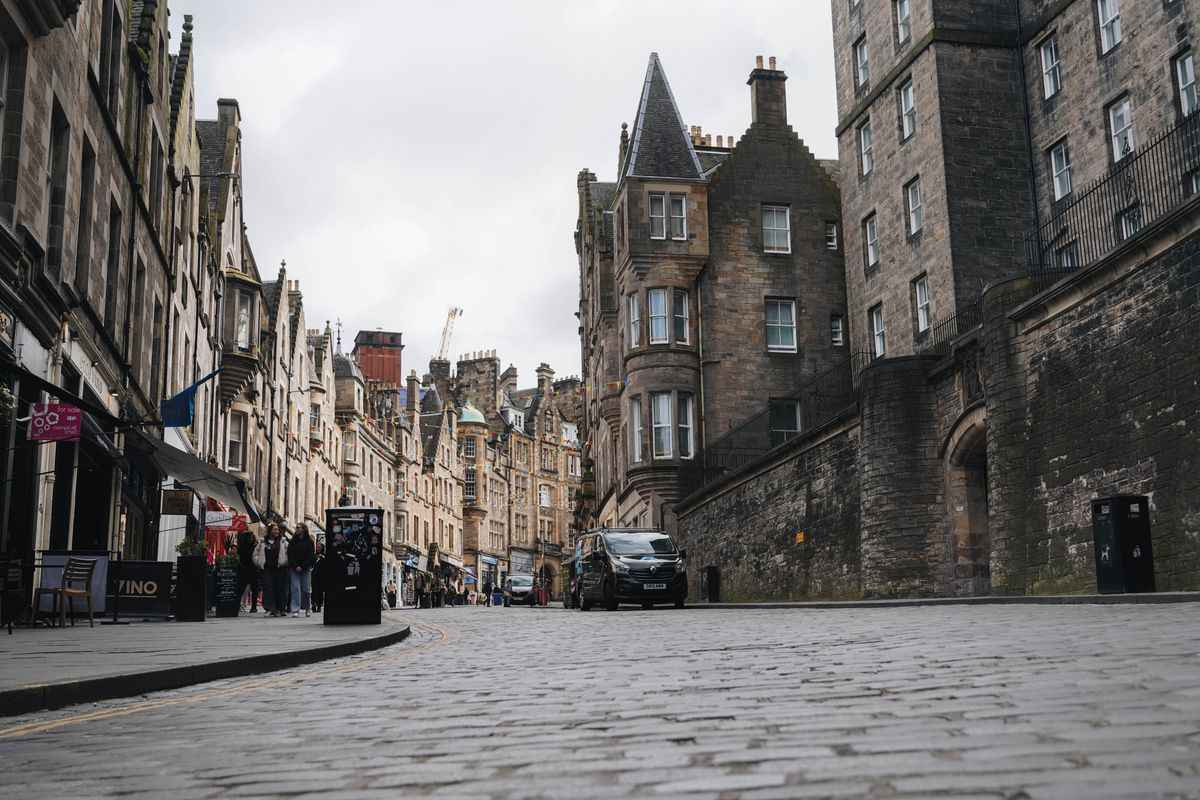
Despite steep hills, natural beauty, and stubborn cobbles, Edinburgh is the second most walkable city in the World. It has a walkability score of 93 percent, which matches the most walkable city on earth. The only reason it is ranked second is because of its steep hills; otherwise, it could be as walkable as most global metropolises. The compact centre, old town, national galleries and Calton Hill ensure a satisfying travel experience. Besides, for people who love experiencing beautiful skylines, walking becomes their fastest way to move.
Seoul, South Korea
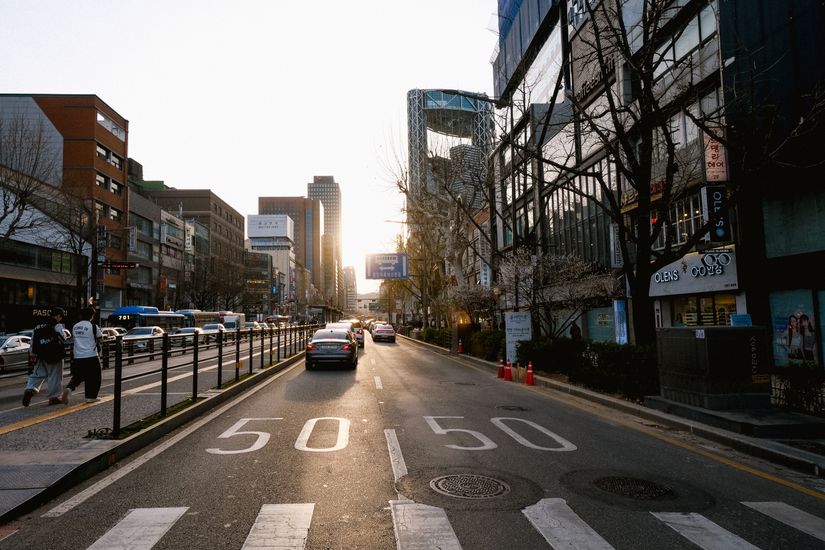
Seoul stays on top as the most walkable city in the World, with its 93 percent approval score. There are neighbourhoods like Insadong, Myeongdong and Hongdae, which are easily accessible because of pedestrian-driven infrastructure rather than cars. Similarly, the Cheonggyecheon Stream cuts a ten-kilometre walking corridor through downtown, while Seoullo 7017, a converted highway turned elevated garden, adds another green, car-free route above the traffic.
Also read || 7 Weirdest Buildings In Earth That Actually Exist
What Makes a Walkable City—And How to Explore It
There is no single blueprint that makes a city great for walks. It can be concrete pavements, beautiful cafés, well-connected bridges and whatnot. When you talk about cities like New York or Seoul, it's the transit and public infrastructure that plays the key role in a city's status as one of the most walkable cities.
On the other hand, compact cities like Helsinki or Copenhagen don't have dense populations, but they do have great public infrastructure, making them some of the best places in Europe to walk. Ultimately, walkability relies on car-free streets, safety, shade, quick access to convenience stores, and trustworthy public transit. Every city on this list combines some of these factors, which makes them special.
You can aim to walk the whole city, but that would be sheer naivety. One needs to balance ambitious plans with realistic limits. For instance, pick a central base or location, check what's nearby, and let public transit handle the heavy lifting whenever you get exhausted due to heat, steep hills, or long-distance walking. Besides, always have a pair of comfortable walking shoes because a slight error of judgement might make you walk unnecessary miles.
Though most of us trust online maps, having offline maps can save you from getting lost. While most of the cities mentioned here might have English speakers, knowing the local language or phrases can help you find your way if you encounter a native who does not know your language. In the end, we believe that streets should be designed for humans and not for heavy vehicles, so one can walk without the fear of being hit.