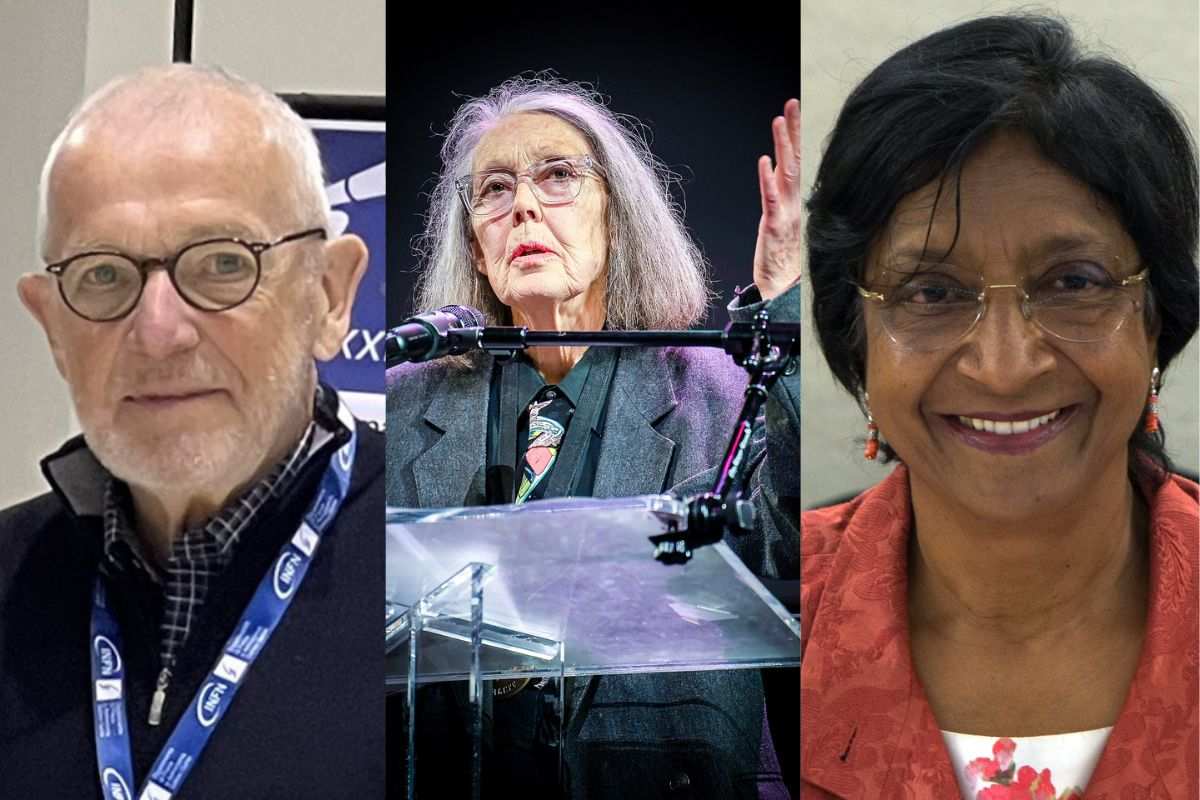
The Nobel Prizes are an epitome of excellence and one of the most respected honors on Earth. Every October, the world waits for the announcement to hear about people who changed science, literature, peace or economics. 2026 was no different, as we got some of the revolutionary discoveries and people getting recognized for their excellent contributions. Whether it is a scientist who learned to control brain cells with light or a physicist who turned the South Pole into a giant particle detector, everybody surprised the masses and showed how ideas can change the world.
From October 5 to October 12, Nobel Week was organized across Stockholm, Sweden and Oslo, Norway, to announce the 10 winners across six categories. Each prize carries 12 million Swedish kronor, equivalent to $1.2 million, which is also shared when a group wins. So, check out the full list and story behind one of the most respected awards across the globe.
Also read || 10 Nobel Prize Winners Who Changed Science Forever
Where the Nobel Prize Began
Everything has a history. The Nobel Prize started in memory of a Swedish inventor and chemist best known for inventing dynamite. On December 10, 1896, Alfred Nobel died due to a cerebral hemorrhage. Nobel never married and had no children, so he wanted his massive fortune to directly fund and support individuals who dedicated their lives to improving society, but might not be financially capable of continuing.
The first prizes were handed out in 1901, five years after his death. As a true polymath, Nobel named prizes in physics, chemistry, medicine, literature and peace in 1895. Furthermore, Sweden’s central bank added a sixth award in 1968 named “The Sveriges Riksbank Prize in Economic Sciences” in the loving memory of Alfred Nobel, which is now called the Nobel Prize in Economic Sciences.
Nobel Prize Winners 2026
Physiology or Medicine: Karl Deisseroth, Peter Hegemann and Georg Nagel
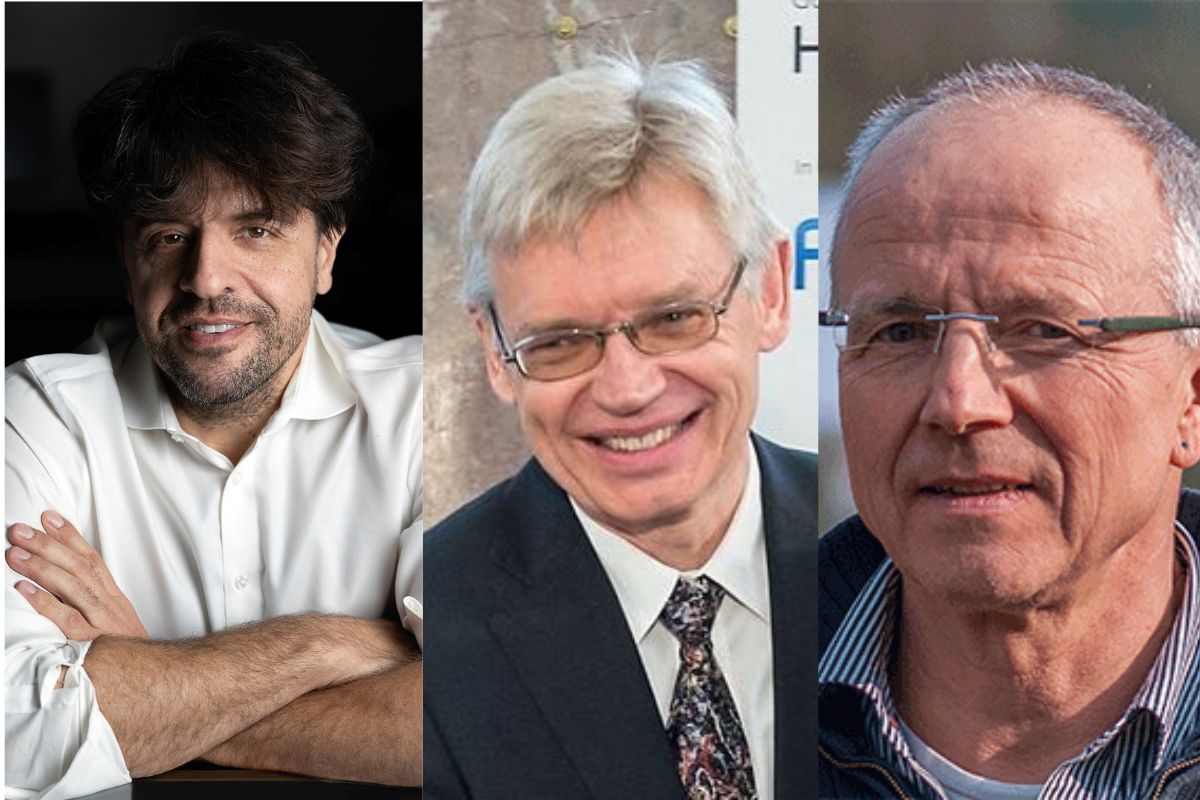
On October 5, the 2026 Nobel Prize for Physiology/Medicine was announced. And this time, Karl Deisseroth, Peter Hegemann and Georg Nagel won it for their discoveries about light-gated ion channels and optogenetics. In simpler words, they gave scientists a way to switch chosen nerve cells on or off using light, even inside a living brain. The method links brain circuits to behavior and diseases like depression, Parkinson's, and epilepsy.
It started with light-sensitive proteins found in algae. The German Scientists, Hagemann and Nagel, helped identify these proteins. And Deisseroth, an American neuroscientist and Physician at Stanford University, helped turn them into a working tool for brain research. When these proteins are placed in nerve cells, a flash of colored light can activate or silence those cells with excellent precision.
This discovery has changed neuroscience, as researchers can now link specific brain circuits to memory, movement, emotion and behavior. Per Svenningsson, the Nobel committee’s chair, said that the method lets scientists map the brain in ways nobody could imagine. And it may also guide future treatments for brain and mental health conditions.
Physics: Francis Halzen
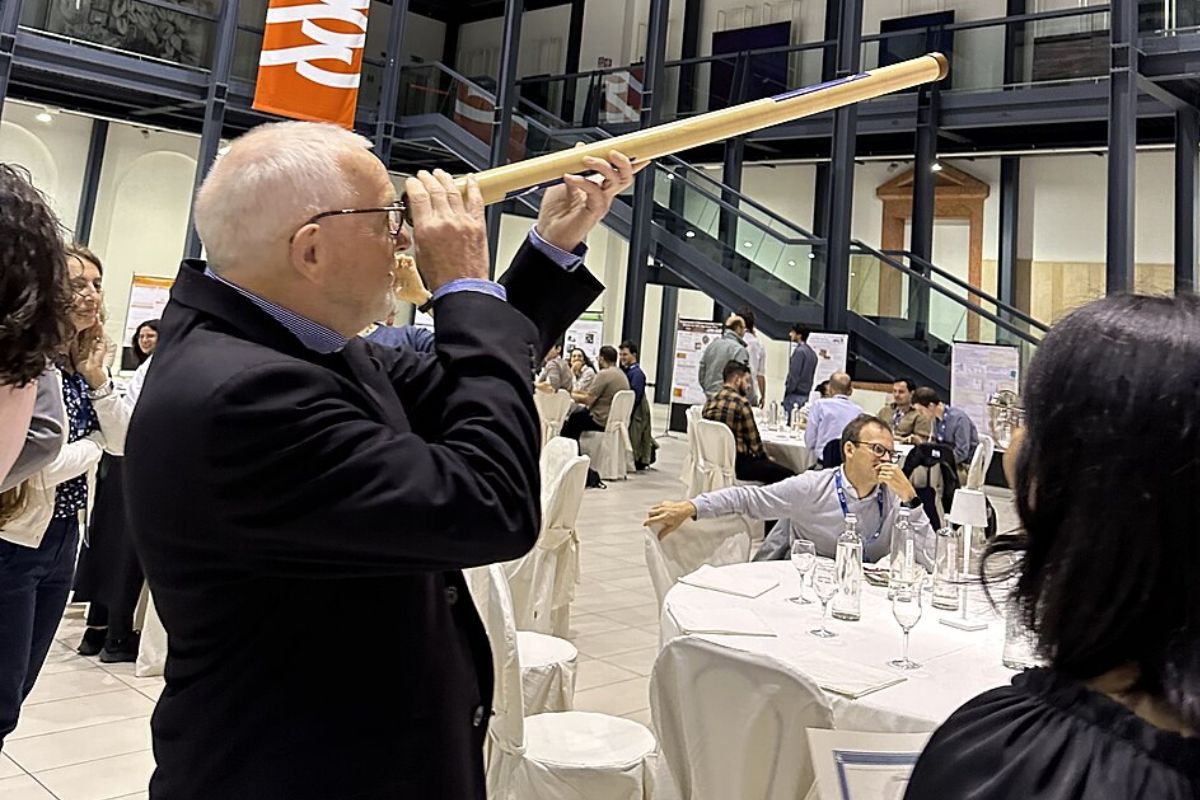
On October 6, Francis Halzen was announced as the winner of the Nobel Prize 2026 for his contribution to Physics. The Royal Swedish Academy of Sciences awarded the Belgian-born scientist the prize for his decisive contributions to the IceCube Neutrino Observatory and the discovery of high-energy neutrinos that come from far outside our solar system. Currently, Francis works at the University of Wisconsin-Madison in the United States.
Neutrinos are very tiny, almost weightless particles flying across the universe at almost the speed of light. It is very hard to catch them because they rarely touch anything. Francis had a big idea, inspired by the 1980s research, which was to use the clear, deep ice at the South Pole as a giant detector.
IceCube places light sensors inside about one cubic kilometre of ice. When a neutrino bumps into an atom, it creates a faint flash that the sensors can spot. Unlike light, neutrinos are not blocked by dust, gas or magnetic fields. That gives scientists a fresh way to study black holes, exploding stars and other violent events in space.
Also read || Debunked Aviation Myths Backed by Science
Chemistry: Henri B. Kagan and Kenso Soai
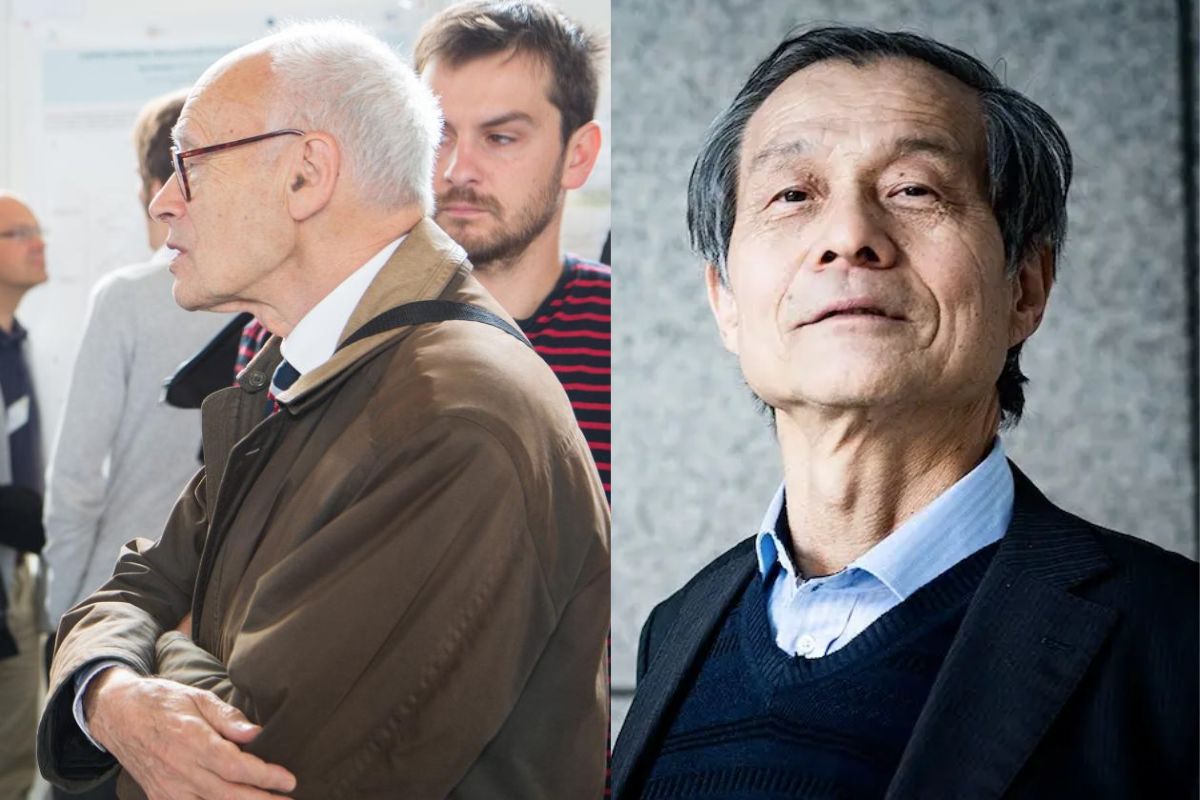
French Chemist Henri B. Kagan and Japanese Chemist Kenso Soai were announced the laureates for Chemistry on October 7. They are recipients because of their contribution to the discovery of non-linear effects and autocatalysis in asymmetric organic synthesis. The Nobel Prize website summed up their work with a simple line: they made chemistry choose a mirror image.
Many molecules come in two forms that are mirror images of each other, like your left and right ears. Living things usually use only one form. And it matters a lot in medicine, since two mirror-image versions of a drug can act very differently in the body. One may heal while the other can be slightly dangerous or cause harm.
Chemists wondered for years how such a lopsided balance could appear in nature. Kagan and Soai found part of the answer. A tiny early difference between the two forms can grow into a much bigger one, and a reaction’s own can help make more of itself. Their work helps us understand nature's one-sidedness and supports the making of safer medicines.
Literature: Anne Carson
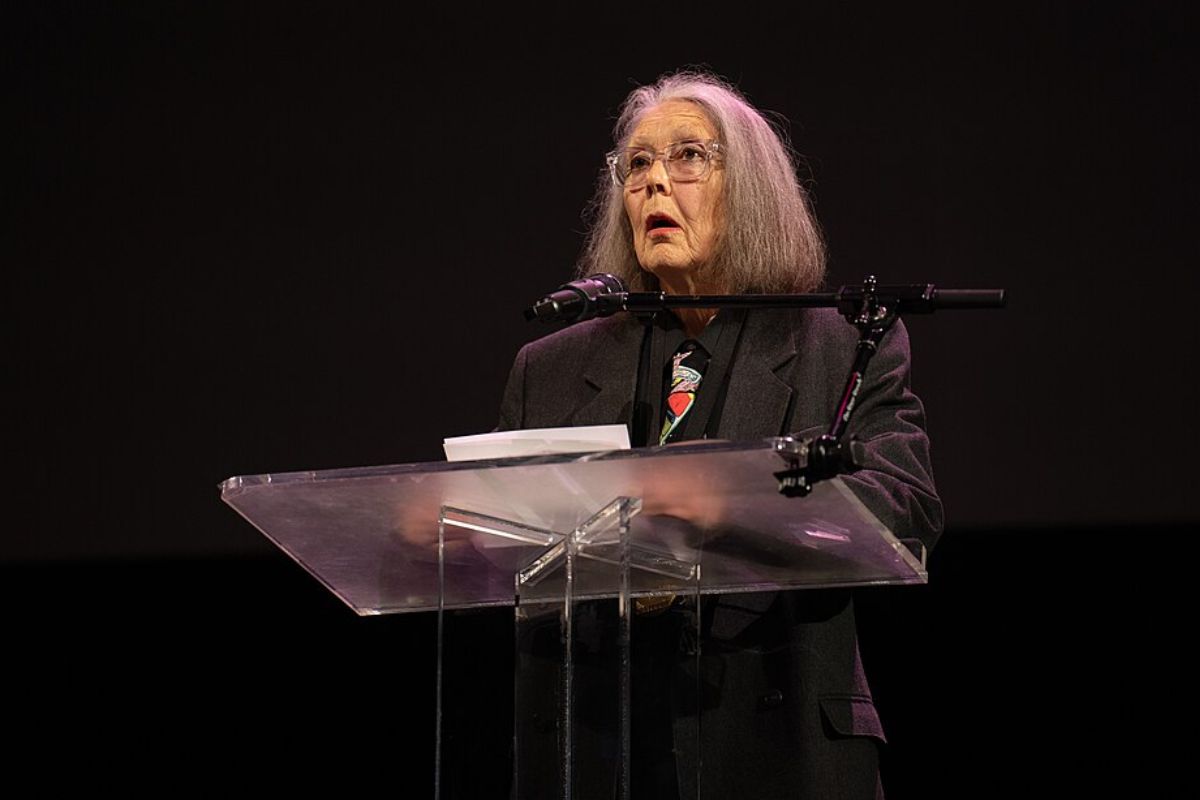
The Canadian poet, essayist, classicist and translator Anne Carson was announced as the recipient by the Swedish Academy for the Nobel Prize in Literature 2026 on October 8. The Academy praised her bold and inventive body of work, which talks playfully with the classical tradition and creates new forms for modern living.
Anne Carson is known for mixing poetry, prose, translation, myth and scholarship. Her work often draws on ancient Greek writing, yet it speaks directly about love, loss, desire, memory and language. The speciality of Carson is that she does not stick to one style. Instead, she moves freely between poem, essay, drama and translation, making old stories refreshing and urgent.
Peace: Navi Pillay
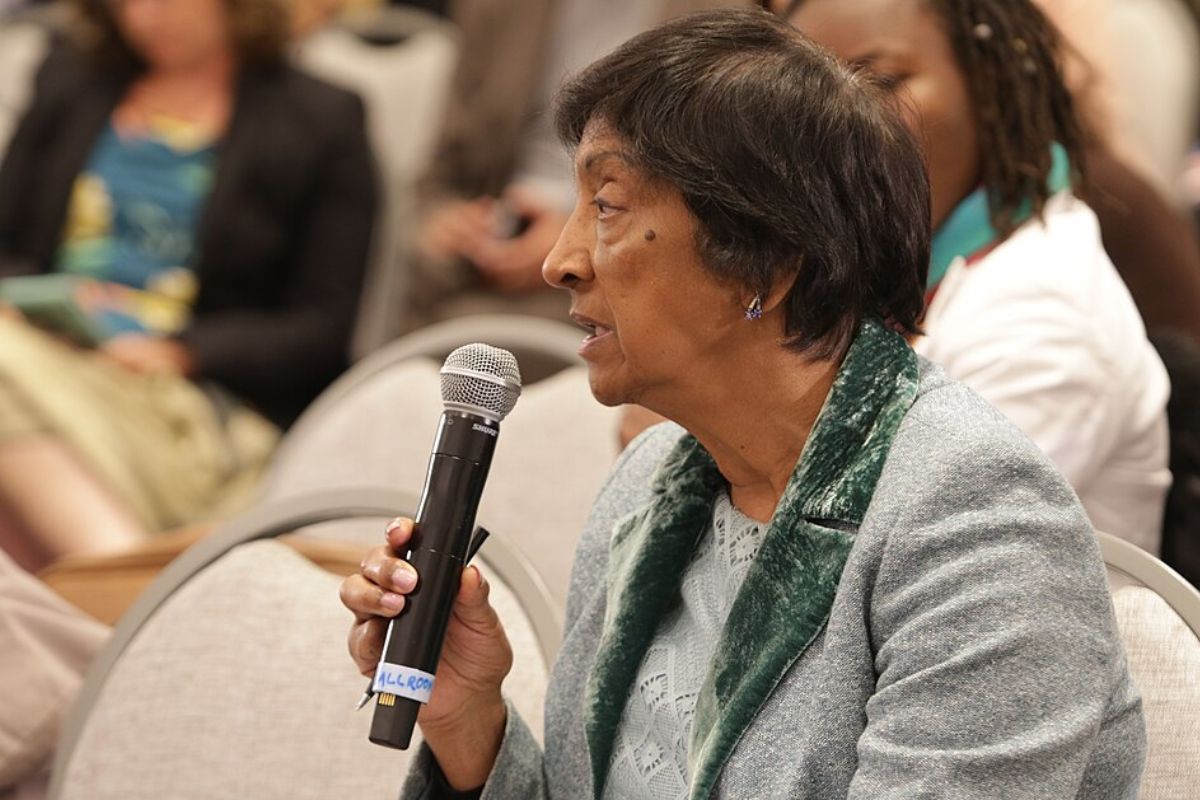
Navanethem “Navi” Pillay, the South African jurist, was announced as the Nobel Peace Prize recipient on October 9 by the Norwegian Nobel Committee. She won it for her efforts to promote peace and international law, and this award, coming at a time when wars and conflicts have raised new worries about justice, human rights and the rule of law, is quite thought-provoking.
Pillay has spent decades working to ensure serious crimes do not go unpunished. She served as a judge on international courts and later became the United Nations High Commissioner for Human Rights. Navi’s career shows a simple idea: that peace is more than the absence of fighting. It also needs accountability, justice and respect for the law.
Economic Sciences: Robert E. Hall and Michael Woodford
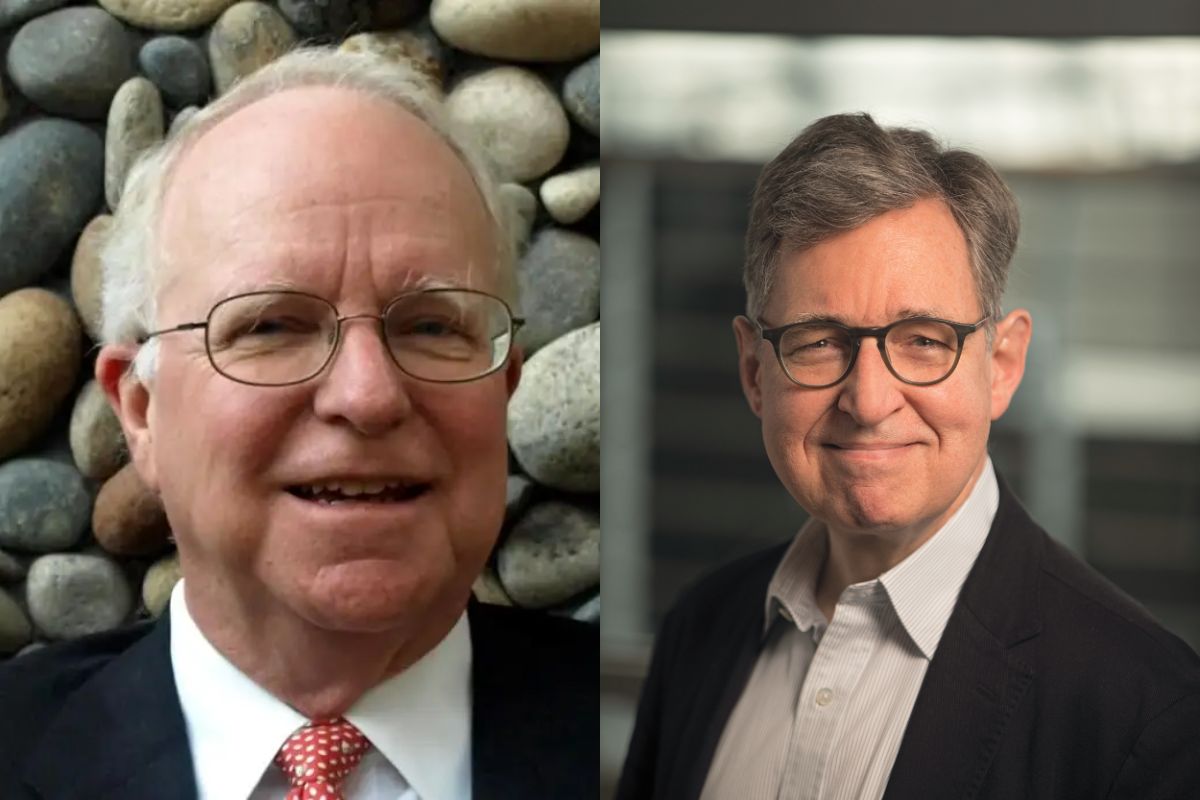
The final prize of the season came on Monday, October 12. Americans Robert E. Hall of Stanford University and Michael Woodford of Columbia University won the Economics prize. The committee honoured them for developing macroeconomic models that greatly improved how well governments and central banks can carry out stabilization policy.
In plain words, their models link the choices of everyday households and firms to the way the whole economy behaves. That helps policymakers judge how interest rates, spending and other tools can calm economic swings. As prices, energy costs and financial worries remain in the news, this research offers practical guidance for avoiding deep recessions and runaway inflation.
Also read || Can Skinny People Have Too Much Visceral Fat?
What It Means to Win a Nobel Prize
A Nobel Prize is an appreciation of someone’s work with exceptional impact. Nobel winners receive a diploma, a medal and prize money. More importantly, their work inspires governments, universities, companies and charities to pay fresh attention to the research or cause behind the award.
Though the prizes are announced in October, they are presented on December 10, which is the death anniversary of Alfred Nobel. The physics, chemistry, medicine, literature and economic sciences awards are given in Stockholm, Sweden. The Peace Prize is the only one presented in Oslo, Norway.
The 2026 Nobel Prize list shows how wide the Nobel spotlight can be. Optogenetics may reshape brain research, IceCube is widening our view of the universe, and new chemistry explains nature’s one-sidedness. Be it a poet celebrated for reviving ancient stories, a jurist for defending law or an economist for helping steady the world’s money, these awards show that big ideas can start small and travel far.