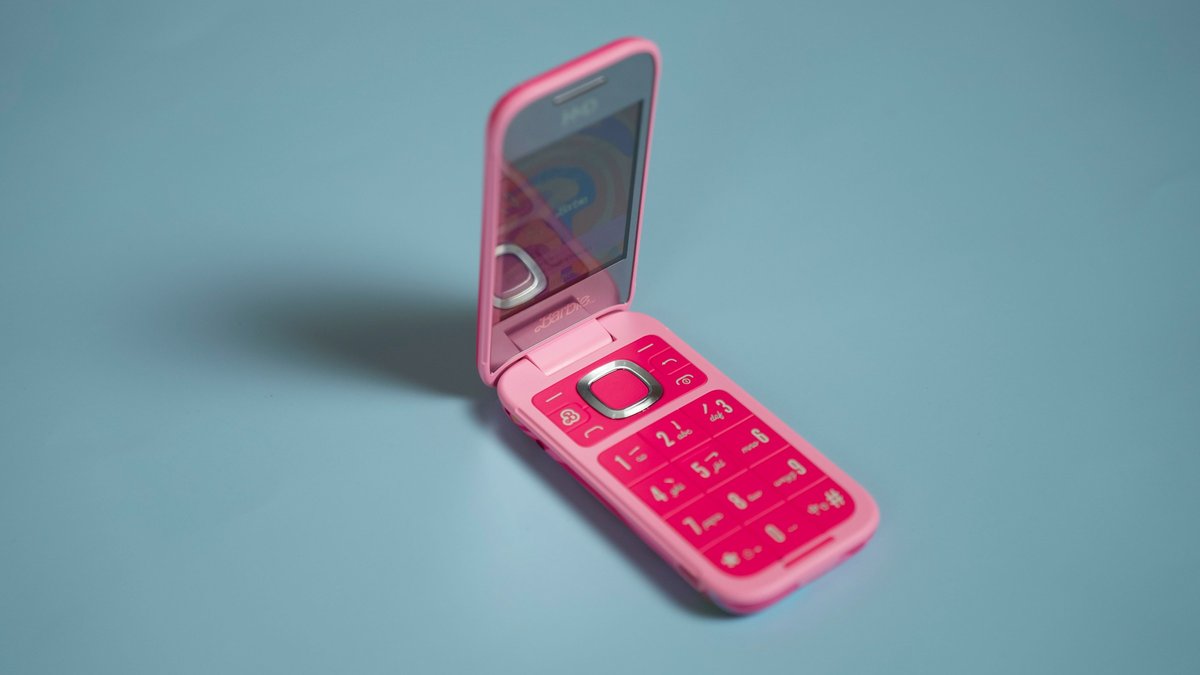
Retro phones are becoming the new trend in 2026. There’s been a profound cultural shift in mobile habits, and research by Edith Cowan University implies that users are distancing themselves from their primary devices. While it may look like an attempt to relive your nostalgic moments, it is a tactical effort to interrupt the constant intimate connection with smartphones.
In a Tech Wellness blog, August Brice remarked that smartphones were intentionally designed to be inseparable partners. We carry them from bedrooms to washrooms, and everywhere with us. Thus, creating a sense of psychological dependency, which can be very exhausting. So, when you revert to simpler devices, you stop reacting to endless notifications and external events. You reclaim your mental space and plan your days effectively.
Some may call it a high-profile gimmick, as celebrities like Rihanna and Scarlett Johansson have been spotted using flip phones. However, the decision to use flip phones over smartphones by these celebrities is a calculated one. Since they have to minimize the social noise, they prefer to choose a gadget that does not demand a lot of attention at every moment of the day.
Security remains a primary reason for switching to legacy hardware. For instance, some celebs used to have a BlackBerry phone exclusively for emails, as it was tough for hackers to breach. But smartphones eventually took over everything. Besides, these older devices provide unmatched protection as compared to modern smartphones. So, when users use hardware that lacks modern security holes, they can better defend their sensitive information and preserve their overall digital privacy.
Digital addiction is affecting people's lives. You feel trapped by the loops of TikTok and Instagram. Fortunately or unfortunately, these apps were designed for endorsements, so the longer you stay there, the more they affect your mental health. And productivity. Moving to a traditional flip phone can be great for decluttering your brain and gaining freedom from unwanted triggers and notifications.
Also read || The Rise of Minimalist Smartphones and What It Says About Us
Functional Realities and Wellness Benefits
To understand functional realities, one must know how the mobile landscape can be distinguished between three hardware categories. Most traditional flip phones use traditional buttons and prioritize calls, whereas modern smartphones are more like handheld computers with vast app ecosystems.
The biggest reason why smartphones replaced flip phones was their portability. Although 91 percent of Americans own a smartphone, many are questioning if it is worth it. You can categorize phones into three hardware categories and pick whatever you want, whether it is high-tech utility or total digital peace, and this determines your relationship with technology.
|
Feature |
Traditional Flip Phone |
Modern Smartphone |
Foldable Smartphone |
|
Key Features |
Physical Buttons, Predictive Text |
GPS, Health Apps, Video |
Flex Mode, Large Display |
|
Battery Life |
Multi-day to One Week |
Daily Charging Required |
Daily Charging Required |
|
Distraction |
Low (Call-centric) |
High (App-based) |
High (App-based) |
|
Durability |
High (Robust Design) |
Low (Fragile Glass) |
Low (Fragile Hinges) |
The simpler the device, the better the health. That’s what August Brice mentioned in her blog: every phone emits radio frequency radiation, measured by the Specific Absorption Rate (SAR). It tracks how much heat energy your body absorbs. Since traditional flip phones lack background data processing, they have lower SAR ratings and are good for health.
Similarly, modern 5G networks use millimeter waves, which present significant biological concerns. Experts say that power density increases with device capability. In smartphones, the electromagnetic complexity creates a worrisome environment for human cells when WiFi and Bluetooth are enabled. On the other hand, flip phones operate on lower frequency bands, which produce lower power density. So, if you are a radiation-conscious user, traditional flip phones are the way to go.
In the CompanionLink article, Rebecca Livingstone notes that despite providing safety tools, smartphones require constant attention. They require charging and are physically fragile. In contrast, flip phones are not only durable but have better battery life. Thus, traditional flip phones are vital for seniors, considering there are millions of emergencies due to falls. So, a good flip phone ensures that you have enough battery to connect during medical emergencies.
To decode reality, Tech Wellness experimented using a professional acoustimeter to compare an old flip phone against a newer iPhone. The results revealed that the older device emitted lower radio frequency radiation. This happened because these older models were built for 1G or 2G signals, which use less power than modern 5G networks. Moreover, the lack of WiFi or Bluetooth eliminates EMF complexity, which makes them a healthier option.
Another critical variable is signal strength. When your phone has a weak connection, it needs more power to reach the tower, which spikes power density. Thus, when you use devices only when the signal is strong, it minimizes this stress. Flip phones are ideal for calling and spend less time searching for high-speed data, which is why they are an efficient choice over smartphones.
Also read || Did You Know What the First Smartphone Ever Was?
Navigating the Transition and the Future of Mobile
When you start using a flip phone for mobile communication while relegating complex tasks to a home-based device, this strategy is called compartmentalization. For instance, using a laptop or tablet for banking and emails, you don’t have to browse or use your phone mindlessly. In this way, you get the best of both worlds and get rid of your smartphone addiction.
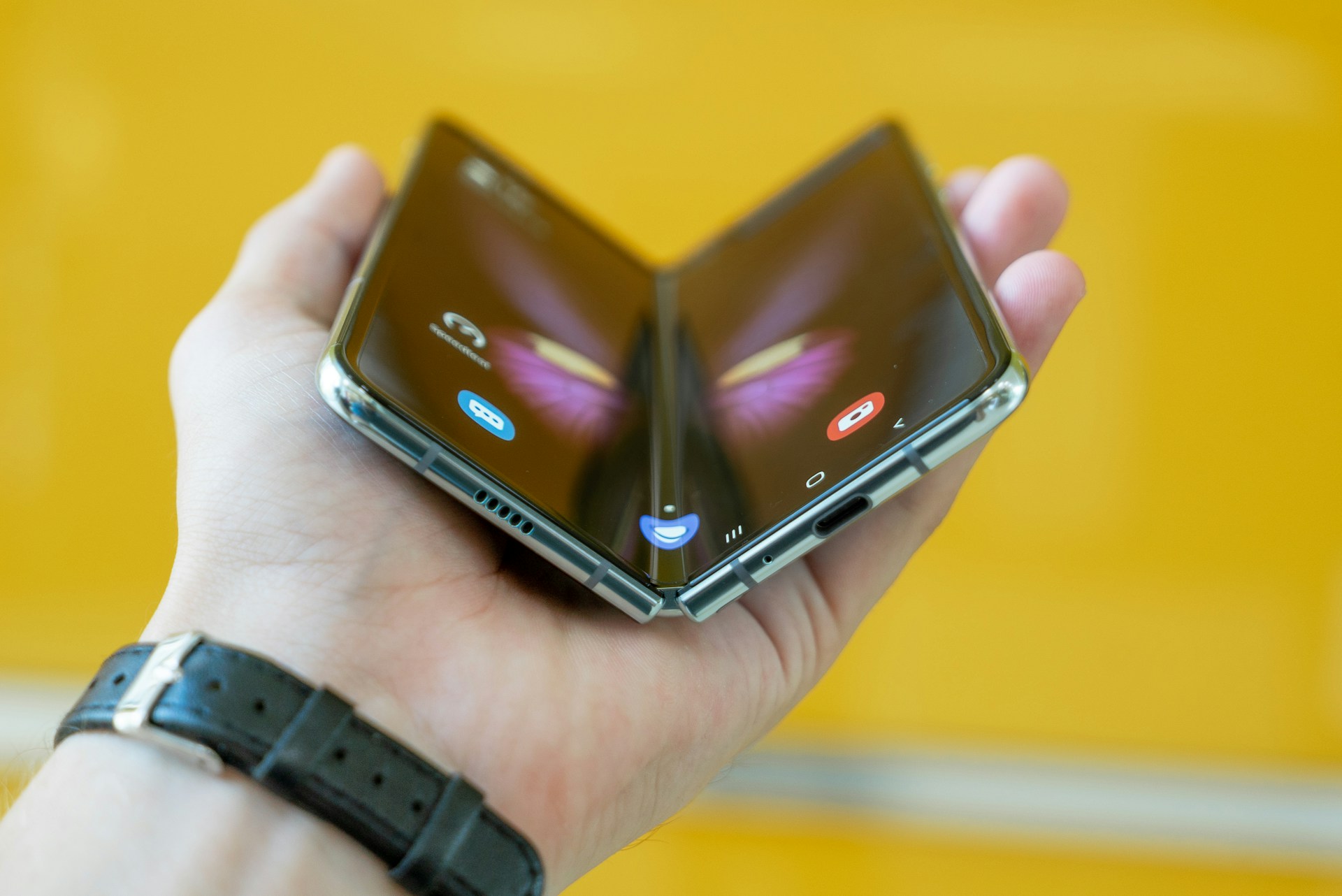
The biggest trade-off in foldable technology is hardware. In Danny Ziyang Huang’s analysis in Atlantis Press, it was revealed that though screens offer portability, the technology remains fragile. The displays involve multiple layers of plastic, which can be damaged by pressure. Visible creases often form at the hinge, compromising the visual experience.
Most modern foldable devices come with a flexible mode where the phone stays half-open. While this is marketed for hands-free calls, it is usually a costly gimmick. Supporting a phone does not need a $1,380 solution. Moreover, the complex mechanical hinges add substantial weight and bulk, making them more cumbersome to carry than traditional flip phones.
Waking up without unwanted notifications gives you a proactive and peaceful morning routine. And this change fosters a sense of freedom from being slaves to high-cost data plans. Users often find that once digital noise is removed, they can reconnect with their own thoughts and ideas.
Also read || Digital Detox, Realistically: 6 Small Daily Habits That Protect Your Brain Without Quitting Your Phone
Tech Wellness Practices Checklist
Since following everything is difficult, we have created a list of the five best Tech Wellness practices that can be great for your health.
-
Using the speakerphone or anti-radiation wired headsets for all calls can be the best choice.
-
A minimum of a 10-inch distance between the device and your head is advisable.
-
Disable Bluetooth and WiFi settings whenever they are not in active use.
-
Don’t carry your device in a pocket; instead, use a long strap case.
-
Enable airplane mode during sleep to eliminate overnight radiation exposure.
August Brice believes that these practices ensure safer usage regardless of your chosen device. With anti-radiation practices, you keep your brain health safe. The 10-inch distance reduces the absorption of radio frequency energy significantly. Moreover, disabling wireless signals or using airplane mode optimizes modern communication needs with a serious commitment to long-term wellness.
Whether you choose a vintage flip phone or a modern foldable one, the end goal is to have some control over your technology. As the minimalist movement grows, more people are discovering that less connectivity leads to a better life. In the end, you can only focus on real experiences when there are fewer triggers and less screen time. Technology should be serving you, not exploiting you.