Nobel Prize has always been an epitome of academic excellence, human intellectual development and impactful contribution to humanity. Every year, some individuals and organizations are awarded for their outstanding contributions to humanity in six different categories: Physics, Chemistry, Physiology or Medicine, Peace, Literature, and Economic Sciences.
Some may question what the benefit of all these awards is, but every discovery is more than a footnote or a line in a textbook. It changes what we believe is possible. The Nobel Prize has honored these kinds of work for more than a century, starting in 1901. This blog talks about such Nobel laureates whose ideas changed the scientific world forever. The list includes some of the biggest names in science, as well as the newest names who made it big in their life.
Also read || Debunked Aviation Myths Backed by Science
Wilhelm Röntgen: Seeing Inside the Body (Physics, 1901)
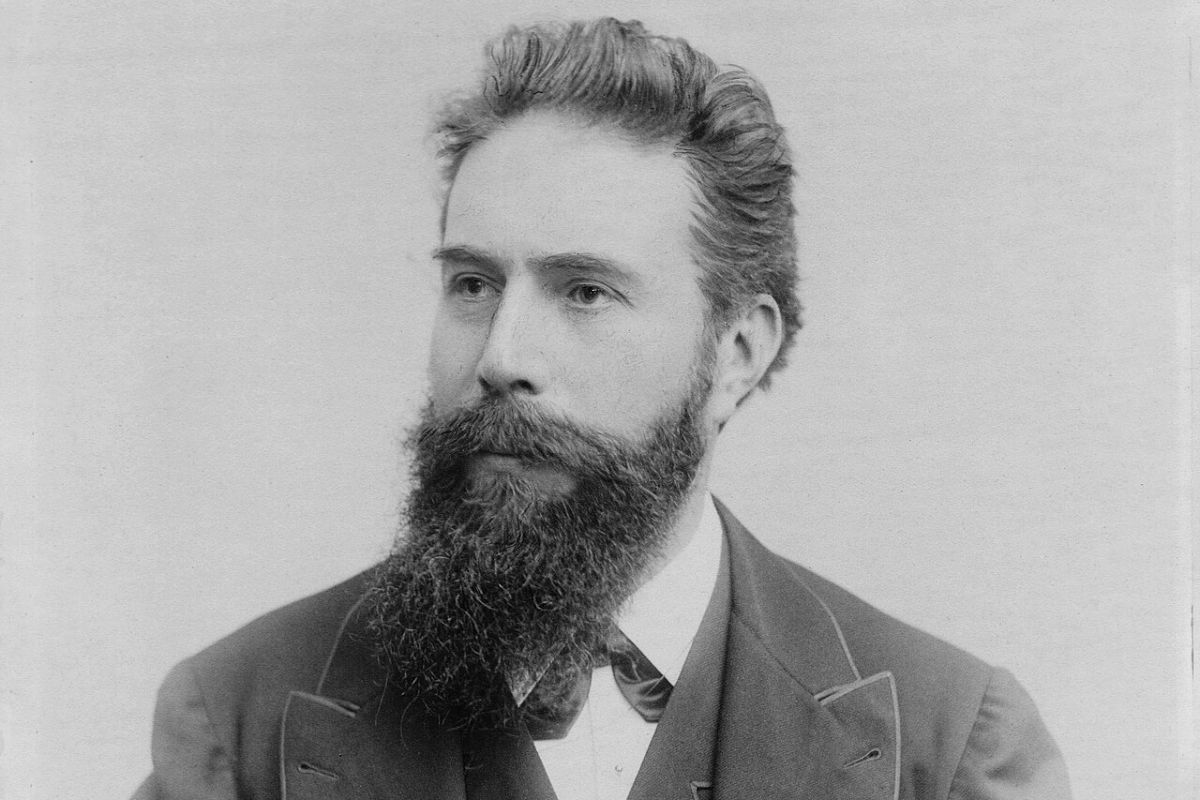
Wilhelm Röntgen is known for discovering X-rays, for which he received the very first Nobel Prize in Physics. In 1895, he was working with a cathode-ray tube when a distant screen began to glow, even though the tube was covered. He named these mystery rays "X" because he did not know what they were.
X-rays passed through soft tissues but were blocked by bone and metal. Röntgen used this to take the first X-ray photo, a picture of his wife's hand. Doctors could suddenly see broken bones and hidden objects without surgery. Eventually, the same idea helped them spot tumors. It was the discovery of X-rays that opened the door to the study of atoms and electromagnetic radiation.
Marie Curie: The Science of Radioactivity (Physics, 1903; Chemistry, 1911)
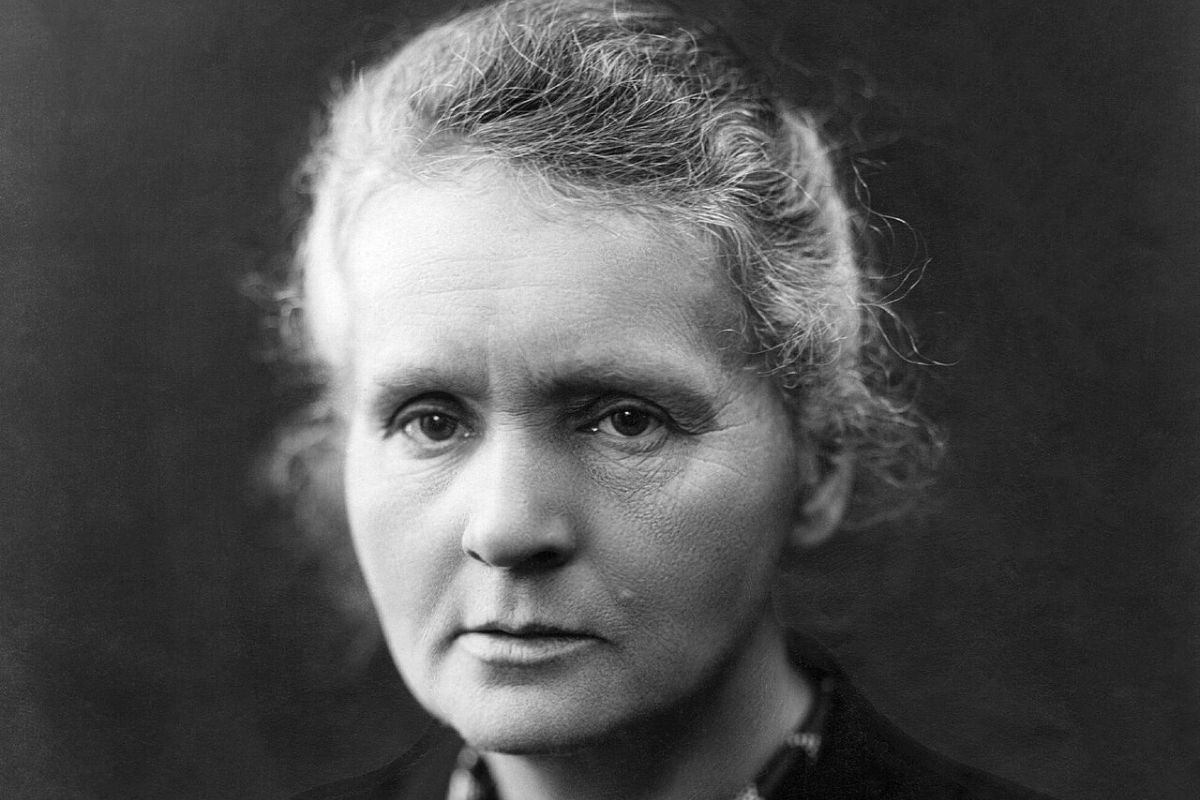
Marie Curie, also known as Madame Curie, is still one of the most influential scientists and the only person to win Nobel Prizes in two different sciences. Besides, she was the first woman ever to win a Nobel Prize. In 1903, she shared the Physics prize with her husband Pierre Curie and Henri Becquerel for their work on radiation.
Moreover, she popularized the word "radioactivity" and, in 1898, found two elements, polonium and radium. Eight years later, she won the Chemistry Prize for discovering these elements and isolating pure radium. It was Curie's work that laid the basis for cancer radiotherapy and nuclear physics. Scientists still use radioactive tracers today to track what happens inside living things and materials.
Albert Einstein: How Light Really Behaves (Physics, 1921)
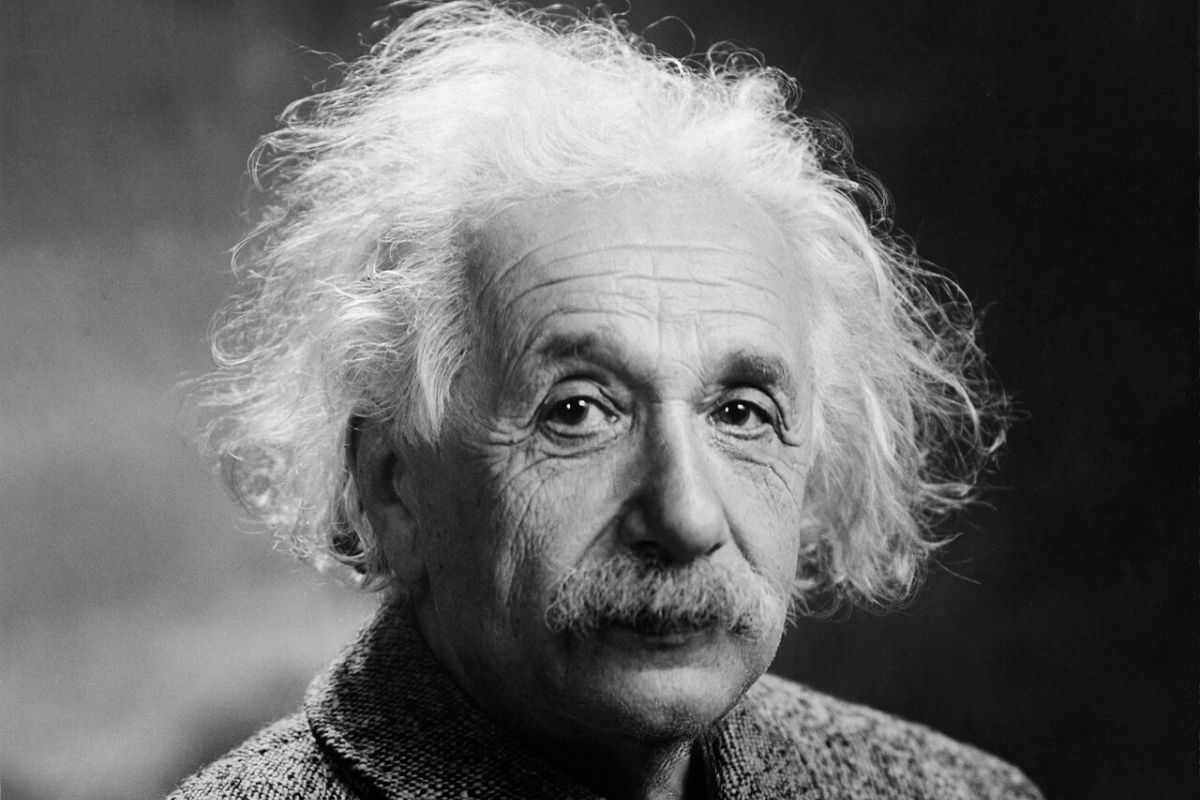
Some people think Albert Einstein may have gotten the Nobel Prize for "The Theory of Relativity", but it was something else. The committee honored his services to theoretical physics, especially his law of the photoelectric effect. In 1905, he explained why light can knock electrons out of a metal surface.
His answer was bold. He said light comes in small packets of energy, which we now call photons. His statement gave strong support to the new quantum theory; the same effect now sits behind solar panels, digital camera sensors, and many kinds of light detectors. For his discovery of the photoelectric effect, he received the 1921 Nobel Prize in Physics, which was awarded in 1922.
Niels Bohr: The Quantum Atom (Physics, 1922)
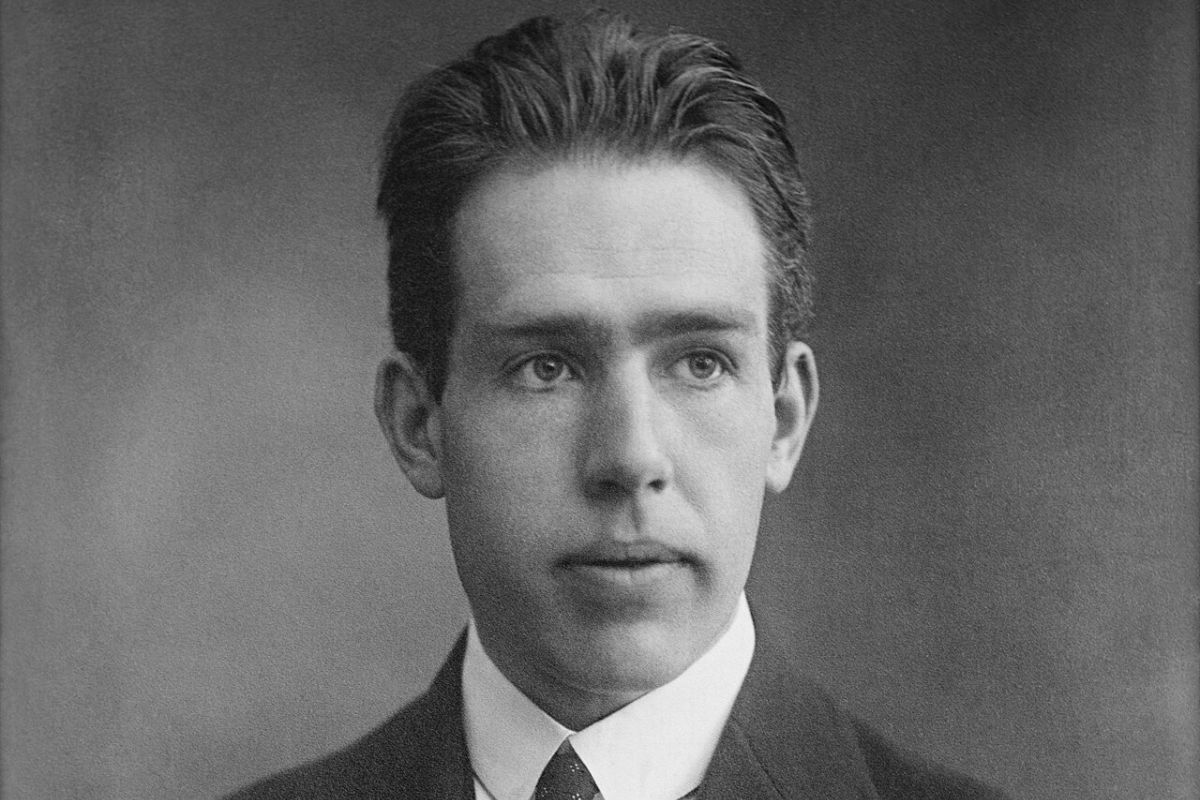
Niels Bohr is considered one of the most influential physicists of the 20th century for how he revolutionized our understanding of atomic structure and laid the foundational groundwork for quantum mechanics. He won for his work on the structure of atoms and the radiation they give off. Bohr's model said that the electrons sit at fixed energy levels around the nucleus. An electron can jump to another level only by taking in or giving out a specific amount of light.
Bohr's idea explained why each element gives off its own pattern of colors, something older physics could not do. Eventually, Bohr's model became a bridge between classical physics and quantum ideas. Niels Bohr work is responsible for what we study in modern chemistry, spectroscopy, and quantum mechanics. In 1922, Bohr was awarded the Nobel Prize for his contribution to Physics.
Werner Heisenberg: Uncertainty at the Heart of Nature (Physics, 1932)
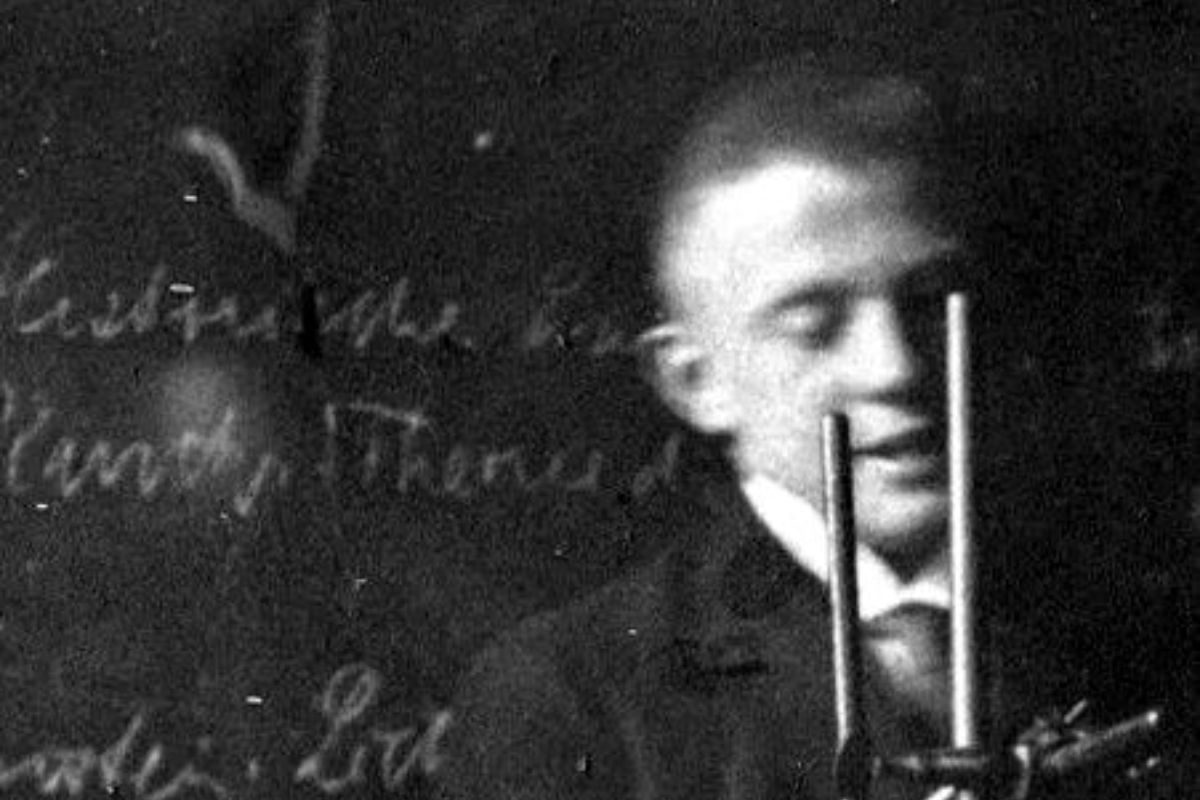
Every time I talk about uncertainty, Werner Heisenberg comes to mind. For his foundational role in quantum mechanics, he got the Nobel Prize in Physics in 1932. However, before that, he introduced the Uncertainty Principle in 1927, which says that some pairs of properties, such as a particle's position and its momentum, cannot both be known exactly at the same time.
His work demolished the old picture of tiny particles moving along neat, exact paths. It set a basic limit on what we can measure at the atomic scale. It was Heisenberg's work that became a core pillar of quantum theory, which now supports fields from particle physics to the chips inside our devices.
Alexander Fleming, Howard Florey, and Ernst Chain: The Antibiotic Age (Medicine, 1945)
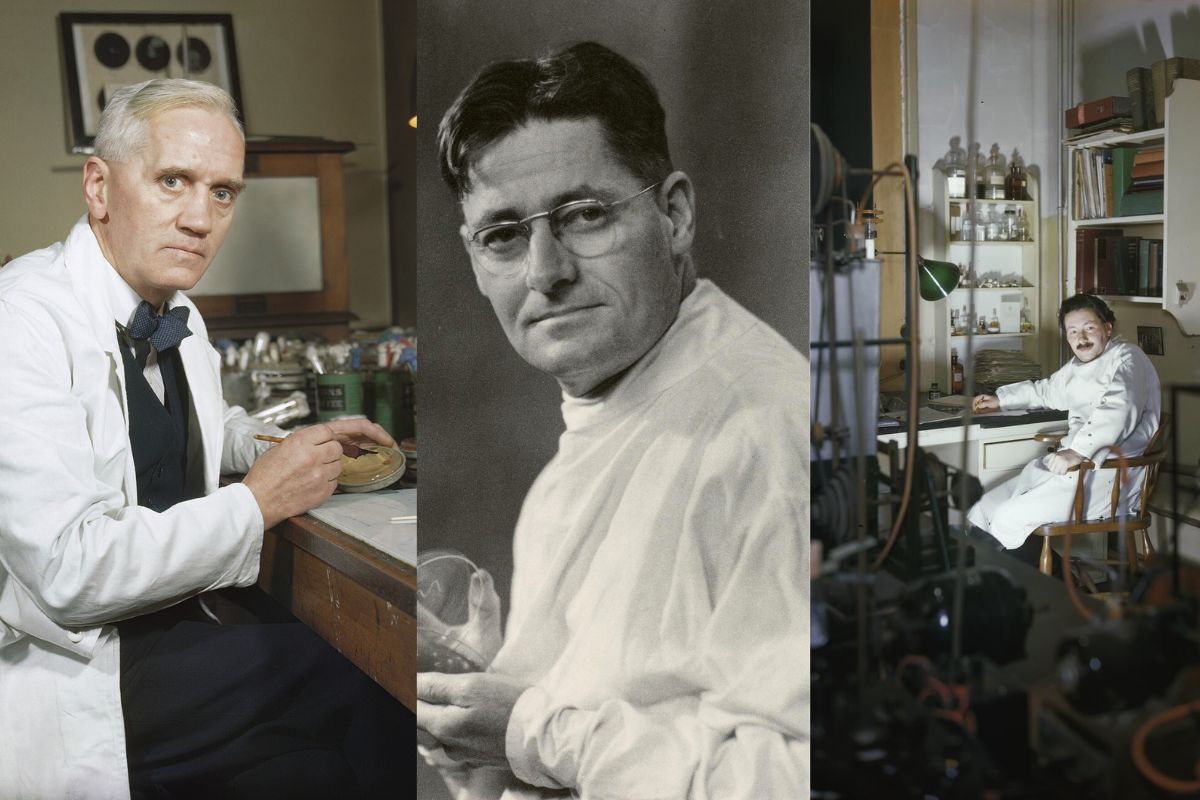
If antibiotics ever saved your life, thank Alexander Fleming, Howard Florey and Ernst Chain. Sir Alexander Fleming discovered penicillin in 1928. However, it was only a lab experiment until Florey, Chain, and their associates spent years turning it into a drug that could be made in large amounts. In 1945, Fleming, Florey and Chain shared the Nobel Prize for penicillin and its healing effect on infectious diseases.
Penicillin is what started the antibiotic era. People used to die from infections like pneumonia, sepsis, and infected wounds. However, antibiotics made them treatable. At this point, antibiotics are widely credited with saving many millions of lives, and also making modern surgery, cancer care, and hospital medicine far safer.
Also read || Can Skinny People Have Too Much Visceral Fat?
John Bardeen, Walter Brattain, and William Shockley: The Transistor (Physics, 1956)
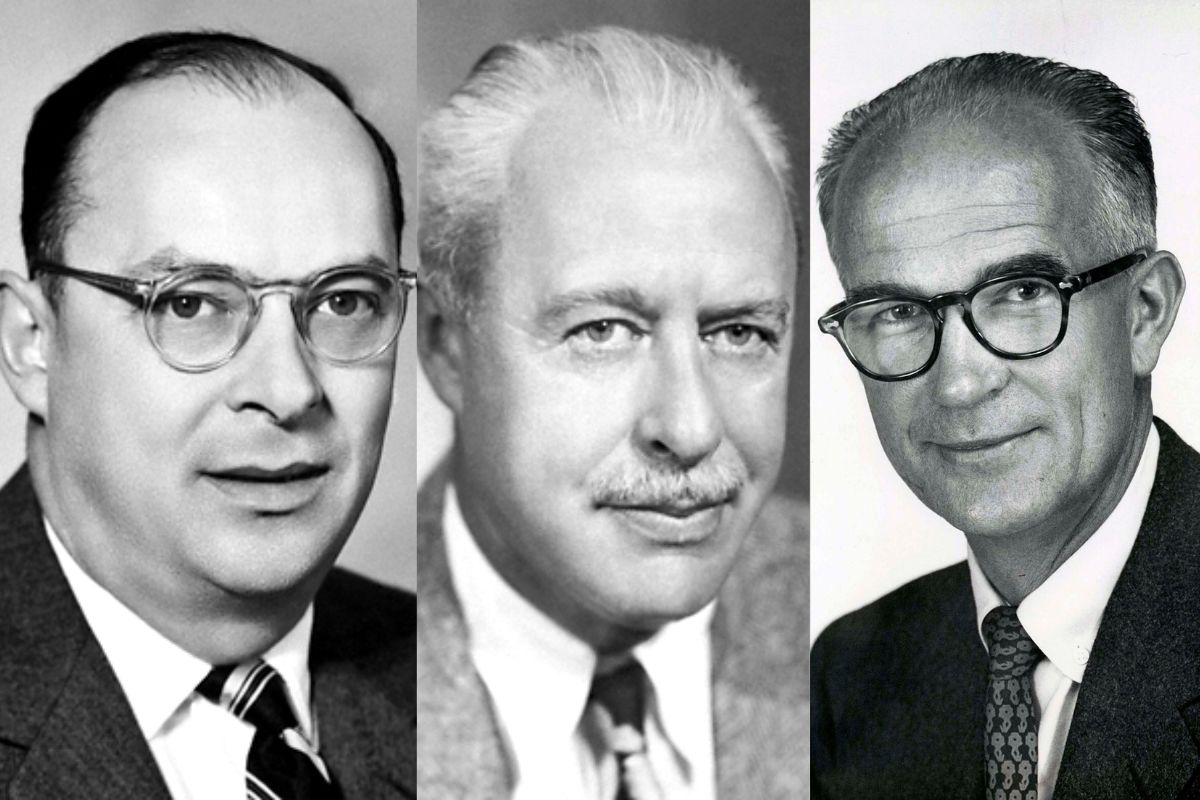
The Modern world would collapse if there were no semiconductors, and these three physicists, John Bardeen, Walter Brattain, and William Shockley, are somewhat responsible for it. In 1956, they won the Nobel Prize in Physics for their research on semiconductors and the discovery of the transistor effect. Bell Labs, which is known for laying the groundwork for modern electronics, telecommunications, and computing, played a critical role here as well.
Bardeen and Brattain in 1947 built the first working point-contact transistor. Soon after, William Shockley developed the more practical junction transistor. Before transistors, there were bulky and fragile vacuum tubes which were used to amplify and control electrical signals in radios and computers. Transistors were economical and reliable, which led to integrated circuits, and then to computers, smartphones, and the internet.
Francis Crick, James Watson, and Maurice Wilkins: The Shape of DNA (Medicine, 1962)
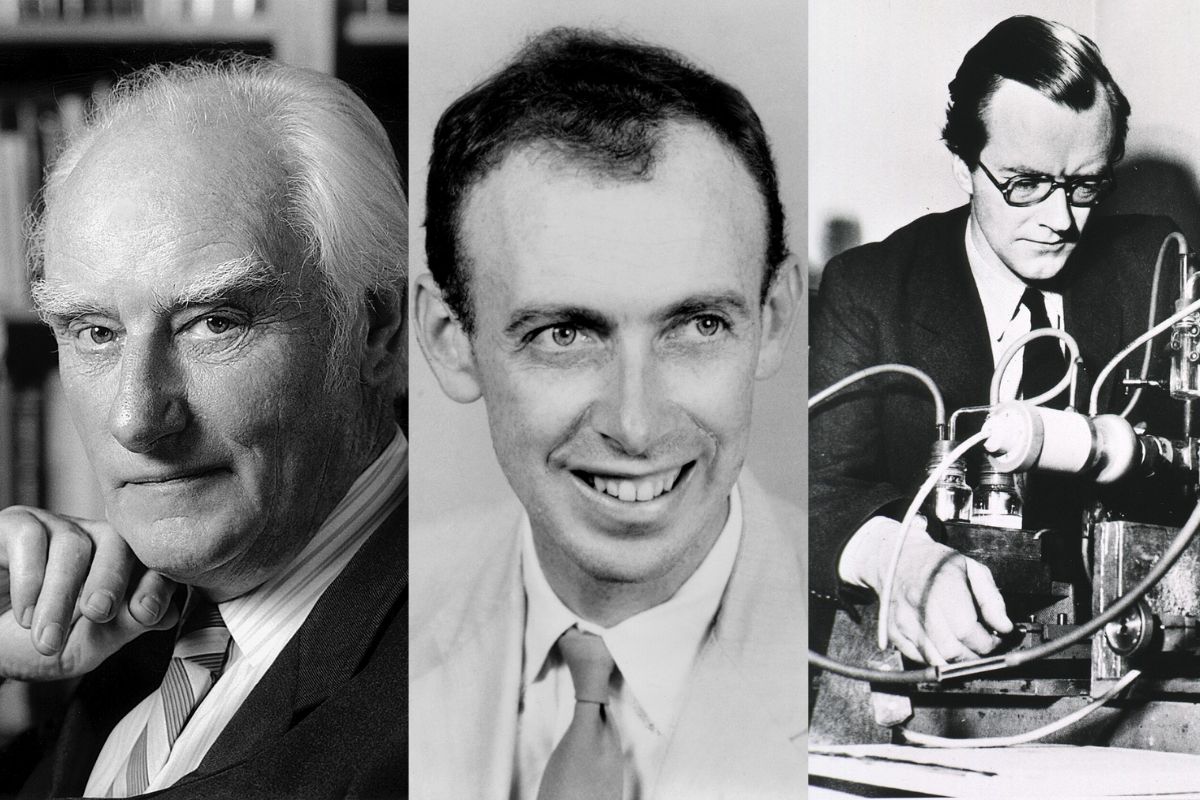
Ever wondered who discovered the double-helix structure of DNA? It was three scientists, Francis Crick, James Watson and Maurice Wilkins, who won the Nobel Prize in Medicine in 1962. Their model showed how genetic information is stored in the order of chemical building blocks called base pairs. The model also showed how DNA copies itself by unwinding and using each strand as a template.
The discovery of this structure in modern biology led to DNA sequencing, genetic engineering, forensic testing, and personalized Medicine. Rosalind Franklin's X-ray images were also vital to the breakthrough. Nevertheless, her death in 1958 made her ineligible for the Nobel Prize, so she was never honored with one.
Katalin Karikó and Drew Weissman: The mRNA Vaccine Breakthrough (Medicine, 2023)
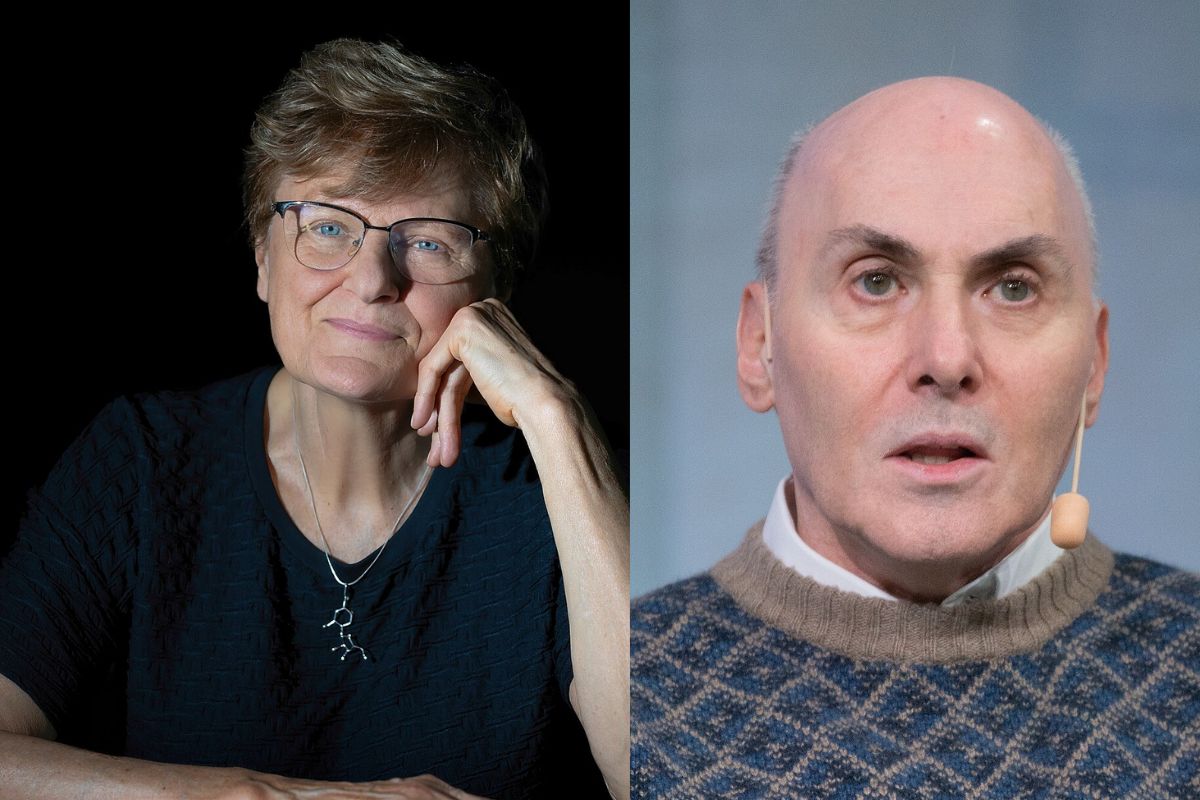
Katalin Karikó and Drew Weissman won the 2023 Nobel Prize in Medicine/ Physiology for their discoveries concerning nucleoside base modifications that made effective mRNA vaccines against COVID-19 possible. For years, mRNA medicines caused strong inflammation in the body, which made them hard to use.
In 2005, the pair showed that changing certain building blocks in mRNA could stop the immune alarm while helping cells make more of the target protein. This insight made safe and effective mRNA vaccines possible. It helped speed up vaccine development during the pandemic, and it is now guiding research into cancer vaccines and other RNA-based treatments.
Karl Deisseroth, Peter Hegemann, and Georg Nagel: Controlling Brain Cells with Light (Medicine, 2026)
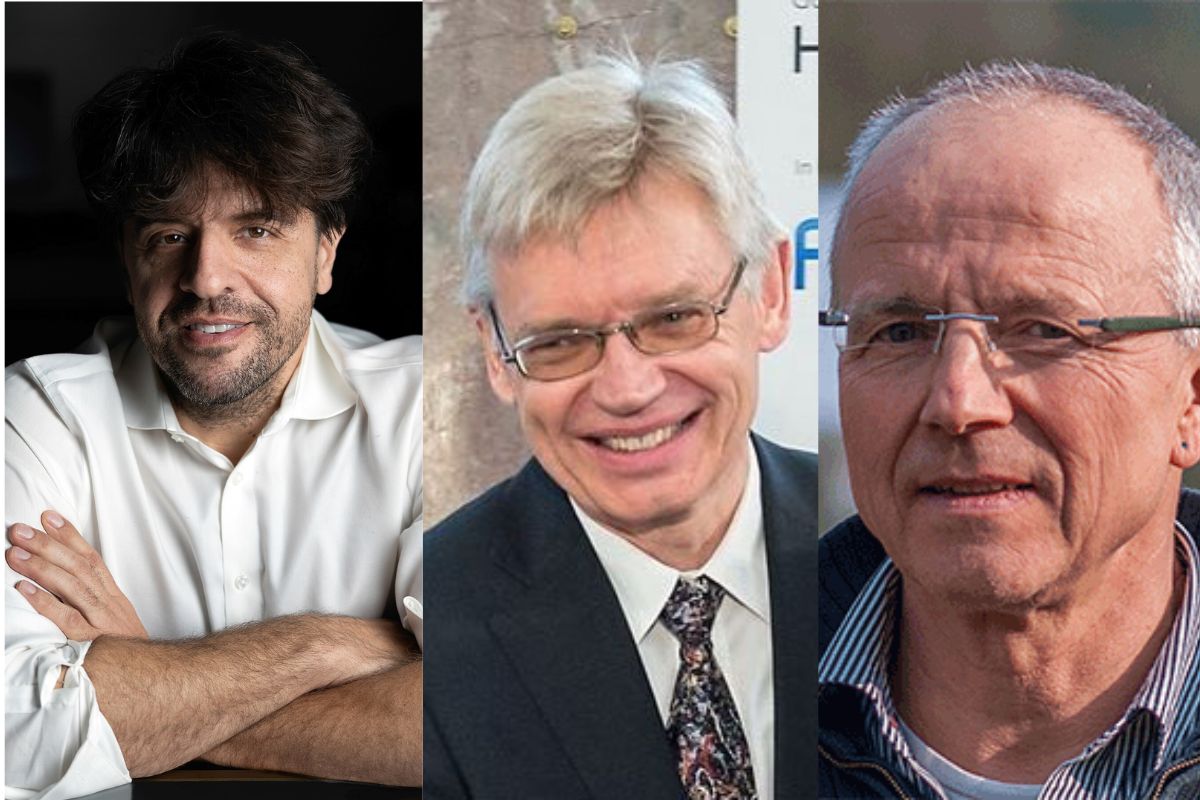
The newest winners on this list are Karl Deisseroth, Peter Hegemann, and Georg Nagel, who won the Nobel Prize in Physiology for discoveries about light-gated ion channels and optogenetics on October 5, 2026. In 2026, the prize money is 12 million Swedish kronor, which is equivalent to about $1.2 million.
Their work revolves around proteins that open or close in response to light. Nagel and Hagemann studied light-sensitive proteins from microbes. Later, Karl Deisseroth's lab used some tools to switch chosen nerve cells on and off. At this point, researchers use this method to link brain circuits to behavior and disease, including Parkinson's disease, depression and epilepsy. Nobel committee believes that this method is used in labs worldwide to reveal the brain's mysteries.
Also read || Why STEM Degrees Pay Off
What is common between all of them
Though all these Nobel laureates worked in different fields and in different centuries, each turned a basic insight into a tool that changed our perception of disease, matter, computing or life itself. Their stories explain that quiet lab discoveries can become everyday tech within a few decades.
For instance, Röntgen's glowing screen led to hospital scans, saving the lives of many people. Alternatively, a tiny switch at Bell Labs became the most crucial element of every modern gadget, whether it is your phone or your computer. Furthermore, the light-sensitive proteins will help one day treat the brain. So, you never know where the next big idea will come from.