David Hockney, who recently died at the age of 88, was an artist who loved technology and was always excited to try new tools. He often spoke about how inventions could change art. For example, he admired the invention of the metal paint tube in the 19th century because it allowed artists to paint outdoors more easily.
Throughout his career, Hockney used many modern technologies, including Polaroid cameras, photocopiers, fax machines, iPhones, iPads, and immersive digital displays. People who worked with him said he was always willing to experiment and find new ways to connect with audiences through art.
Also Read: Five Women Artists Whose Masterpieces Were Credited to Men
Polaroids
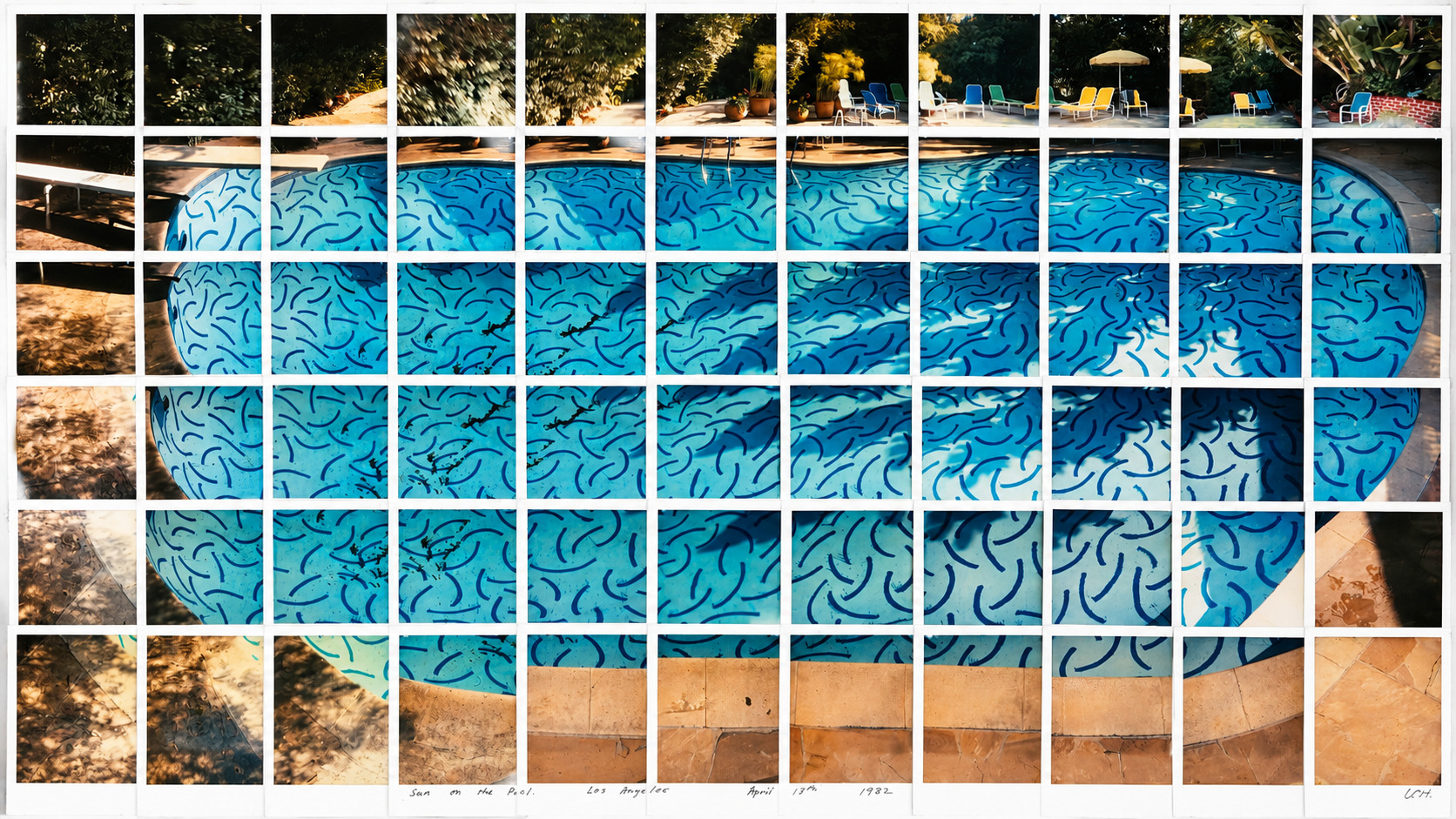
Hockney often said that photography felt less engaging than painting because photographs made him feel like an observer rather than a participant. However, his view changed in the early 1980s when he started using a Polaroid camera. Instead of taking one photograph, he captured many images of the same subject from different angles and combined them into large collages.
These works featured swimming pools, landscapes, and people he knew. By putting the photos together, he created images that challenged normal perspective and felt more realistic to him. Hockney called this technique "new cubism." The artworks were displayed in major galleries across the United States and Europe, and critics praised them for their originality and creativity.
Photocopiers and Fax Machines
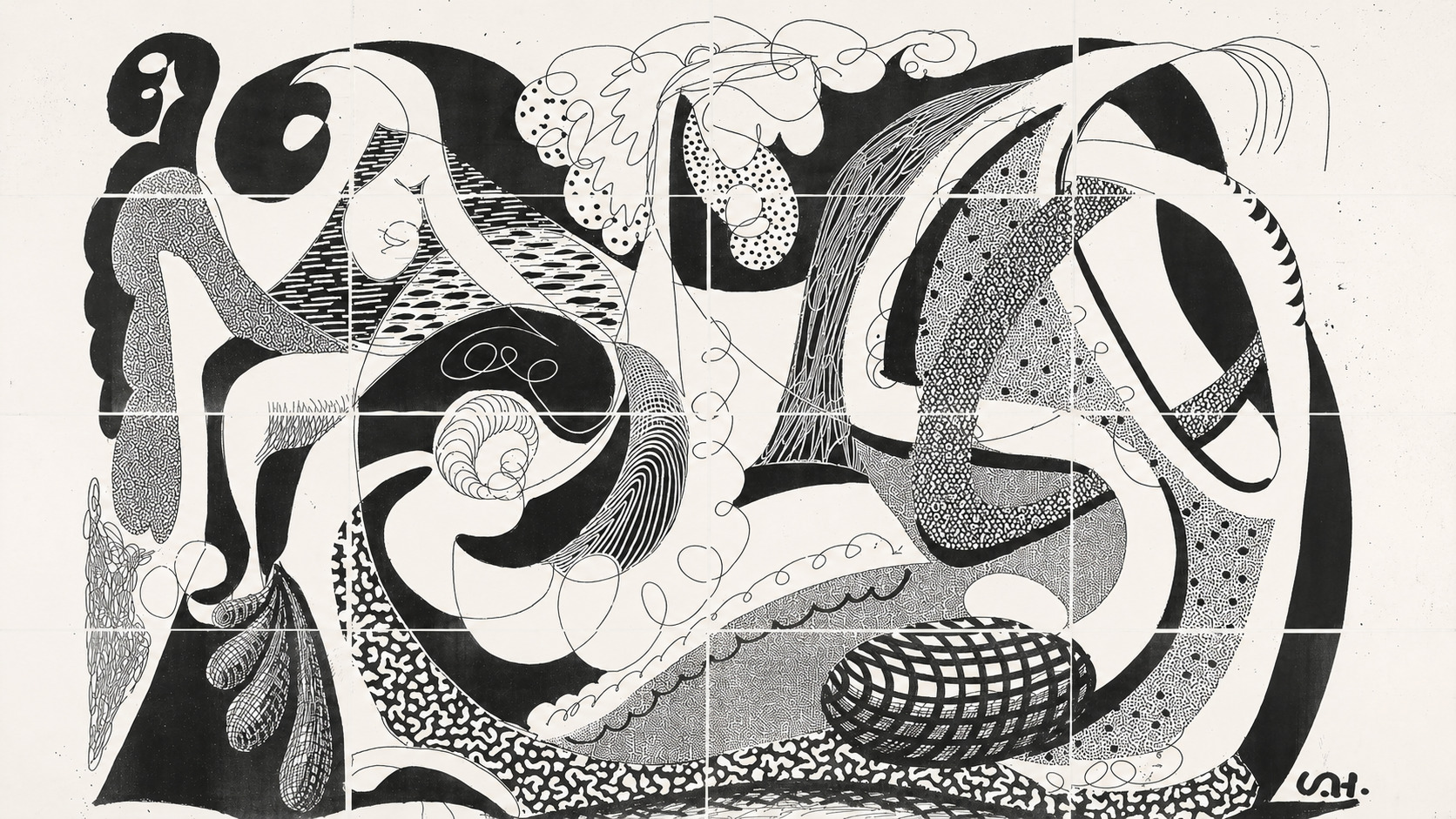
In 1986, Hockney discovered the artistic possibilities of photocopiers while experimenting with a friend's machine. He liked how he could quickly resize images, layer them, and make changes within seconds. He said using a photocopier felt similar to painting because it allowed him to create, review, and revise his work very quickly. A few years later, he began using fax machines to send drawings of landscapes, pets, and portraits to friends.
He saw faxing as a fun and inexpensive way to share his art. When an auction house later tried to sell some of these faxed artworks, Hockney objected. He argued that the faxes had been created to be given away freely, not sold for profit, and he even sent his complaint by fax. Art curator Jennifer Farrell later said these works challenged traditional ideas about originality and the value of art.
Also Read: How Photoshop Was Created Before Adobe Took Over
iPhones and iPads

After getting an iPhone in 2008, Hockney downloaded a drawing app called Brushes and started creating digital artworks. He used the app to paint sunrises, flowers, and other subjects, often sending the finished images directly to friends. He produced so many drawings that he filled up the phone's memory and had to buy a second iPhone so he could continue working. In 2010, he began creating art on an iPad, which gave him a larger digital canvas.
He made landscapes and portraits of well-known friends, many of which were later exhibited in museums. A major 2024 retrospective at the Louis Vuitton Foundation in Paris included a room displaying 220 iPad artworks from his series "Four Years in Normandy" (2019–23), showing how the French countryside changed through the seasons.
Immersive Digital Art
.jpg)
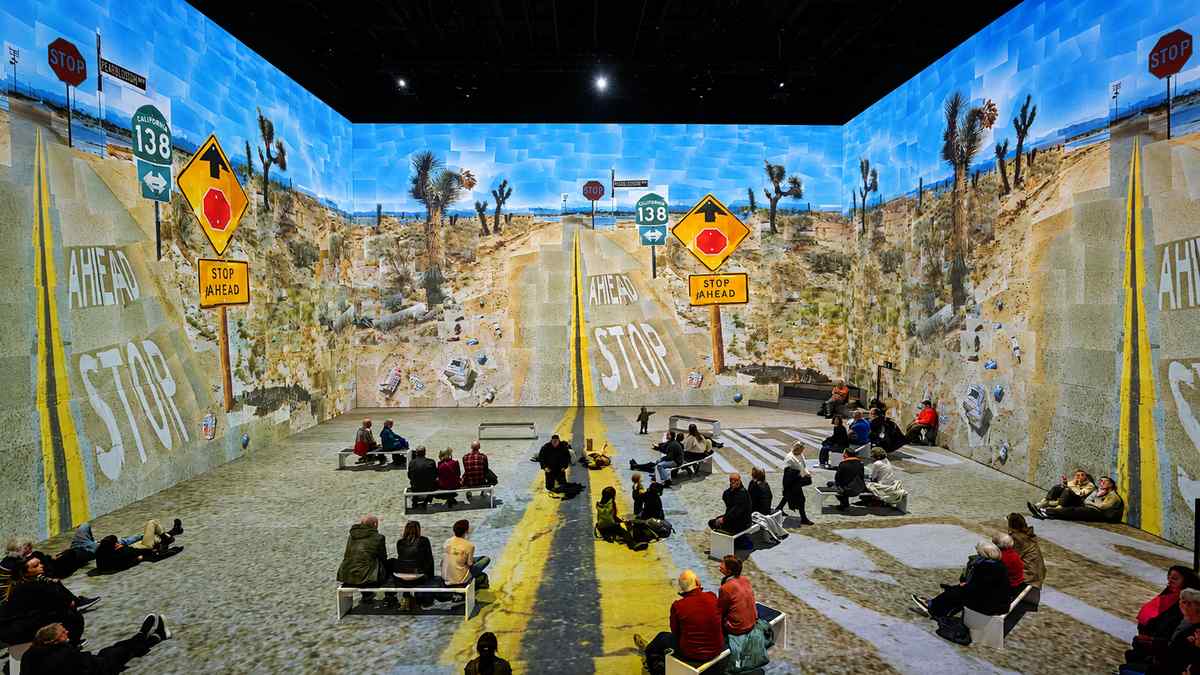
Hockney's interest in technology reached a new level with "Bigger & Closer (Not Smaller & Further Away)," an immersive exhibition that opened in 2023. In this show, his famous paintings were projected onto huge walls, surrounding visitors with images and colors. At some points, viewers could watch individual brushstrokes appear one by one until a complete painting emerged. Hockney believed this technology allowed him to achieve a goal he had pursued for years: fully immersing people in his artwork.
Instead of simply making larger paintings, he could now make viewers feel as if they were inside them. Although he embraced many new technologies, he was not interested in virtual reality. When collaborators suggested creating a VR version of the exhibition, he rejected the idea because he felt it isolated viewers from one another. He preferred experiences that people could enjoy together.
Also Read: Virtual Reality vs. Augmented Reality: What's the Difference?
A New Way to Share Art
For Hockney, technology was not just a tool for creating art. It was also a way to share art with more people. Whether he was using Polaroid cameras, photocopiers, fax machines, iPhones, iPads, or large digital projections, he consistently explored new methods of making and distributing artwork. His willingness to experiment with emerging technologies helped him remain innovative throughout his career and allowed him to find new ways of bringing people together through art.