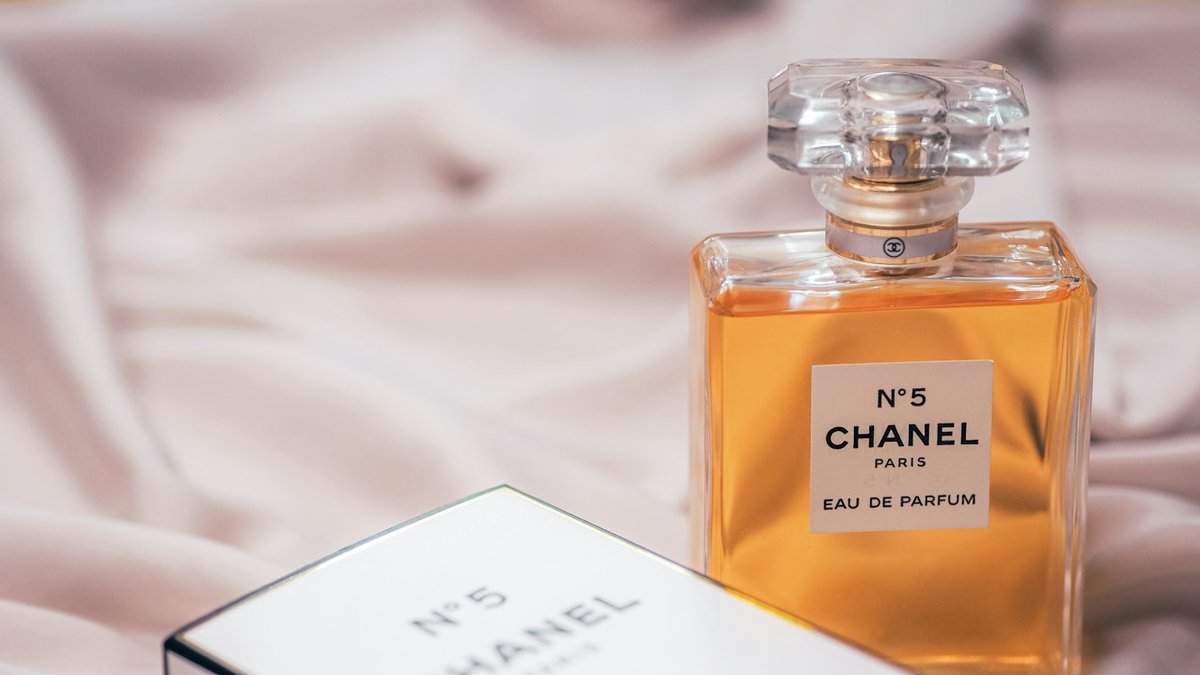
A tiny 30ml bottle of Chanel No. 5 Parfum commands hundreds of dollars at luxury boutiques across the world. Displayed on red carpets and held by global fashion icons, this golden liquid stands as an undisputed universal symbol of wealth, sophistication, and status.
Yet, this iconic fragrance exists because of a medieval French settlement whose street-level odor was so stomach-churning that visitors had to cover their faces to walk through town.
High-end fashion evokes images of pristine velvet, golden accents, and luxury runways. It rarely calls to mind rotting animal hides, stagnant urine, or open medieval sewage.
So how did an obscure, working-class tanners' community turn its worst environmental nightmare into the birthplace of modern perfumery?
The evolution from medieval pollution to global luxury is a story of economic survival, agricultural adaptation, scientific extraction, a legendary laboratory mishap, and cutthroat business maneuvering.
Why is Grasse France the Perfume Capital of the World?
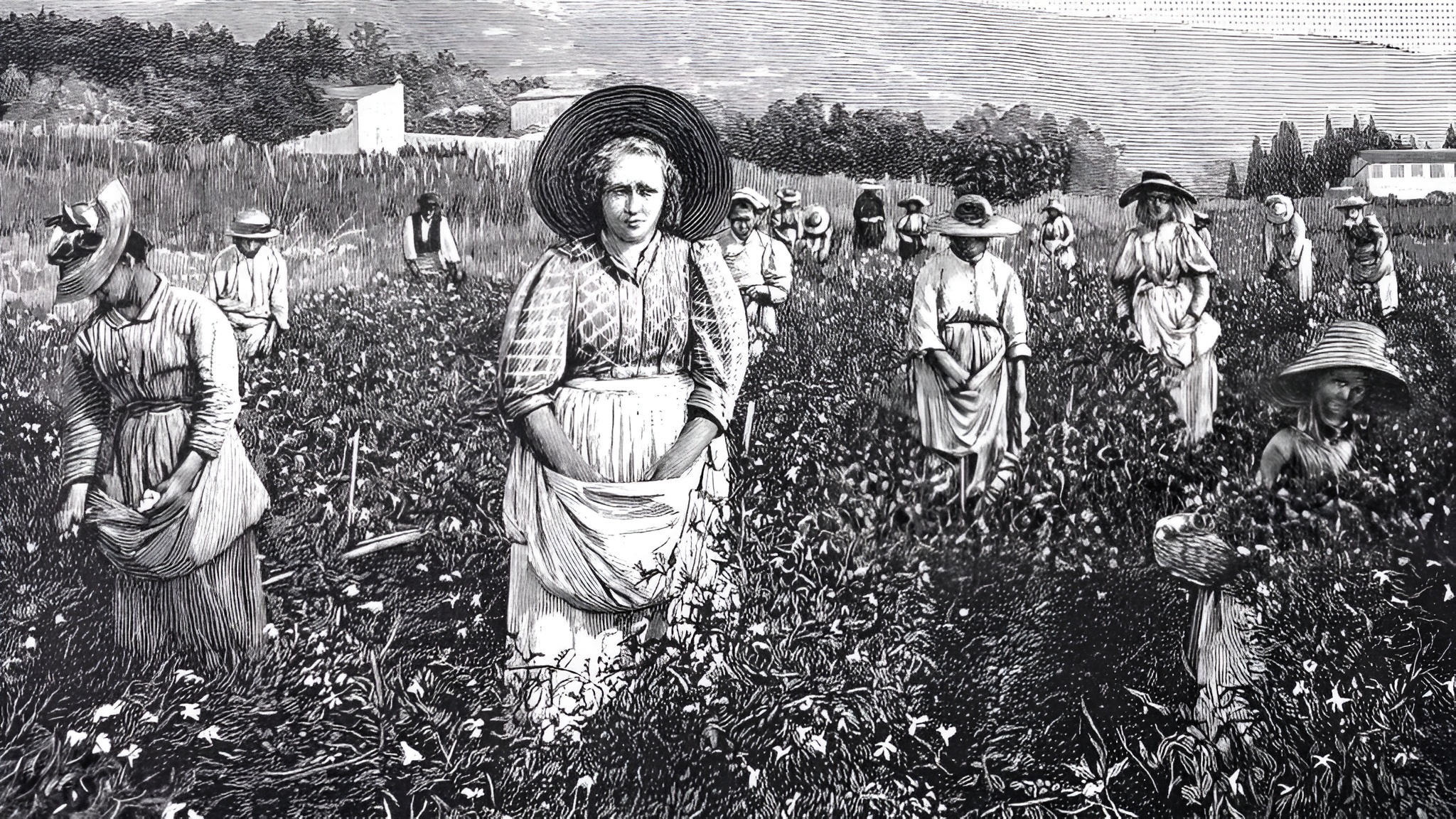
Visiting Grasse in the South of France today feels like stepping onto a luxury film set. Nestled in the sunny hills of the French Riviera, sheltered by the Maritime Alps and warmed by Mediterranean breezes, the town is encircled by vast fields of vibrant May roses (Rosa centifolia) and sweet jasmine (Jasminum grandiflorum).
This postcard landscape leads many to assume that France dominated the global perfume trade simply because medieval monarchs had an aesthetic passion for wild blossoms.
While that romantic narrative is popular, history tells a far grittier story. During the 12th century, Grasse was not known for flowers at all. Instead, it was Europe’s primary center for tanning animal leather.
Leather production in medieval Europe was a dirty, biohazardous industry. Crafting raw hides into soft boots, saddles, and armor required three unpleasant steps:
Scraping and Cleaning: Workers manually scraped away remaining flesh, fat, and decay from raw hides.
Soaking for Weeks: Hides were submerged for weeks in massive open-air tubs to break down rigid animal fibers.
The Organic Chemical Bath: Lacking modern industrial solvents, tanners filled these soaking tubs with a foul mixture of animal waste, stagnant urine, and decaying organic nitrogen.
While the natural ammonia in this waste successfully softened the leather, the fumes were unbearable. A heavy cloud of stench blanketed the valley day and night, making Grasse smell constantly like rotting carcasses and open sewers.
Also Read: Seattle's SR 520 Floating Bridge: The Engineering Behind It
From Leather Tanning to Flower Fields: The History of Grasse
By the 1500s, master tanners in Grasse had elevated their trade to create fine leather gloves for European royalty. However, as their clientele became more aristocratic, an awkward problem arose; every time a noble raised a hand to wave or wipe their brow, they caught a strong whiff of cured hide and stale urine.
To preserve their high-society market, the tanners developed a clever workaround, they started to harvest wild lavender, myrtle, and flowers from the surrounding hills to scent the finished leather. These parfumés (scented gloves) became an instant fashion craze across European courts, most notably popularized by Queen Catherine de' Medici in France.
In the late 1700s, a crisis struck. The French government introduced heavy taxes on leather production and imported hides. Almost overnight, profit margins vanished and the local leather industry collapsed.
Facing financial ruin, the town made a complete economic pivot by abandoning leatherworking entirely and dedicated 100% of their land and workforce to growing flowers for fragrance oils.
This shift unlocked Grasse’s primary natural asset, a unique microclimate. Protected from cold northern winds by the Alps and fed by moist sea air, the region provided the ideal temperature, humidity, and soil nutrients to cultivate delicate flora that struggled to survive elsewhere in Europe.
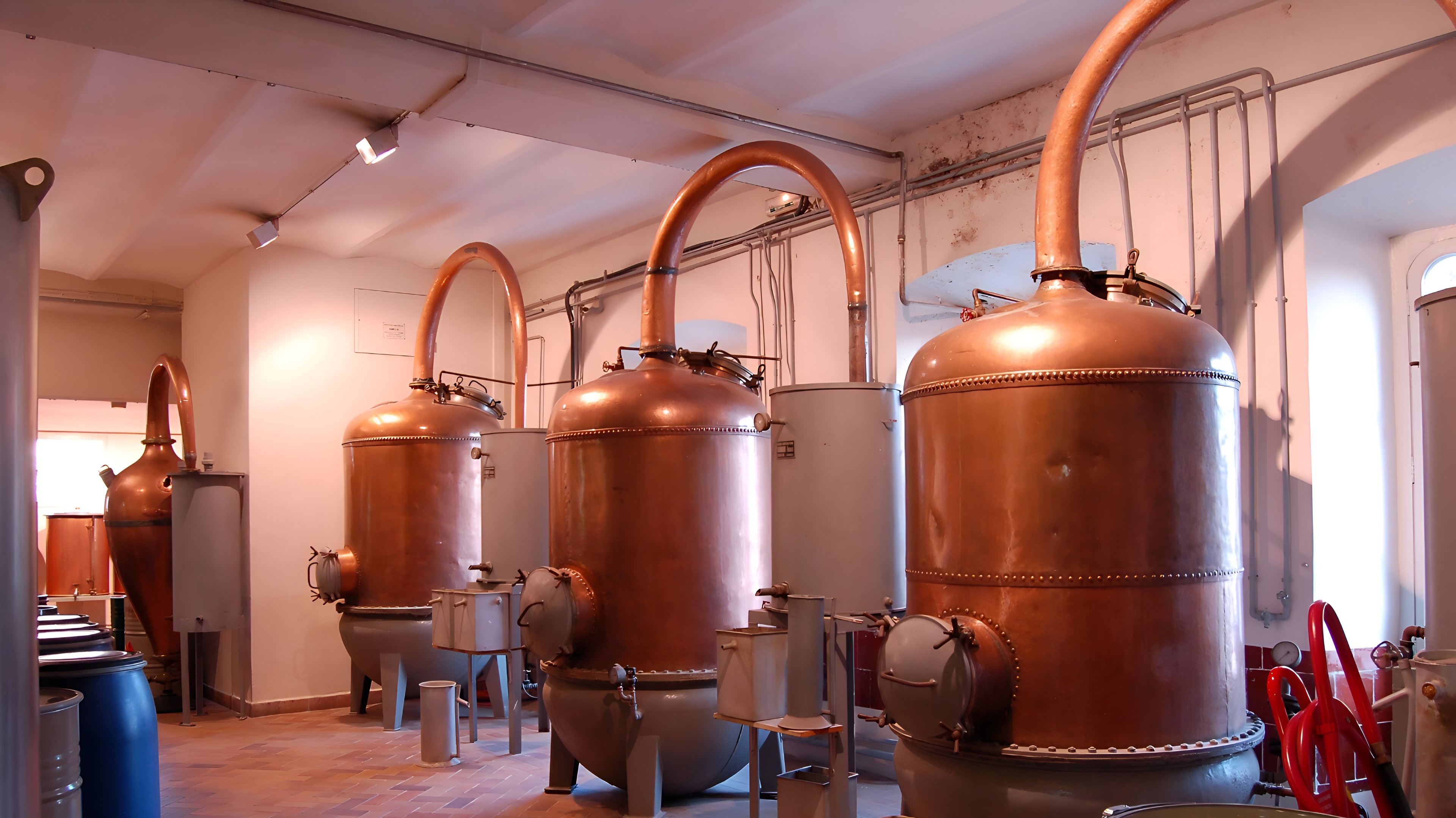
Growing blossoms was only the first hurdle. Extracting fragile aromatic compounds without ruining their natural scent required specialized processing methods:
| Extraction Method | Ideal Plant Types | Process & Chemical Principles |
| Steam Distillation | Sturdier flora (e.g., May Roses, Lavender, Rosemary) | In a method perfected by Al-Kindi and Avicenna, boiled plant matter releases vapor that condensed into essential oil and floral water. |
| Cold Enfleurage | Delicate, heat-sensitive blossoms (e.g., Jasmine, Tuberose) | Developed by Grasse artisans, this cold method allows the fragile petals to infuse fat-coated frames before an alcohol wash extracts pure concentrate. |
By the early 20th century, these labor-intensive techniques had made Grasse the undisputed fragrance capital of the world, a historical mastery officially recognized when UNESCO placed Grasse's perfumery skills on its Intangible Cultural Heritage list.
How Was Chanel No. 5 Created?
In 1921, fashion designer Coco Chanel sought to launch a revolutionary new fragrance. She wanted a clean, structured scent that felt modern and liberated, standing in sharp contrast to the overly sweet, simple single-flower perfumes worn by previous generations.
To craft this formula, she needed an extraordinary perfumer. Through Russian royalty's exile in France after the 1917 Revolution, Coco met Ernest Beaux, the former head perfumer at A. Rallet & Co., the official fragrance house to the Russian Imperial Romanov Court.
Beaux set to work in his laboratory near Grasse, using the region's prized May rose and jasmine alongside revolutionary synthetic compounds called aldehydes; synthetic compounds that gave Chanel No. 5 its signature sparkling, ultra-fresh scent. He presented Chanel with numbered sample vials, and she selected the fifth, a bold, complex masterpiece that became Chanel No. 5.
Also Read: Why Toyotas Never Die: The Engineering Secret To 500,000 Mile Reliability
Why Chanel No. 5 Remains the Most Famous Perfume in History
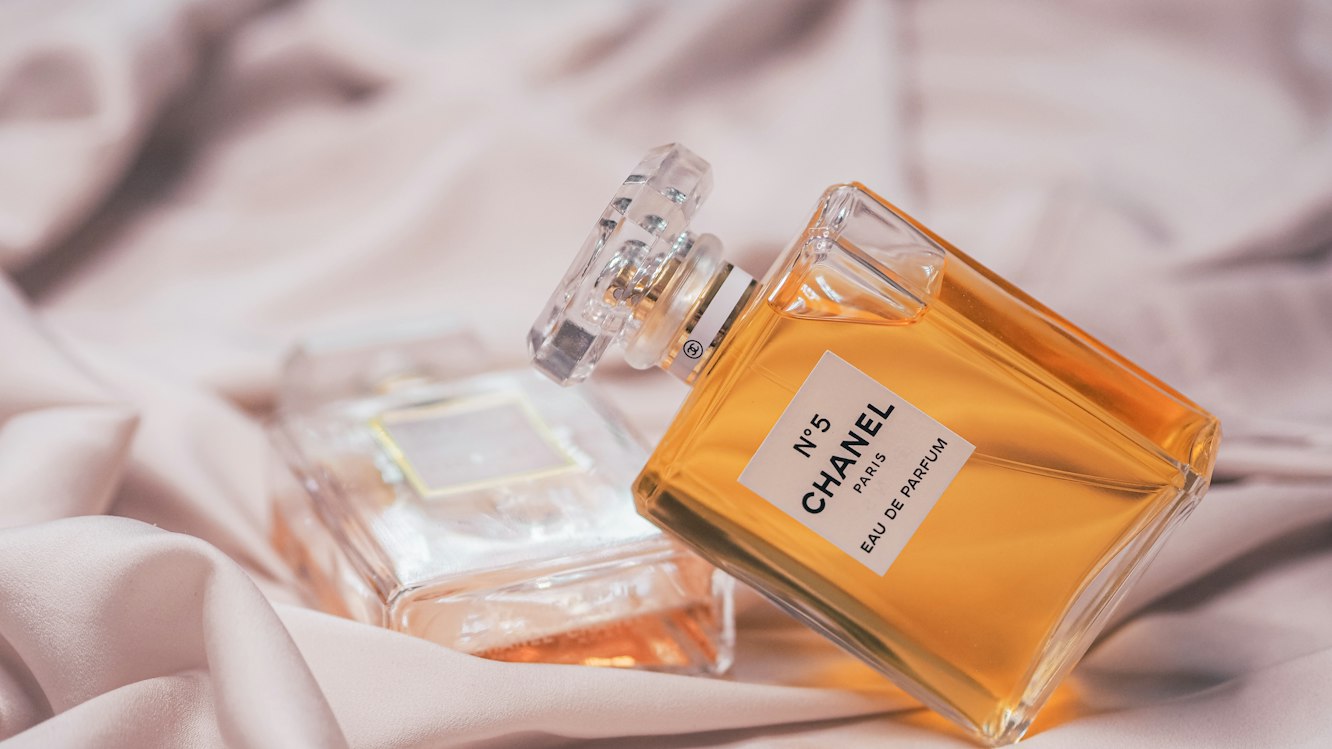
In 1952, Chanel No. 5 crossed from luxury fashion into global pop-culture immortality. When asked in a magazine interview what she wore to bed, Hollywood star Marilyn Monroe famously replied: "Why, Chanel No. 5, of course!"
That single quote triggered an unprecedented surge in international demand, transforming the fragrance into a permanent cultural icon.
More than a century after its inception, Chanel still sources its key floral ingredients from the same family-owned fields in Grasse (including the historic Joseph Mul estate).
The agricultural precision required remains incredible as crafting a single 30ml bottle of pure Chanel No. 5 Parfum extract requires approximately 1,000 hand-harvested Grandiflorum Jasmine blossoms and 12 May Roses, all picked by hand at dawn before the morning sun can evaporate their essential oils.
The world's most recognizable luxury scent was not built on glamour alone. It was born out of a medieval town's attempt to mask foul industrial waste, saved by smart economic pivots, perfected through botanical extraction, boosted by a fortunate laboratory error, and scaled through a clear business vision.