You are walking down the grocery aisle, looking for fresh, healthy ingredients for dinner. You pick up a bottle of extra virgin olive oil and a jar of raw honey. Both feature bold, reassuring labels that read "100% Pure."
You put them into your cart, pay a premium price, and drive home feeling like a responsible, health-conscious shopper.
But in reality, you might have just paid those extra bucks from your pocket for a cheap quality product.
Food fraud is the sneaky practice of watering down, mislabeling, or swapping real ingredients for cheap substitutes, and it is reported to be a massive global business.
Experts estimate that food counterfeiting pulls in $40 billion to $50 billion every single year. Many dishonest suppliers take expensive ingredients and mix them with cheap, synthetic alternatives to stretch their supply and fill their pockets with profit. As these substitutes are chemically designed to smell, look, and taste like the real one, most of us eat them without ever realizing it.
The good news? Once you know how the game is played, you can easily spot the fakes and protect both your health and your wallet.
How Food Counterfeiting Actually Works
When you hear the word "fake food," they often think of rotten or expired ingredients. But modern food fraud is much cleverer than that. Scammers make deliberate use of artificial flavorings, food dyes, and chemical thickeners so you cannot really differentiate between the two.
In the food industry, fraud generally happens in three main ways:
-
Adulteration: It means diluting a high-value product with a cheap filler. In easy words, it is like watering down a drink, such as mixing real, raw honey with cheap corn syrup.
-
Mislabeling: This method is applied by almost every manufacturer nowadays. It involves putting a fancy, expensive label on a low-grade product to make it look like an authentic one.
-
Substitution: As the name suggests, it implies completely replacing a real ingredient with a cheap or fake alternative. Usually, it happens when manufacturers mix chalk, starch, or wood dust into powdered spices to bulk up the weight.
Which Are The Grocery Staples That Are Frequently Faked
While almost any processed item can be tampered with, scammers mostly focus on expensive pantry items. Let’s unveil those five most commonly faked foods sitting on supermarket shelves right now.
Olive Oil
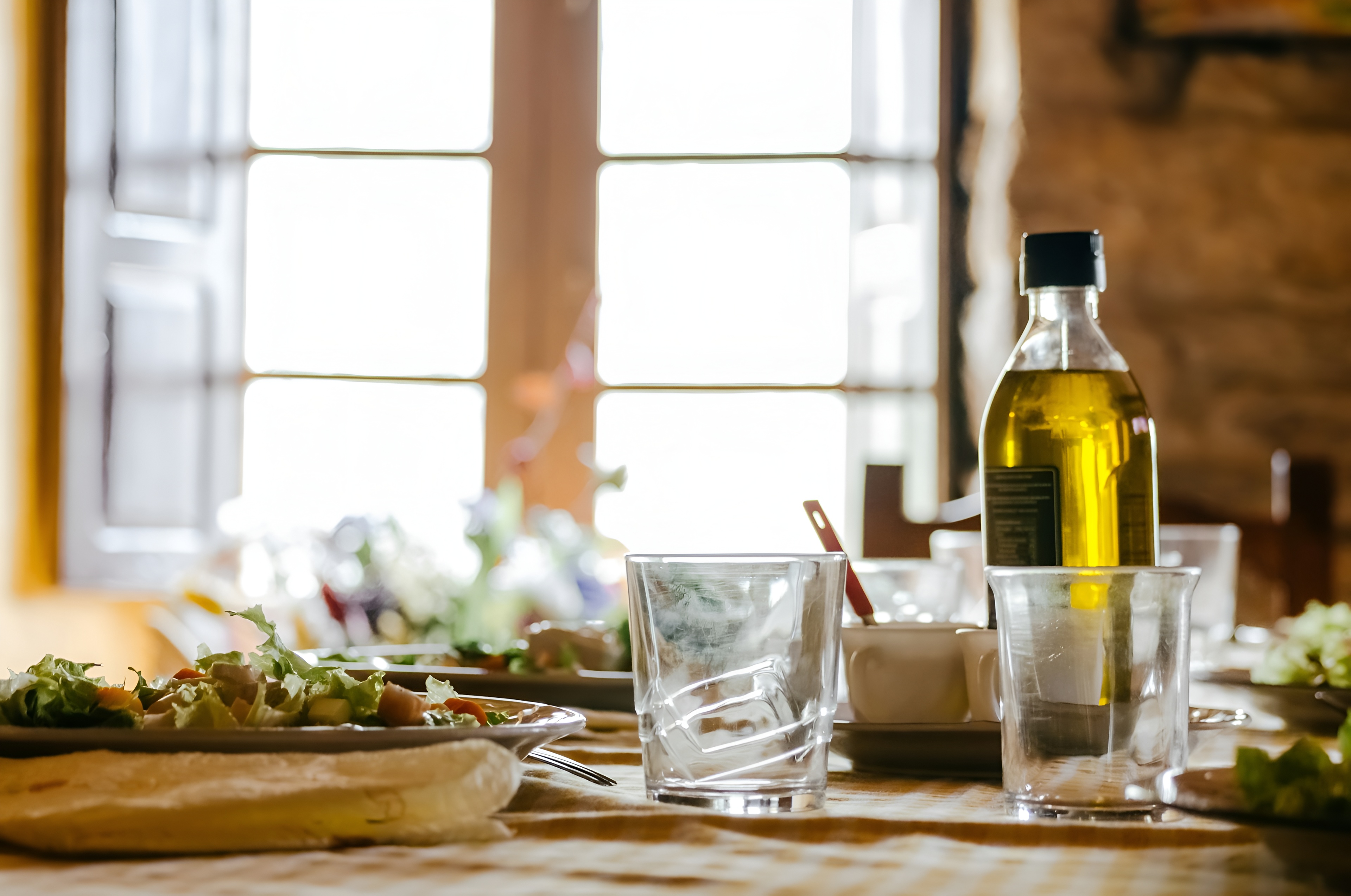
Real extra virgin olive oil (EVOO) is celebrated for its heart-healthy fats, rich aroma, and peppery finish. But consumer protection testing reveals an eye-opening stat: up to 70% to 80% of imported bottles labeled "Extra Virgin" are actually fake or diluted.
How It Gets Faked
Producers mix a tiny splash of real olive oil with cheap, refined seed oils like soybean, canola, or sunflower oil. To give the diluted mix that rich, dark-green color you expect from early-harvest olives, they masterfully add industrial chlorophyll or beta-carotene dyes.
How To Spot The Real Thing
-
Look for specific seals: Real EVOO usually carries official quality certifications like PDO (Protected Designation of Origin), PGI (Protected Geographical Indication), or a regional seal like the California Olive Oil Council mark.
-
Check the harvest date: Honest brands always print the exact harvest date on the bottle, not just an expiration date. You want to use olive oil within 12 to 18 months of when the olives were picked.
-
Trust your taste buds: Genuine extra virgin olive oil smells fresh and grassy, tastes slightly bitter, and leaves a noticeable peppery tickle at the back of your throat. If it tastes greasy, bland, or like plain cooking oil, it is likely diluted.
Honey
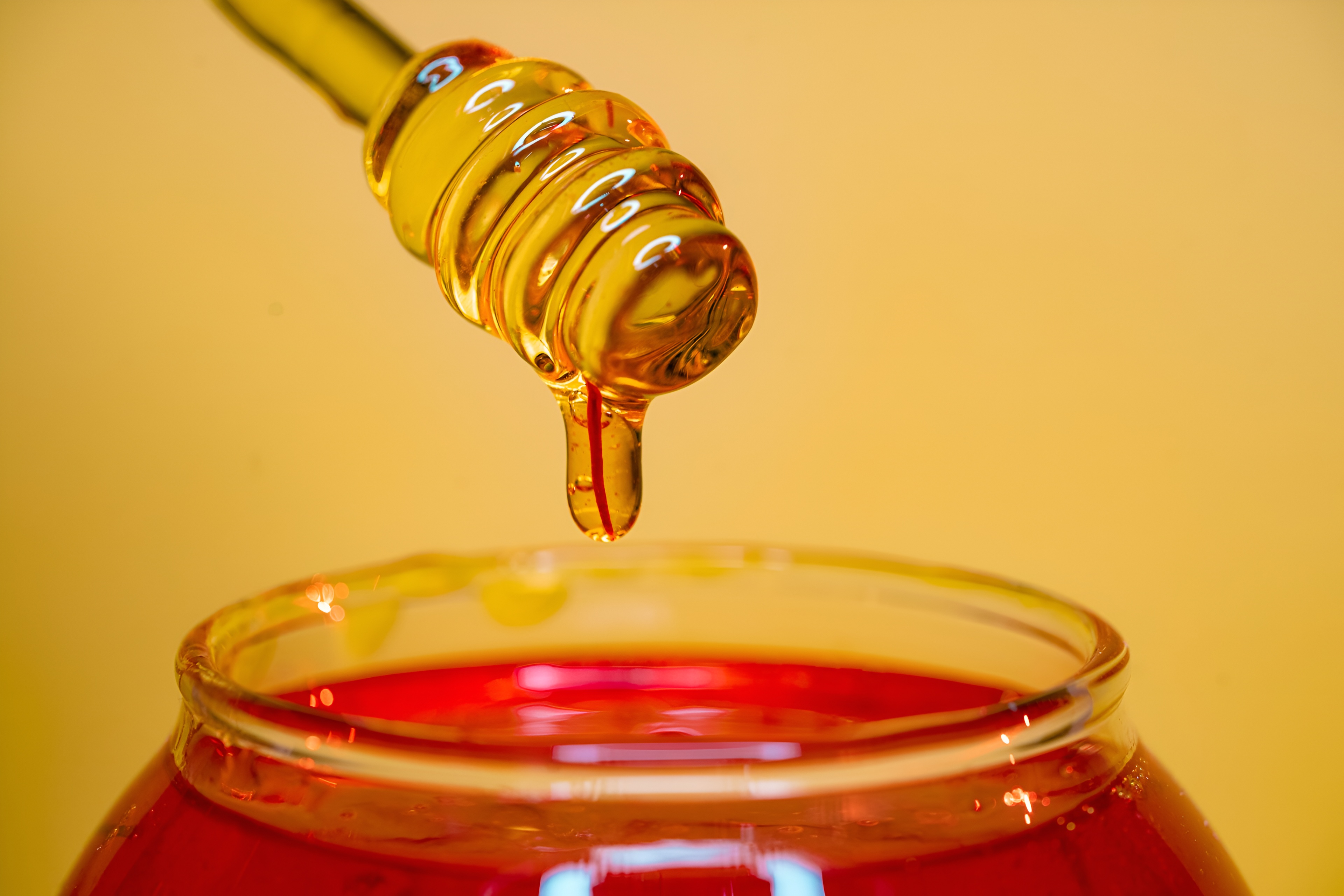
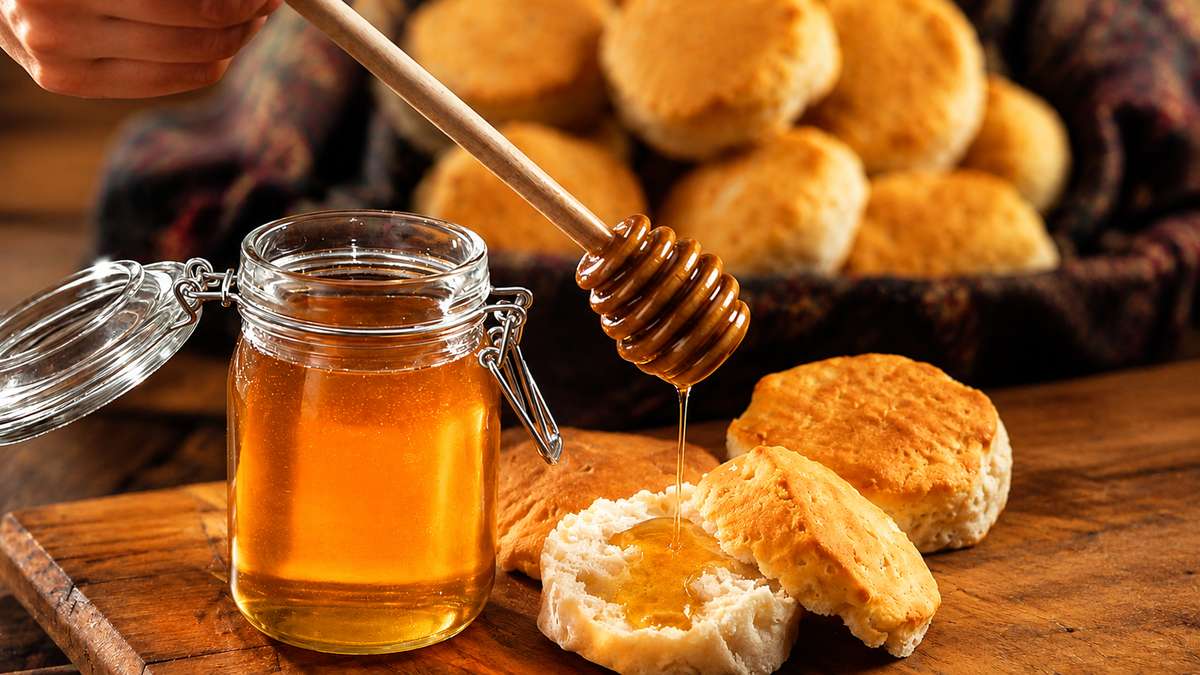
Pure raw honey is amazing stuff. It is packed with natural antioxidants, antibacterial properties, and literally never spoils. Unfortunately, that high price tag makes honey the third most counterfeited food product on Earth.
How It Gets Faked
Suppliers run real honey through a process called "ultra-filtration" to strip away all natural pollen grains; this is done because without pollen, testing labs cannot trace where the honey came from. Once the pollen is gone, they dilute the liquid with cheap, clear sugar syrups made from corn, rice, or sugar beets.
How To Spot The Real Thing
-
The Thumb Test: You can put a small drop of honey on your thumb. Remember that a pure honey will always stay intact as a thick, rounded bead because of its density and low water content. On the other hand, fake, watered-down honey immediately spreads out and runs off your finger.
-
The Water Test: You can perform this test by dropping a spoon of honey into a glass of room-temperature water. Real honey sinks straight to the bottom and sits there in a solid clump until you stir it. Fake honey begins dissolving into the water almost instantly.
-
Look for crystallization: Over time, pure raw honey naturally turns solid, thick, and grainy in cool weather. If a jar sits in your pantry for months during winter and stays crystal-clear and runny, it is likely laced with corn syrup.
Also Read: How To Outsmart The Fast Fashion Algorithm
Ground Coffee
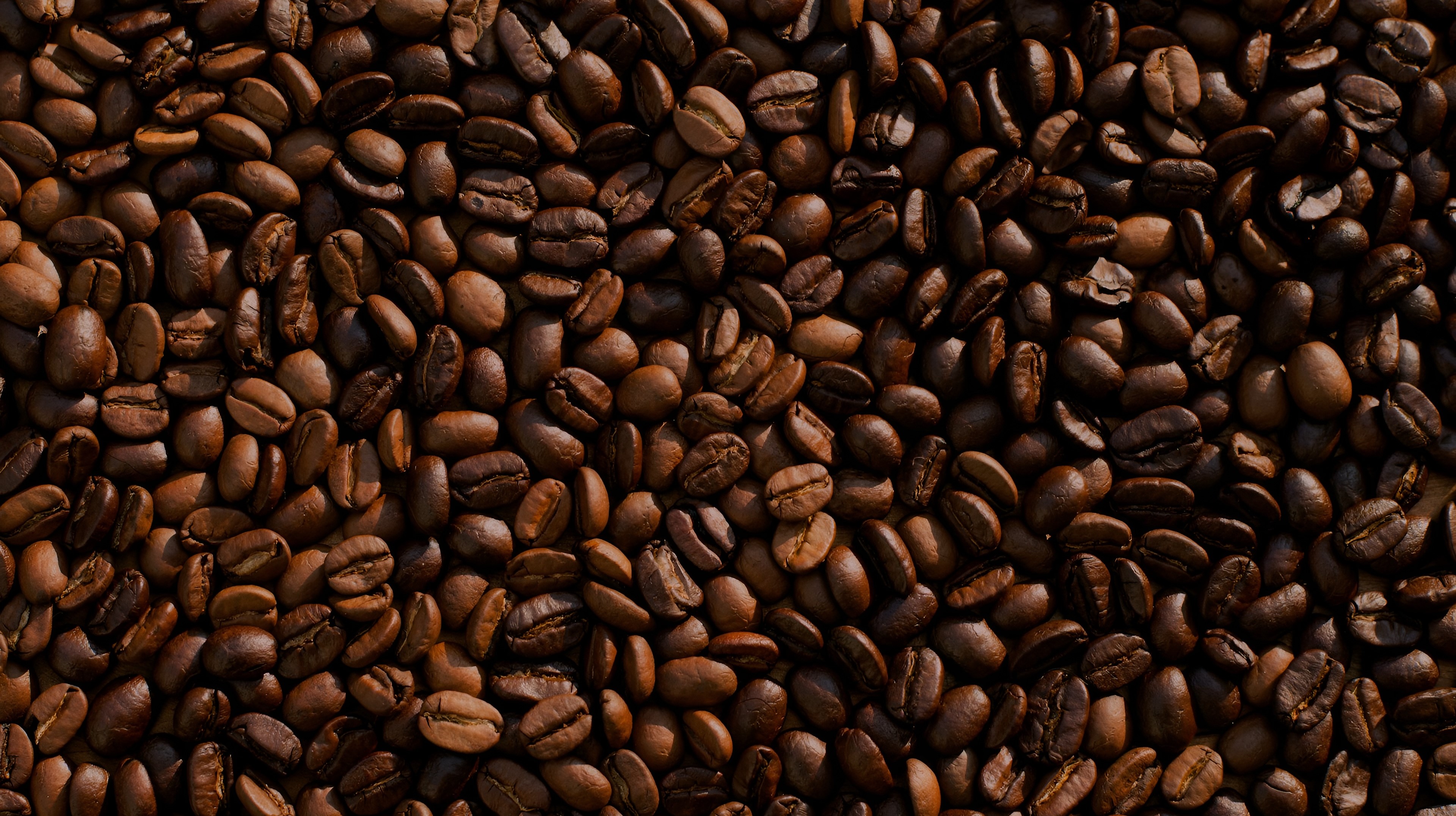
We all love the convenience of pre-ground coffee in the morning, but buying your beans pre-ground opens the door wide to supply chain tricks.
How It Gets Faked
Once coffee beans are roasted and ground down into fine granules, it becomes surprisingly easy to hide cheap fillers in the bag. Dishonest suppliers regularly mix in ground chicory, roasted corn, barley, husk residues, and soybean meal to increase bag weight on the cheap.
How To Spot The Real Thing
-
Buy whole beans: The easiest, most effective way to beat coffee fraud is buying whole coffee beans and grinding them at home or in the store.
-
The Water Float Test: Sprinkle a spoonful of pre-ground coffee over a glass of cold water. Pure coffee grounds float on top for a long time because of their natural oils. Fillers like corn, chicory, or cereal grains absorb water instantly, sink to the bottom within seconds, and leave dark streaks in the water.
Powdered Spices
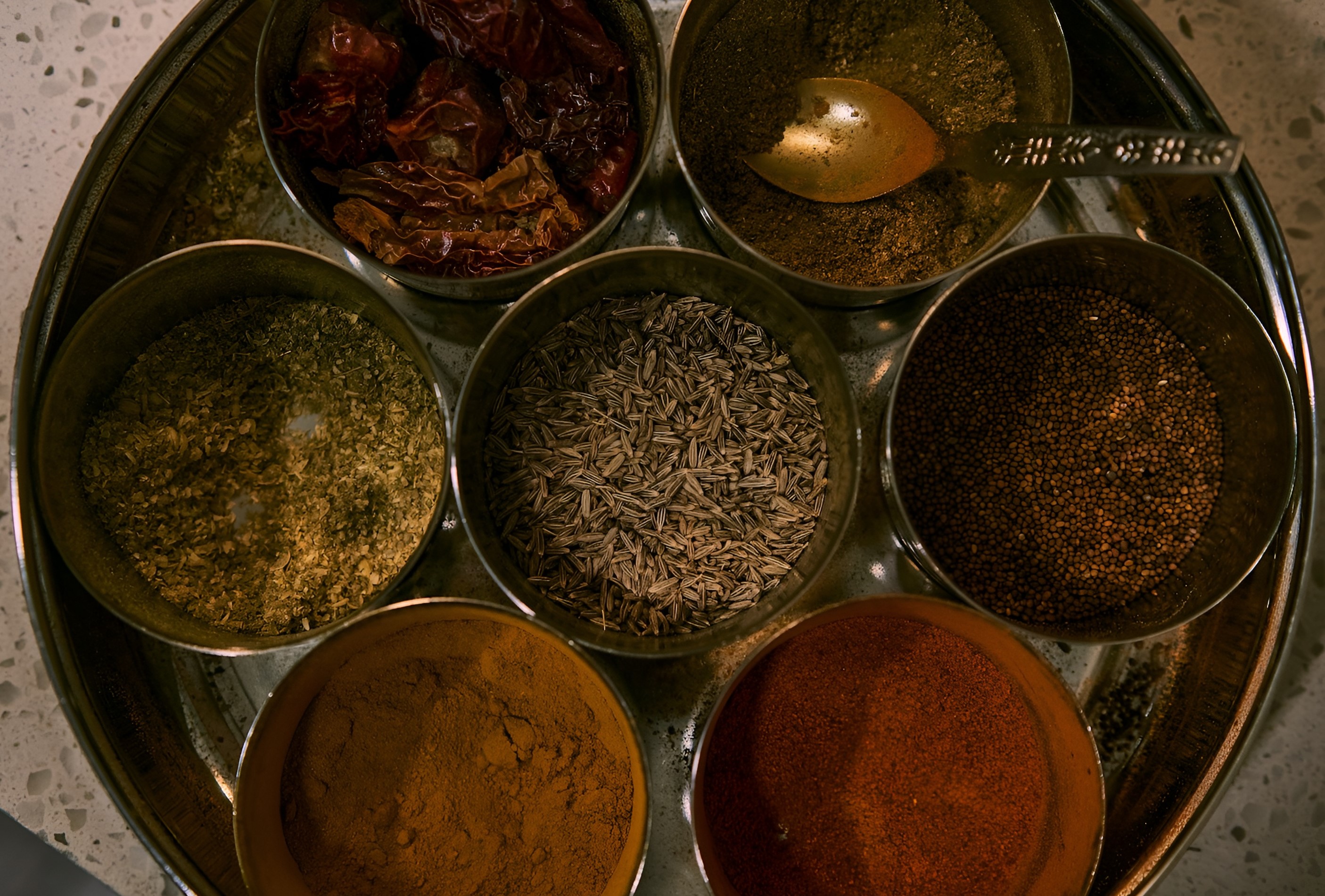
Spices like turmeric, black pepper, paprika, and saffron are sold by weight at high prices per ounce. Here, the fraud isn't just a financial rip-off, it can actually pose serious health risks.
How It Gets Faked
-
Turmeric: Manufacturers add cheap ingredients like starch, cassava flour, and chalk powder to increase weight. To bring back that bright golden yellow color, they mix in toxic chemical dyes like Metanil Yellow or lead chromate.
-
Black Pepper: Whole peppercorns are often diluted with dried papaya seeds, which look virtually identical to the naked eye.
-
Chili Powder: Mixed with brick dust, sawdust, or colored with dangerous non-food dyes to stretch supply.
How To Spot The Real Thing
-
The Turmeric Water Test: Stir a teaspoon of turmeric powder into a glass of warm water and let it sit for 10 minutes without touching it. Pure turmeric settles naturally to the bottom, leaving the water above relatively clear. Adulterated turmeric leaves a cloudy, bright yellow mess with floating residue.
-
The Papaya Seed Test: Dump your peppercorns into a bowl of water. Genuine peppercorns sink to the bottom, while papaya seeds float right to the top.
Grated Parmesan Cheese
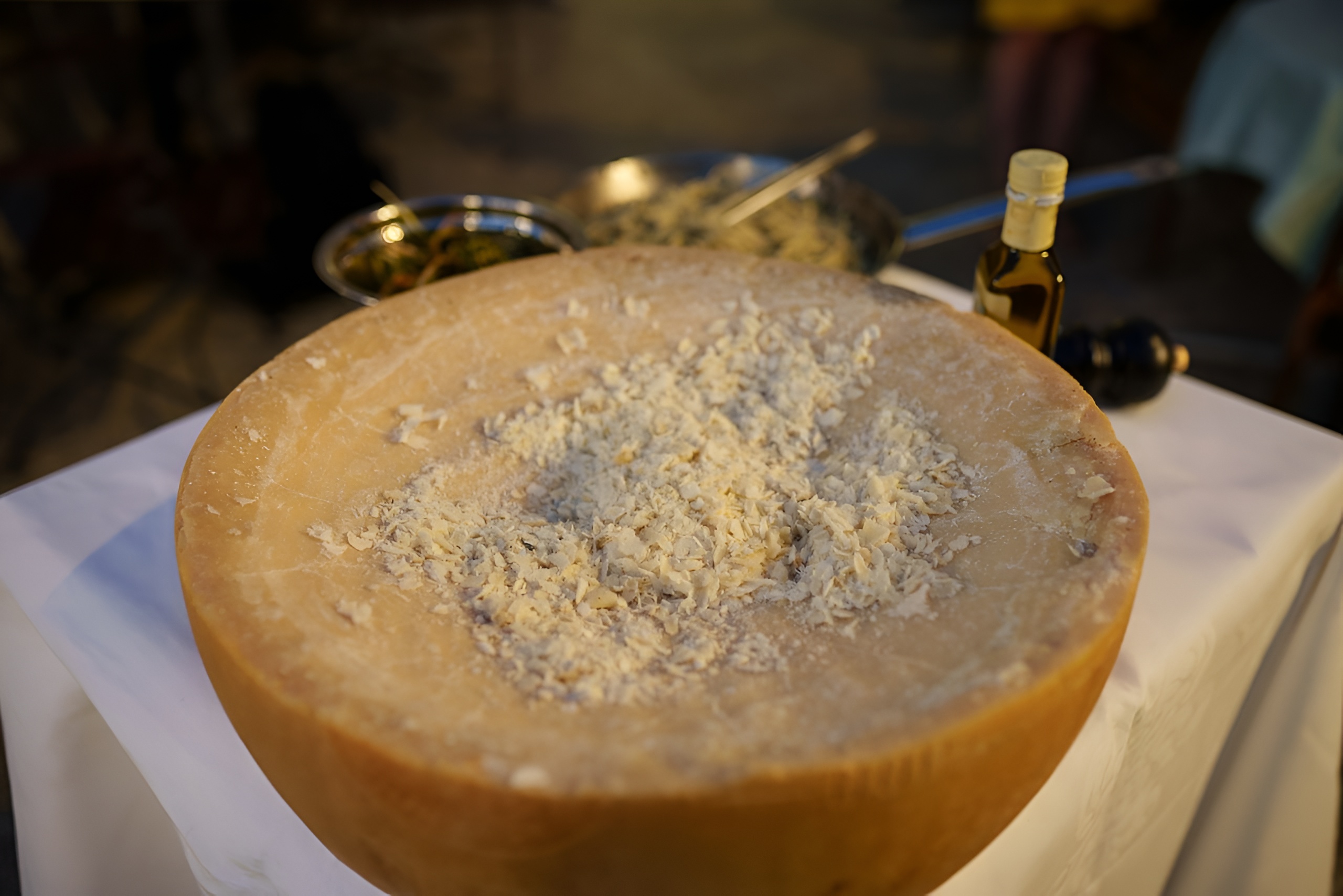
That pre-grated Parmesan in the familiar plastic shaker tub is infamous for non-dairy fillers.
How It Gets Faked
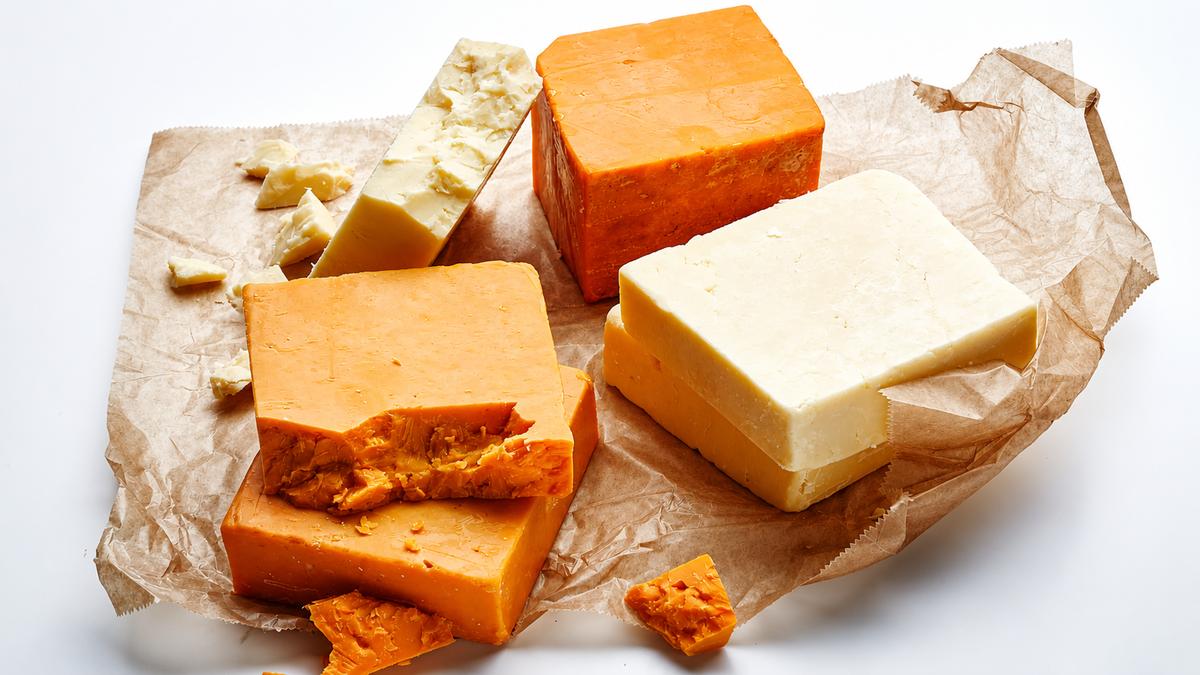
Real Parmigiano-Reggiano takes months or even years to age properly, which makes it expensive to produce. To cut costs, some commercial brands mix unaged cheese curds with high amounts of cellulose powder, which is essentially refined wood pulp to stop the cheese from clumping together. While a tiny amount of cellulose is allowed as an anti-caking agent, independent laboratory tests have caught brands filling containers with 10% to 15% wood fiber.
How To Spot The Real Thing
You can easily differentiate between the fake and real by applying these two simple techniques.
-
Buy whole wedges: Real Parmigiano-Reggiano has its name stamped right onto the hard outer rind. Grating a block at home guarantees you get 100% dairy without anti-caking additives.
- Read the ingredient label: Real Parmesan requires just three basic ingredients: milk, salt, and enzymes. If you see cellulose, potassium sorbate, or vague fillers near the top of the label, put it back on the shelf, as it might be a fake one.
Also Read: Jeddah Tower Vs Burj Khaifa: The 1,008M Record Breakerv
4 Simple Rules to Protect Your Kitchen
Outsmarting food fraud doesn't mean you need to bring a laboratory testing kit to the supermarket. By shifting how you shop, you can eliminate almost all fake foods from your pantry:
- Choose Whole Ingredients Over Pre-Ground Options: Whenever possible, buy whole coffee beans, whole peppercorns, unground spices, and solid cheese blocks. The processing step is where almost all tampering happens.
- Be Suspicious of Unusually Cheap Prices: Real extra virgin olive oil, pure raw honey, and authentic spices take time, labor, and real resources to produce. If a bottle costs half as much as every other brand on the shelf, it is cheap for a reason.
- Look for Single-Origin Labels: Search for labels that list a specific farm, estate, or single region. Certain vague terms like "Blended from international sources" make products much harder to trace and much easier to fake.
- Check for Reputable Quality Seals: Look for third-party trust marks like USDA Organic, PDO/PGI stamps, Non-GMO Project seals, or official producer association marks.
By staying cautious about these major things, such as reading labels closely and running a quick test when something feels off, you can cut through the marketing tricks and make sure every item in your kitchen is 100% pure, real, and authentic.