The relentless pursuit of air superiority during the Cold War forever transformed the global defense technology. Aerospace engineers pushed past the limits of human physiology and material science to build the fastest military aircraft in aviation history. Militaries designed these dairy platforms to outrun surface-to-air missiles and conduct strategic reconnaissance deep inside hostile airspace. At present, these supersonic and hypersonic marvels remain unmatched symbols of engineering triumph. Let's explore the five fastest military aircraft ever built, examining their record-breaking top speeds, operational history, and the technological breakthroughs that allowed them to pierce the sound barrier.
North American X-15
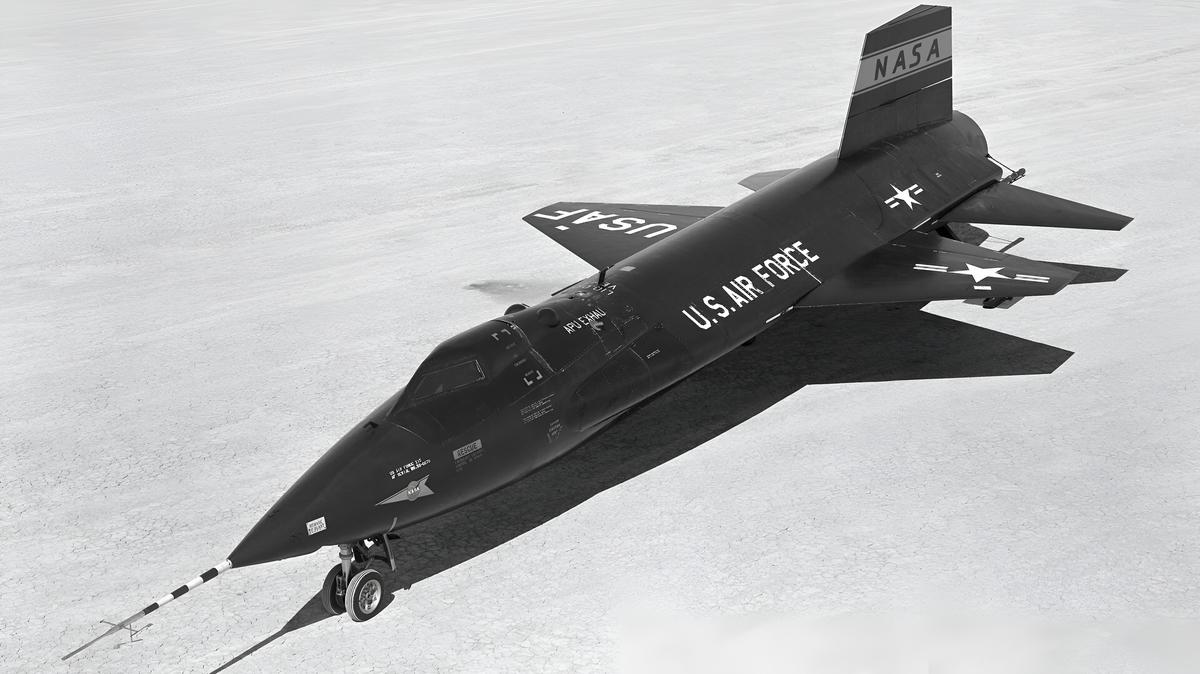
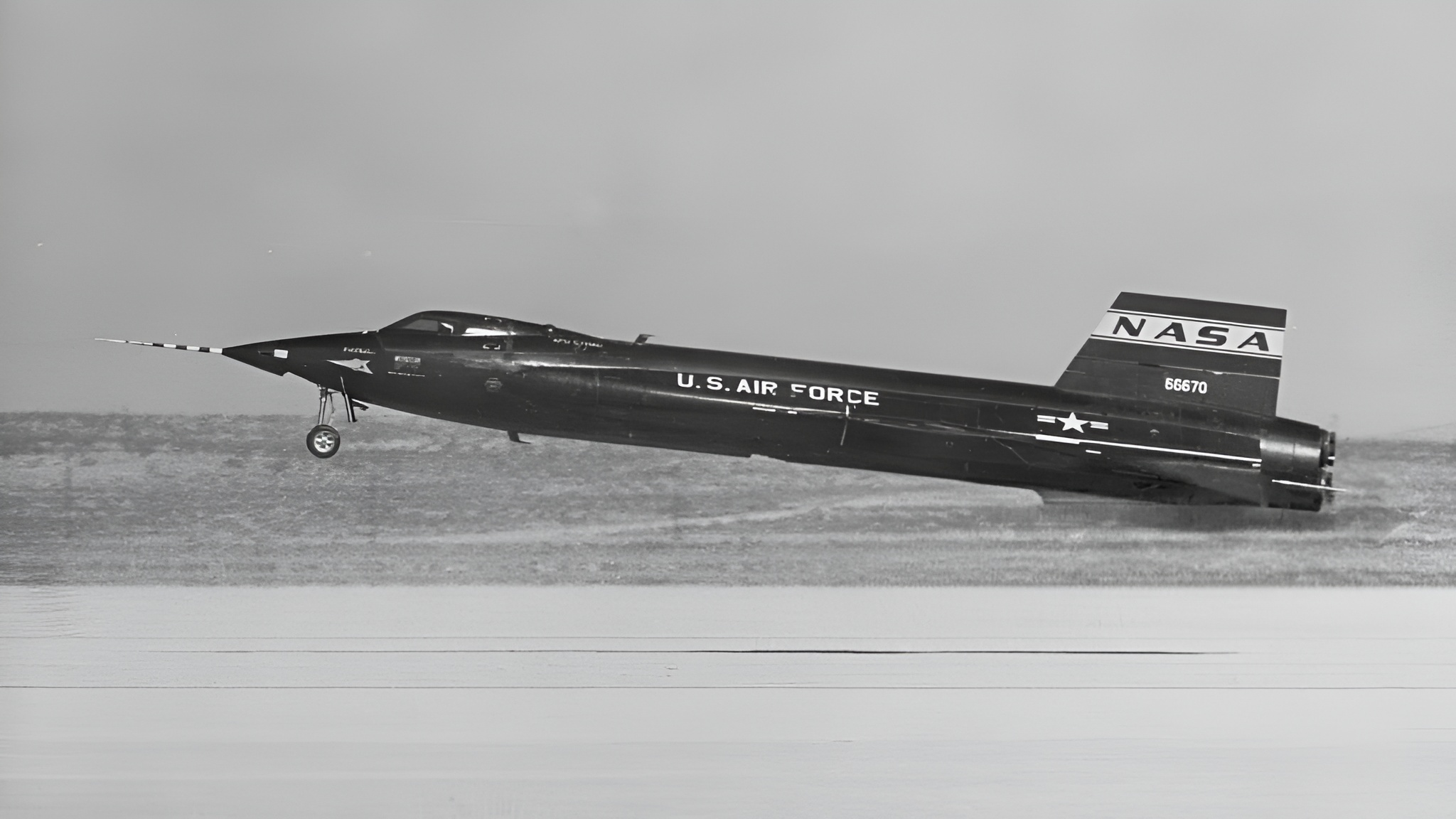
The North American X-15 stands unchallenged as the fastest military aircraft in aviation history. Developed by the United States Air Force and NASA, this experimental rocket-powered spacelane achieved an astonishing maximum speed of mach 6.70 or 7,274 kilometres per hour, in October 1967. Thanks to pilot William J. “Pete” Knight, who controlled the aircraft during this historic, record-breaking flight.
The X-15 functioned primarily as a high speed research platform rather than a combat fighter. It conducted its maiden flight on June 8, 1959, powered by a single Thiokol XLR99 liquid-propellant rocket engine. The data gathered during its high-altitude missions directly contributed to the development of the American space shuttle program and early manned spaceflight initiatives.
As the aircraft lacked the fuel capacity to take off from a traditional runway, a modified Boeing B-52 Stratofortress mothership carried the X-15 to high altitudes before release. Upon drop, the pilot ignited the rocket engine to propel the craft to the edge of space. The aircraft flew so high that eight of its experimental test pilots earned official military "astronaut wings." To survive the extreme frictional heat generated at hypersonic speeds, engineers constructed the X-15 using a durable titanium structure covered in a specialized Inconel-X-nickel alloy skin.
Lockheed SR-71 Blackbird
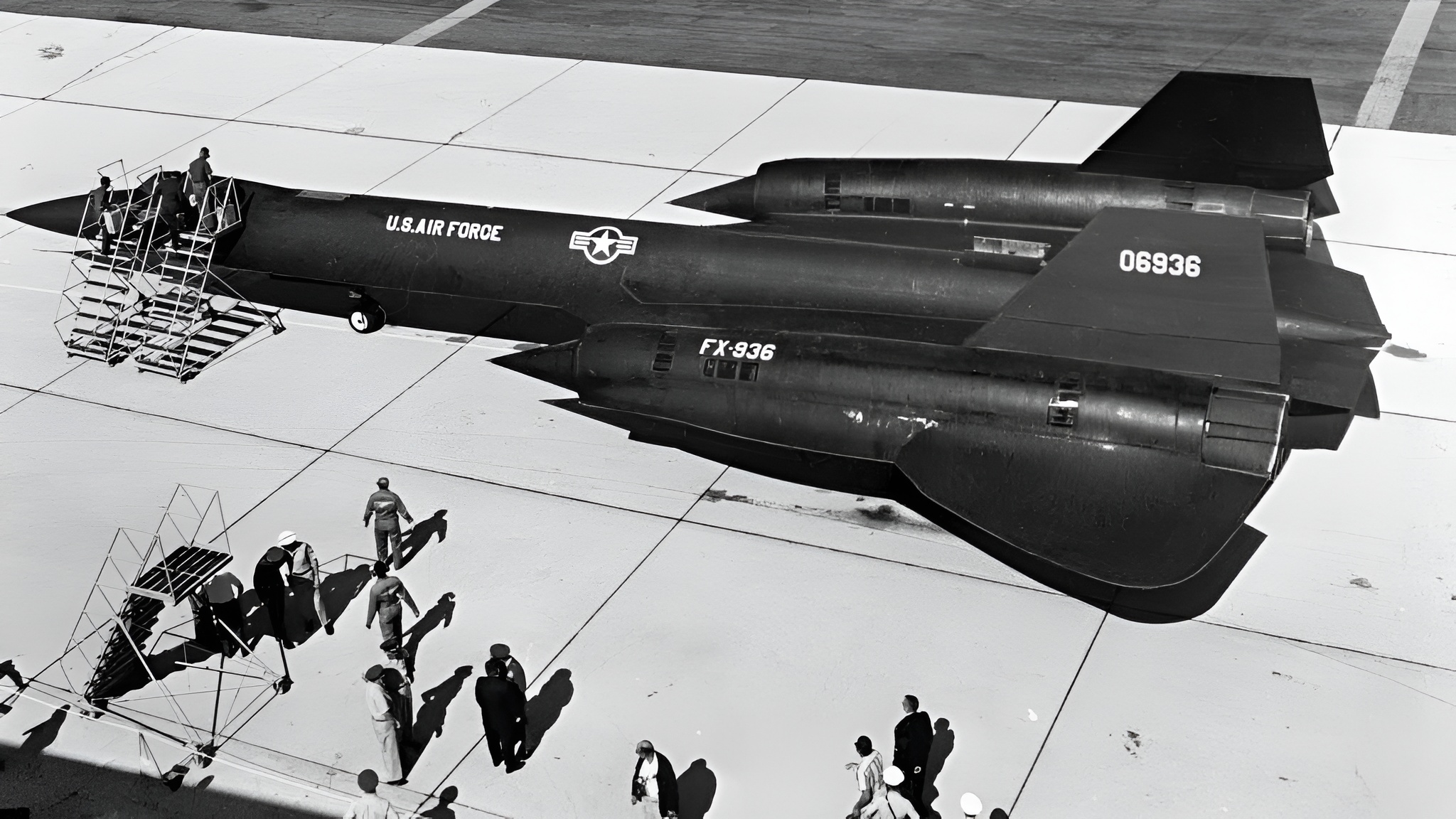
The Lockheed SR-71 Blackbird holds the definitive record as the fastest air-breathing manned net ever put into operational service. This iconic stealth reconnaissance aircraft reached a maximum recorded speed of Mach 3.32, which equates to roughly 3,540 kilometres per hour. Operating routinely at altitudes above 85,000 feet, the Blackboard relied on pure velocity to outrun every single surface-to-air missile fired at it over decades of service. The United States Air Force utilised the platform for strategic intelligence gathering over heavily defended territories.
The stealthy aircraft completed its highly classified first flight on December 22, 1964. Propulsion relied on two revolutionary Pratt & Whitney J-58 turbojet engines. These two unique powerplants featured special bypass ducts that allowed the engines to continuously transition into functioning like ramjets as the aircraft accelerated past Mach 3.
Engineers utilised a titanium skin to withstand the intense thermal friction generated at triple the speed of sound. This extreme atmospheric heat caused the metal airframe to expand significantly while in flight. Because of this deliberate design characteristic, the aircraft leaked fuel constantly while resting on the ground until thermal expansion sealed the fuselage panels during high-speed cruise. From its extreme operational ceiling, the SR-71 could accurately map 100,000 square miles of the Earth’s surface every hour.
Also Read: How To Survive A Red-Eye Flight Effortlessly
LockHeed YF-12
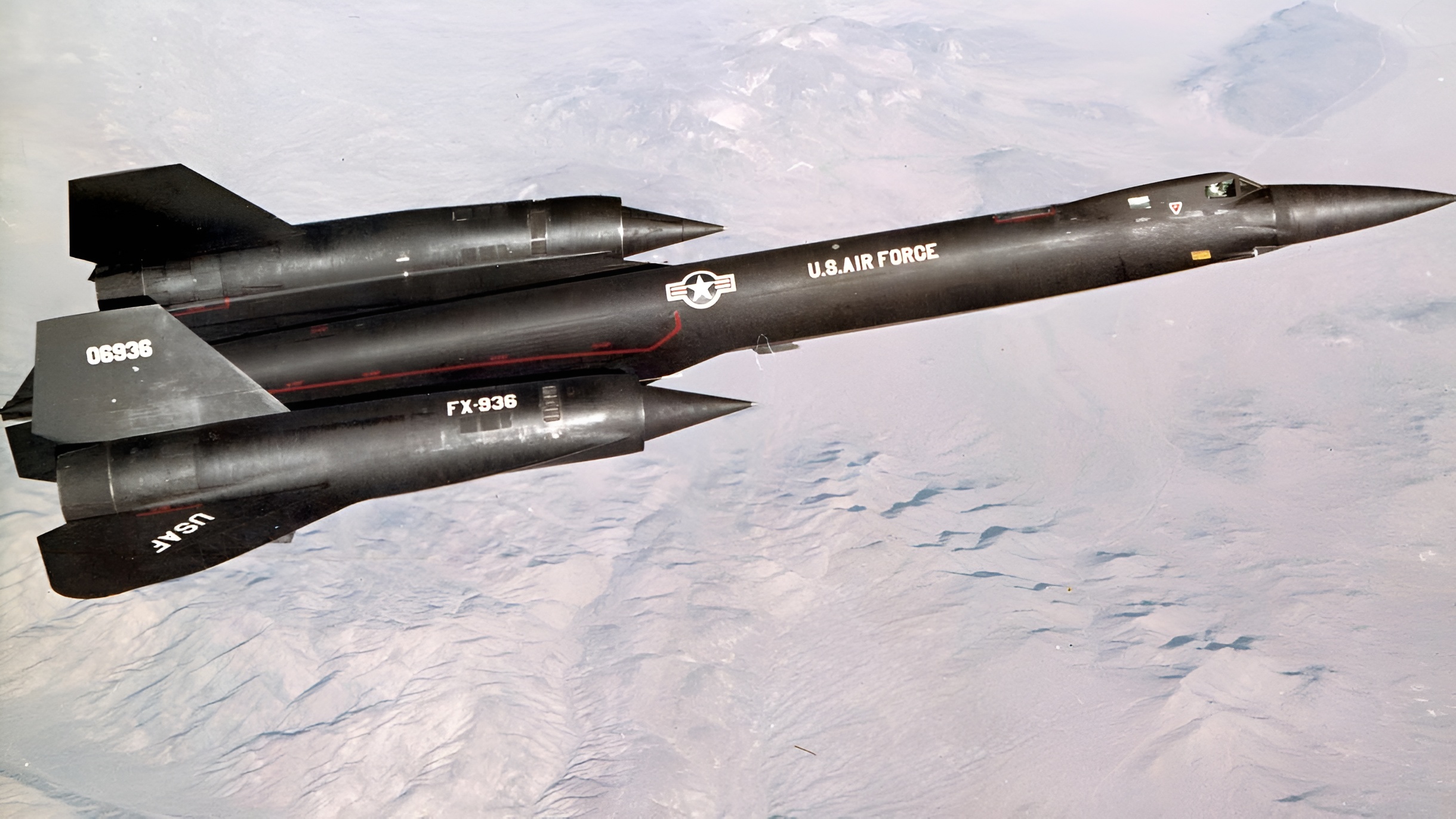
The Lockheed YF-12 was an experimental American interceptor fighter jet that served as the direct design predecessor to the SR-71 Blackbird. The YF-12 successfully achieved a maximum top speed of Mach 3.35, or 3,558 kilometres per hour, during the flight testing in 1965. The United States Air Force originally funded the prototype interceptor program to locate and destroy any incoming supersonic Soviet bombers before they could reach the mainland.
The sleek prototype logged its official first flight on August 7, 1963. Much like its younger sibling, the Blackbird, utilised a pair of high-performance Pratt & Whitney J58 turbojet engines for propulsion. Unlike the unarmed reconnaissance versions that followed, the YF-12 featured a massive nose radar and carried three Hughes AIM-47 Falcon air-to-air missiles within internal weapon bays.
During live-fire testing, the YF-12 successfully shot down the target drones while cruising comfortably at speeds exceeding Mach 3. Despite its stellar performance, the Pentagon ultimately cancelled the expensive program due to soaring developmental costs and the redirection of military funding towards the ongoing Vietnam War. Only three YF-12 aircraft were ever constructed by Lockheed’s secret “Skunk Works” division.
Mikoyan-Gurevich MiG-25 Foxbat
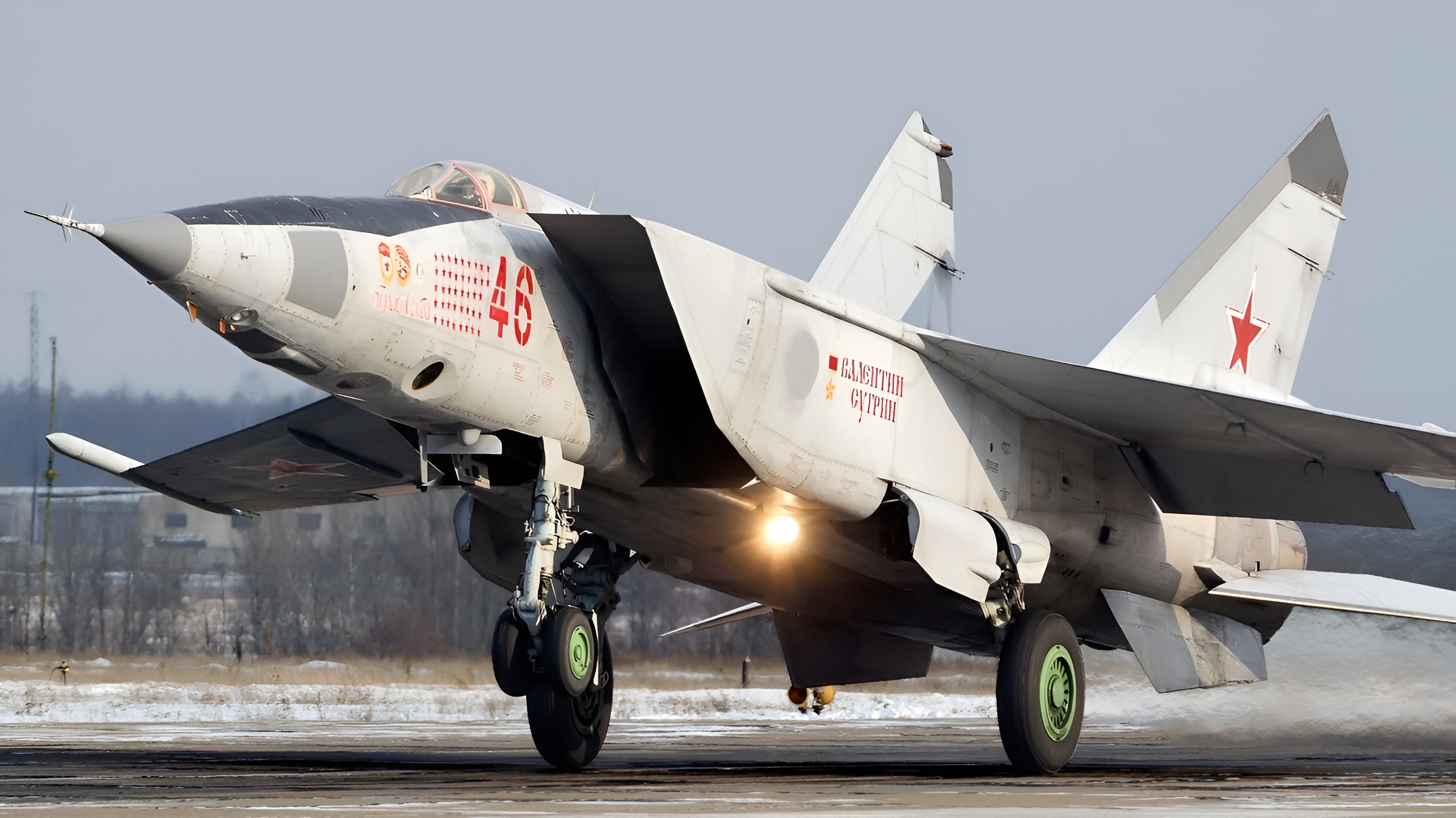
The Mikoyan-Gurevich MiG-25 Foxbat remains the fastest interceptor and combat jet ever mass-produced in aviation history. Originally built by the Soviet Union, the massive aircraft reached a standard maximum continuous combat speed of Mach 2.83 or 3,200 kilometres per hour. The society pilots could technically push the throttle to a peak speed of Mach 3.2, though doing so risked completely destroying the turbines. On the other side, the Soviet military rushed the MiG-25 into production specifically to counter the perceived threat of America’s experimental XB-70 Valkyrie bomber.
The heavy interceptor completed its initial flight on March 6, 1964, and quickly entered widespread service. Its primary operational roles included high-speed Air defense interception and high-altitude tactical reconnaissance. The aircraft relied on two enormous Tumansky R-15 turbojet engines to generate the massive thrust required to reach its high velocities.
Unlike American engineers who embraced expensive titanium, Soviet designers fabricated the MiG-25 predominantly out of a heavy nickel-steel alloy. This material choice made the airframe incredibly heavy but allowed for much faster and cheaper manufacturing in Society factories. The sudden deployment of the Foxbat, along with its giant radar system and extreme speed capabilities, resulted in immense panic among Western military intelligence agencies when it first appeared.
Bell X-2 Starbuster
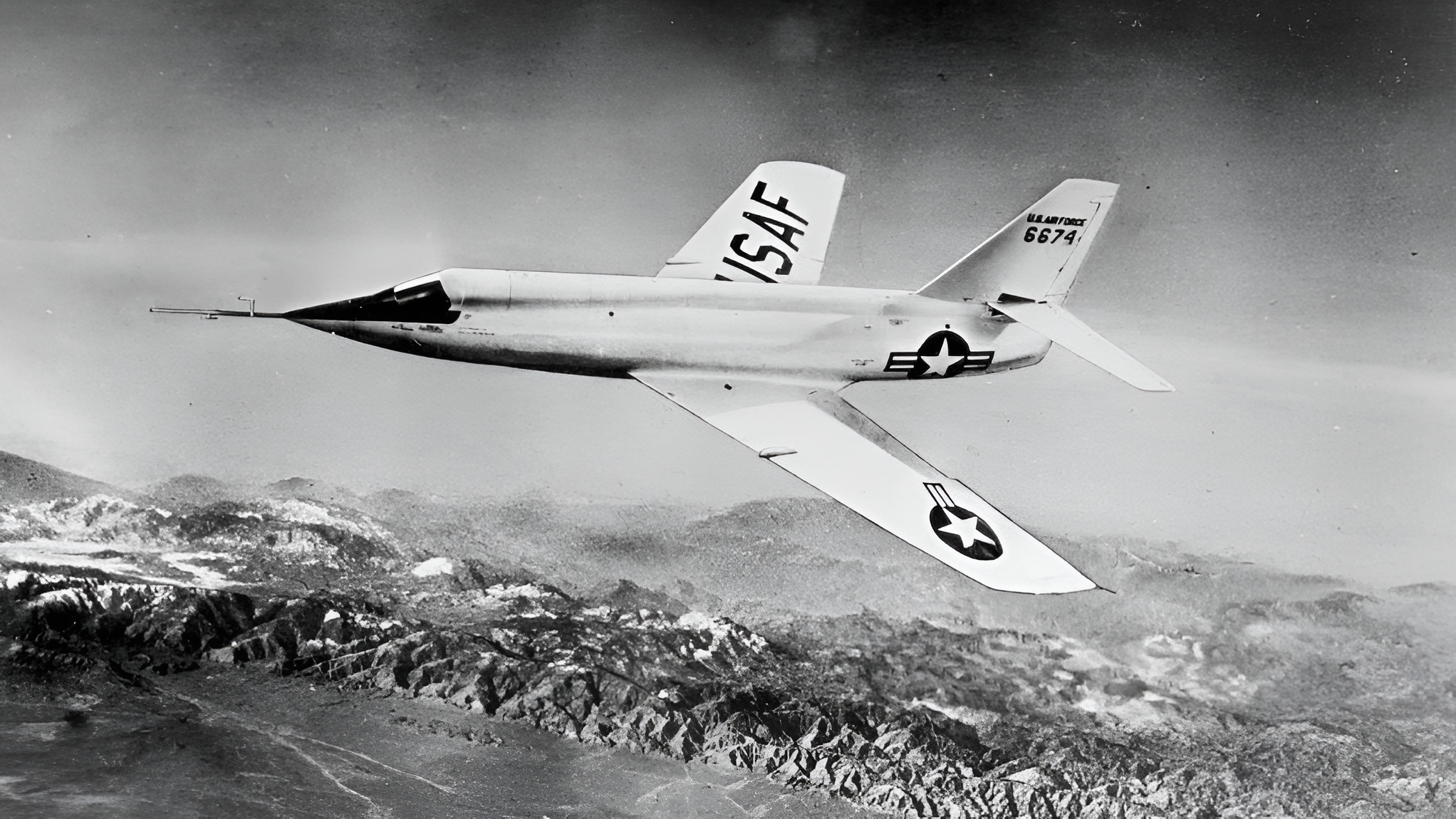
The Bell X-2 Starbuster was an experimental swept-wing, rocket-powered aircraft built shortly after World War II. It secured its place in history as the first flyable vehicle to successfully break the Mach 3 barrier. The research plane achieved a maximum velocity of Mach 3.196 or approximately 3,370 kilometres per hour, in September 1956. The test pilot Milburn “Mel” Apt piloted the record-breaking flight but tragically lost his life when the aircraft suffered from severe inertial coupling and crashes moments later.
The pioneering X-2 conducted its unpowered maiden glide flight on November 18, 1955. The military assigned the aircraft to high-speed aerodynamic research to explore the unknown challenges of atmospheric friction. A throttleable Curtiss-Wright XLR25 rocket engine provided the immense paper needed to blast the vehicle through the sound barrier.
Most importantly, research scientists used the X-2-program to study the “thermal thicket,” a term used for the extreme heat buildup caused by air compression at high speeds. The aircraft featured heavily swept wings built from stainless steel and a specialized copper-nickel alloy known as K-monel. The military abruptly ended the project following the fatal 1956 accident, transferring all the remaining high-speed flight research data over to the nascent X-15 program.
Also Read: The World's Most Carbon Efficient Airlines Right Now
The Evolution Of Supersonic Military Aircraft
Modern military aviation has shifted its primary focus away from raw top speed towards advanced stealth technology, sensory integration, and electronic warfare. The contemporary fifth-generation fighter jets like the “Lockheed Martin F-35 Lightning II” and the “F-22 Raptor” are designed to cruise at more modest speeds around Mach 2. To maintain continuous speeds above Mach 3, it requires immense fuel consumption, severely limits operational range, and strips away critical radar-absorbing stealth coatings.
As of current date, globally militaries now focus on their high-speed development efforts on unmanned hypersonic cruise missiles and atmospheric glide vehicles rather than piloted aircraft. The incredible speed records established by these five historical aircraft remain completely secure for the foreseeable future.