
In May 1946, amidst the charred, skeletal ruins of post-war Tokyo, two visionary engineers named Masaru Ibuka and Akio Morita founded a tiny electronics workshop called Tokyo Tsushin Kogyo (Tokyo Telecommunications Engineering Corporation). They possessed no brand assembly lines, no vast supply chains, and almost no capital. Their very first commercial product was a crude electric rice cooker made from interwoven wood filaments. It failed spectacularly, either undercooking the brain or burning it to a crisp.
Yet, Ibuka and Morita refused to capitulate to failure. They understood that to survive in a dedicated economy, they had to invent things that did not exist. When they officially changed the company name to Sony Corporation in 1958, they executed a masterstroke of global branding. The moniker elegantly fused “sonus,” the Latin root for sound, with American jazz-era slang “sonny boys,” a term implying bright, energetic young men. It was a name intentionally devoid of Japanese linguistic markers, explicitly designed to roll off the tongues of Western consumers. Sony wasn't just building transistor radios; they were declaring war on corporate mediocrity and reshaping how the world perceived global industrial power.

By the arrival of the 1980s, Sony had successfully orchestrated a global consumer coup. They didn't just participate in markets; they fundamentally altered human behaviour. The release of the portable Walkman cassette player in 1979 did something revolutionary: it privatized public space. It transformed music from a shared, stationery living room event into a highly personalized, mobile soundtrack for individual life.
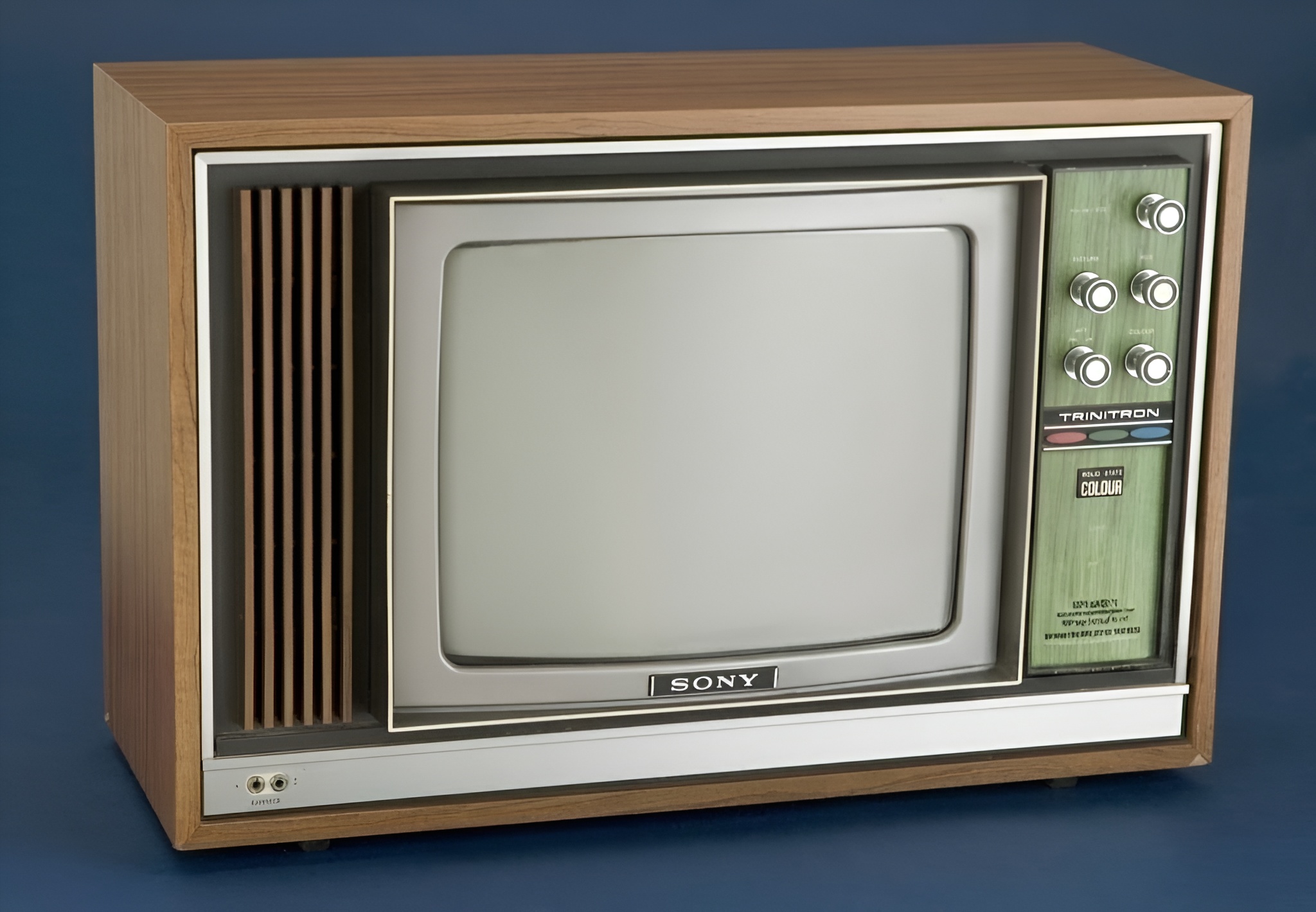
Simultaneously, Sony’s Trinitron color television became the undisputed altar of the global living room, prized for its unrivaled brightness and clarity. The company’s growth curve was steep, aggressive, and seemingly unstoppable. At its historic peak, Sony’s financial supremacy was so absolute that when it bought CBS Records and Columbia Pictures in Hollywood, while other Japanese conglomerates snapped up American real estate icons like Rockefeller Center, Western media outlets panicked. Moreover, aggressive headlines warned of a quiet corporate takeover by “Japan Inc,” and Sony appeared as a bulletproof, immortal titan of silicon and sound.
However, industrial empires are rarely destroyed by external forces alone; more often, they crumble from within. The highly insular corporate culture, structural arrogance, and obsession with proprietary hardware that fueled Sony’s meteoric rise would eventually push it to the absolute fall was slow, structurally agonizing, and deeply public. It required a lost decade, a profound identity crisis, and a radical realignment of its geopolitical focus towards the booming demographics of South Asia to salvage the company’s soul.
Also Read: How Apple Survived Bankruptcy: The 1997 Turnaround Story
Sony Lost Its Crown Because It Stopped Innovating
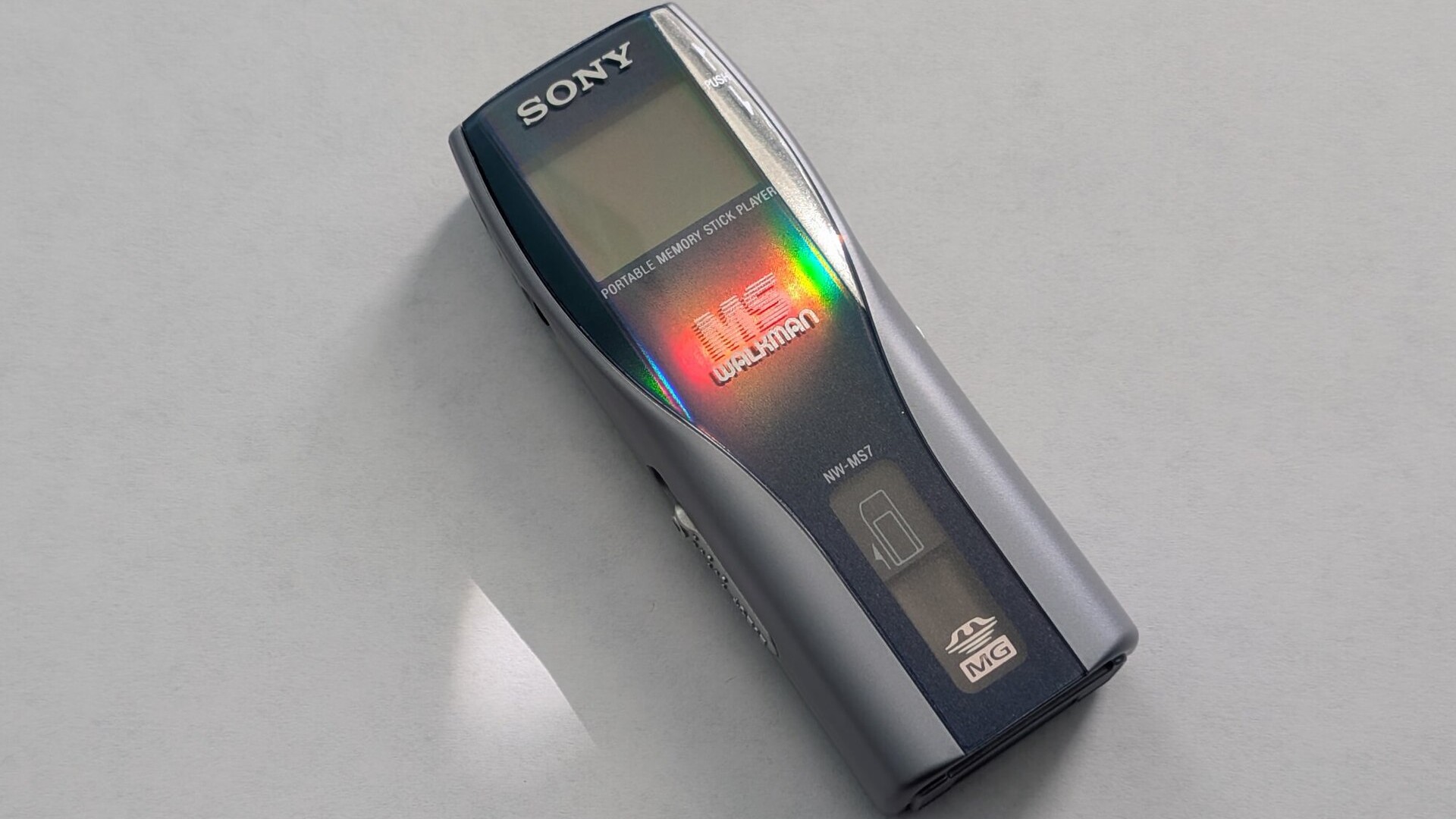
A pervasive, highly enduring myth dominates modern business folklore, that Sony did lose its healthy market dominance to Apple, Samsung, and digital-native competitors simply because its engineers ran out of creative ideas. Popular retrospectives frequently point to the launch of the iPod in 2001 and claim that the masterminds behind the Walkman had simply grown unimaginative, failing to anticipate the transition from analog tape to digital media files.
In reality, this assumption is completely inaccurate. The historical reality is far more tragic, Sony didn't fail to invent the future; they invented it multiple times, only to actively sabotage themselves through brutal internal political warfare.
In 1999, a full two years before Steve Jobs unleashed the first iPod, Sony shocked the tech world by debuting two brilliant digital audio devices simultaneously at the Tokyo Audio Expo: the Memory Stick Walkman and the Vaio Music Clip. Sony possessed the flash memory technology, the industrial design prowess, and the global brand equity to monopolize digital audio years before its Western rivals. Yet, both the products failed to gain traction, paralyzed by an organisational civil war.
At the turn of the millenium, Sony was no longer operating as a unified global enterprise. Instead, it had devolved into an unstable constellation of intensely protective, feuding corporate silos.
The personal computer division (VAIO) operated completely independently of the portable audio division. The hardware engineers wanted to maximize device compatibility by supporting the widely popular, open MP3 audio format. The legal and executive leadership of Sony’s massive music and content labels were terrified of the digital piracy that was ravaging platforms like Napster, vehemently blocking the hardware teams.
Driven by this internal gridlock, Sony forced its engineers to bypass the open MP3 format entirely. Instead, they mandated the use of a highly restrictive, proprietary compression format called ATRAC. For instance, to transfer a song from a computer to a digital Walkman, consumers were forced to use a proprietary software suite called “SonicStage.”
SonicStage was an unmitigated disaster. It was slow, heavily bloated with restrictive Digital Rights Management (DRM) software, and notoriously prone to crashing operating systems. If a user purchased a song legally, the software frequently prevented them from moving that file to a second device. While Apple captured the global imagination by pairing a sleek, unencumbered hardware device with a beautifully intuitive, open-format ecosystem in iTunes, Sony chose to alienate its loyal customer base to protect its legacy CD duplication businesses.
The public perceived Sony as an aging giant that had lost its technical magic. In truth, Sony’s engineers were still delivering world-class breakthroughs, but the company’s internal bureaucracy was actively strangling those innovations before they could reach consumers.
Three Isolated Timelines, Three National Destinies
To fully grasp how Sony survived the shifts of global trade, we must look past individual products and start analyzing the distinct, independent macroeconomic cycles of Japan, the United States, and India. Each country experiences its own separate timeline of economic ride, structural vulnerability, and eventual reinvention, functioning as an external current that repeatedly reshaped Sony’s global blueprint.
Japan: From Industrial Miracle To The Lost Decades
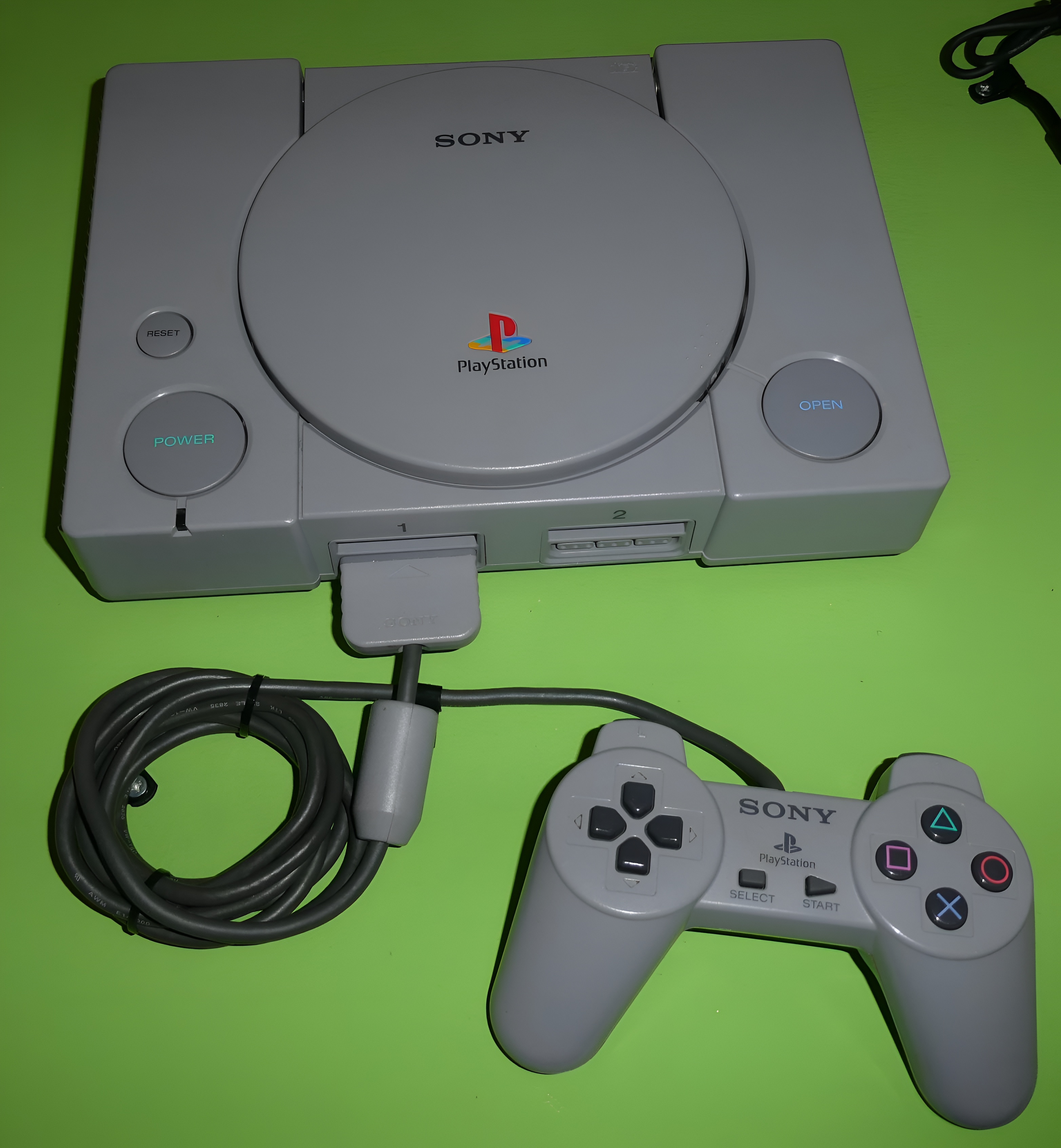
During the 1950s-1980s, following the wreckage of World War II, Japan engineered the most intense manufacturing book in modern history. Backed and guided by state-directed industrial policy and ultra-efficient lean production systems, the nation was transformed into the world’s hardware garage. As the capital was virtually free, it allowed for corporate boards in Tokyo to out-fund any global competitor. During this golden window, Sony operated as the crown jewel of “Japan Inc.,” utilising an incredibly disciplined domestic labor pool to churn out the world-class solid-state electronics.
In the late 1980s, the sheer volume of incoming foreign capital inflated a massive domestic asset bubble. The real estate values and stock market listings reached absurd, unsustainable valuations. Sony, blinded by this seemingly infinite domestic wealth, invested heavily in highly specialised, capital-intensive manufacturing pipelines rooted permanently on Japanese soil.
All these incidents took a different turn in 1991, when the Japanese asset bubble burst catastrophically. The economy ground to a sudden halt, sliding into a multi-decade cycle of deflation, flat wage growth, and demographic aging known as the “Lost Decades.” As domestic consumer spending vanished, keeping massive production plants anchored in Japan became a crushing financial liability. Japan fell drastically behind in the global software shift, leaving hardware-centric giants like Sony deeply exposed when South Korean and Chinese competitors began mass-producing cheaper alternatives.
Also Read: The Technology That Defined 2021
The United States: From Industrial Decay To Content Monopoly
During the 1990s, while the United States spent the 1970s and 1980s suffering from severe domestic deindustrialization across the Rust Belt, the nation executed a dazzling structural comeback in the 1990s. America abandoned low-tier hardware assembly and laid total claim to the high-margin digital economy. Silicon Valley birthed the commercial internet, while Hollywood consolidated its grip on global media networks. Sony rode this American content surge, pouring billions of dollars into purchasing iconic US media empires like Columbia Pictures and Epic Records.
In the 2000s, Sony assumed the American consumer appetite for premium tech and high-priced media formats was endless. However, the American tech ecosystem shifted into an open, web-native marketplace. Sony’s US media arms became paranoid about digital piracy, actively forcing the Japanese hardware division to lock down devices with restrictive digital rights management (DRM) software.
The country met with a tragic fall during the 2010s-2020s, as the American consumer electronics market hit a wall of absolute structural saturation. Devices became commoditized gadgets, and profit margins evaporated in brutal retail price wars. Furthermore, the cultural integration between Tokyo and Los Angeles fractured; free-spending Hollywood executives ran their visions like independent kingdoms, completely detached from the core fiscal engineering goals of headquarters in Japan. Sony’s American hardware strongholds deteriorated, turning its largest historic profit engine into a landscape of hyper-competitive stagnation.
India: From Socialist Gridlock To The Margin Squeeze

For nearly half a century following its independence, India languished under the protectionist isolation of the “License Raj,” entirely cut from global tech trade. But in 1991, after facing a severe balance of payment crisis, New Delhi, the capital city, opened its first borders to foreign investment. Sony entered immediately in 1994, founding Sony India. Over the next two decades, India’s urban middle class expanded exponentially, morphing from a minor peripheral experiment into a highly lucrative market hungry for premium consumer goods.
From 2016-2020, India underwent a massive digital hyper-boom driven by the rollout of ultra-cheap 4G data networks and the universal adoption of real-time mobile payment infrastructures like UPI. This surge turned India into the fastest-growing digital economy on Earth. Sony found an opportunity to capitalize on this by distributing high-end 4K televisions, mirrorless cameras, and PlayStation consoles to a tech-savvy youth demographic.
However, in 2020, the sheer velocity of India’s economic expansion triggered an immediate, structural marketplace fall for traditional consumer models. A wave of ultra-aggressive Chinese hardware manufacturers flooded the subcontinent, weaponizing ultra-low margins to turn electronics retailers into a race to the bottom. Concurrently, major consolidation across India’s domestic media and telecom landscape sparked intense tariff disputes, putting severe pressure on legacy broadcasting profits. Sony’s early, easy-volume growth era in India met with its end abruptly, forcing the giant corporation to either match cutthroat regional prices or entirely reinvent its market identity.
Also Read: 4 Psychological Reasons Why Tech Saves Time But Makes Us Busier
The Rise Of “One Sony” And The Selective Retreat
To survive the simultaneous collision of these three national lifecycles, Sony had to execute radical corporate surgery. In 2012, Kazuo “Kaz” Hirai was named global President and CEO. Having spent much of his operational career building the American video game and music divisions, Hirai was not bound by the traditional, insular biases of Tokyo’s engineering hierarchy.
He recognized that Sony could no longer afford to be a sprawling gadget company fighting low-margin price wars in saturated markets. He launched a ruthless corporate doctrine titled “One Sony.” His mandate broke down internal silos, terminated unprofitable lines, and focused all remaining capital on areas where Sony held an absolute global monopoly.
Hirai shocked the Japanese business establishment by selling off Sony’s Iconic unprofitable VAIO personal computer division. He then spun off the television division into an independent, wholly-owned subsidiary, forcing it to cover its own operational costs without corporate subsidies. Then, he eliminated thousands of middle-management roles in Tokyo and closed aging manufacturing plants across the globe.
While Sony publicly stepped back from consumer gadgets, it quietly secured a major B2B victory by heavily finding its semiconductor divisions. Engineers focused on mastering CMOS image sensors, the microchips responsible for capturing light in digital photography.
Instead of fighting to sell off the finished smartphones, Sony became the essential “arms dealer” for the mobile revolution. They locked down a near-monopoly on high-end mobile imaging technology. Today, whether a consumer buys an Apple iPhone, a premium Samsung Galaxy, or a Google Pixel, the camera hardware inside that device is almost universally designed, manufactured, and supplied by Sony. This high-margin business has the company and insulated stream of cash, protected from shifted consumer brand loyalty.
The video game division stopped viewing the PlayStation Console as a piece of hardware sold once every seven years. They transformed it into a sticky digital services ecosystem. By leveraging the massive growth of the PlayStation Network (PSN) and PlayStation Plus subscription models, Sony became successful in securing a recurring revenue loop.
Even when console hardware was sold at razor-thin margins, Sony took a lucrative 30% cut of every digital game download, add-on pack, and virtual currency transaction processed through its storefront. By the late 2010s, the video game division had become the primary financial engine of the entire corporation, generating record-breaking profits that permanently ended any fears of bankruptcy.
Synthesizing The New Global Balance

The ultimate realisation of Sony’s structural turnaround did not rely on returning to its old mid-century habits, nor did it depend on a single country saving the others. Instead, Sony’s modern payoff emerged from an elegant, highly synchronised geopolitical synthesis. By transforming the independent structural falls of Japan, the United States, and India into a unified economic engine, Sony built a self-sustaining global triad where each nation’s resurrected strength perfectly compensated for the other’s vulnerabilities.
This symbiotic relationship successfully flipped the global tech script. On one side of the triangle, Japan stepped back from the low-margin factory floors that had caused its industrial stall, transforming into “The Industrial Brain” of the empire by monopolizing the high-margin, B2B smartphone image sensor market. It is of no doubt which American or Asian device consumers bought, Sony Japan quietly taxed the entire mobile revolution from its elite Tokyo tech labs.
Simultaneously, across the Pacific, the United States shed its saturated retail identity to become “The Intellectual Heart” of the ecosystem, turning its historical Hollywood and gaming friction into a goldmine of recurring, high-margin software revenues via the PlayStation Network and massive music publishing catalogs.
Yet, this western transition from physical hardware to digital code required a massive, tech-savvy population to absorb it. For instance, India stepped into the triad as “The Hyper-Growth Engine,” answering the commoditization of its local markets by embracing Sony’s strict “Premiumization Strategy.” By assembling high-end 4K Bravia displays locally under the “Make in India” banner in Tamil Nadu and anchoring its culture through Sony Pictures Network India (SPNI), India’s booking urban middle class provides the raw consumer velocity that the saturated West could no longer deliver.
Ultimately, Sony resurrected its empire because it realized that its future was no longer tied to a single national flag. By weaving Japan’s silicon monopoly, American’s cultural content, and India’s roaring demographic momentum into one collective masterpiece, Sony proved that an empire can survive any single nation’s fall if it learns to orchestrate a global balance across borders.