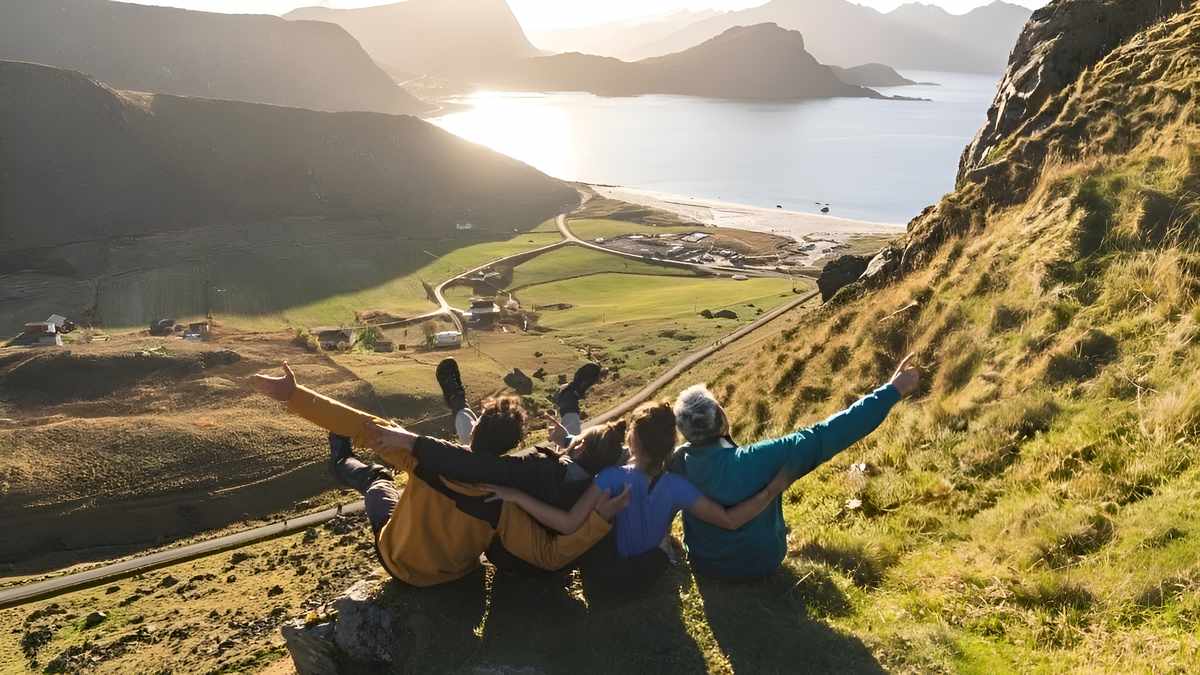
Every year, the World Happiness Report publishes its rankings of global satisfaction, and every year, the results look remarkably similar. Nordic nations, like Finland, Denmark, Iceland, Sweden, and Norway, consistently claim the top spots. For instance, Finland alone has secured the number-one position for multiple consecutive years.
This consistent dominance begs a fundamental question: What are these northern nations doing differently?
Many observers mistakenly attribute this success to wealth alone or dismiss it as a byproduct of small, homogenous populations. However, the true blueprint for Nordic happiness is far more complex and intentional. It is built on a foundation of robust social infrastructure, deep cultural philosophies, high civic trust, and a unique relationship with the natural world.
Universal Social Welfare
At the core of Nordic happiness is the concept of peace of mind. The Nordic model combines free-market capitalism with a comprehensive welfare state designed to catch citizens before they fall. Rather than offering temporary relief after a crisis occurs, universal programs ensure continuous financial security. This proactive framework protects families from sudden economic shocks like job loss or medical emergencies.
The Cushion Of The Welfare State
In many parts of the world, basic human needs like healthcare, higher education, and childcare are major sources of lifelong financial anxiety. In Nordic countries, these services are largely funded through collective taxation and provided as fundamental rights.
For instance, universal healthcare ensures that an unexpected medical emergency never leads to personal bankruptcy or long-term financial ruin. Similarly, higher education is entirely free, allowing young adults to enter the competitive workforce and build wealth without crushing the burden of student loan debt. This systemic support extends directly to young families through heavily subsidized, high-quality child care, which enables both parents to return to work smoothly, closes the gender pay gap, and drastically reduces the financial strain of raising children.
High Taxes, Higher Returns
While critics often point to the high income tax rates in Nordic countries, sometimes exceeding 50%, the citizens themselves view these taxes differently. Instead of looking at taxation as a loss of personal income, Nordic residents view it as an investment in their collective quality of life. It is a premium paid into a societal insurance policy that guarantees safety, mobility, and dignity for everyone.
By finding universal programs directly, citizens eliminate out-of-pocket expenses for major life events like medical emergencies, university education, and childcare. Consequently, high tax rates function as an economic stabilizer, fostering deep social trust and transparency in public spending while reducing overall individual financial stress.
Also Read: How Social Media Algorithms Damage Teen Self-Esteem
The Power Of Trust
Happiness is something that cannot thrive in an environment of suspicion. One of the most defining characteristics of Nordic societies is an extraordinarily high level of trust, both in public institutions and in fellow citizens. When individuals believe their neighbours are generally honest and reliable, it creates safer neighbourhood and reduces crime rates. This mutual reliance acts as an invisible social glue, turning public spaces into cooperative, welcoming environments.
Institutional Trust
Nordic governments consistently rank at the top of Transparency International’s Corruption Perceptions Index. Citizens generally believe that their political leaders, police force, and legal systems are transparent, fair, and working in the public interest. When people feel that the rules apply equally to everyone, social friction decreases, and collective well-being rises.
This high level of public confidence directly minimizes corruption and streamlined government efficiency. The transparency creates a reliable economic environment, attracting both stable business investments and reinforcing the democratic process voters feel genuinely represented.
Social Trust
Social Trust refers to how much strangers trust one another. In a famous experiment conducted by Trader's Digest, reporters intentionally “dropped” 12 wallets filled with cash and contact information in various global cities to see how many would be returned.
Helsinki, Finland, topped the list, with 11 out of 12 wallets returned to their owners. This level of everyday honesty also implies the way parents feel safe letting their young children walk to school alone or leaving strollers parked outside cafes while they step inside. This lack of hyper-vigilance removes a massive layer of daily stress.
Healthier Work-Life Balance
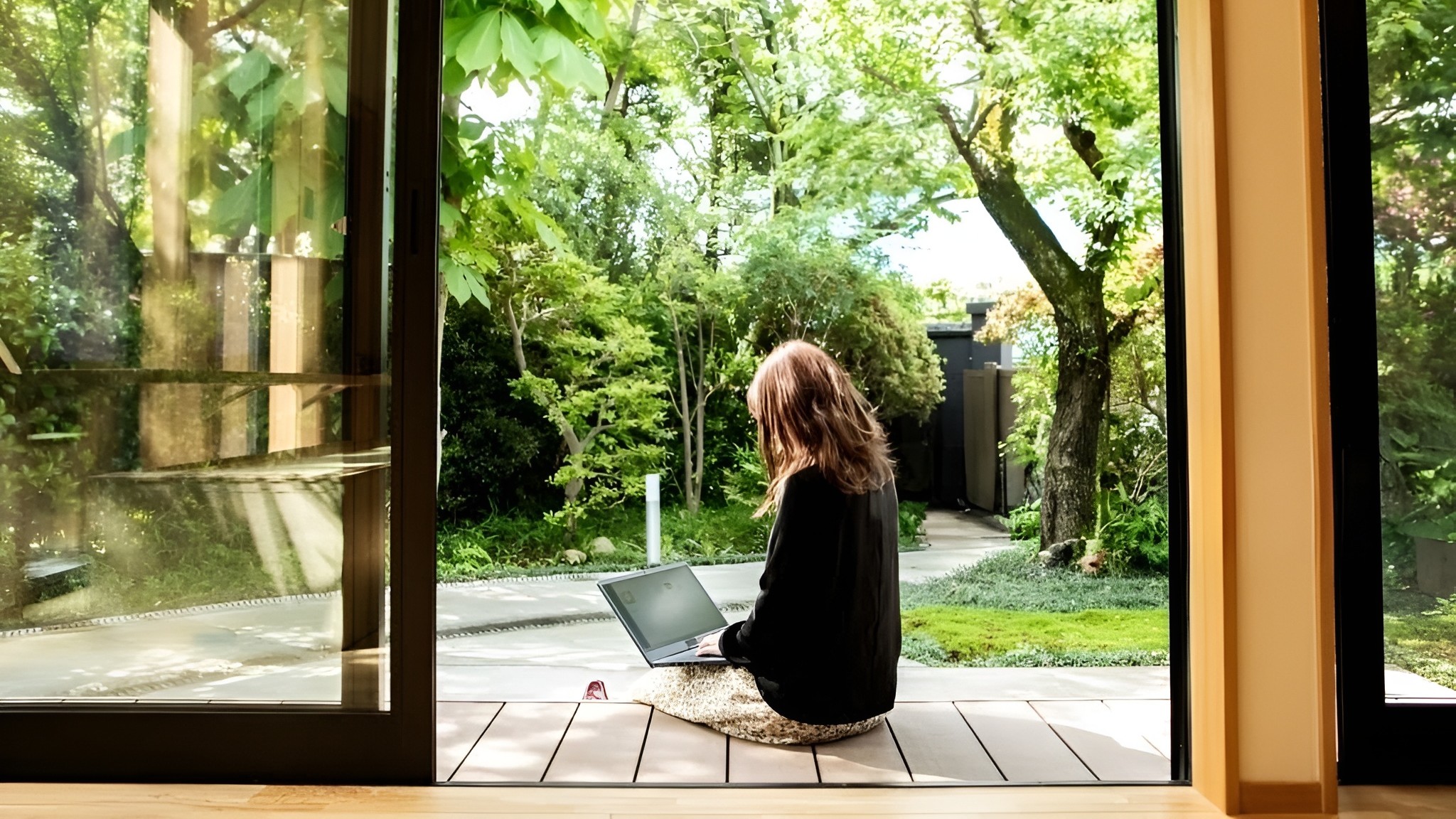
In many Western economies, personal worth is tied directly to professional output, leading to chronic burnout. Nordic culture actively rejected the glorification of overwork, prioritising a healthy balance between career ambition and personal life.
The standard workweek in Nordic countries hovers around 37 hours. Staying late at the office is not viewed as a sign of dedication; rather, it is often interpreted as poor time management. In those countries, workplaces are built around flexibility, allowing employees to manage their schedules around family commitments and engaging in personal hobbies.
The government has also made it a rule to allow Nordic workers to enjoy a minimum of four to five weeks of paid annual vacation, and they are highly encouraged to use it. Furthermore, parental leave policies are among the most generous in the world. Iceland and Sweden, for instance, offer extensive paid leave split between both parents, ensuring that the joys and responsibilities of early parenthood are shared equally, reducing gender gaps in career progression.
Cultural Philosophies Of Hygge, Lagom And Lykke
If you wish to truly understand the reason behind Nordic happiness, one must look at the specific untranslatable words that dictate their daily cultural practices. These are the core philosophies serving as mental frameworks for cultivating the feeling of contentment among individuals.
Hygge ( Denmark)

Pronounced “hoo-ga,” this Danish concept translates roughly to a feeling of cozy contentment and well-being. It is the practice of finding joy in simple and comforting things, like, a warm cup of coffee, candlelight, soft textures, and hearty conversations between loved ones. The term, “Hygge,” encourages people to slow down, practice mindfulness, and appreciate the present moment.
In modern interior design and lifestyle trends, hygge focuses heavily on natural elements like wood, wool blankets, and warm lighting to cultivate a peaceful home sanctuary. By creating an environment centered on comfort and intentional slow living, individuals can easily integrate these mindfulness practices into their daily routines.
Lagom (Sweden)

The term is pronounced as “lah-goom,” this Swedish ethos means “not too little, not too much; just enough.” It promotes moderation, balance, and sustainability in all aspects of life. By rejecting extreme consumerism and extreme self-denial alike, “lagom” helps individuals find satisfaction in what they have, preventing the endless cycle of chasing more status and material wealth.
This Swedish philosophy helps individuals achieve optimal work-life balance, furthermore, this path helps you to power financial stress, improves long-term mental health, and fosters collective environmental responsibility.
Sisu ( Finland)

Pronounced as “see-soo,” this Finnish term represents a unique mix of grit, resilience, and stoic determination. It is the psychological strength to keep going when faced with extreme adversity, such as long, dark winters. The word, “Sisu” reframes the hardships not as miseries, but as opportunities to build character.
This Finnish philosophy helps to build mental toughness and emotional resilience in individuals. This unique mindset teaches individuals to overcome obstacles and maintain perseverance when facing career challenges, stress, or life transitions. You can adopt this principle to culture inner strength, allowing you to unlock full potential and successfully navigate adversity.
The Healing Power Of Nature

Despite facing some of the harshest, darkest winters on the planet, Nordic populations maintain high spirits year-round. A major reason for this is their commitments towards “friluftsliv” ( pronounced as “free-loofthsleev”), which translates to “open-air life.”
In Nordic countries, like, Sweden, Norway, and Finland, a legal principle known as “Allemansratten (The Right to Public Access) grants everyone the right to roam freely though the countryside, camp overnight, swim in any water, and forage for wild berries or mushroom, regardless of who owns the land. This democratises access to nature, making the outdoors an egalitarian playground.
Nordic citizens do not let sub-zero temperatures keep them indoors. Armed with high-quality wool layers and technical year, they embrace winter through cross-country skiing, ice skating, and snowshoeing. This active lifestyle triggers the release of endorphins, combating Seasonal Affective Disorder (SAD) and keeping communities vibrant even in the darkest months.
Lower Inequality And The Absence Of The Status
Societal happiness is heavily influenced by relative status. In highly unequal societies, citizens often experience high anxiety caused by constantly comparing their wealth, homes, and lifestyles to those of others.
Nordic nations consistently register some of the lowest Gini coefficients, a measure of income inequality in the world. While wealthy individuals certainly exist, the gap between the highest earners and the lowest earners is significantly narrower than in nations like the United States or the United Kingdom.
Because of the low income inequality and cultural norms that discourage boasting, there is very little flashy display of wealth. In Nordic countries, driving an overly luxurious car or flaunting designer labels is often looked down upon. When luxury is not used as a tool for social stratification, the pressure to “keep up with the Joneses” disappears, leaving more room for genuine personal satisfaction.
Also Read: How Coca Cola Became The World's Most Recognizable Brand
Why Nordic Happiness Is About Security, Not Smiles
When analysing these global rankings, it is vital to clarify what “happiness” actually means in this context. The World Happiness Report evaluates the ranking of the countries based on life evaluation surveys, which measures overall life satisfaction rather than daily emotional euphoria.
Nordic happiness is not an emotional high; it is a steady sense of contentment, security, and purpose. It is a system designed to minimize structural misery, allowing individuals the freedom to build stable, meaningful lives. Once we start prioritizing trust, balance, community, and social safety, the Nordic countries offers a repeatable roadmap for policy makers and individuals worldwide, who are looking to foster sustainable well-being.