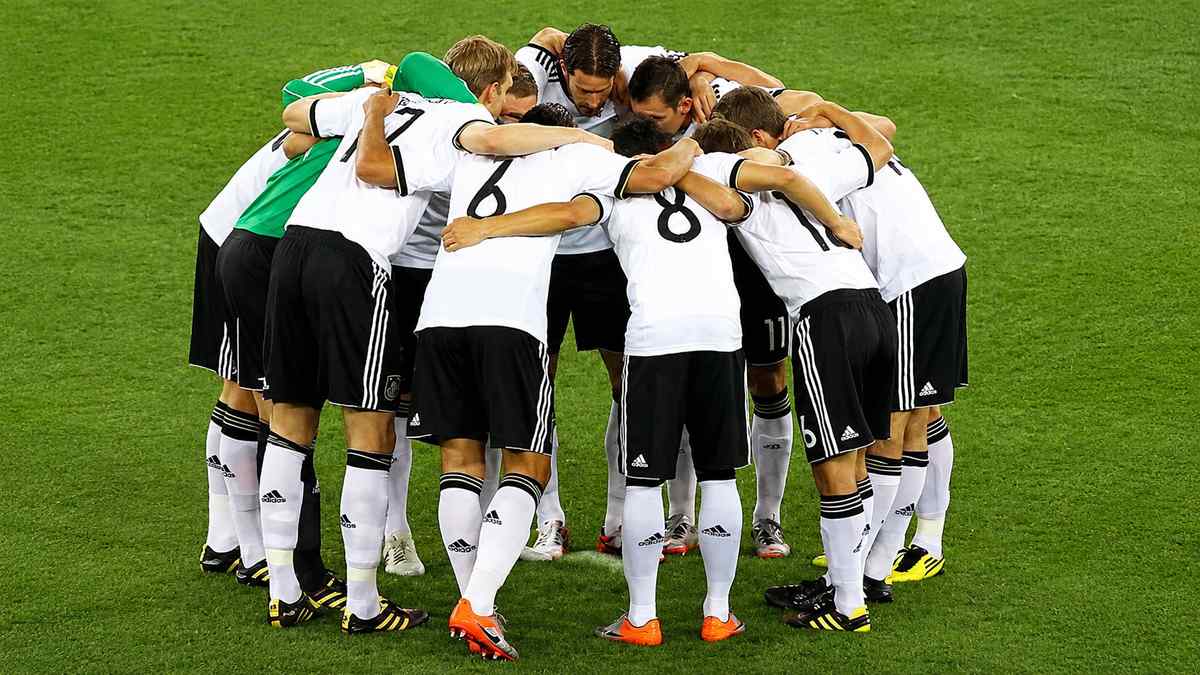
The World Cup is one of the biggest football events in the world, and every match puts players under a lot of pressure. In just ninety minutes, players must make quick decisions, work together, deal with sudden changes, and communicate clearly. Even a small misunderstanding can cause a mistake and change the result of the match.
Football skills are very important. However, having talented players does not always mean a team will win. A team may have some of the best players in the world, but if they do not communicate and work together, they may not perform well as a team. The most successful World Cup teams understand that communication is as important as individual skills.
The same idea applies to businesses and workplaces. A company can hire skilled employees, but they still need to talk to each other, share information, understand their duties, and support their teammates. Good communication helps people work together and reach the same goals. Here are five communication habits of successful World Cup teams that business leaders and managers can also use in the workplace.
Successful Teams Communicate Regularly
When watching a World Cup match, most people focus on the ball. However, if you watch the players carefully, you will notice that they are always talking to each other. Players call for the ball, warn their teammates about danger, give directions, and encourage each other. A defender may tell another player to move to a better place, a midfielder may ask for the ball, and a goalkeeper may guide the defenders standing in front of the goal.
Most of this communication is short and simple because players do not have time for long talks during a match. They quickly share important information that helps the team make better decisions. This regular sharing of information is an important part of teamwork.
Successful teams use the same idea in the workplace. Good managers do not wait for a monthly meeting or yearly review to talk with employees. They regularly check on their team members, give feedback, answer questions, and appreciate good work. These talks do not always need to be long or formal. A quick message, a short meeting, or a few minutes of feedback can help employees understand if they are doing their work correctly.
Regular communication also helps managers fix small problems before they become bigger. For example, if an employee does not fully understand a project, a quick talk can clear up the confusion. Without regular communication, the employee may continue working in the wrong direction and waste time.
Employees often follow the communication style of their managers. When managers welcome questions and ideas, team members also feel more comfortable talking openly with each other. Regular communication helps teams work smoothly and prevents misunderstandings. Great teams make communication a normal part of daily work instead of only talking during formal meetings.
Also Read: 5 Powerful Leadership Lessons From the FIFA World Cup 2026
Everyone Understands Each Team Member's Role
Successful World Cup players understand their own duties on the field. They also understand the duties and skills of their teammates. A defender knows how another defender may move, a striker knows when a midfielder will come forward to help, and a goalkeeper understands how defenders will react when the other team attacks. This understanding helps players know what their teammates may do next and allows them to make quick decisions.
Football is a team sport, and every player has a different job. A striker cannot do every defensive job, and a goalkeeper cannot leave the goal and play as a midfielder. Every player has a role, but all the roles are connected. When players understand how everyone works together, communication becomes easier, and the team becomes stronger.
The same idea is important in business. Employees should clearly understand their own duties. They should also have a basic understanding of what their teammates do and how their work is connected. For example, one team may create a product while another team promotes it. The sales team may need information from the product team before talking to customers. If employees do not understand these connections, work can become slow and confusing.
Clear communication is very important when work moves from one person or team to another. Everyone should know when the work is passed to someone else and who is responsible for the next step. Employees should also know who is responsible for making important decisions. If people do not know who should make a decision, projects may become slow.
Clear roles help everyone understand what they need to do and how their work affects the rest of the team. Trust is also very important. Team members need to trust that everyone will complete their work. When people trust each other, working together becomes easier, and the team can perform better.
Teams Talk About Problems Before They Become Bigger
The best football teams do not wait until halftime to talk about problems. Players communicate during the entire match and talk about their positions, defense, passing chances, and changes in the team's plan. If a player notices a problem in the team's defense, they talk about it immediately. If the other team keeps attacking from one side of the field, players may change their positions and warn their teammates.
Waiting too long to talk about a problem can lead to mistakes and give the other team a chance to score. Staying silent can create more problems. The same thing can happen in the workplace.
Employees sometimes wait too long before talking about an issue. They may notice that they cannot finish work before a deadline but say nothing. They may not understand a project but feel uncomfortable asking questions. Sometimes, employees may also realize that they do not have enough time, tools, or support to finish their work. If people do not talk about these problems early, small issues can quickly become big problems.
Successful teams encourage people to speak when they notice a problem. For example, if a project is falling behind, the team should talk about it immediately. Managers may be able to give extra help, change work plans, or give the team more time. Strong teams regularly look for possible problems and make changes before those problems become serious.
Employees also need to feel safe when talking about problems. They should feel comfortable asking questions, talking about mistakes, and sharing their worries. Leaders have an important role in creating this type of workplace. When managers listen carefully and treat employees with respect, people feel more comfortable talking about problems. Open communication helps companies find problems early and solve them faster.
Teams Communicate Clearly During Pressure
Pressure is a normal part of the World Cup. The final minutes of an important match can be very stressful. Players may be tired, the score may be close, and millions of people may be watching. During these moments, communication becomes even more important.
Successful teams communicate clearly when pressure increases. Players give simple directions and clear messages. They also try to control their emotions and stay focused. Panic can quickly cause mistakes. A player who loses focus may make a bad pass, move to the wrong place, or make a poor decision. Successful teams understand the importance of staying calm.
Workplaces also have many stressful situations. A new product launch, an unhappy customer, an important meeting, or several deadlines can put employees under pressure. During stressful times, people may focus only on their own work. They may stop sharing information or talking with teammates because they feel they do not have enough time. However, less communication during stressful situations can create more problems.
Successful teams continue to talk calmly and regularly. They clearly explain what is important, share updates, and make sure everyone knows what they need to do next. Managers have an important role during these situations. Employees often look at their managers to understand how serious a problem is. If a manager becomes angry or worried, employees may also feel more stressed. However, a calm manager can help the team feel more confident.
Clear communication reduces confusion. When employees understand the situation and know what work is most important, they can focus on completing their tasks. During stressful moments, teams need simple, clear, and calm communication.
Also Read: Lessons from the 2026 Verizon Outage
World Cup Teams Celebrate Small Wins
Football players and fans often show their emotions openly. Players celebrate goals, but goals are not the only moments they notice. A goalkeeper may celebrate an important save, defenders may congratulate each other after stopping an attack, and players may also appreciate a good pass or an important tackle. These small moments can change the result of a match.
A blocked shot can stop a goal, a strong tackle can stop the other team's attack, and a good pass can give another player a chance to score. Successful teams understand that the final result comes from many small actions during the match. Because of this, they appreciate and celebrate small wins.
Businesses can learn from this habit. Many companies only celebrate big achievements. Employees may receive praise after getting a promotion, completing a successful product launch, or helping the company earn more money. These achievements are important, but they often happen because of many smaller actions.
An employee may help a coworker solve a problem, someone may share useful information with the team, another employee may notice a problem before it becomes serious, or a manager may spend time helping a new employee learn. These small actions may not create a big result immediately, but they help the company succeed over time.
Good leaders notice positive work and thank employees for their efforts. Appreciation does not always need to include a big reward. A simple thank-you message or praise during a team meeting can make employees feel valued. When companies only celebrate final results, they may forget the teamwork and effort that helped create those results.
Successful teams understand that big success comes from many small contributions. Appreciating these contributions helps create a positive and supportive workplace.
What Businesses Can Learn from World Cup Teams
World Cup champions do not win only because they have the most talented players or the best football skills. Skills are important, but teamwork and communication are also very important. Successful teams communicate regularly. They share information, give quick feedback, and fix small problems when needed. Every player understands their own role and knows how their work connects with the rest of the team.
Good teams also talk about problems early instead of waiting for them to become bigger. When pressure increases, they communicate clearly and stay calm. They understand that panic and confusion can cause mistakes. Successful teams also celebrate small wins and appreciate the efforts of every team member.
Businesses and companies can follow the same ideas. Hiring skilled employees is not enough to create a successful team. Leaders need to create a workplace where people communicate openly, understand their duties, talk about problems early, and appreciate good work.
In business, having the most skilled employees does not always mean a company will succeed. A team that communicates well, trusts each other, and works together can have a stronger advantage.