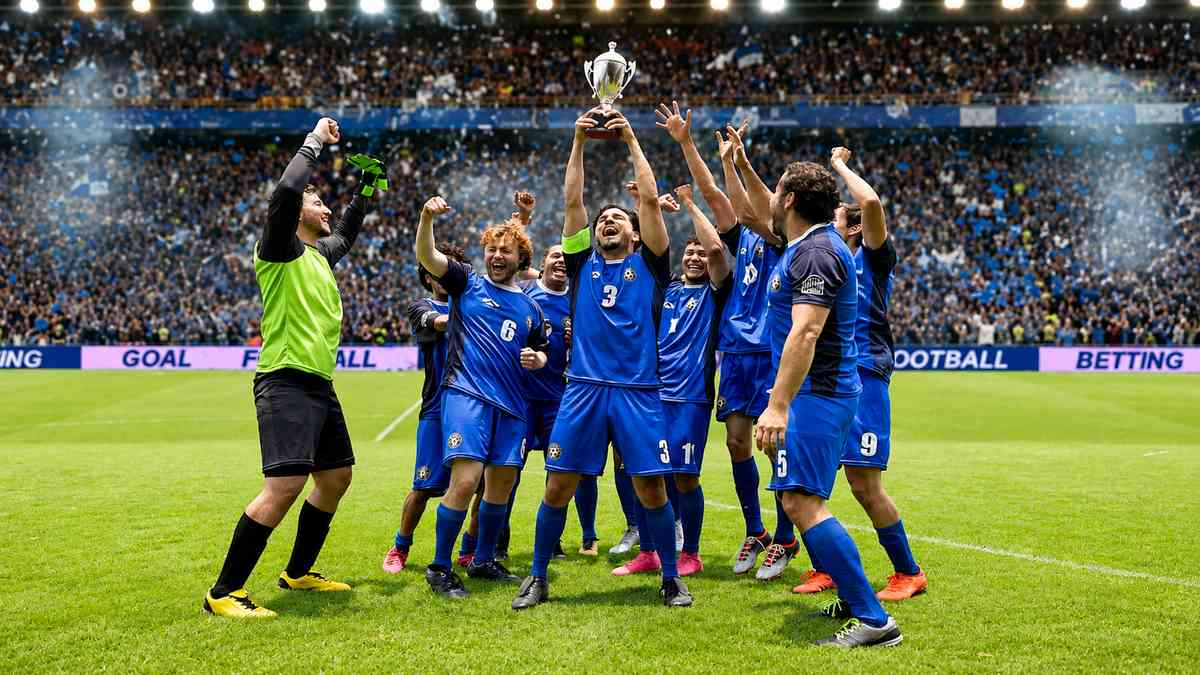
The FIFA World Cup 2026 has delivered everything football fans hoped for. The tournament has been filled with surprise results, emotional victories, dramatic exits, and inspiring performances from teams that many people did not expect to go far.
While some of the world's biggest football nations have struggled, several underdogs have shown that preparation, teamwork, and determination can be just as important as star players and big budgets. Beyond the excitement on the pitch, the World Cup also offers valuable lessons for leaders.
Whether you manage a team, run a business, or are working toward a leadership role, the tournament highlights qualities that can help you succeed in any field. Here are five important leadership lessons from the 2026 FIFA World Cup.
The Higher You Go, the Tougher the Competition
As the tournament reached the knockout stage, teams like France, Argentina, Spain, England, Portugal, and Brazil were all considered strong title contenders. However, former champions Germany and the Netherlands were eliminated much earlier than many expected. This shows that reaching the top is never easy, and staying there is even harder.
In football, every team wants to win the World Cup. The same is true in the workplace, where more people compete for fewer leadership positions as careers progress. Early in your career, strong technical skills may be enough to stand out, but at higher levels, employers also look for leadership ability, communication skills, decision-making, and the ability to inspire others.
Successful leaders understand that learning never stops. They continue building new skills, expanding their professional networks, and adapting to changing situations because they know that becoming comfortable can quickly lead to falling behind. The World Cup reminds us that past success does not guarantee future success, and every new challenge requires fresh preparation and continuous improvement.
Also Read: 5 Life-Changing Lessons From Atomic Habits
Understand the Situation Before Accepting a Leadership Role
One of the tournament's biggest talking points came when Tunisia dismissed manager Sabri Lamouchi after just one match. It was the first time a coach had been removed so early during a World Cup. His replacement, Hervé Renard, inherited a team that many believed had little chance of progressing.
This situation highlights an important leadership lesson because people are sometimes offered leadership positions only after problems have become severe. While such opportunities may look attractive, they often come with risks that are not immediately obvious. The concept of the "Glass Cliff" describes situations where women are more likely to be placed in leadership roles during times of crisis, making success much more difficult. However, the lesson applies to everyone, regardless of gender.
Before accepting any leadership position, it is important to take time to understand the challenges involved and ask questions about the organization's goals, financial health, team culture, and expectations. Doing proper research before taking on responsibility helps leaders make informed decisions instead of walking into situations that are already set up for failure.
Develop Future Leaders Before You Need Them
Winning a tournament like the World Cup requires much more than a talented starting lineup. Injuries, suspensions, and fatigue mean that successful teams depend on strong substitutes, experienced coaches, and support staff throughout the competition. Businesses face a similar challenge because organizations that prepare future leaders before they are needed are better equipped to handle unexpected changes.
Companies that fail to develop leadership talent often struggle when senior executives retire, resign, or move to new positions. According to research, poor succession planning costs businesses billions of dollars every year because leadership transitions are often poorly managed.
Strong leaders understand that building future leaders is part of their job. They mentor employees, delegate responsibilities, provide training, and create opportunities for others to grow. Just like football teams build squad depth before the tournament begins, organizations should build leadership depth long before leadership changes occur.
Stay Calm During Both Success and Failure
Some of the most memorable moments in the World Cup have not involved goals or trophies. Instead, they have come from acts of sportsmanship and respect between players and fans. Qatar's Assim Madibo visited Canada's Ismael Kone in the hospital after Kone suffered a serious injury during a match, while Brazilian supporters comforted a Japanese fan after Japan's elimination.
Throughout the tournament, players have also been seen helping injured opponents instead of focusing only on competition. These moments show that character often matters more than results. The same is true in leadership because every leader experiences both success and failure.
Winning a promotion, closing a major deal, missing a target, or facing criticism are all part of professional life, and how leaders respond during these moments often shapes their reputation more than the event itself. Leaders who remain calm under pressure, show respect to others, and handle setbacks with maturity earn long-term trust from colleagues and employees. Emotional control and professionalism help leaders build stronger relationships and inspire confidence even during difficult times.
Also Read: How “The Four Agreements” Changed My Life
Turn Being Underestimated Into an Advantage
One of the biggest success stories of the tournament has been Cape Verde. Playing in its first-ever FIFA World Cup, the small island nation became the smallest country ever to reach the knockout stage. The team remained unbeaten against strong opponents, including Spain and Uruguay, before eventually losing to Argentina in extra time.
Few people expected Cape Verde to achieve so much, and that lack of expectation allowed the team to play with confidence and determination. Many professionals experience similar situations during their careers because they may be overlooked due to their background, experience, age, or previous opportunities. Instead of seeing this as a weakness, successful leaders use it as motivation.
Being underestimated can reduce outside pressure while creating opportunities to surprise others with strong performance. History shows that many outstanding leaders built their careers by proving doubters wrong through consistent hard work and excellent results. Sometimes the greatest advantage comes when no one expects you to succeed.
What Leaders Can Learn From the 2026 FIFA World Cup
The FIFA World Cup 2026 is more than a global sporting event. It is also a reminder of what effective leadership looks like in real life. The tournament shows that success depends on continuous learning, careful decision-making, preparation for the future, emotional control, and the confidence to succeed even when others doubt you.
These lessons apply whether you lead a football team, a business, or a small project at work. Leadership is not defined by one victory or one defeat. It is built over time through preparation, resilience, good judgment, and the ability to inspire others. The stories from the FIFA World Cup 2026 remind us that the best leaders are those who continue learning, stay calm under pressure, and help others succeed along the way.