People have created some surprisingly strange laws over the years, and many of them involve food and drinks. While some laws were introduced to protect public health or local industries, others seem unusual by today's standards. Across the United States, several states and cities have adopted regulations that range from restrictions on margarine to rules about fried chicken, ice cream trucks, and even frog-jumping contests. Here are some of the most bizarre food and drink laws that have appeared in American law books.
Wisconsin's Long Battle Against Margarine
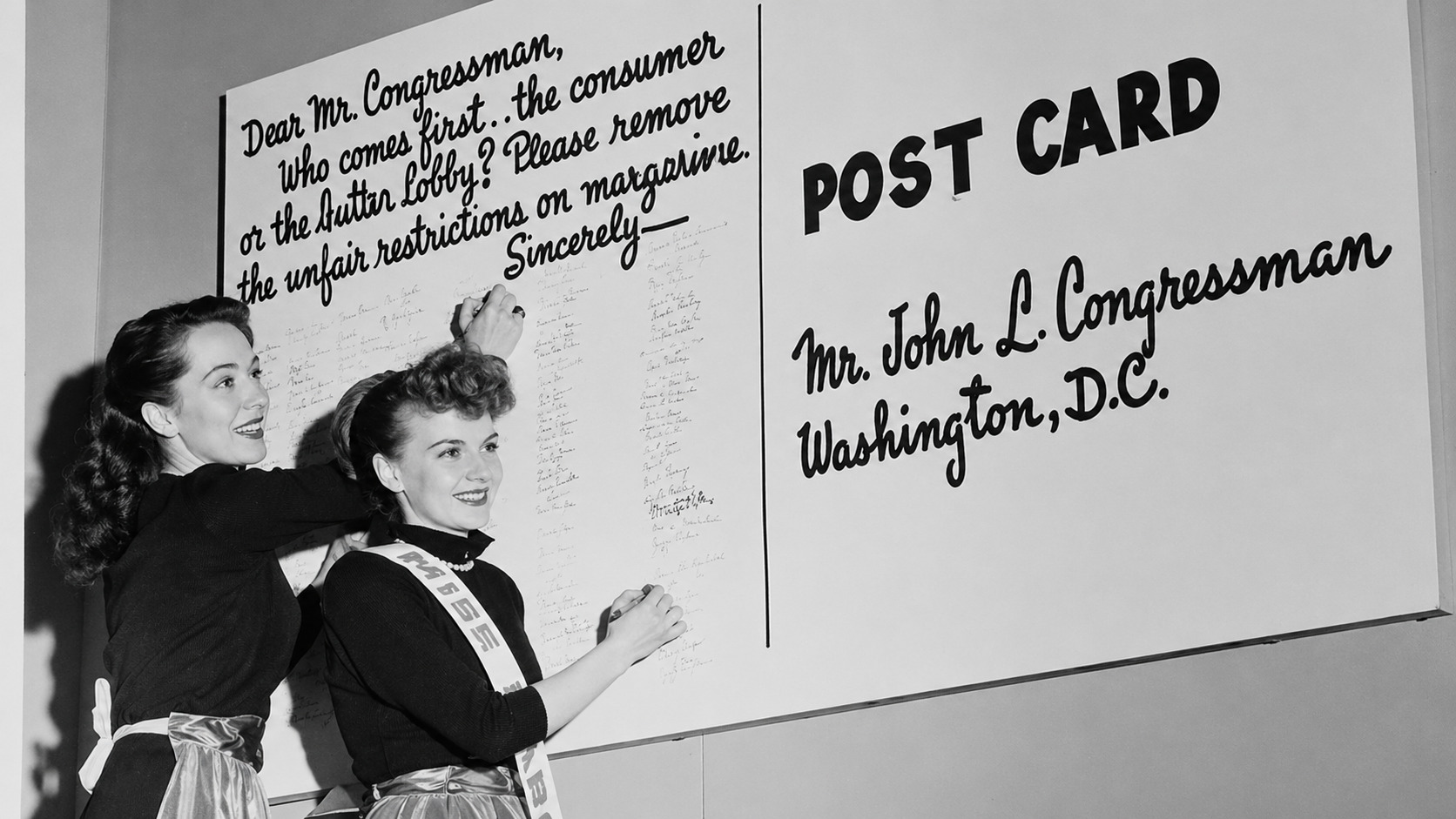
Wisconsin has long been known for its dairy industry, and for many years, the state viewed margarine as a threat to local butter producers. As a result, it became illegal to manufacture or sell margarine in Wisconsin. The restrictions were so strict that some residents traveled to neighboring states to buy margarine and secretly brought it back home. These activities became common enough that law enforcement occasionally became involved. Wisconsin finally legalized margarine in 1967, becoming the last state to do so. Even today, certain rules remain in place, including restrictions that prevent restaurants and institutional cafeterias from serving only margarine instead of butter.
Also Read: 10 Driving Rules Other Countries Have, But the US Doesn’t
Fried Chicken Must Be Eaten by Hand in Gainesville, Georgia

Gainesville, Georgia, proudly promotes itself as the "Poultry Capital of the World," and in 1961, the city passed a law making it illegal to eat fried chicken with a fork. The ordinance was created mainly as a publicity stunt to draw attention to the local poultry industry rather than as a serious attempt to regulate dining habits. The law gained national attention again in 2009 when a 91-year-old woman was jokingly arrested for eating fried chicken with a fork. The event was organized as a prank, and she was immediately pardoned, but it helped keep the unusual law in the public eye.
California's Strange Gas Station Alcohol Rules
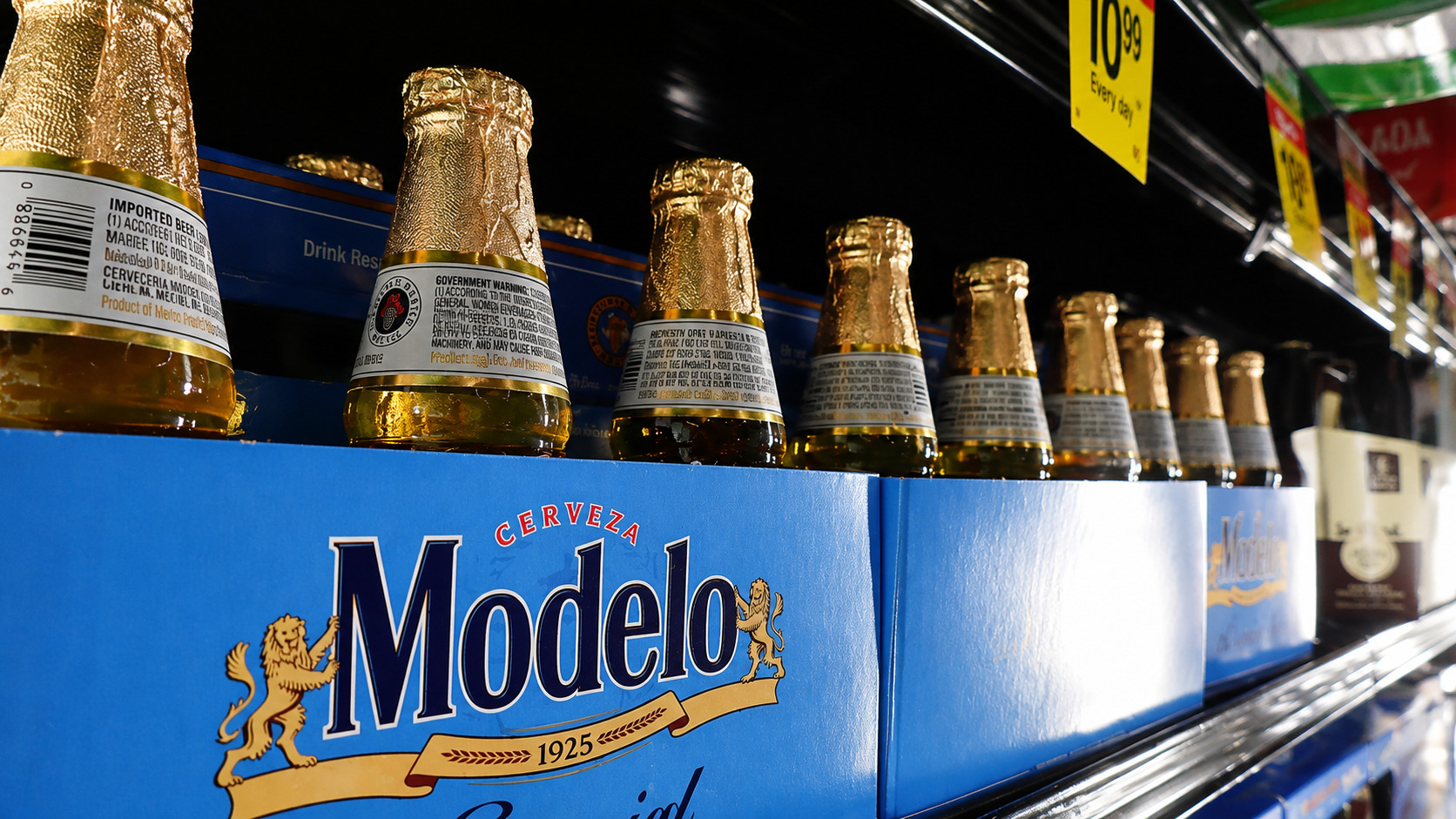
California has several regulations governing alcohol sales, including one that prevents gas stations from displaying alcoholic beverages within five feet of cash registers or entrances. The law was introduced in 1988 and was intended to reduce impulse purchases and regulate alcohol sales more effectively. However, the rule contains an unusual exception. Alcohol may still be displayed within the restricted area if it is stored in a permanent cooler. California also restricts certain types of alcohol advertising at gas stations, making the state's rules among the more unusual alcohol regulations in the country.
No Late-Night Car Picnics in Fenwick, Delaware
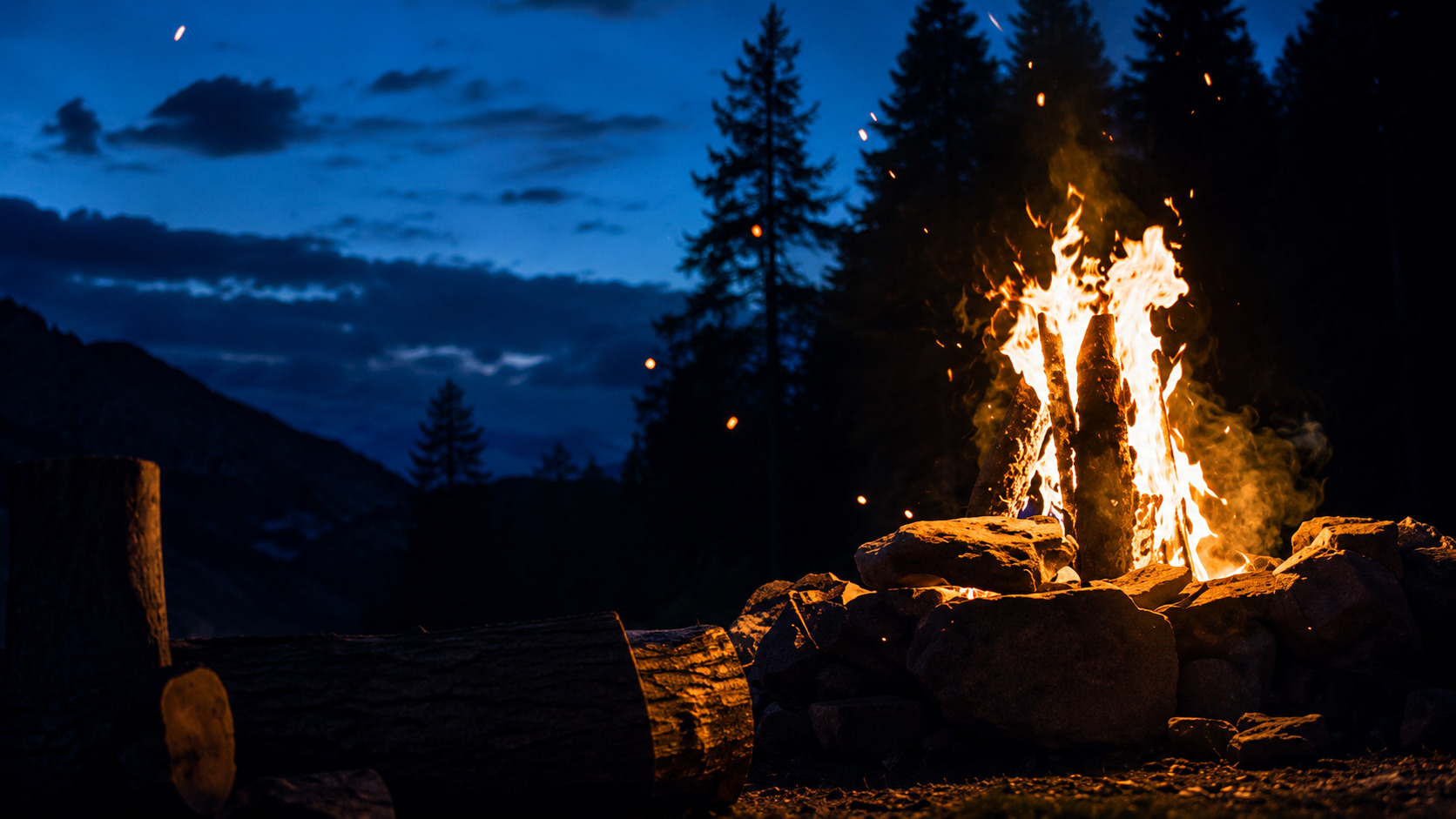
Fenwick, Delaware, is a coastal town known for its beaches and scenic surroundings. However, local laws prohibit people from using their vehicles as picnic areas between midnight and 6 a.m. This means that activities such as sitting in a parked car to enjoy food, tailgating, or relaxing with snacks near the beach during those hours are technically illegal. The regulation was introduced as part of broader efforts to maintain safety and reduce disturbances during late-night hours.
Margarine Was Once Required to Be Pink
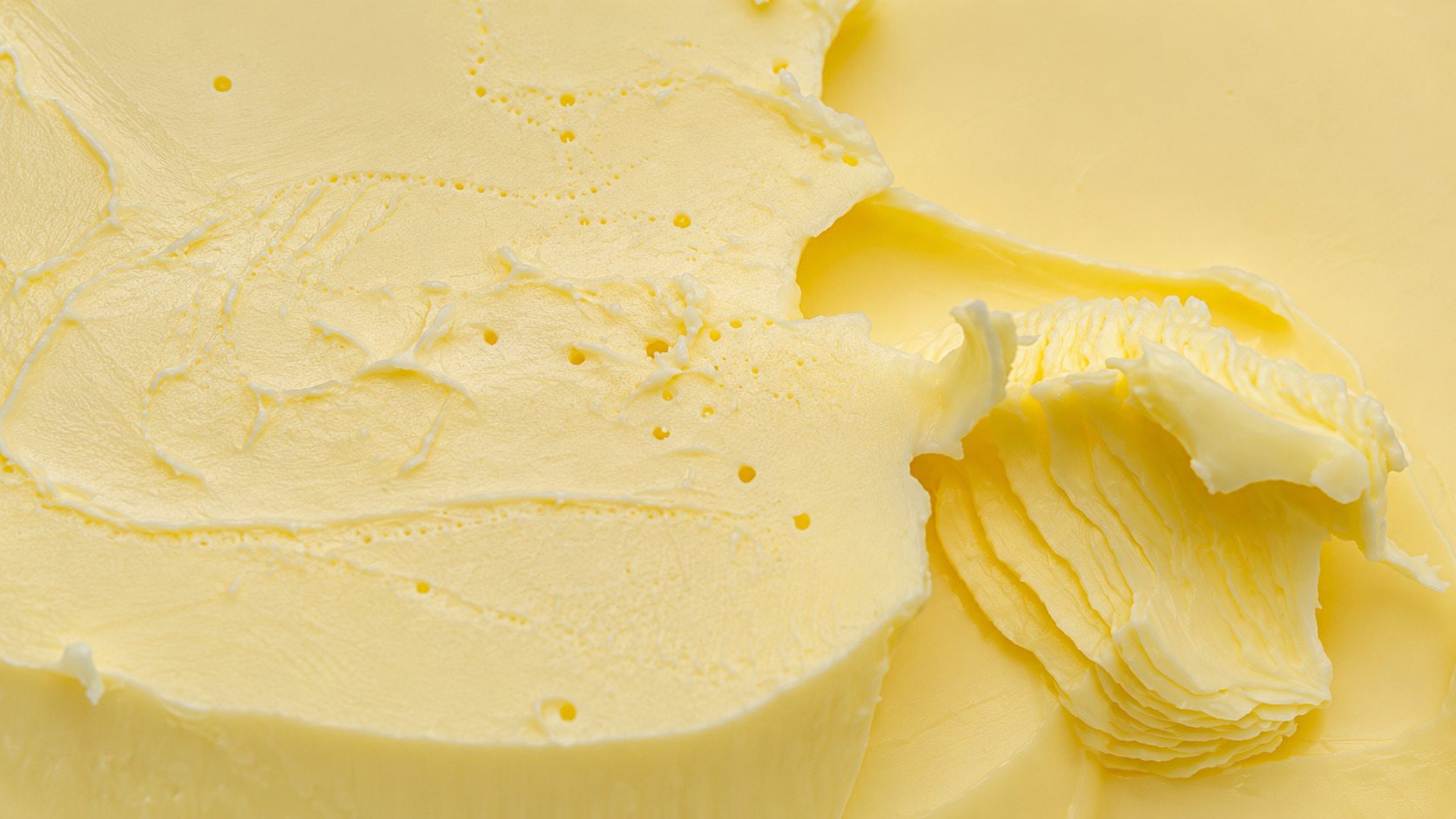
The battle between butter and margarine produced some of the strangest food regulations in American history. When margarine manufacturers began coloring their products yellow to resemble butter, dairy interests pushed back strongly. More than 30 states eventually introduced restrictions on margarine coloring. Some states went even further. New Hampshire briefly required margarine to be dyed pink before it could be sold. The goal was to make margarine less appealing and easier to distinguish from butter. Manufacturers later found ways around these rules by selling coloring packets that customers could mix into margarine at home.
Ice Cream Trucks Have Been Banned in Some Towns
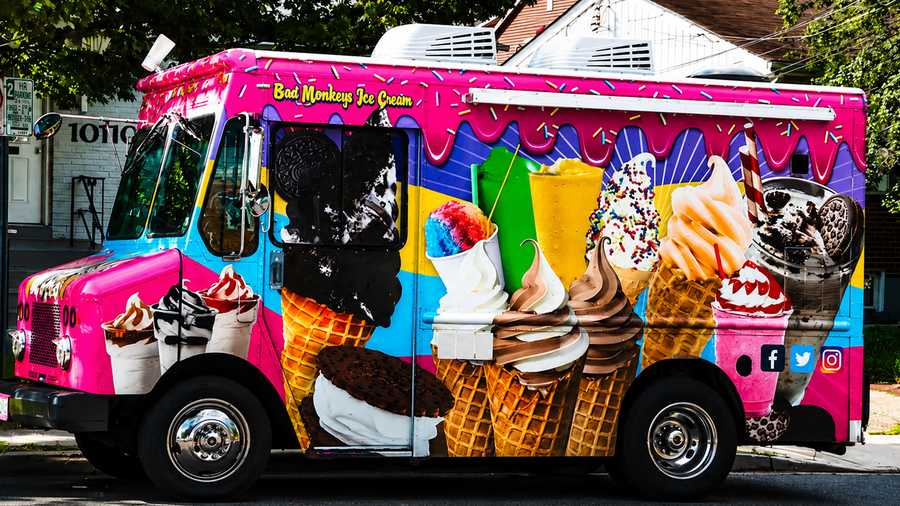
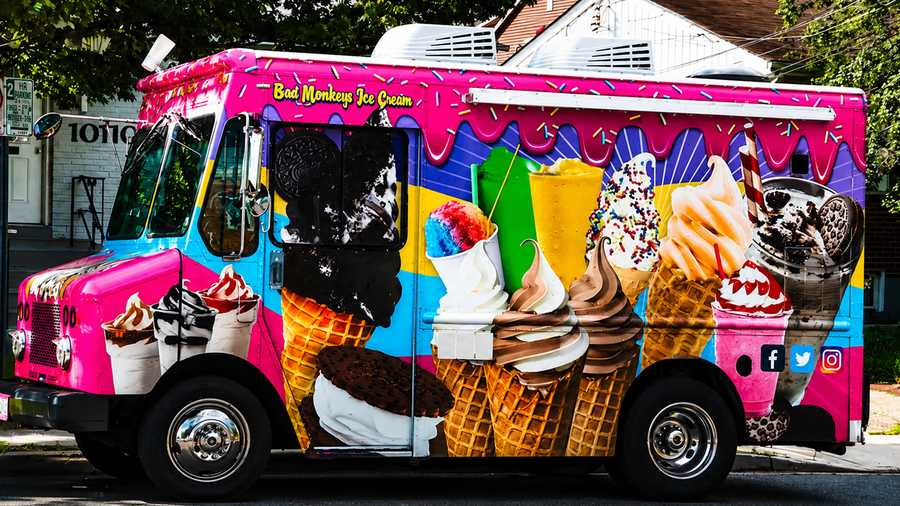
Ice cream trucks are often associated with summer afternoons and childhood memories, but some communities have viewed them as safety concerns. Aurora, Colorado, banned ice cream trucks in 1957 because officials believed they increased the risk of traffic accidents involving children. The ban remained in effect for more than 60 years before being removed in 2022. Similar restrictions have existed in other towns and cities across the country, showing that not every community welcomed mobile ice cream vendors.
The Home of Jack Daniel's Is a Dry County
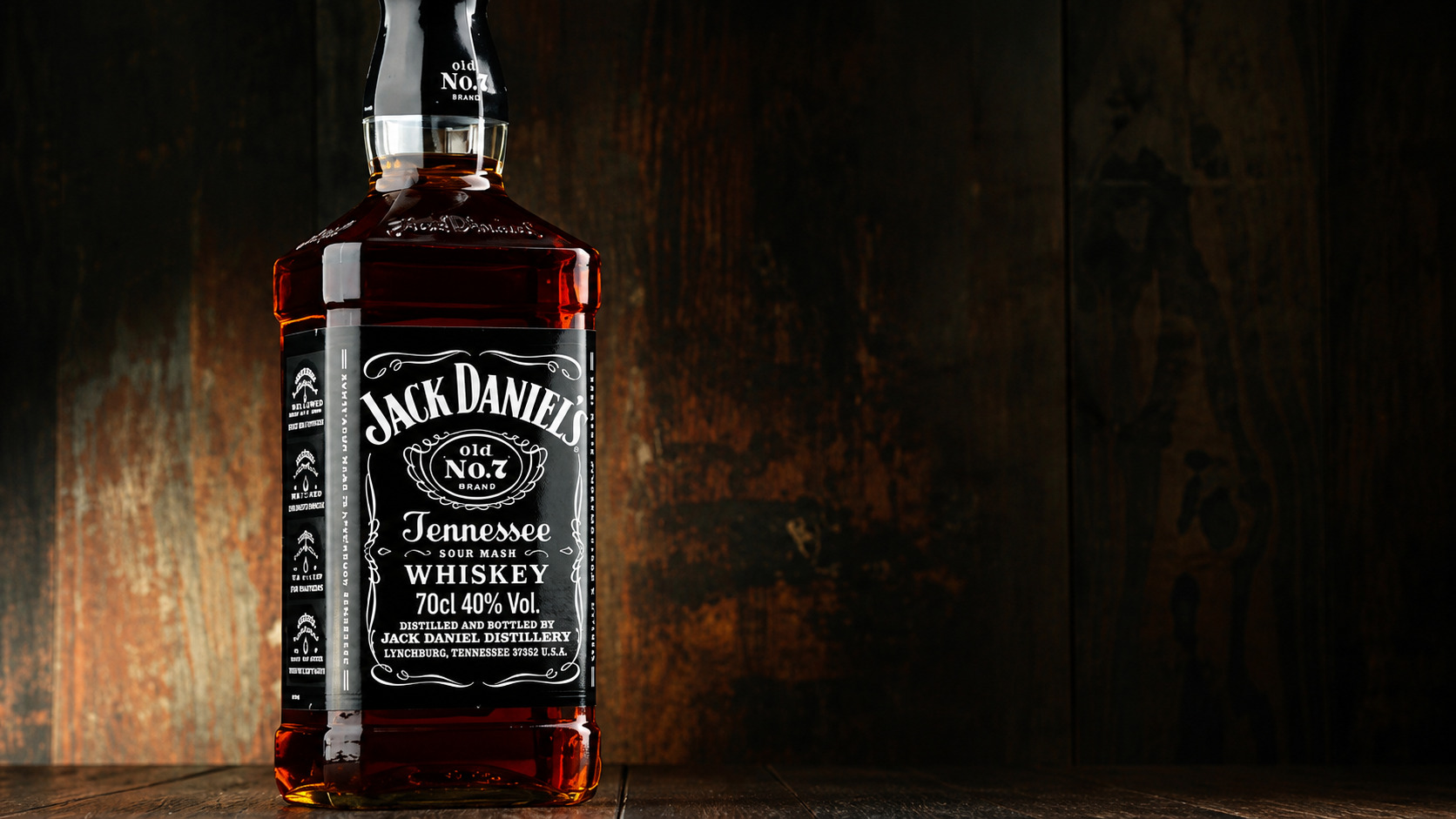
One of the most surprising alcohol laws in America involves Moore County, Tennessee, the home of the famous Jack Daniel's distillery. Despite producing one of the world's best-known whiskey brands, the county is officially dry, meaning alcohol sales are heavily restricted. Most restaurants cannot serve alcohol, and liquor stores are generally prohibited. However, Jack Daniel's is allowed to manufacture and sell its products under special legal exceptions. This unusual situation has made Moore County one of the most famous dry counties in the United States.
Maryland Protects Oysters From Unusual Uses
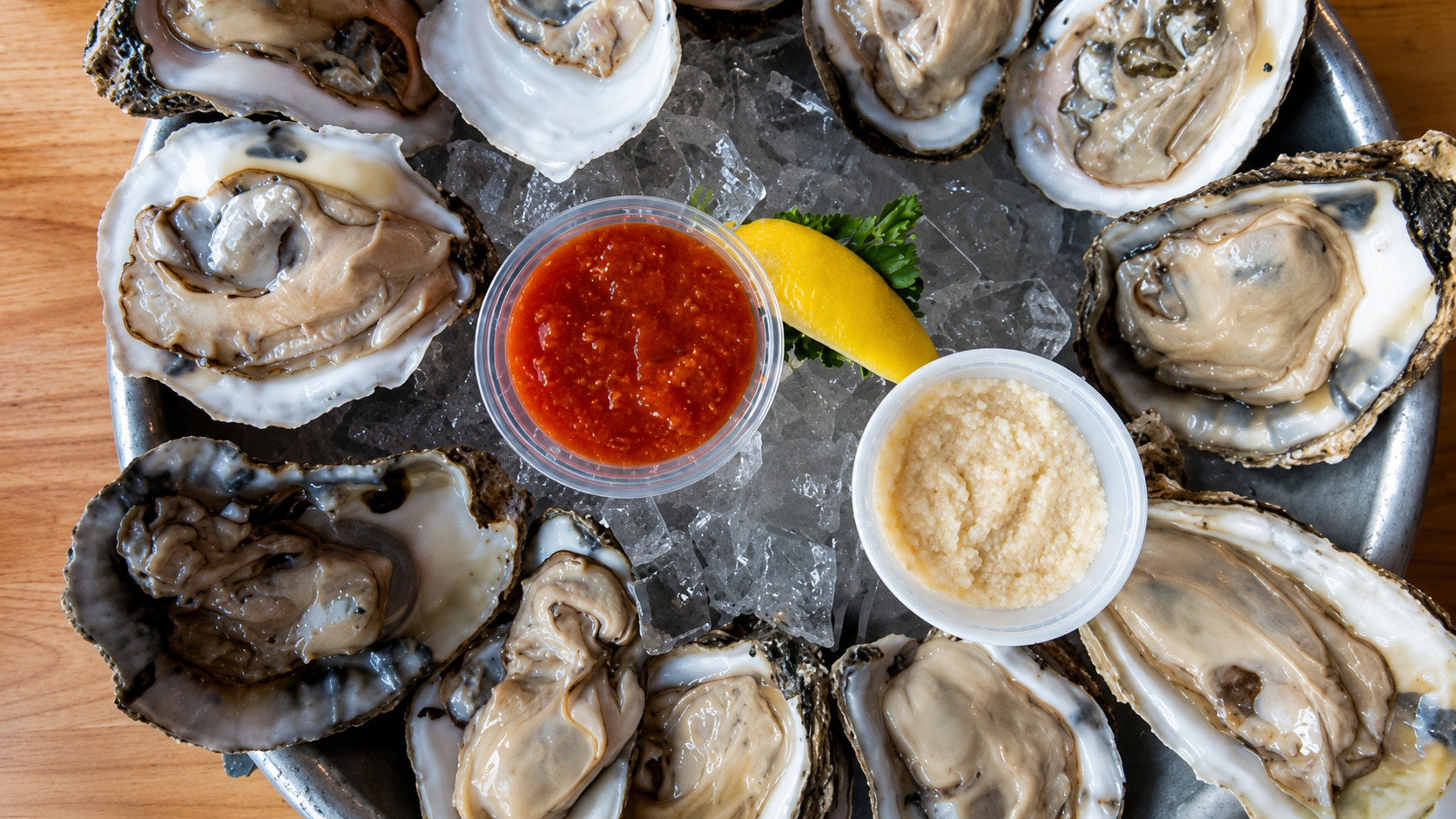
Maryland is famous for its oysters, particularly those harvested from Chesapeake Bay. To protect this valuable natural resource, state law prohibits oysters from being used for purposes such as chicken feed, road construction, or lime production. Lawmakers wanted to ensure that oysters remained a food product rather than being diverted to industrial uses. Although the law may seem unusual today, it reflects the economic and cultural importance of oysters in Maryland's history.
Also Read: 33 Surprising Things Made by Car Companies
No Alcohol at Bingo Games in North Carolina
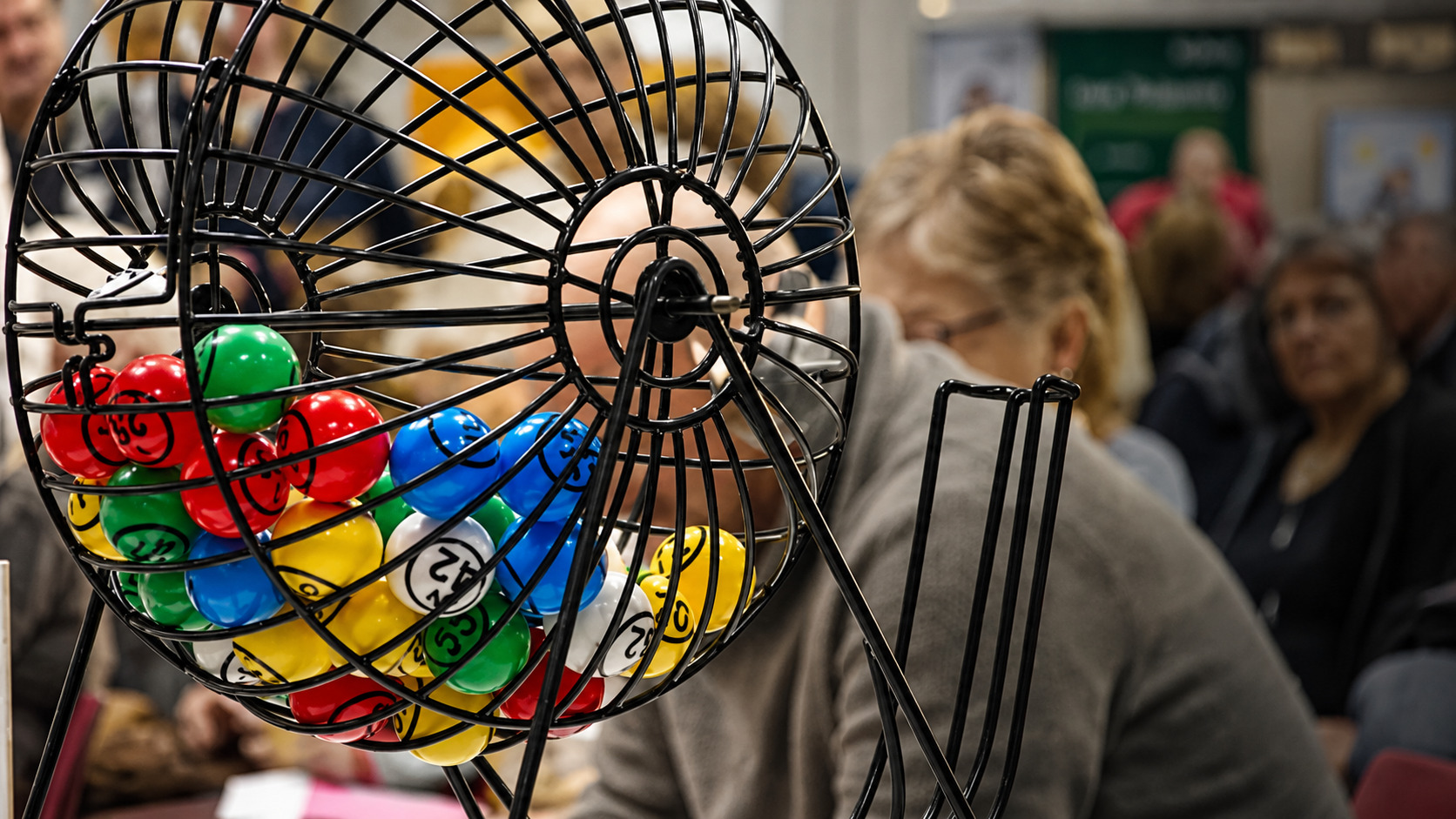
North Carolina has strict rules regarding bingo games and raffles. State law prohibits alcohol from being sold, served, or consumed during these events. The regulation was likely designed to prevent gambling activities from being combined with alcohol consumption. In addition to the alcohol restrictions, the state also limits how often bingo games can be held and how long they can last, making North Carolina's bingo regulations among the most detailed in the country.
Trick-or-Treating Has an Age Limit in Chesapeake, Virginia
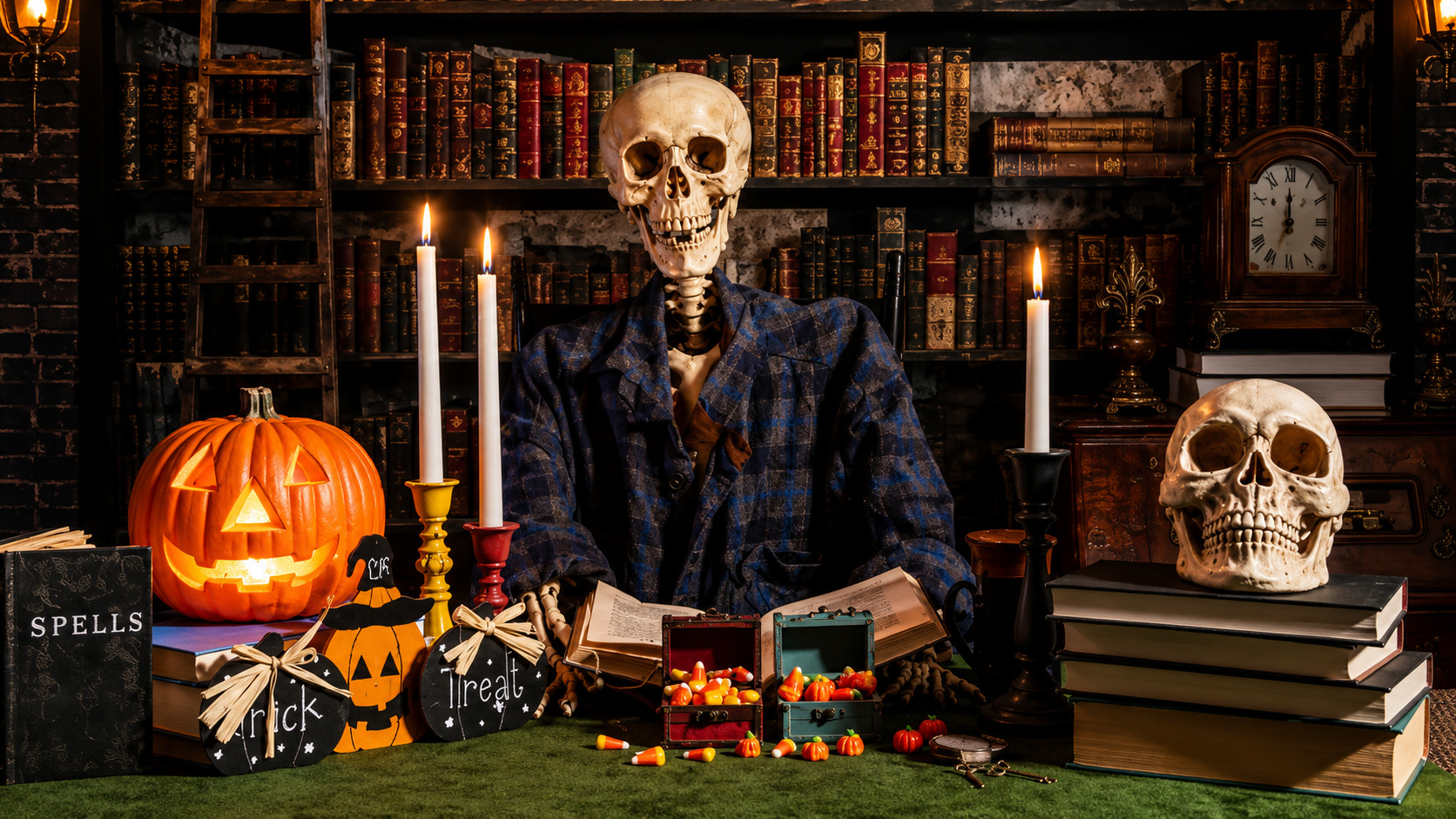
Halloween is usually considered an activity for children and teenagers alike, but Chesapeake, Virginia, has a law stating that anyone older than 14 is not allowed to go trick-or-treating. The law also restricts trick-or-treating after 8 p.m. Although local officials have stated that the rule is not actively enforced, it remains part of the city's legal code. Similar age restrictions can also be found in several other communities around the United States.
Bottomless Brunch Drinks Caused Legal Confusion in New York
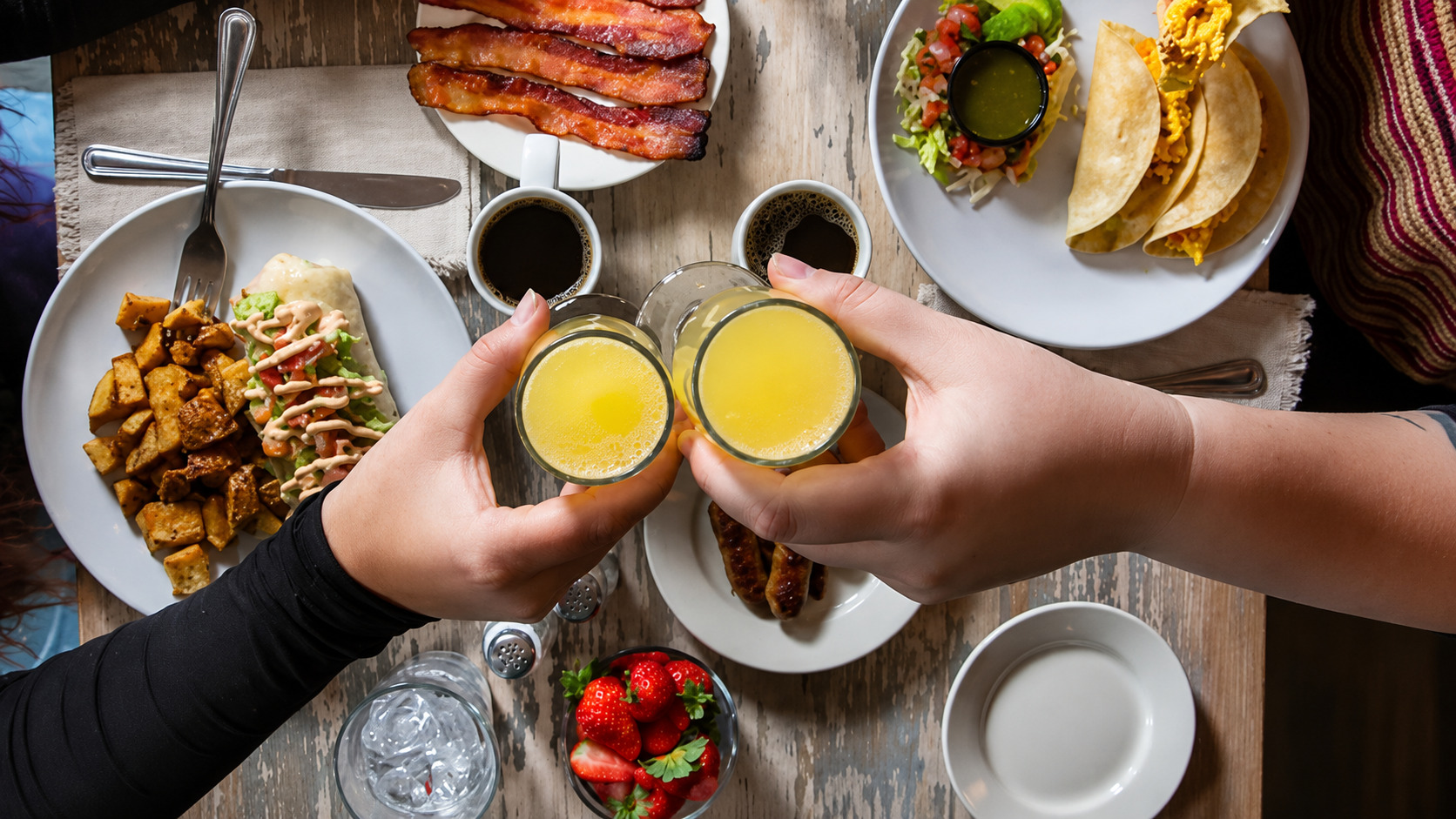
New York has long had a law prohibiting businesses from offering unlimited alcoholic drinks for a fixed price. As bottomless brunches became increasingly popular, many people questioned whether such promotions violated state regulations. The issue sparked legal debate, but state officials eventually clarified that many brunch promotions could continue under existing rules. As a result, bottomless mimosas and similar brunch offerings remain a common part of New York City's dining culture.
Funeral Homes in Massachusetts Cannot Serve Alcohol
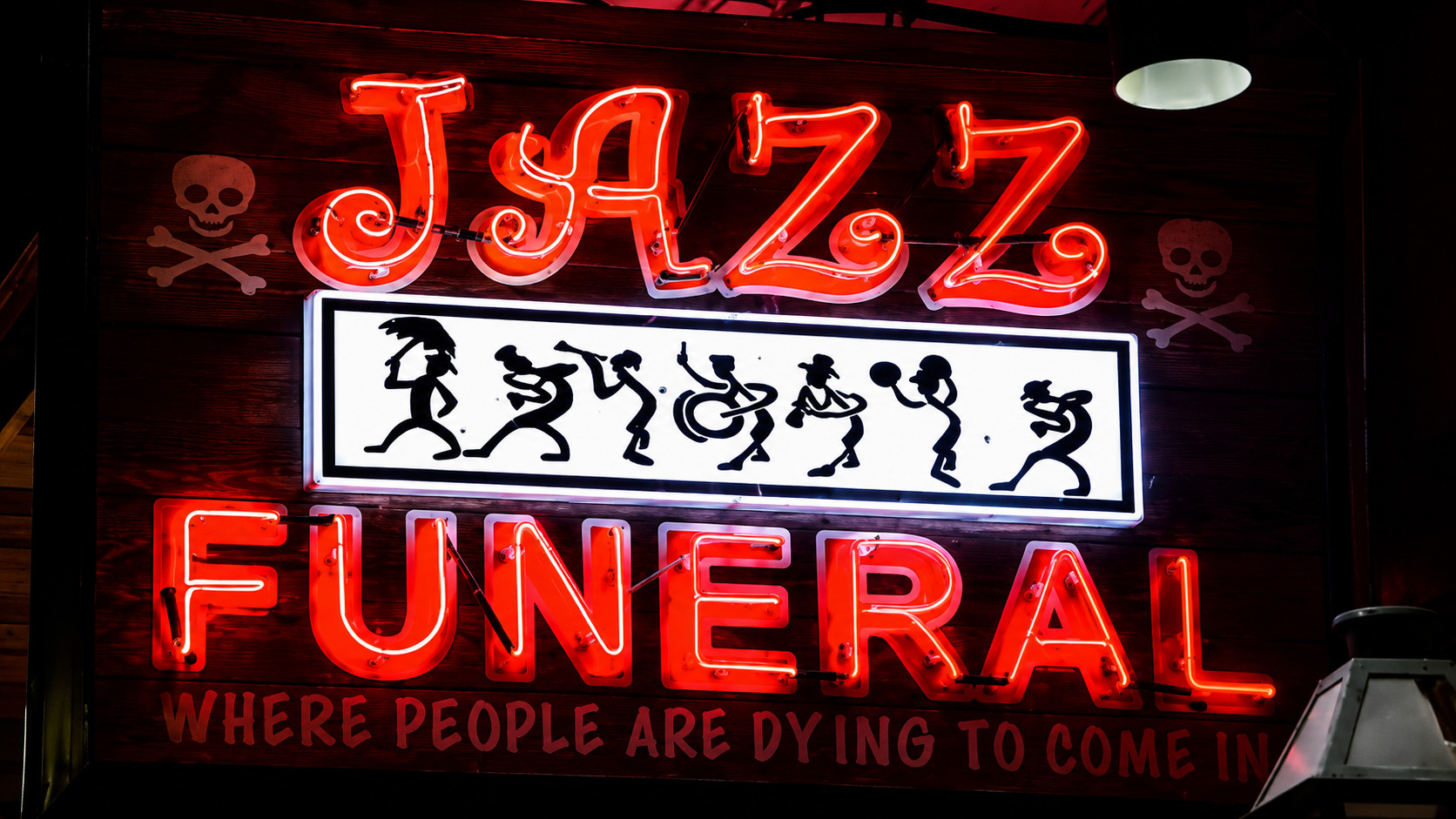
Massachusetts law prohibits licensed funeral homes from serving alcohol during services. The regulation likely originated from concerns about maintaining a respectful atmosphere during funeral events. While alcohol remains prohibited, the rules regarding food have become more flexible over time. Funeral homes are now allowed to provide refreshments, provided that the food is supplied by an outside vendor rather than prepared on-site.
Roadkill Can Be Taken Home in West Virginia

West Virginia has one of the country's most unusual wildlife-related laws. Drivers who accidentally hit and kill certain animals may legally take the animal home for personal use. However, the incident must generally be reported to authorities, and protected species are excluded from the rule. The state has even embraced this unusual aspect of local culture through roadkill-themed cooking events and festivals that celebrate unconventional foods.
No Honking Outside Sandwich Shops in Little Rock
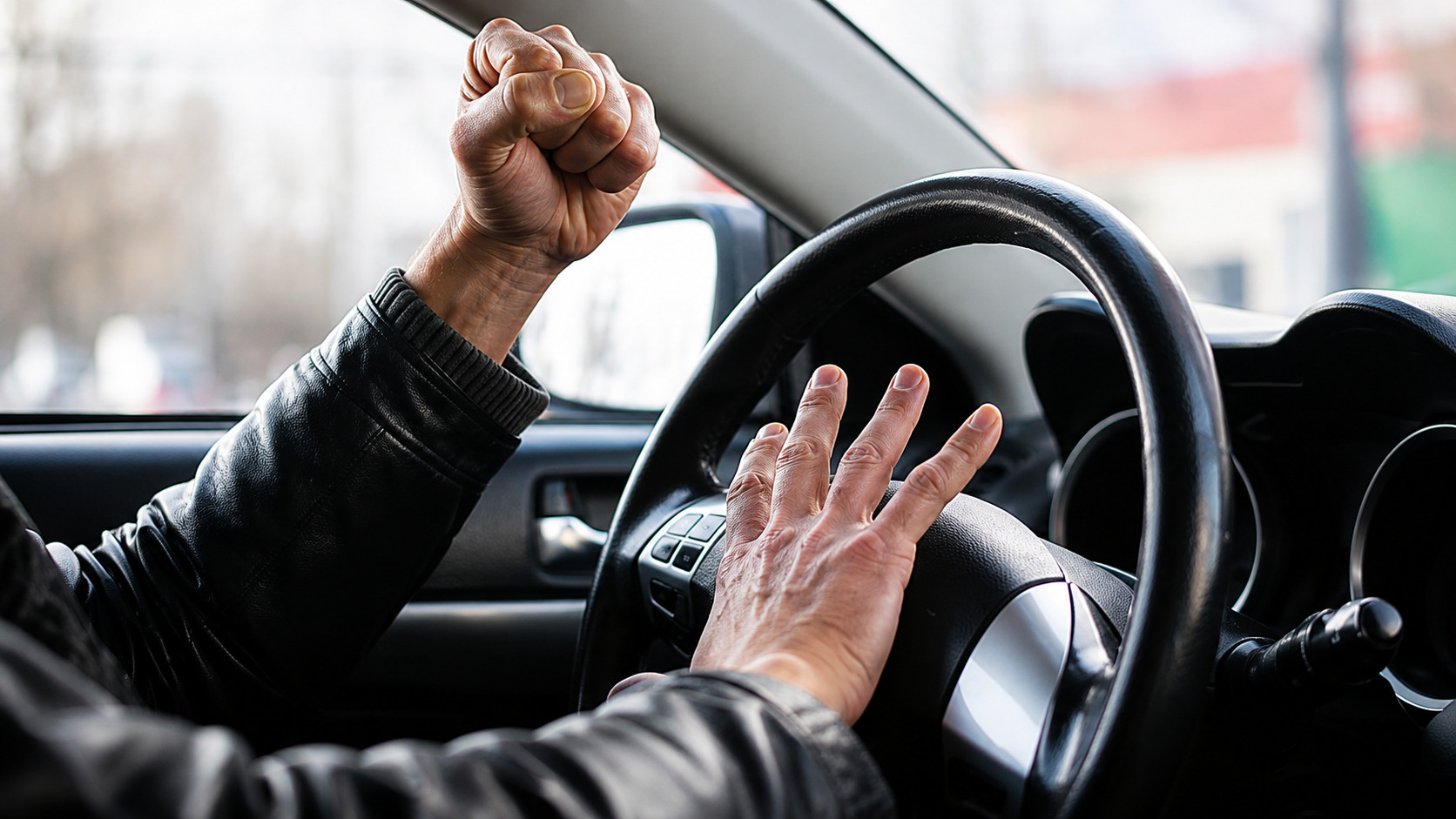
Little Rock, Arkansas, has a highly specific law that prohibits people from honking their car horns outside sandwich shops after 9 p.m. The regulation is part of a broader effort to reduce noise and disturbances around drive-in restaurants and nearby neighborhoods. Although the law may seem oddly specific, it reflects concerns about nighttime noise in commercial areas.
Mississippi's Anti-Bloomberg Law Protects Large Drinks
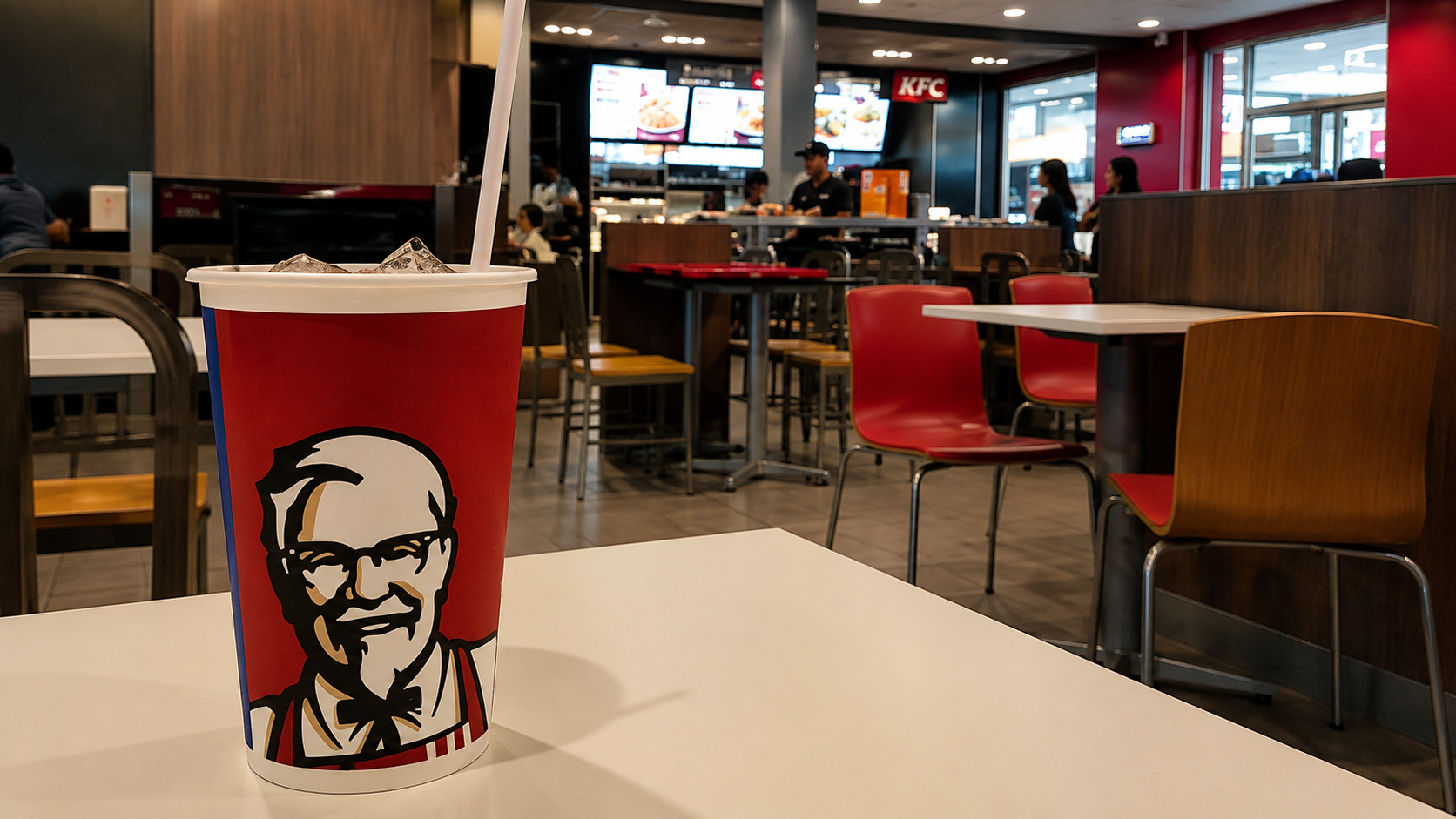
In response to debates about soda size restrictions in other parts of the country, Mississippi passed legislation preventing local governments from limiting food portion sizes or beverage servings. The law became widely known as the "Anti-Bloomberg Law" because it was introduced around the same time New York City was considering limits on large sugary drinks. The legislation was designed to protect consumer choice and prevent local authorities from regulating portion sizes.
Contest Frogs Are Protected in California
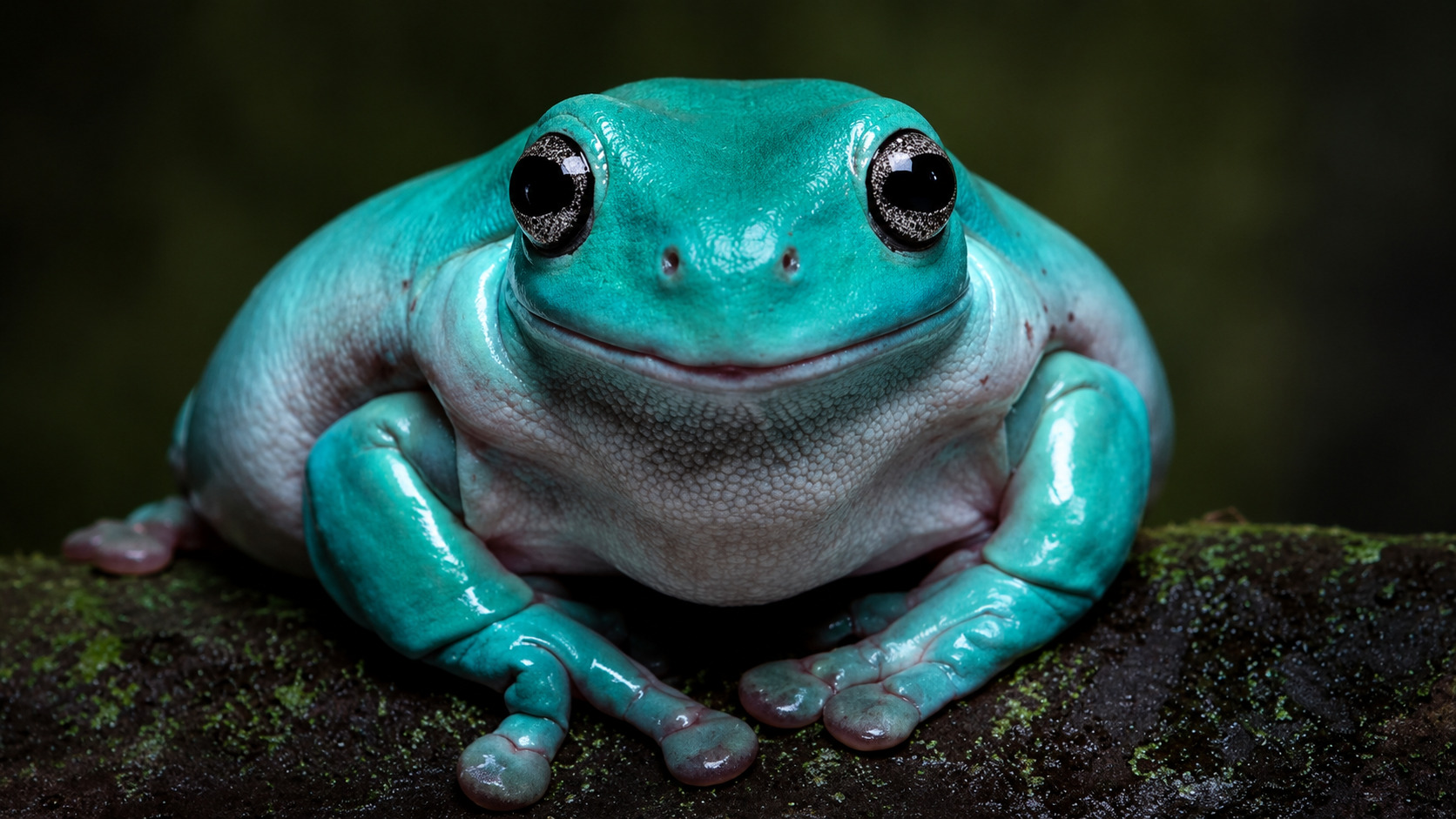
California's frog-jumping competitions are a long-standing tradition, and state law includes a surprising protection for participating frogs. Any frog that competes in a frog-jumping contest cannot legally be eaten if it dies. The law ensures that contest frogs are treated differently from frogs harvested for food and highlights the cultural significance of these events in some California communities.
Also Read: 20 Strange Travel Laws to Know Before Flying Abroad
Kansas Held Onto Prohibition for Decades
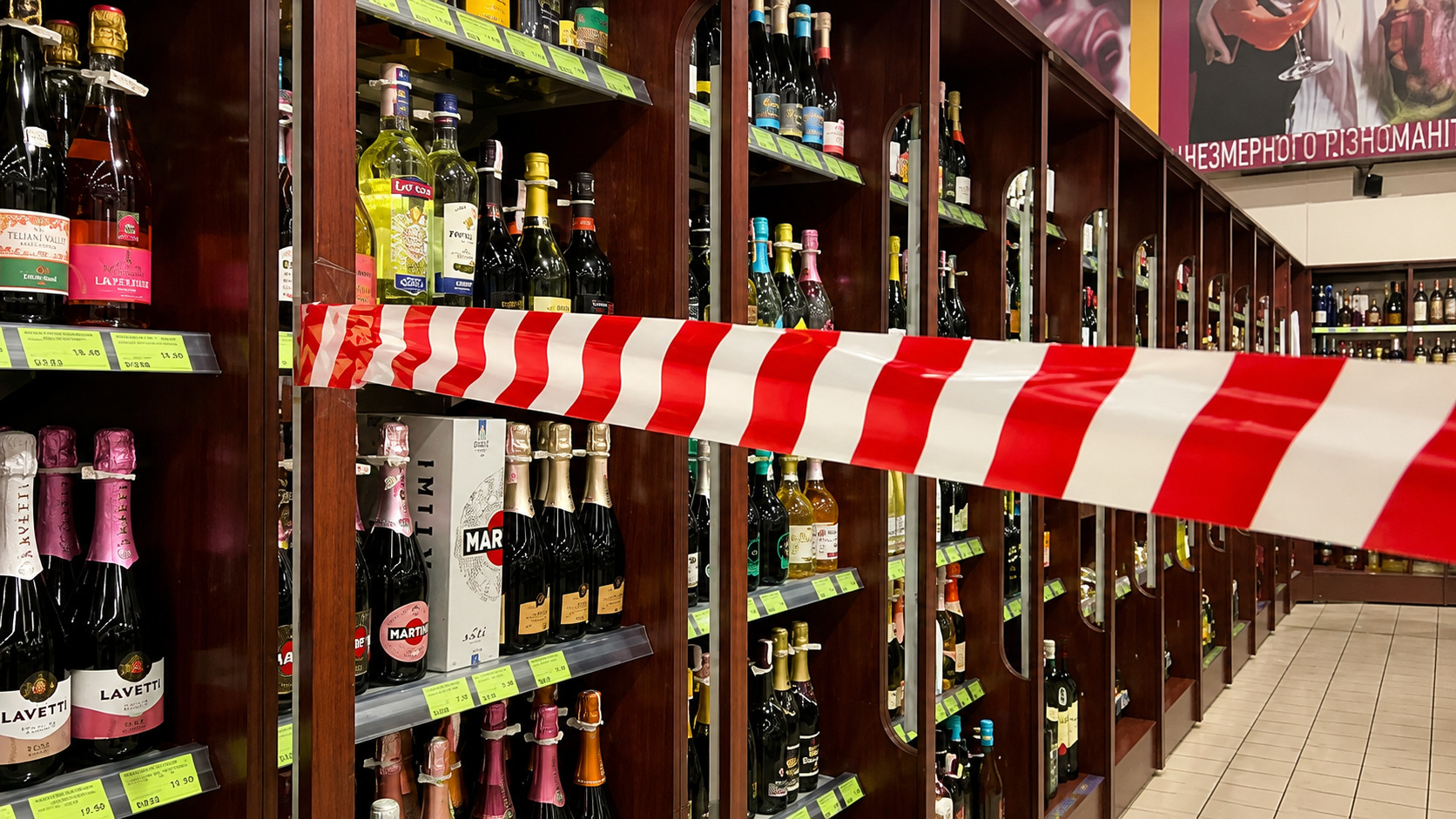
Kansas adopted statewide prohibition in 1880, long before national Prohibition began. Even after federal Prohibition ended in 1933, Kansas continued to maintain strict alcohol regulations. Liquor stores were eventually allowed to operate, but many restrictions remained in place. Microbreweries were not legalized until 1987, and happy hours remained illegal until 2011. These long-lasting restrictions made Kansas one of the most conservative states when it came to alcohol regulation.
Defacing Milk Cans Can Result in a Fine
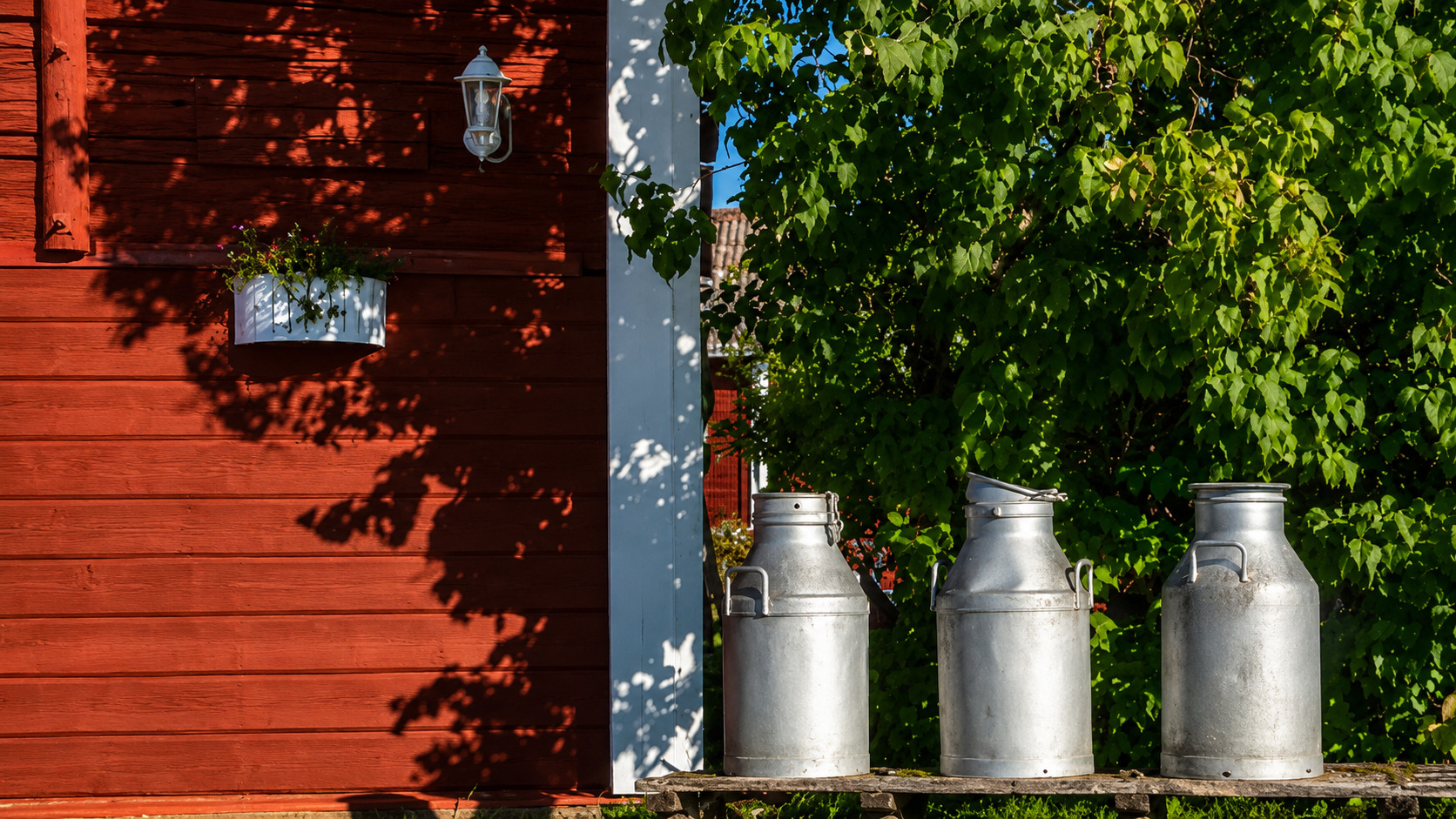
Massachusetts law includes an old regulation that makes it illegal to alter, damage, or deface milk cans, particularly if doing so changes the owner's identifying information. The law dates back to a time when reusable milk cans played an important role in the dairy industry. Although milk cans are rarely seen today, the regulation remains on the books. Anyone found violating the law can face a fine of up to $10.