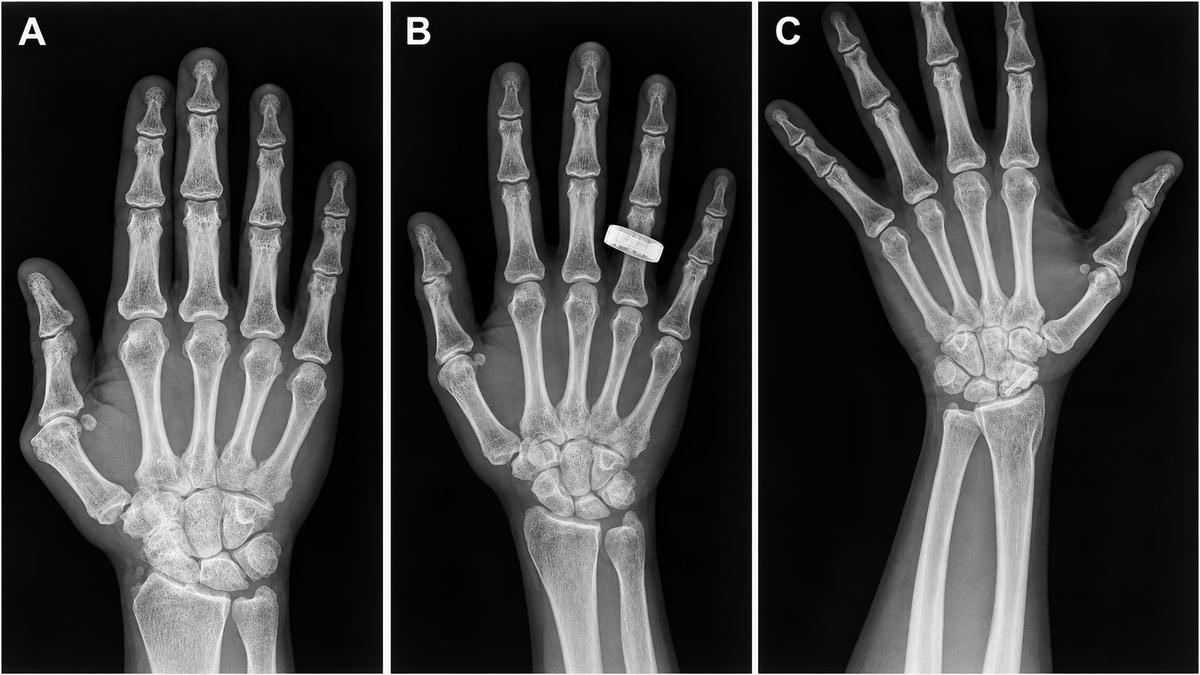
For the first time in history, scientists have successfully taken X-ray images in space, marking a major achievement that could improve medical care for astronauts during future space missions, especially long journeys to Mars.
As NASA works toward sending humans to Mars in the coming years, protecting astronauts' health has become one of its highest priorities because astronauts on a Mars mission will be millions of kilometers away from Earth and unable to return quickly if they become sick or injured. To address this challenge, researchers investigated whether a portable X-ray machine could produce clear and reliable medical images in the unique environment of space.
The study was led by Dr. Sheyna Gifford of the Mayo Clinic, with support from SpaceX and the crew of the Fram2 mission, and its findings were published in the July 2026 issue of the medical journal Radiology.
How the Study Was Carried Out
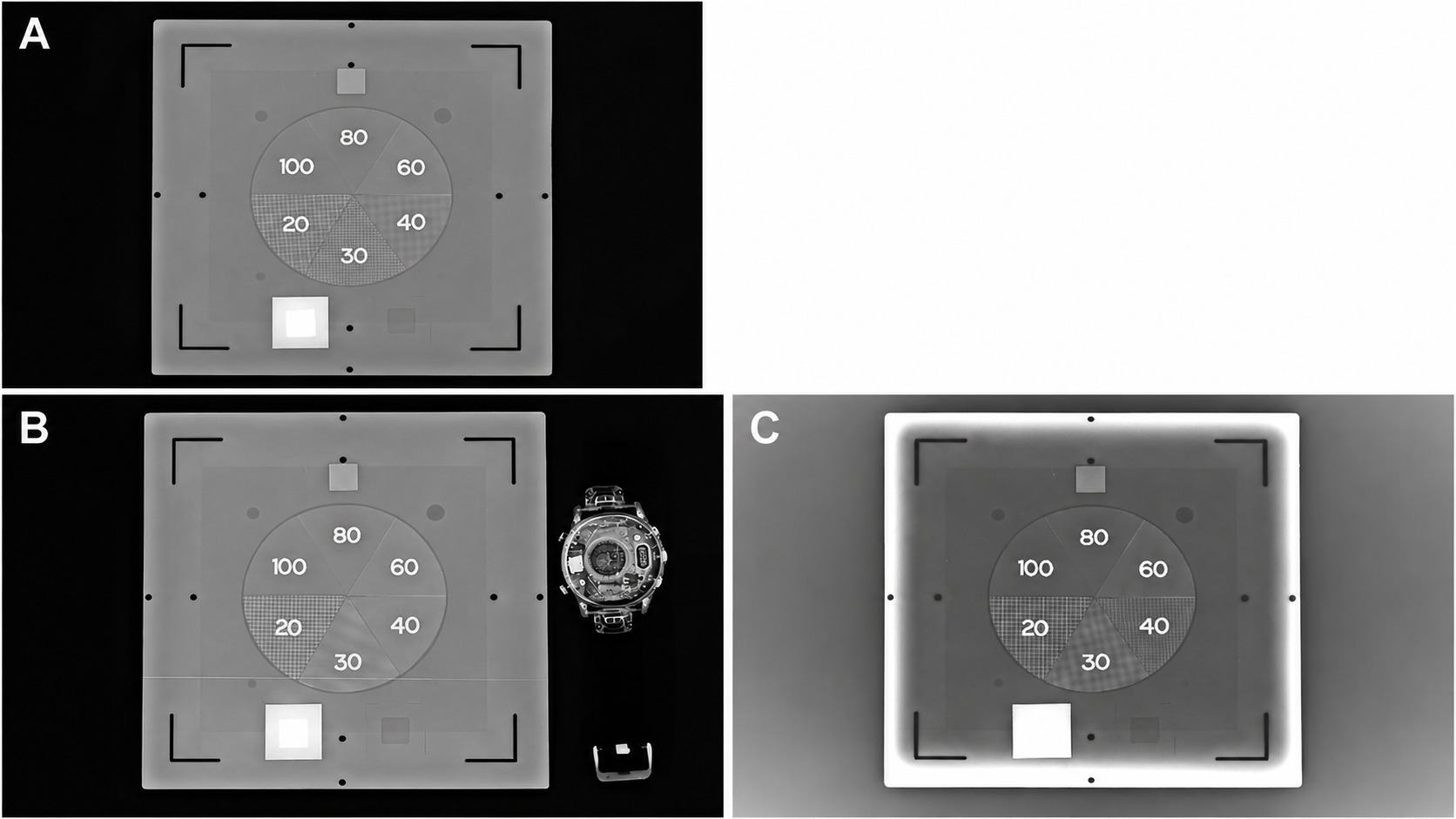
To evaluate the portable X-ray machine, astronauts first took X-ray images before launching into space and then repeated the process while in orbit. During the mission, they captured images of several objects and body parts, including a smartwatch, a hand, the abdomen (stomach area), and the chest.
The portable X-ray system used in the study is already widely used on Earth for disease screening in remote areas where hospitals are not easily accessible, and it is also used at sporting events where injuries are more likely to occur. After the mission, additional X-ray images of the same body parts and objects were taken on Earth by individuals who were not part of the space crew.
Independent radiologists carefully examined and compared all the images and found no differences in image quality, contrast, or resolution between those taken in space and those taken on Earth. These results demonstrated that portable X-ray machines can produce clear and reliable medical images even in the microgravity environment of space.
Also Read: Are Crocs Good for Your Feet?
Why This Discovery Is Important

The successful use of portable X-ray machines in space represents a significant advancement in space medicine. Until now, astronauts have relied mainly on ultrasound for medical imaging, but ultrasound requires a trained operator to perform scans accurately.
In some situations, astronauts have also used medical films and gels for certain procedures. Conventional hospital X-ray machines are too large and heavy to be practical for space missions, and they produce radiation while also being more sensitive to movement, which can affect image quality. In contrast, the portable X-ray machine tested during the Fram2 mission is compact, lightweight, easy to transport, and requires only minimal training to operate.
These features make it much more suitable for use during space missions, allowing astronauts to quickly examine broken bones, chest injuries, lung conditions, and other illnesses or injuries without relying on large medical equipment.
Portable X-Rays Can Also Help Repair Equipment
In addition to supporting medical care, portable X-ray machines can also be used to inspect spacecraft equipment. Astronauts can use the device to look inside machines and components without having to take them apart, making it easier to identify hidden faults and technical problems.
This ability to inspect equipment without disassembling it can save valuable time and help ensure that important spacecraft systems continue to function properly during long-duration missions.
Longer Space Missions Need Better Medical Care
As human space exploration extends farther from Earth, the likelihood of medical emergencies during missions increases. Although astronauts undergo extensive medical examinations and health screenings before being selected for spaceflight, no amount of testing can predict every illness or injury that may occur in space.
Earlier in 2026, an astronaut aboard the International Space Station (ISS) experienced a medical emergency that delayed a planned spacewalk and became the first NASA astronaut to return to Earth early because of a medical condition.
Fortunately, the ISS is close enough to Earth to allow a relatively quick return. However, astronauts traveling to Mars will not have that option because of the enormous distance involved. As a result, future Mars crews must be able to diagnose and treat medical conditions while remaining in space.
Portable X-ray technology is an important first step toward achieving this goal, but astronauts will also require more advanced medical training and additional medical equipment to manage emergencies effectively. Without these preparations, serious illnesses or injuries could prevent crew members from carrying out essential mission tasks.
Also Read: 8 American Medical Innovations That Changed the World
How Space Affects the Human Body
Scientists already know that spending long periods in space can cause significant changes to the human body. Research involving identical twin astronauts has shown that living in space can lead to lasting changes in gene expression and other biological processes that researchers are still working to understand.
Studies have also found that space travel can alter the shape of an astronaut's brain, particularly in regions responsible for balance and the processing of sensory information.
These findings represent only some of the many health challenges astronauts may face during long-duration missions. Scientists believe that gaining a better understanding of both the physical and psychological effects of space travel is essential before humans undertake extended missions to Mars.
A Big Step Toward Safe Human Missions to Mars
The first successful X-rays taken in space mark an important milestone in both space exploration and space medicine. The study has demonstrated that portable X-ray machines can function effectively in space while producing medical images that are as clear and reliable as those taken on Earth.
These devices have the potential to help astronauts diagnose injuries, monitor their health, and even inspect spacecraft equipment during missions. As NASA and other space agencies continue preparing for future human missions to Mars, medical technologies such as portable X-ray machines will play a vital role in ensuring that astronauts remain healthy, safe, and capable of completing their missions successfully.