Modern healthcare has transformed the way people live, recover, and survive. Today, it is difficult to imagine surgery without anesthesia, diabetes treatment without insulin, or emergency medicine without safe blood transfusions. These life-saving medical advances have become so common that many people rarely stop to think about how they came to exist. As the United States celebrates its 250th anniversary, it is the perfect opportunity to reflect on some of the nation's greatest contributions to medicine.
Over the past two and a half centuries, American scientists, doctors, nurses, and researchers have introduced groundbreaking innovations that have transformed healthcare not only across the United States but around the world. From improving vision to developing vaccines that protect millions, these discoveries continue to save lives and improve the quality of healthcare every day.
Benjamin Franklin Invents Bifocals (1784)

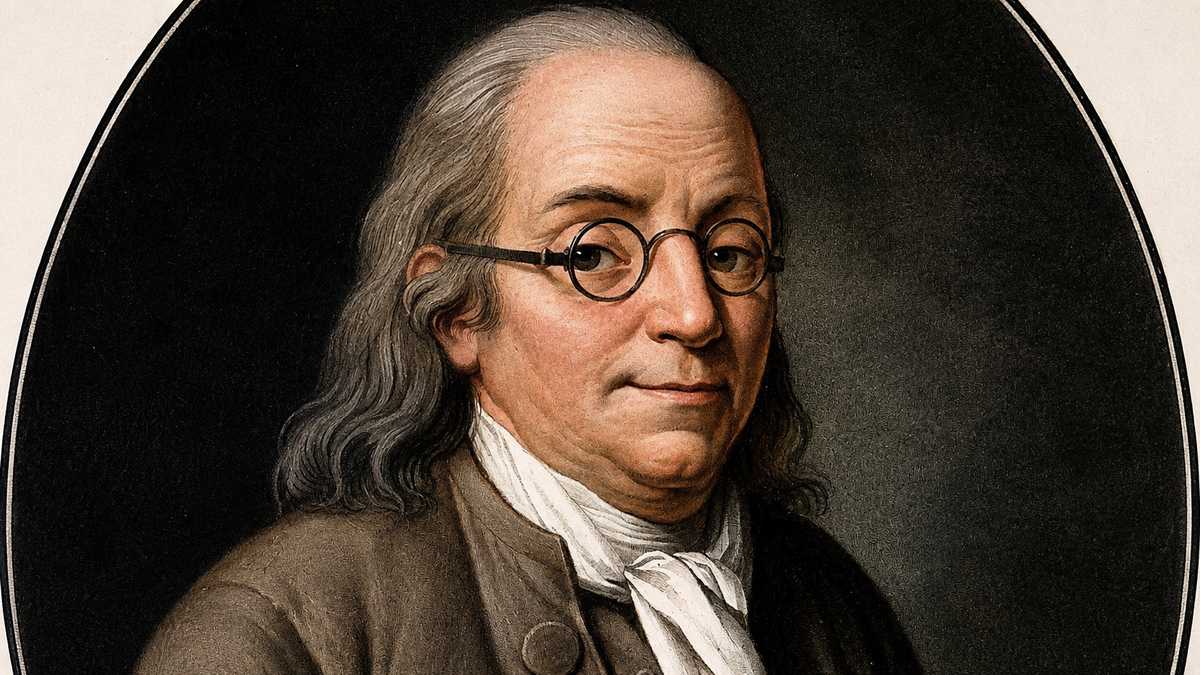
One of America's earliest healthcare innovations came from one of its Founding Fathers, Benjamin Franklin. Like many older adults, Franklin experienced difficulty seeing both nearby objects and those in the distance, making it inconvenient to constantly switch between separate pairs of glasses. In 1784, he devised a practical solution by asking his optician to cut two different pairs of lenses in half and combine them into a single frame.
The upper portion allowed him to see distant objects clearly, while the lower portion helped him read. Franklin called his invention "double spectacles," and it later became known as bifocals. Today, nearly 78 million Americans rely on bifocals or similar multifocal lenses. His simple yet ingenious invention greatly improved daily life for millions of people and remains one of the most enduring innovations in vision care.
Also Read: The Seven ‘W’ Wellness Rules to Improve Your Health
Ether Anesthesia Makes Surgery Less Painful (1846)
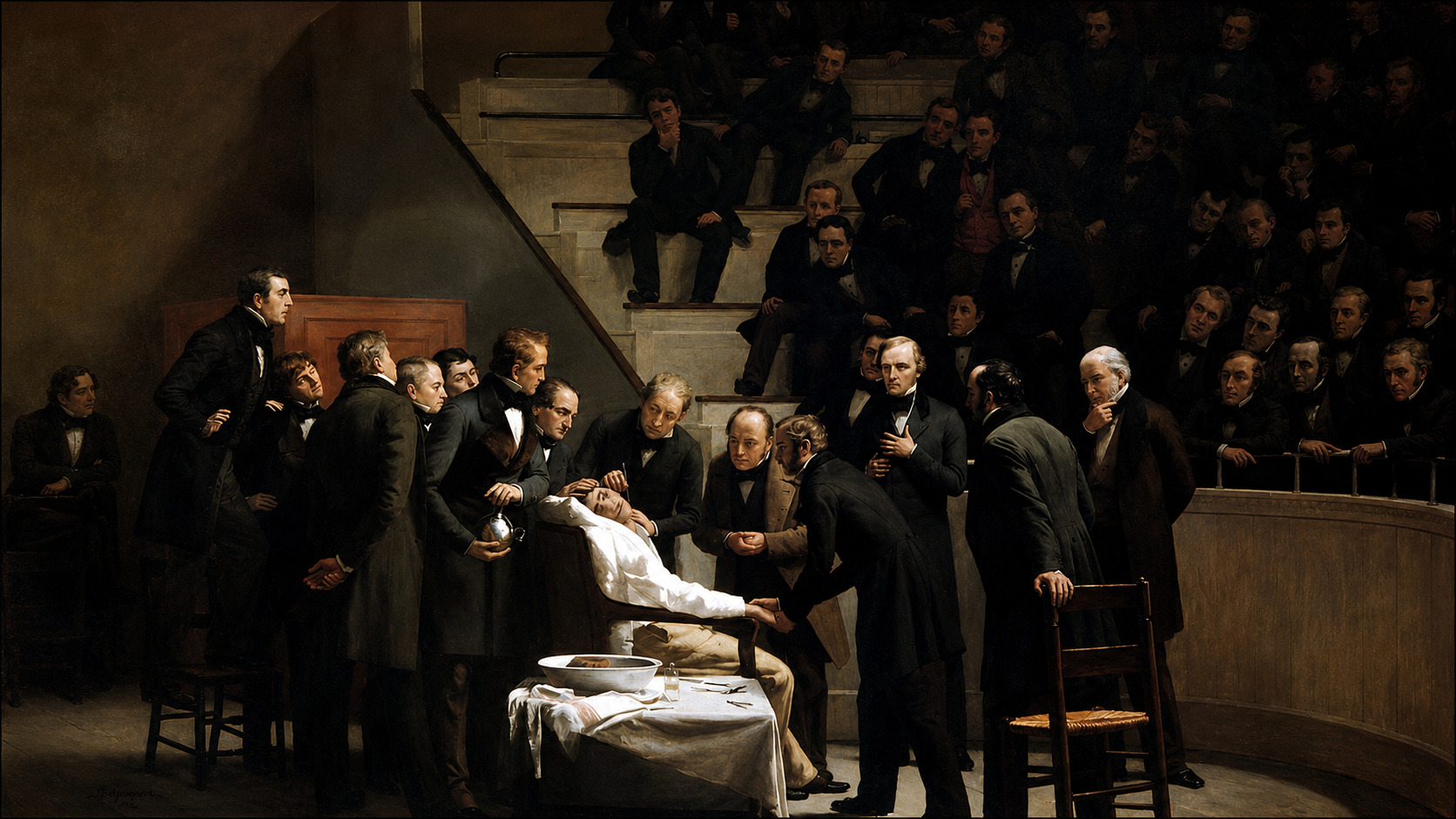
Before the mid-1800s, surgery was an agonizing experience because patients remained fully awake during operations, forcing surgeons to work as quickly as possible without an effective way to relieve pain. This changed dramatically on October 16, 1846, a day now remembered as "Ether Day." On that day, American dentist Dr. William T. G. Morton publicly demonstrated the successful use of ether anesthesia during surgery. Ether, a colorless liquid with a pleasant smell, can be converted into a gas that blocks pain and allows patients to remain unconscious or unaware during surgical procedures.
During the demonstration, surgeons removed a tumor from a patient without causing unbearable pain, proving that surgery could be performed in a far more humane and effective manner. Soon afterward, physician Oliver Wendell Holmes suggested the term "anesthesia," derived from a Greek word meaning "without sensation." Although Morton was not the first person to discover or use anesthesia, his public demonstration before influential physicians helped accelerate its adoption around the world.
Another important American pioneer was Alice Magaw, a nurse anesthetist at the Mayo Clinic, who developed safer methods for administering ether anesthesia and successfully treated more than 14,000 patients without a single anesthesia-related death. Her extraordinary achievements earned her the title "Mother of Anesthesia." Together with advances in sterile surgical techniques, anesthesia transformed modern medicine by making longer, safer, and more complex operations possible.
Insulin Revolutionizes Diabetes Treatment (1923)
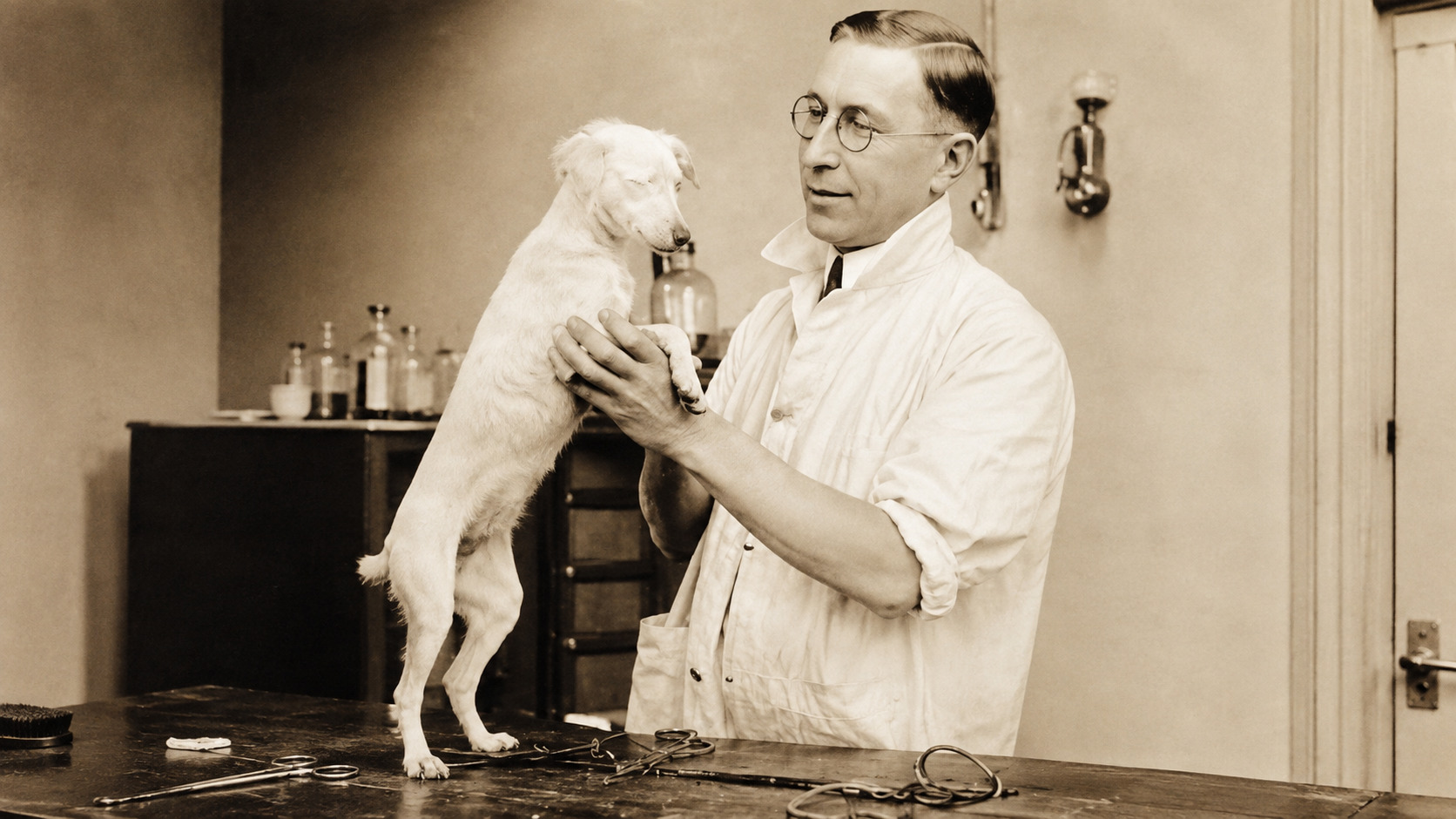
For centuries, diabetes was considered a fatal disease because doctors had few effective treatment options. Patients often survived only by following extremely restrictive diets, and many still died within a few years of diagnosis. In 1921, Canadian researcher Frederick Banting and his team discovered how to extract insulin from the pancreas of animals, creating the first effective treatment for controlling blood sugar levels.
American pharmaceutical company Eli Lilly played a critical role in bringing this discovery to patients by introducing Iletin in 1923, the world's first commercially available insulin product. Medical science continued to advance, and in 1982, Eli Lilly developed Humulin, the first genetically engineered human insulin.
Approved by the U.S. Food and Drug Administration, it became the first recombinant medicine and represented a significant improvement over animal-derived insulin. Today, insulin allows millions of people with diabetes to manage their condition, prevent serious complications, and live longer, healthier lives.
Blood Banking Makes Safe Transfusions Possible (1940s)
Blood transfusions save millions of lives today, but they were once highly dangerous because doctors did not understand blood types. Patients often received incompatible blood, leading to severe reactions and, in many cases, death. The discovery of the ABO blood group system by Austrian scientist Karl Landsteiner made it possible to safely match blood types before transfusions.
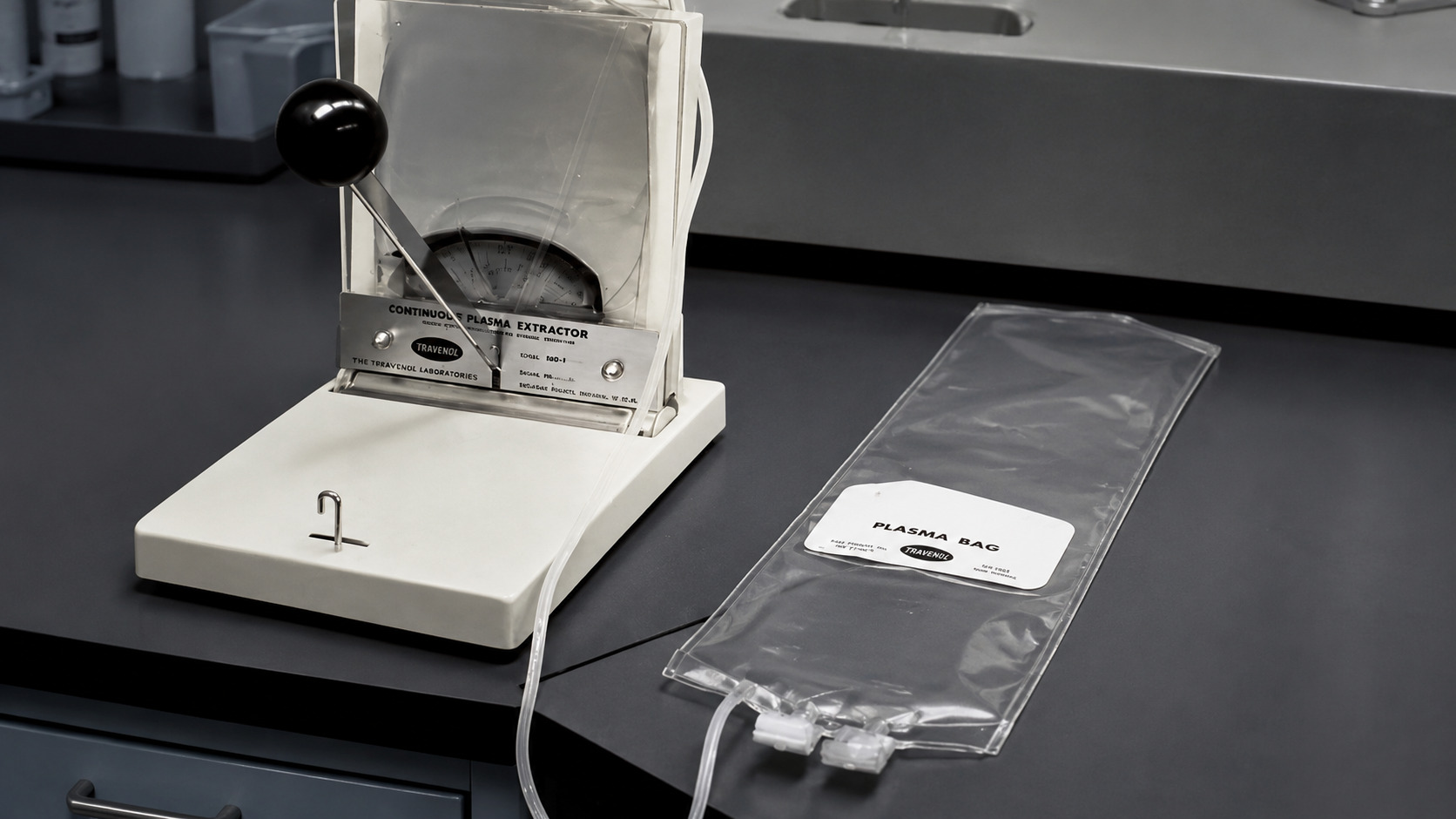
During World War II, American surgeon Dr. Charles Richard Drew revolutionized blood storage and transportation by developing methods to separate blood plasma from whole blood and preserve it for extended periods without losing its effectiveness. Dr. Drew directed the Blood for Britain Project, which collected and transported plasma to wounded soldiers overseas during the war.
His work also laid the foundation for modern blood banks and improved preservation techniques later adopted by organizations such as the American Red Cross. Widely recognized as the "Father of the Blood Bank," Dr. Drew's innovations continue to save countless lives during surgeries, accidents, childbirth, and medical emergencies.
Mass Production of Penicillin (1940s)
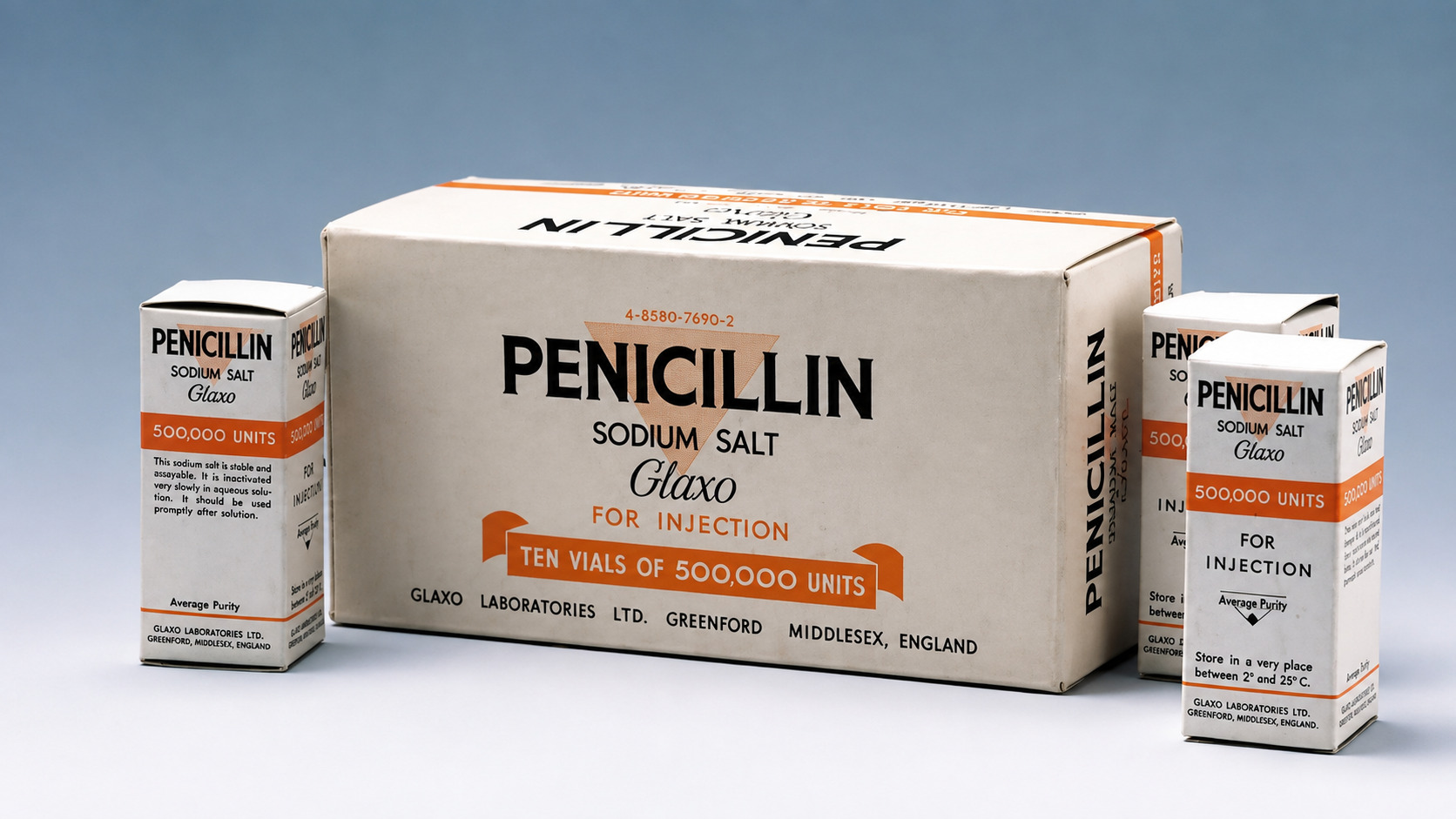
Scottish scientist Alexander Fleming discovered penicillin, the world's first antibiotic, in 1928, but the medicine could not benefit large numbers of patients until researchers found a way to produce it on an industrial scale. During World War II, scientists from the University of Oxford worked closely with researchers at the U.S. Department of Agriculture laboratory in Peoria, Illinois, to develop efficient methods for large-scale penicillin production.
American microbiologist Dr. Gladys Hobby also made significant contributions by helping conduct some of the earliest human clinical trials of penicillin in 1941. Mass production made the antibiotic widely available to wounded soldiers and civilians, dramatically reducing deaths caused by bacterial infections.
Penicillin transformed the treatment of illnesses such as pneumonia, wound infections, and blood poisoning while paving the way for the development of many other antibiotics. It remains one of the greatest achievements in the history of medicine.
The First External Cardiac Pacemaker (1952)
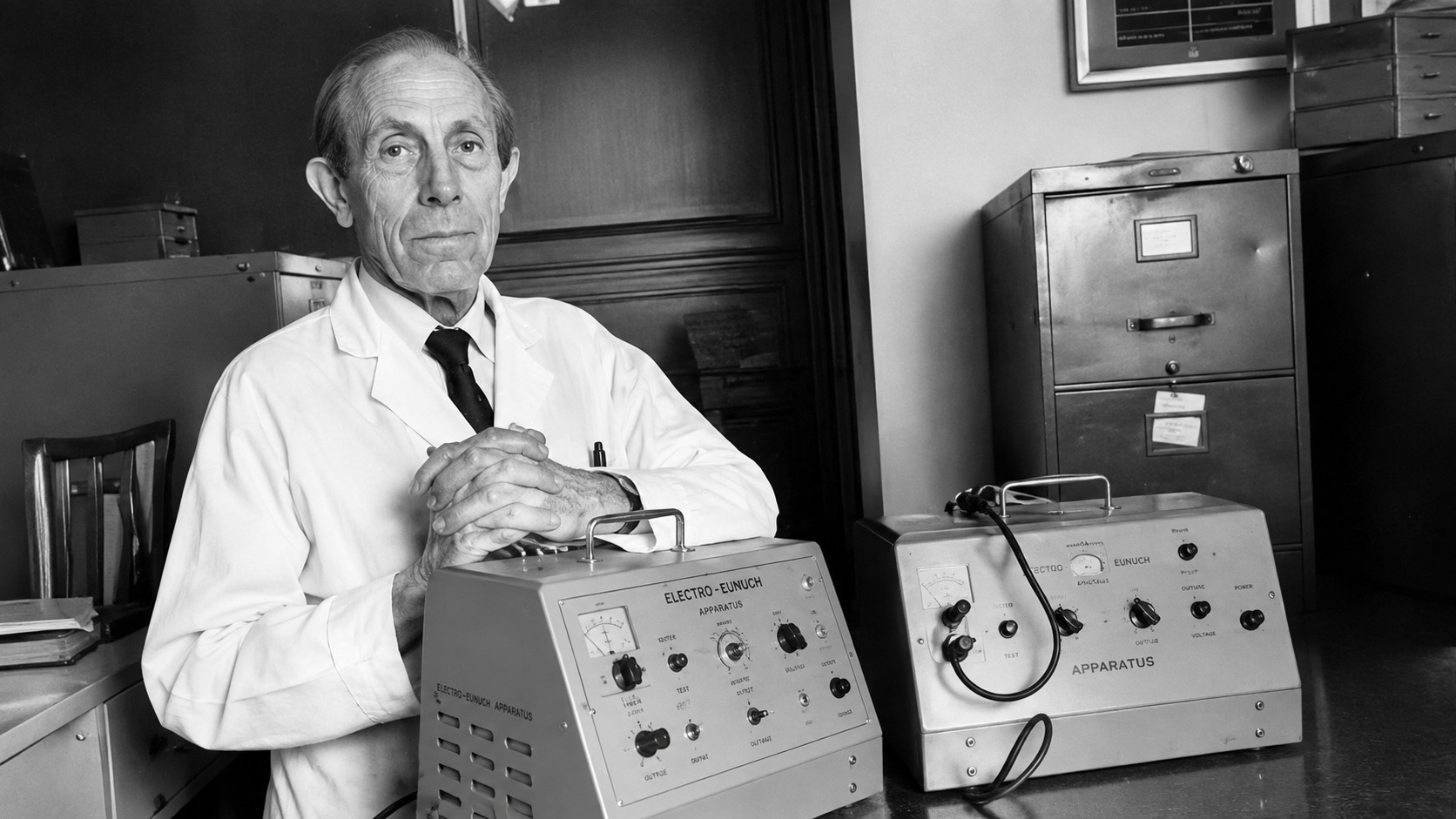
Heart disease has long been one of the leading causes of death, but important advances in cardiac care emerged during the twentieth century. In 1952, American cardiologist Dr. Paul Zoll demonstrated that carefully controlled electrical pulses delivered through the chest could restart a stopped heart.
His subsequent research also showed that electrical shocks could successfully stop dangerous irregular heart rhythms known as ventricular fibrillation. These pioneering discoveries eventually led to the development of modern pacemakers and automated external defibrillators (AEDs), devices that are now commonly found in hospitals, schools, airports, and many public places worldwide.
Thanks to these technologies, millions of patients with abnormal heart rhythms are able to live longer and healthier lives, making Dr. Zoll one of the pioneers of modern cardiac medicine.
The First Successful Organ Transplant (1954)
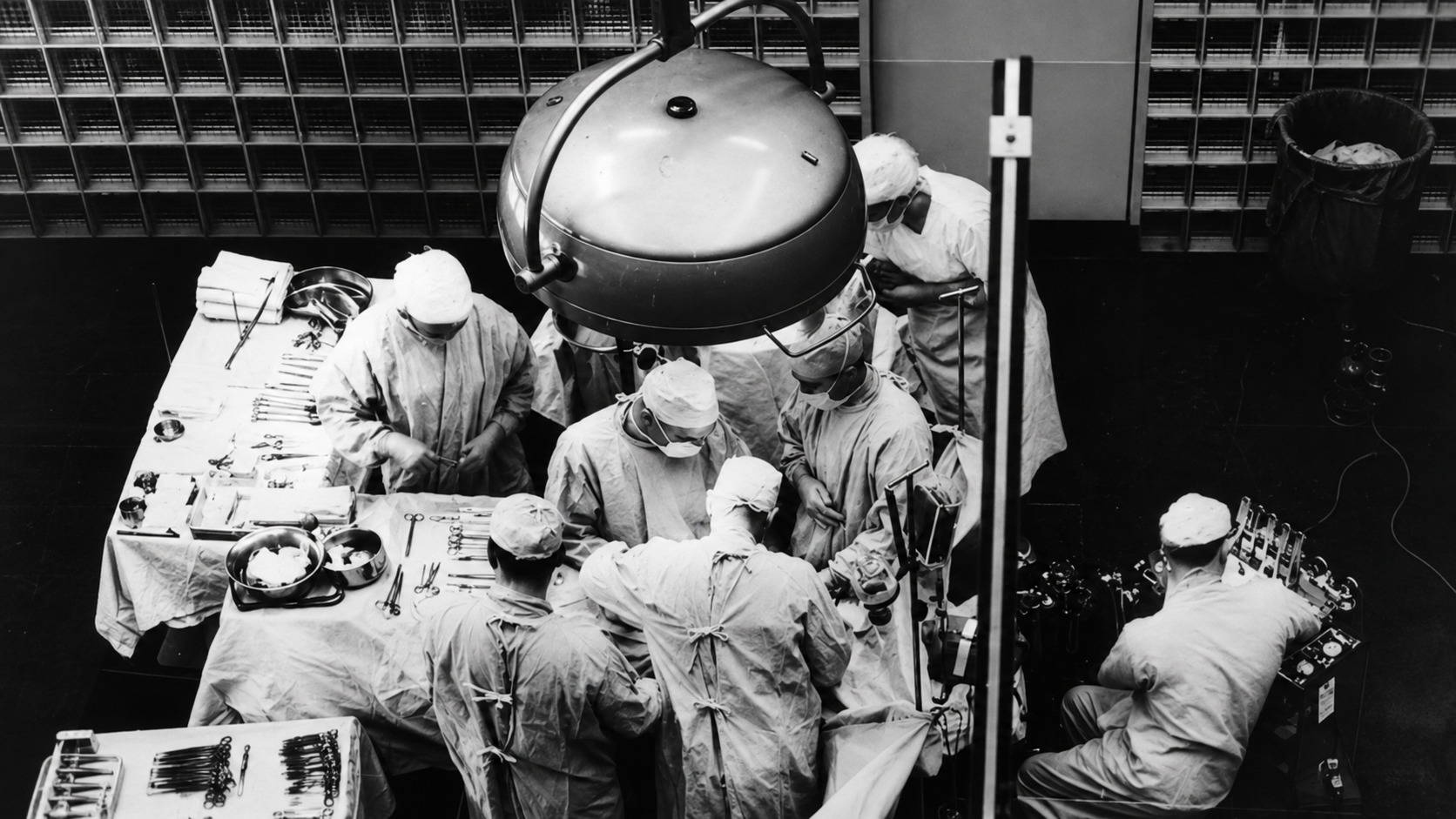
One of the greatest milestones in modern medicine occurred in December 1954, when Dr. Joseph Murray and his surgical team performed the world's first successful organ transplant. The operation involved transplanting a healthy kidney from one identical twin to another. Because the twins shared identical genetic makeup, the recipient's immune system accepted the donated kidney without rejecting it.
This landmark procedure proved that organ transplantation could successfully save lives. Dr. Murray later performed the first kidney transplant using an organ from a deceased donor, while surgeons such as Dr. Samuel Lee Kountz expanded transplant techniques and promoted organ donation throughout the United States.
The later development of immunosuppressive medications further improved transplant success by preventing the body's immune system from rejecting donated organs. Today, thousands of patients receive life-saving transplants of kidneys, hearts, lungs, livers, and pancreases each year. In recognition of his groundbreaking work, Dr. Murray received the Nobel Prize in Physiology or Medicine in 1990.
Also Read: 7 Women Who Changed Medicine Forever
Jonas Salk Develops the Polio Vaccine (1955)
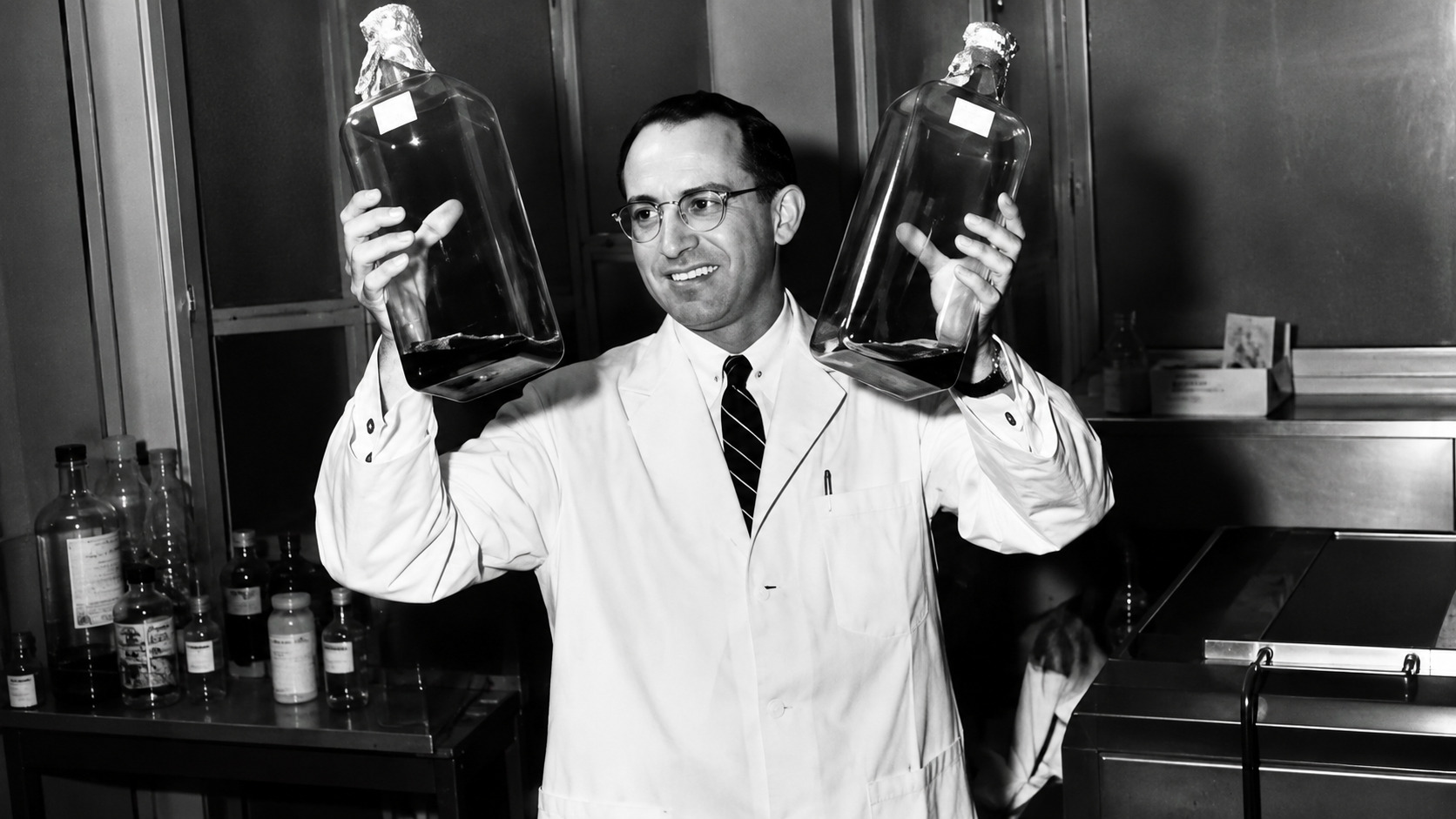
During the first half of the twentieth century, polio was one of the most feared diseases in America because it primarily affected children and often caused paralysis, lifelong disability, or death. During major outbreaks, more than 15,000 Americans were left permanently paralyzed each year.
In 1955, Dr. Jonas Salk introduced a safe and effective polio vaccine, building on earlier research by scientists such as Dr. Isabel Morgan, who demonstrated that vaccines made from inactivated viruses could provide protection. The vaccine achieved immediate success, and within only a few years, the number of polio cases declined dramatically. Before its introduction, the United States recorded approximately 45,000 cases annually, but by 1962, that figure had fallen to only 910.
Global vaccination campaigns later reduced polio cases by more than 99 percent, bringing the disease close to worldwide eradication. One of the most remarkable aspects of Dr. Salk's achievement was his decision not to patent the vaccine. When asked who owned the patent, he famously replied, "Could you patent the sun?" His decision allowed the vaccine to be produced and distributed widely, helping protect millions of children across the globe.
A Legacy of Medical Innovation
Over the past 250 years, American innovation has transformed healthcare through discoveries that continue to improve and save lives around the world. Benjamin Franklin's invention of bifocals improved vision for millions of people, while ether anesthesia made surgery safer, more humane, and far less painful.
The commercialization and continued development of insulin changed diabetes from a fatal disease into a manageable condition, and advances in blood banking and penicillin revolutionized emergency medicine and the treatment of bacterial infections. The development of cardiac pacing technologies gave new hope to patients with heart disease, successful organ transplantation provided life-saving treatment for people with organ failure, and the polio vaccine brought one of history's most feared diseases close to eradication.
Together, these extraordinary achievements have shaped modern medicine and continue to influence healthcare systems across the world. They remain lasting examples of how scientific research, innovation, and determination can improve the quality of life for generations to come.