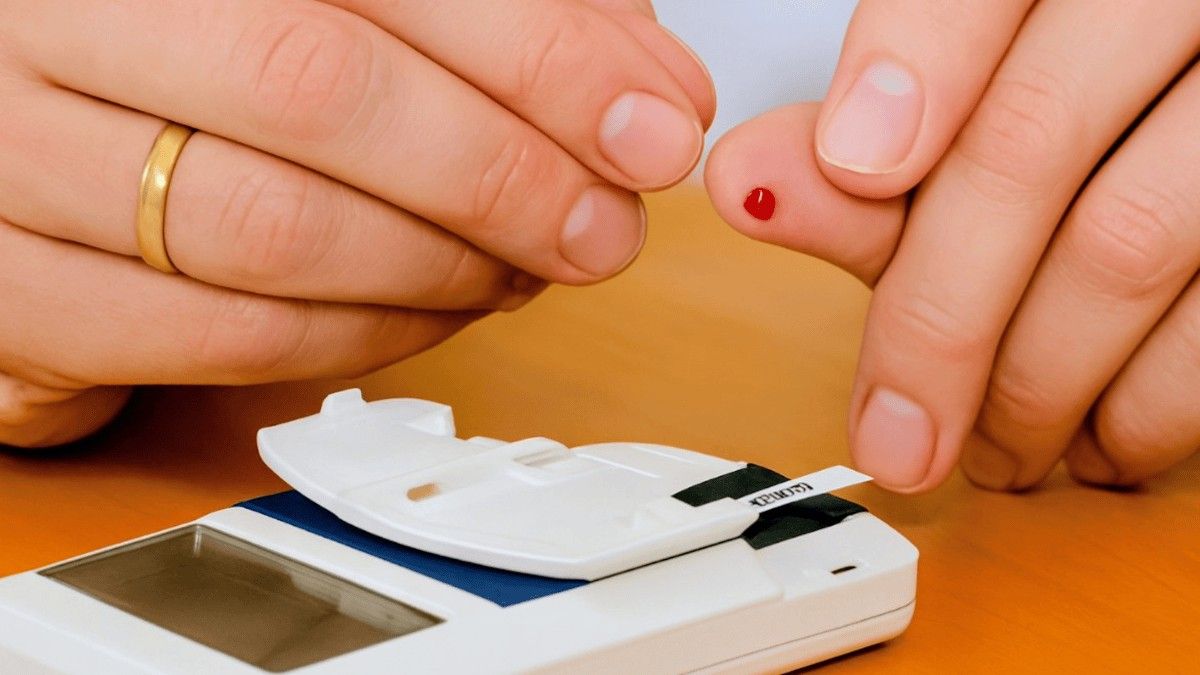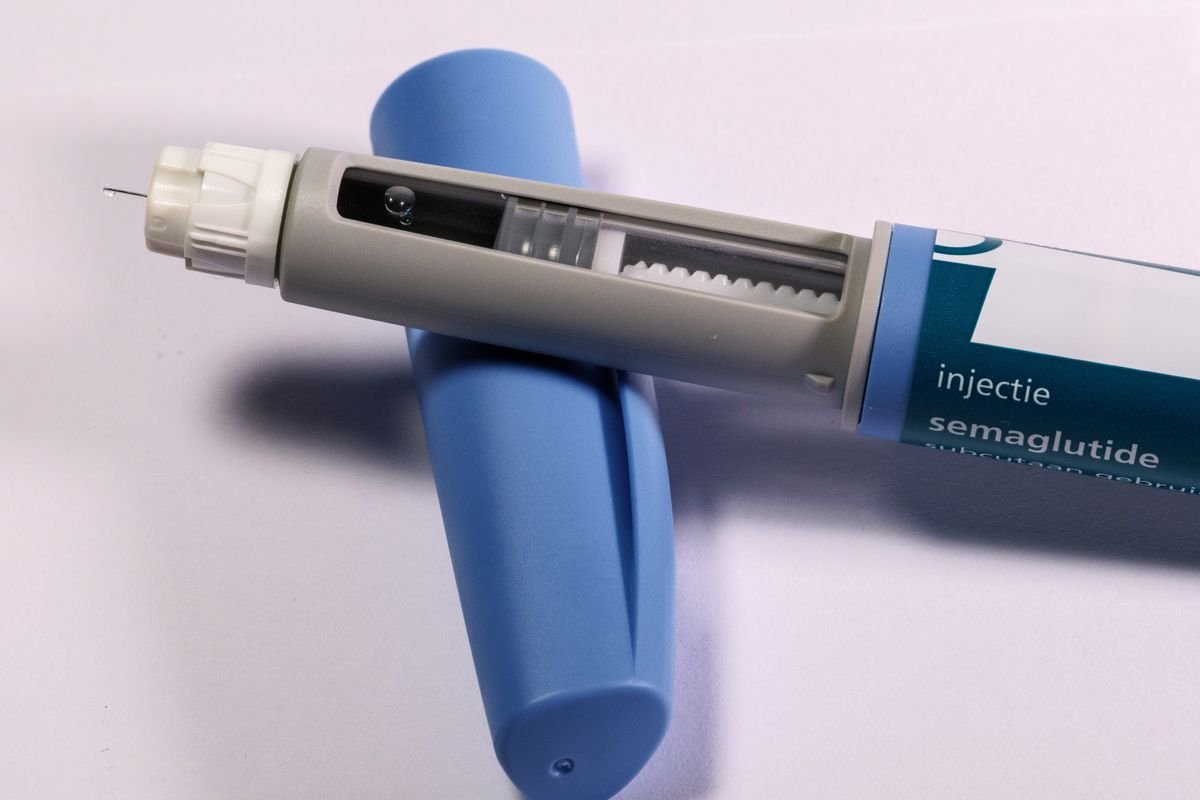
Drugs change lives. The past few years have shown how Semaglutide, the active ingredient in Ozempic and Wegovy, has already changed how doctors treat type 2 diabetes and obesity. Celebrities are taking it, and so are regular people, but the question is: is it really sustainable and does it work?
Another question raised in a new study is, "Could it slow the molecular clocks ticking inside our cells?" Some may say "Yes"; others may say "No". So, the clear answer is "Maybe a little, in a group of people". But the longer answer is more interesting, and matters for everyone who has gone through similar hurdles, or has read the headlines.
Also read || Why Chronic Conditions Make Vaccines Urgent
Beyond the Birthday Count
When were you born? That's the question you're being asked regularly at work, while filling out a form or even creating an account. That's your chronological age, which counts the years since you were born. However, biological age is different; it is all about changes in your cells, tissues and organ systems, which shape how your body is holding up.
You and your friend can be 31 years old, but may have different metabolic health, inflammation, fitness, and heart risk. Scientists evaluate biological aging somewhat with epigenetic clocks. With these tools, one can assess DNA methylation, which is a set of chemical tags that help switch genes on or off without changing the DNA code itself. So, when they compare tag patterns across many sites in the genome, they can estimate a "pace of aging".
You can call these clocks "odometers" as they estimate how much biological mileage a body has. Besides, there is a DunedinPACE clock which works like a speedometer and estimates how fast aging-related changes are accelerating. Both of these tools are useful for research, but not a holy grail. They are statistical models, not direct measurements of how old your organs are, but they're efficient for researchers to use.
What the New Trial Found

Let's talk about the new trial on "Semaglutide". In this study published in Nature Communications, it was found that "Semaglutide slows epigenetic aging in a randomized trial of HIV-associated lipohypertrophy." Michael Corley and others from the University of California, San Diego re-examined blood samples from an earlier trial, which ran for 32 weeks. It was randomized, double-blind and placebo-controlled, and tested weekly Semaglutide in adults with HIV-associated lipohypertrophy, a condition which causes excess fat to build up around the abdomen.
The university announced it as the first randomized, placebo-controlled evidence of its kind in people. And the work was funded in part by the National Institutes of Health. Though being a pioneer is great, it also means that your result is unchallenged, and no one has yet repeated it. The original trial enrolled 108 adults, and the aging analysis used 84 of those who had blood samples at the start and at week 32. 45 of them received semaglutide, and 39 received a Placebo, and everyone was taking stable HIV treatment.
After statistical adjustment, the semaglutide group experienced slower epigenetic aging across several clocks. According to DunedinPACE, semaglutide was linked to a pace of aging 0.09 units per year lower than placebo. Other clocks such as PhenoAge, PCGrimAge, and GrimAge V2 also moved in the same direction. Besides, the study also found lower scores on system-specific epigenetic aging clocks related to inflammation, brain, blood, kidney, and liver health.
Also read || Can Skinny People Have Too Much Visceral Fat?
What "9 Percent Slower" Really Means
One may think that they'll reverse biological aging, but the truth is somewhat different. A 0.09 DunedinPACE score, or 9 percent, slower pace does not imply that a participant became nine years younger, nor does it mean Semaglutide reversed aging. The clear meaning is that over the study period, the semaglutide group's epigenetic markers changed more slowly than the placebo group's. So, a 32-week trial is a shift in lab measures, not a final verdict on life and death.
Also, while dealing with organ-specific results, they need some more attention, as the clocks are built from blood, so they are indirect estimates. The findings don't prove that semaglutide rejuvenated anyone's brain, heart, kidneys, or liver. And these are the clear limitations of the study. The epigenetic analysis was post hoc, meaning it was planned after the original trial finished rather than being its main goal. Besides, the sample size and duration of the study are small, and everyone had HIV-associated lipohypertrophy.
The Heart Evidence Is Much Stronger

The New England Journal of Medicine in 2023 reported on a randomized trial called "SELECT" which included 17,604 adults aged 45 or older. All of them were overweight or obese and had established cardiovascular disease, but none of them were diabetic. 50 percent of them received weekly semaglutide 2.4 mg, and the other half received a placebo, with follow-up lasting 3.3 years.
What happens here is that semaglutide cut the main composite outcome, which is cardiovascular death, nonfatal heart attack, and nonfatal stroke, by 20 percent. The hazard ratio was 0.80, with a 95 percent confidence interval of 0.72 to 0.90. This is a real, hard clinical outcome, not a lab marker. Why this result matters is because it benefited people without diabetes, which implies that heart protection and blood sugar are not as closely linked as people suggest. However, it does not show how the drug protects the heart, so new studies will always be needed.
Also read || Can We Stop NAFLD? The RPN11 Fat Switch Explained
A Promising Signal, Not a Fountain of Youth
Life is unpredictable, and no one comes out alive. Semaglutide is an effective treatment for obesity and type 2 diabetes, but it does not reverse your age. It may lower your risk of major cardiovascular events in high-risk adults, or lead to slower epigenetic aging in people with HIV-associated lipohypertrophy, but there's not enough information.
We don't know whether that slowdown lasts, whether it predicts better health later in life or whether it works for people without HIV, or is generally better for healthy people. To find those answers, we will need larger, longer trials in more diverse groups. For now, semaglutide is a powerful cardiometabolic medicine with an intriguing but unproven link to aging biology. So, keep in mind that it is a prescription drug with side effects, so decisions around it belong with a doctor.