
Cruise vacations are popular because they offer relaxation, entertainment, and the chance to visit many places during a single trip. Modern cruise ships are often compared to floating cities because they carry thousands of passengers and crew members together for many days. Most cruises are safe and enjoyable, but health experts warn that illnesses can spread easily on ships because many people share restaurants, pools, bathrooms, elevators, cabins, and other public spaces.
Passengers also touch many of the same surfaces every day, including railings, tables, and door handles. Since travelers from different countries gather on one ship, germs can spread quickly from person to person. Although cruise companies regularly clean ships and follow strict health regulations, outbreaks can still occur when infections spread among passengers and crew members.
Also Read: What Addiction Does to the Brain
Norovirus

Norovirus is one of the most common illnesses associated with cruise ships. It is a highly contagious virus that affects the stomach and intestines. People infected with norovirus often experience vomiting, diarrhea, stomach pain, nausea, and sometimes fever. Most people recover within a few days by resting and drinking plenty of fluids, but severe dehydration can become dangerous, especially for older adults and young children.
Norovirus spreads through contaminated food, dirty water, infected surfaces, or direct contact with sick individuals. The virus can survive on surfaces for days or even weeks, making outbreaks difficult to control once they begin. Because passengers stay in close contact on cruise ships, the virus can spread rapidly from one person to another.
Health experts say that washing hands thoroughly with soap and water is one of the best ways to prevent norovirus infection. Travelers should also avoid sharing personal items and remain in their cabins if they begin feeling sick to reduce the risk of spreading the illness to others.
Legionnaires’ Disease
Legionnaires’ disease is another illness that can occasionally appear on cruise ships. It is a serious lung infection caused by Legionella bacteria. These bacteria grow in warm water systems and can spread through tiny water droplets in the air. People may become infected through showers, swimming pools, hot tubs, spas, fountains, or air-conditioning systems on ships.
Symptoms of Legionnaires’ disease include fever, cough, headaches, chills, muscle pain, and breathing difficulties. In severe cases, the disease can lead to lung failure and even death. Unlike some other illnesses, Legionnaires’ disease does not spread directly from one person to another. Instead, infection occurs when people breathe in contaminated water droplets.
Doctors usually treat the disease with antibiotics, although some patients may require hospital care and oxygen support if their breathing problems become severe. Cruise companies regularly clean and test water systems to reduce the risk of infection, but health experts still advise passengers to seek medical attention if they develop symptoms during or after a cruise.
COVID-19 and Flu
Cruise ships became widely associated with the COVID-19 pandemic after several major outbreaks occurred at sea. Even today, COVID-19 and seasonal flu remain important health concerns for travelers. Both illnesses spread through droplets released when infected people cough, sneeze, speak, or breathe. Crowded indoor spaces on cruise ships increase the risk of infection because passengers spend long periods together in restaurants, theaters, elevators, and cabins.
Symptoms of COVID-19 and flu include fever, cough, sore throat, body aches, fatigue, and breathing problems. Older adults and people with weakened immune systems face a greater risk of serious illness and complications.
Health experts continue to recommend vaccinations before travel because vaccines help reduce the risk of severe illness, hospitalization, and death. Passengers can also protect themselves by washing their hands regularly, avoiding close contact with sick individuals, and spending time in well-ventilated areas whenever possible.
Also Read: What Is Hantavirus and How Does It Spread?
Measles
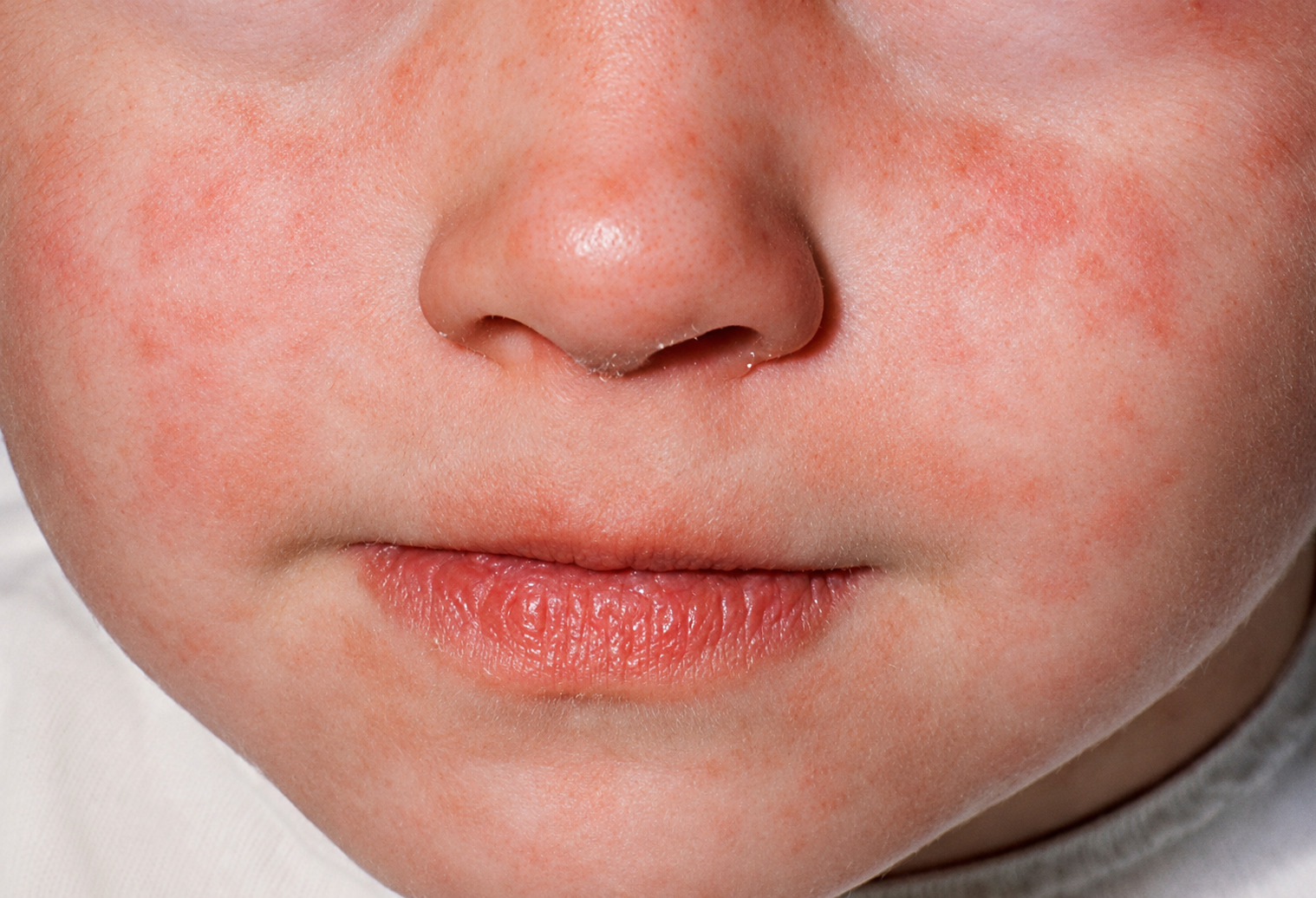
Measles is another highly contagious illness that health experts carefully monitor. Although measles is less common on cruise ships, the virus spreads very easily in crowded environments. Symptoms include fever, cough, runny nose, red eyes, and a red skin rash. In serious cases, the disease can lead to pneumonia, ear infections, and swelling of the brain.
Measles spreads through the air when infected people cough or sneeze. One particularly dangerous feature of the virus is that it can remain in the air for hours after an infected person leaves the area. This makes crowded indoor settings, such as cruise ships, especially risky if an infected passenger is on board.
Vaccination is considered the most effective protection against measles. Health experts strongly advise travelers to ensure their vaccinations are up to date before taking cruises or international trips because vaccines greatly reduce the risk of infection and outbreaks.
How Travelers Can Stay Safe
Although illnesses can spread on cruise ships, experts say cruises remain safe for most travelers. People can reduce their risk by following simple health precautions during their trip. Washing hands frequently with soap and water is especially important because many germs spread through contact with contaminated surfaces.
Travelers should also stay hydrated, avoid close contact with sick individuals, and report symptoms early if they begin feeling unwell. Keeping vaccinations up to date can provide strong protection against several diseases, including flu, COVID-19, and measles.
Cruise companies have improved cleaning systems, medical services, and health screenings in recent years. Many ships now follow stricter sanitation procedures and regularly disinfect public areas to reduce the spread of germs. Most passengers complete their trips without serious health problems, but understanding potential risks and following simple safety measures can help make cruise vacations safer and more enjoyable for everyone.