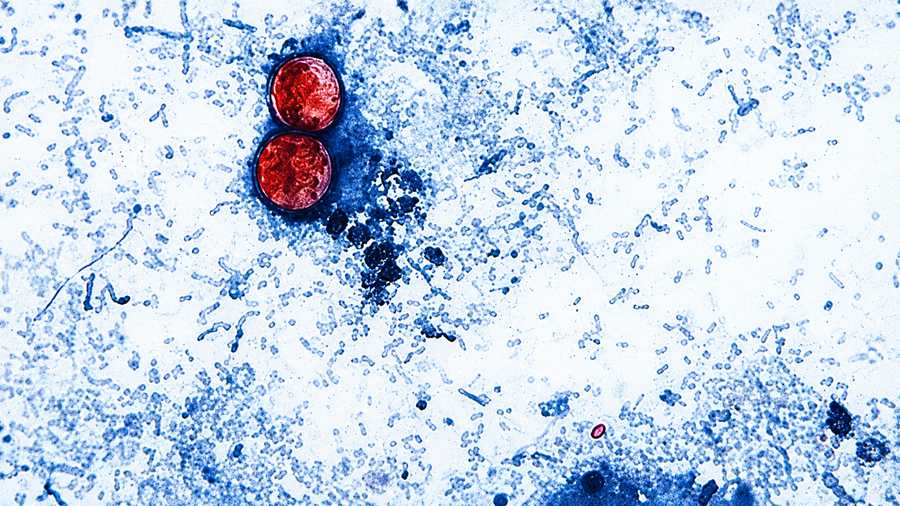
Hantavirus is a rare but serious disease that humans usually get through contact with infected rodents. Recently, it has drawn attention after an outbreak on a cruise ship in the Atlantic Ocean, where three people are believed to have died, and several others became sick. According to the World Health Organization (WHO), two cases have been confirmed, and five more are still being investigated. The ship had been traveling from Argentina to Cape Verde, raising questions about where and how the infection began. Although health officials say there is no need for widespread concern and the risk to the general public is low, experts are still trying to understand how the virus spread among passengers.
Also Read: Why Owning a Pet Is Good for Your Health
What Is Hantavirus?

Hantavirus is not a single virus but a group of viruses that are mainly spread by rodents such as mice and rats. These animals carry the virus in their urine, droppings, and saliva. Humans most often become infected when they breathe in tiny particles from dried rodent droppings. This can happen when someone sweeps or cleans areas where rodents have been present, causing contaminated dust to rise into the air. In some cases, people can also get infected by touching surfaces or objects that have been contaminated and then touching their mouth or nose. Though rare, bites or scratches from infected rodents can also spread the virus. Only one type of hantavirus, called the Andes strain and found in South America, is known to spread from person to person, and even that happens very rarely. However, in the current cruise ship outbreak, experts say human-to-human transmission cannot be completely ruled out because some infected individuals had close contact with each other.
Symptoms of Hantavirus
Hantavirus infections can lead to two main types of serious illness, depending on the region.
Hemorrhagic Fever with Renal Syndrome (HFRS)
This type is more common in Europe and Asia and mainly affects the kidneys. Early symptoms include headache, abdominal pain, and nausea. As the disease progresses, it can cause low blood pressure, internal bleeding, and even kidney failure. Symptoms usually appear one to two weeks after exposure, and the fatality rate ranges from about 5% to 15%.
Hantavirus Pulmonary Syndrome (HPS)
This form is found in the Americas and affects the lungs. It also begins with flu-like symptoms such as fever, fatigue, and muscle aches. However, it can quickly become more severe, leading to shortness of breath and chest tightness as the lungs fill with fluid. Symptoms may appear between one and eight weeks after exposure, and this form is more dangerous, with nearly 40% of patients with severe symptoms dying from the illness.
Is There a Cure?
There is currently no specific cure or antiviral treatment for hantavirus. Medical care focuses on managing symptoms and supporting the patient. This may include rest, fluids, and, in severe cases, hospital care such as oxygen therapy. Because treatment options are limited, prevention is extremely important.
How to Prevent Hantavirus
The best way to avoid hantavirus infection is to reduce contact with rodents. People can do this by sealing holes and gaps in homes to keep rodents out, storing food in tightly sealed containers, and disposing of garbage in secure bins with lids. When cleaning areas where rodents may have been present, people should wear gloves, spray droppings with a bleach solution, and wait at least five minutes before cleaning. They should then use paper towels and dispose of them safely. It is important to avoid sweeping or vacuuming dry droppings, as this can spread infected particles into the air.
How Common Is Hantavirus?
Globally, hantavirus infections are relatively rare. Each year, there are an estimated 60,000 to 100,000 cases of HFRS, with about half occurring in China. In the United States, 890 cases were reported between 1993 and 2023, mostly in western states. The disease gained public attention last year after Betsy Arakawa, the wife of Gene Hackman, died from hantavirus pulmonary syndrome at the age of 65. Reports found evidence of rodent activity on their property, highlighting how exposure can occur even in residential settings.
Also Read: What Addiction Does to the Brain
What Caused the Cruise Ship Outbreak?

The exact cause of the recent outbreak is still unknown, but experts have suggested several possibilities. One possibility is that rodents boarded the ship, which is not uncommon. Another is that passengers were infected earlier, possibly during a stop in Argentina, since the virus can take up to eight weeks to show symptoms. There is also a small chance of human-to-human transmission, although this would be unusual on a larger scale. To determine the source, experts say the ship must undergo thorough testing. This includes examining air, dust, kitchens, and ventilation systems for traces of the virus. The WHO has confirmed that detailed investigations are ongoing, including genetic testing of the virus to identify the exact strain involved.