Italy is famous for its food. Every year, millions of travellers visit the country to enjoy authentic pizza, pasta, cheese, wine, and desserts. While Italian food is loved around the world, eating in Italy is about much more than the food on your plate. It is a way of life and a tradition that has been passed down through generations.
In Italy, meals are not just about satisfying hunger. They are a time to relax, spend time with family and friends, and enjoy fresh, seasonal ingredients. Italians take great pride in their food, and over the years they have developed many unwritten rules about how meals should be enjoyed.
These customs may seem unusual to visitors, but they help preserve the taste, balance, and tradition of Italian cuisine. If you are planning a trip to Italy, learning these simple rules will help you avoid common mistakes and enjoy your meals like a local.
Don't Order a Cappuccino After Breakfast

One of the biggest mistakes visitors make is ordering a cappuccino after lunch or dinner. In Italy, cappuccino is considered a breakfast drink because it contains a large amount of milk. Italians usually enjoy it with a light breakfast, such as a croissant, brioche, or pastry. They believe that milk is too heavy to drink after a large meal. After lunch or dinner, Italians almost always choose a small espresso instead.
Some may drink a macchiato, which is an espresso with just a little milk. Ordering a cappuccino late in the day will not stop the waiter from serving you, but many Italians will immediately know that you are a tourist. If you want to eat like a local, enjoy your cappuccino in the morning and order an espresso after your meals.
Also Read: The Old-School Dining Rules Your Grandparents Lived By
Don't Change the Order of the Meal
Traditional Italian meals follow a special order. Each course is served one after another so that the flavours become richer as the meal continues. A typical Italian meal begins with antipasto, which includes starters such as cured meats, cheese, olives, or vegetables. This is followed by the primo, which is usually pasta, risotto, or soup. The next course is the secondo, which consists of meat or seafood. It is served with contorni, which are vegetables or salad.
After the main course comes dolce, or dessert. Finally, the meal ends with caffè and amaro, which means coffee followed by a digestive drink. You do not have to order every course, but Italians rarely change this order. For example, salad is usually eaten with the main course rather than before it, and pasta is considered a complete course, not a side dish served with meat. Following this order allows diners to enjoy the flavours of every dish in the best way.
Don't Mix Seafood and Cheese
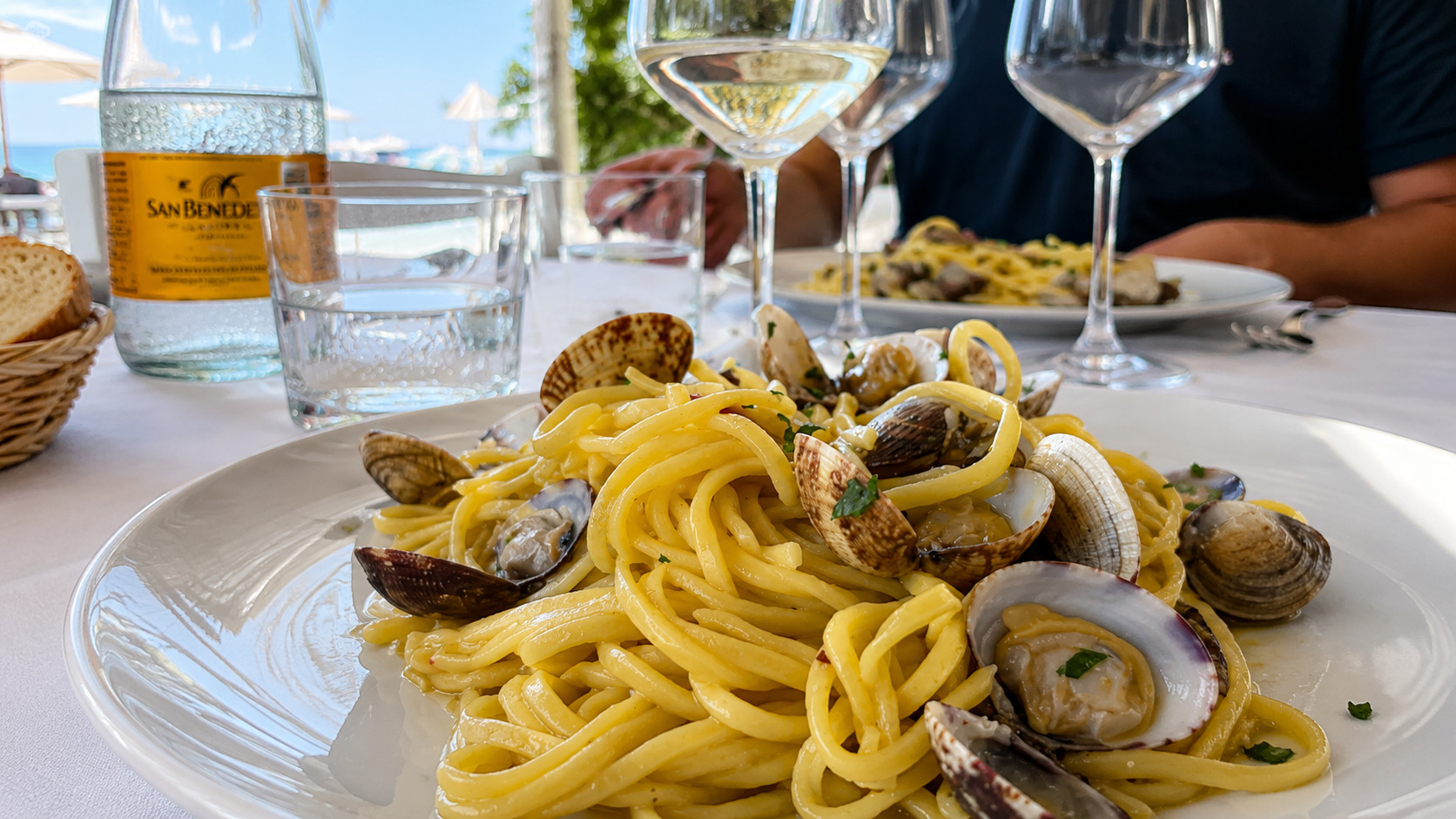
Many visitors are surprised when Italians do not add Parmesan cheese to seafood pasta. The reason is tradition. Italians believe that strong cheeses such as Parmesan hide the delicate flavour of seafood. Because of this, seafood dishes are usually served without cheese.
For example, if you order spaghetti with clams, seafood risotto, or grilled fish, the waiter will probably not offer Parmesan. Asking for cheese is not considered rude, but it often surprises local people. There are a few traditional recipes that combine seafood and cheese, but these are special dishes that were created that way. In general, seafood and cheese are kept separate.
Don't Ask to Change the Recipe
Italian chefs are proud of their traditional recipes. Every ingredient is chosen carefully, and each pasta shape is matched with the right sauce. Thick sauces are served with short pasta because they stick better, while smooth sauces are served with long pasta. Because of this, asking for many changes to a dish is often seen as changing the chef's work.
It is perfectly acceptable to tell the restaurant if you have allergies, food intolerances, or dietary restrictions. Most chefs are happy to prepare something suitable for you. However, asking to replace several ingredients simply because of personal preference is not common in Italy. Italians believe that traditional recipes should be enjoyed just as they were originally created.
Also Read: 15 Basic Table Manners Everyone Should Follow
Don't Ignore Local Specialities
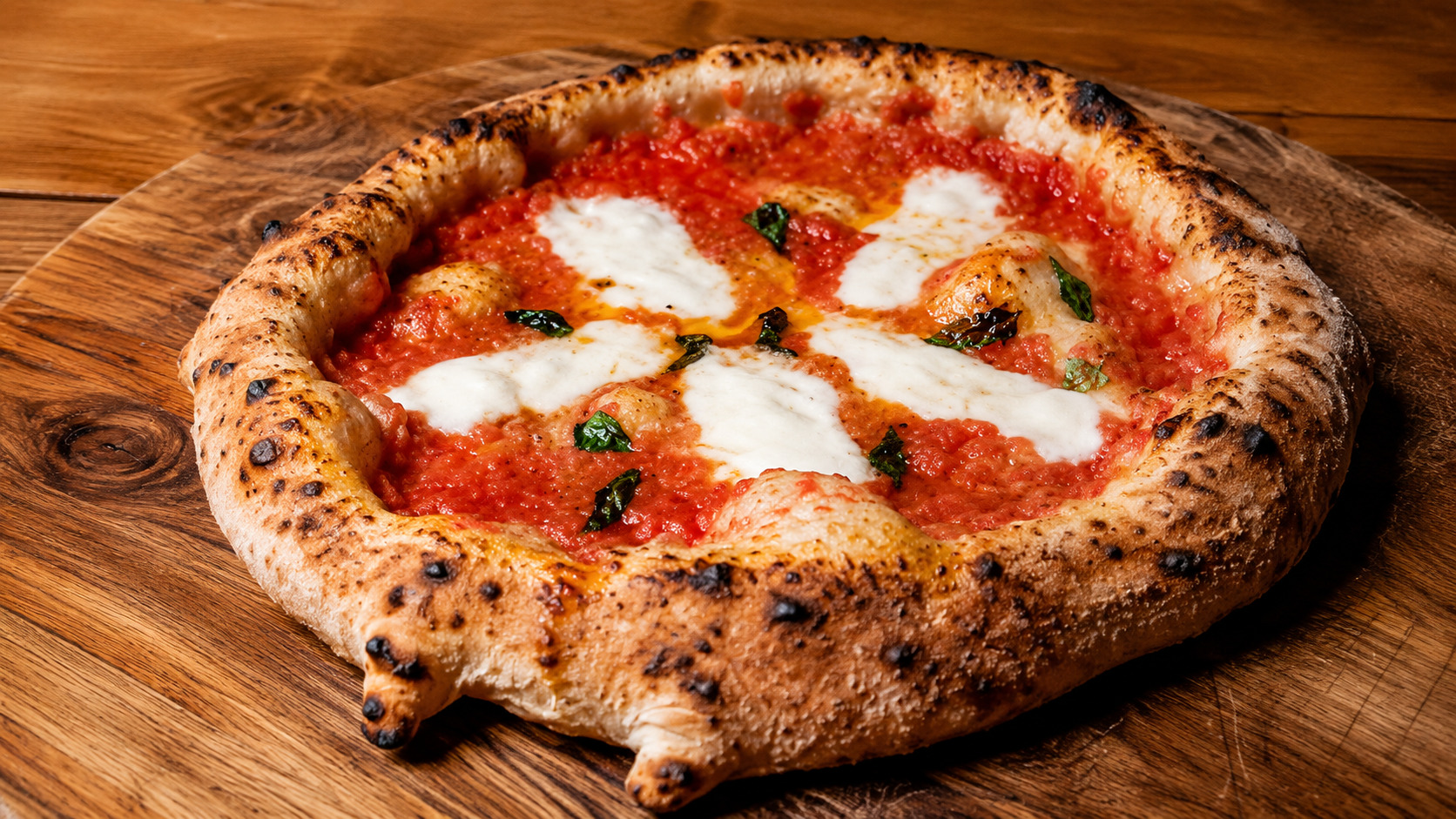
Italian food changes from one region to another. Every city, town, and village has its own traditional dishes that reflect its history, climate, and local ingredients. If you visit Naples, you should try authentic Neapolitan pizza. If you travel to Rome, you should enjoy famous pasta dishes such as carbonara or cacio e pepe. Florence is known for its large Florentine steak, while Venice is famous for cicchetti, which are small snacks served with drinks.
The Amalfi Coast is celebrated for limoncello made from local lemons, and Genoa is the birthplace of pesto. Trying local food is one of the best ways to experience Italian culture. Instead of searching for dishes you already know, ask your waiter what the restaurant or town is famous for. You may discover something unforgettable.
Don't Rush Your Meal

In many countries, people eat quickly and leave the restaurant as soon as they finish. In Italy, meals are meant to be enjoyed slowly. Lunch and dinner are important social occasions where friends and family gather, talk, laugh, and spend time together. A meal can easily last two or three hours, especially on weekends or during celebrations.
There is usually a short break between each course, giving everyone time to relax before the next dish arrives. Nobody expects you to hurry. If you visit an Italian restaurant, be prepared to slow down. Enjoy the conversation, the atmosphere, and each course instead of rushing through your meal.
Don't Skip the Amaro
A traditional Italian meal usually ends with dessert, coffee, and an amaro. The word amaro means "bitter." It is a herbal liqueur made from ingredients such as herbs, citrus peel, roots, spices, or walnut shells. Italians believe it helps digestion after a large meal.
Every region has its own type of amaro, and many restaurants even make their own version. Although its bitter taste may seem unusual at first, it is an important part of Italian dining tradition. If you are unsure which one to try, ask your waiter to recommend the local speciality.