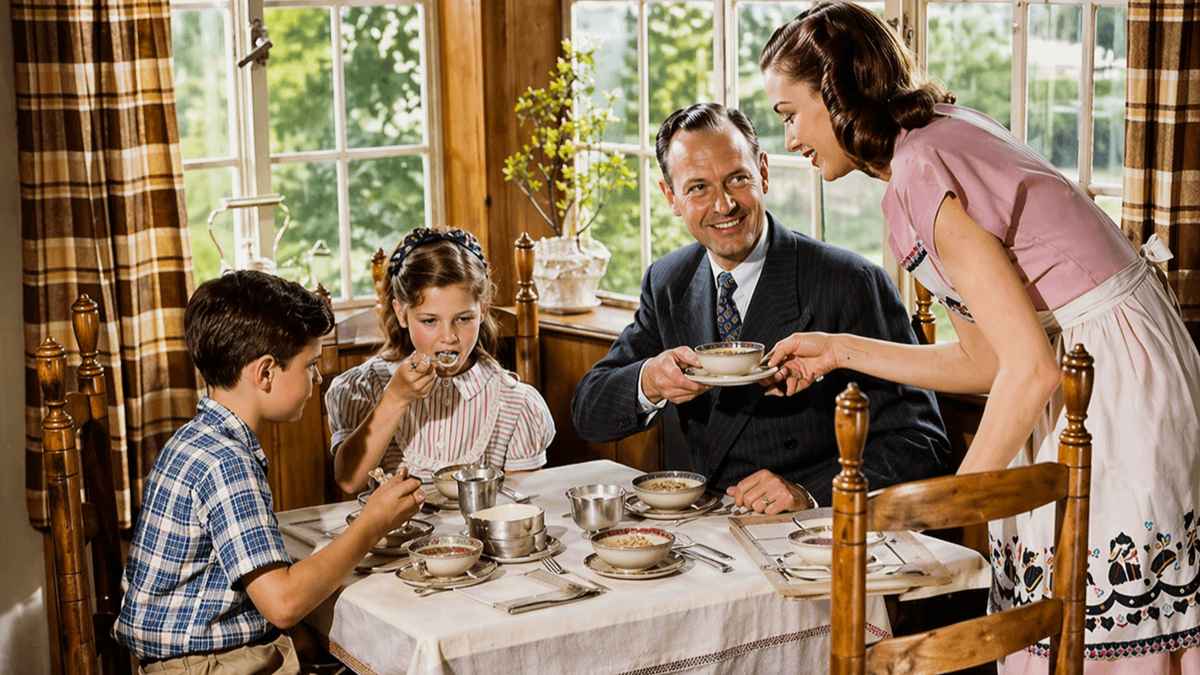
Do your grandparents often tell you to sit up straight, take your elbows off the table, or eat properly? It may feel annoying, but they are not doing it just to irritate you. They grew up in a time when table manners were taken very seriously. In the past, dining was not only about eating food, but also about showing respect, discipline, and good behavior. Many young women were even sent to finishing schools, also called charm schools, where they learned proper etiquette, like how to sit and eat correctly. However, this was not the case for everyone, as most people learned these rules at home from their parents and grandparents.
Also Read: How to Stay Safe While Hiking Solo: 6 Essential Tips
Never Leave Anything on the Plate
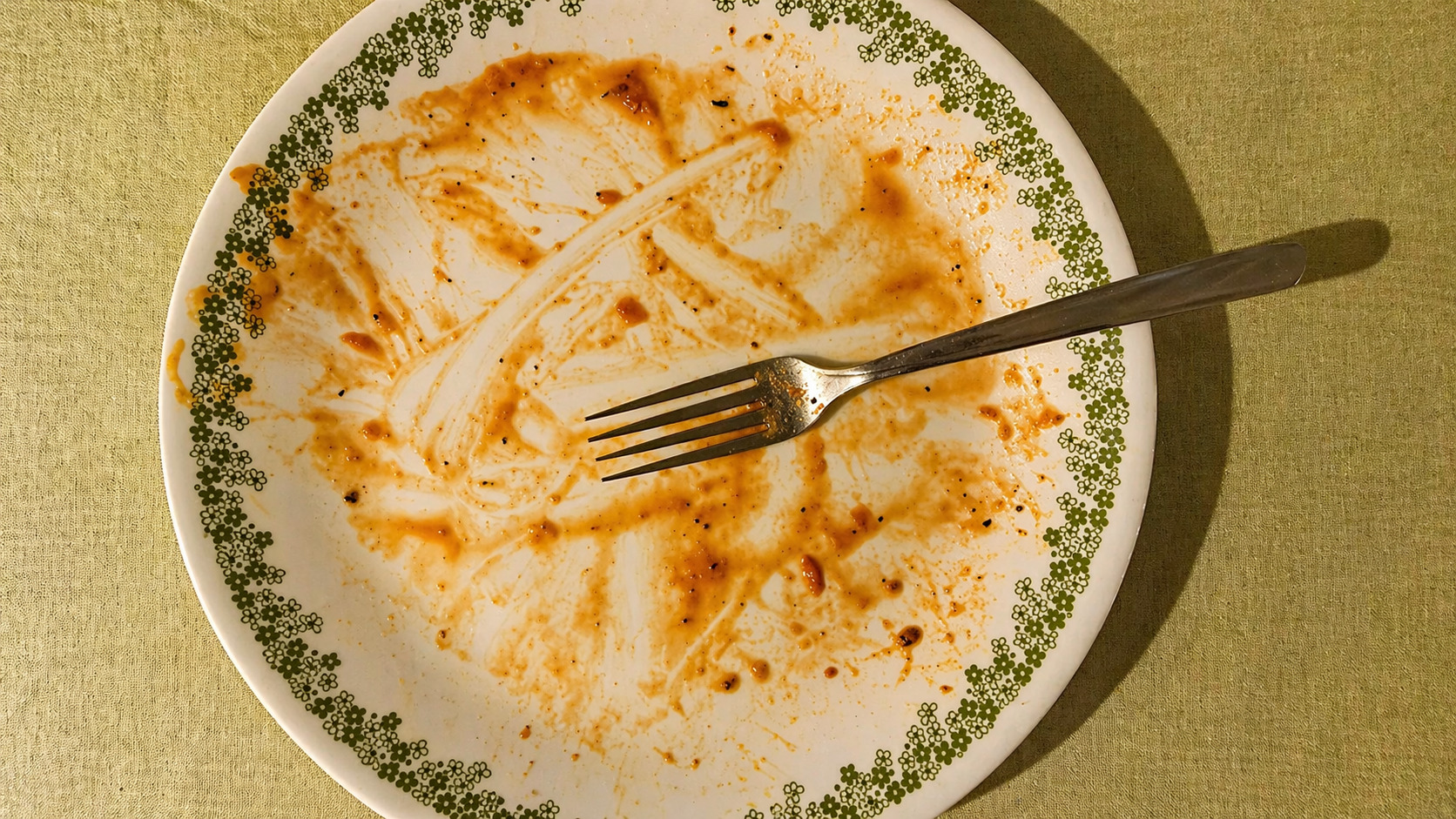
In the past, children were expected to finish everything on their plates, and wasting food was not allowed. Today, experts say forcing children to eat everything can create a negative relationship with food, but this idea was not common before. Many people from Generation X, born between 1965 and 1980, remember being raised by grandparents who lived during times when food was scarce, so wasting food was not an option. Some children had to sit at the table for hours until they finished every bite. Many also remember being part of the “clean plate club,” which goes back to World War I, when people were encouraged to avoid waste and always finish their meals.
Always Ask to Be Excused from the Table
Today, people often leave the table after finishing their meal, but in the past, especially for children, this was not acceptable. Children were expected to politely ask, “May I be excused?” before leaving the table, and leaving without asking was seen as rude. This rule comes from the Victorian era, when dining became more formal. Before the 1800s, people in America did not follow strict table manners, but during the Victorian period, meals became a way to show social status and teach discipline, including asking permission to leave the table.
Also Read: 13 Cars Named After Real Places
Only Drink Milk or Water with Dinner
Today, many people drink soda, iced tea, or other beverages with their meals, but in the past, most families only drank milk or water at dinner. Soda was already available, with Coca-Cola invented in the late 1800s and Mountain Dew in the 1940s, but these drinks were considered special treats and not for everyday use. People usually drank them on weekends or special occasions. During World War II, milk was even called a “Victory Food” and was seen as healthy and important. However, today milk is less popular, and Americans drank 47% less dairy milk in 2022 compared to 1975.
Don’t Eat Until the Cook Eats
Even if you were very hungry, you were not supposed to start eating immediately. You had to wait until everyone was seated at the table, especially the person who cooked the meal. Many people remember going to dinner parties where they could not begin eating until the host started. At home, children often had to wait for their mother, who usually prepared the meal, to begin eating before they could start.
Never Wear a Hat at the Dinner Table
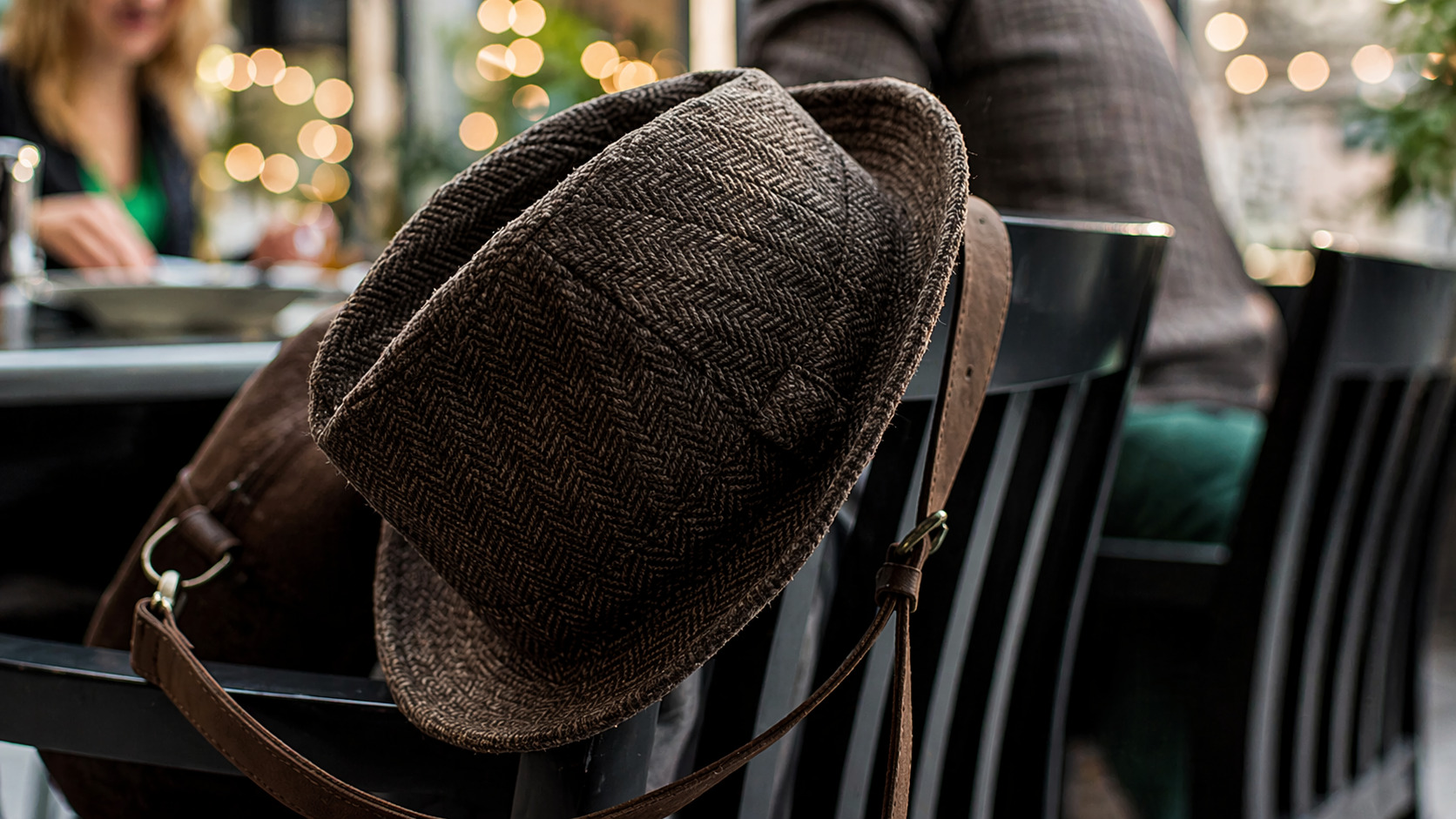
In the past, people were expected to remove their hats before eating, and many were also told to take off their hats before entering a house. The rules were sometimes different for women, as hats were often part of their outfit, but for men, the rule was strict. In the early 1900s, especially in the 1920s, men were expected to wear hats in public and remove them in certain situations, such as while eating, greeting someone, being in a movie theater, standing near the U.S. flag, or entering a place of worship. Today, this rule is not followed as strictly.
Also Read: 12 Unusual Phobias You Never Knew Existed
Keep Elbows Off the Table
Many people remember being told to keep their elbows off the table while eating, and this rule has existed for a very long time. Historians believe it may have started in ancient times to prevent fights, as keeping elbows off the table gave others more space and created a sense of trust. It also helps with posture and allows people to see each other more clearly while eating.
Never Slouch
Good posture was very important at the dining table, and people were expected to sit up straight and avoid fidgeting. Slouching was seen as rude. Today, dining is more relaxed, and many people even use their phones while eating. However, poor posture can affect health, and some research suggests that slouching while eating can affect digestion and may lead to acid reflux.
Do Not Reach Across the Table
If you wanted something that was far away, you were not allowed to reach across the table. Instead, you had to politely ask someone to pass it to you. There were also rules about how to pass dishes, and food was usually passed to the right because most people are right-handed. Some families followed this rule very strictly and even stopped meals if it was not followed. This rule helped prevent spills and also taught polite communication.
Keep Your Napkin on Your Lap
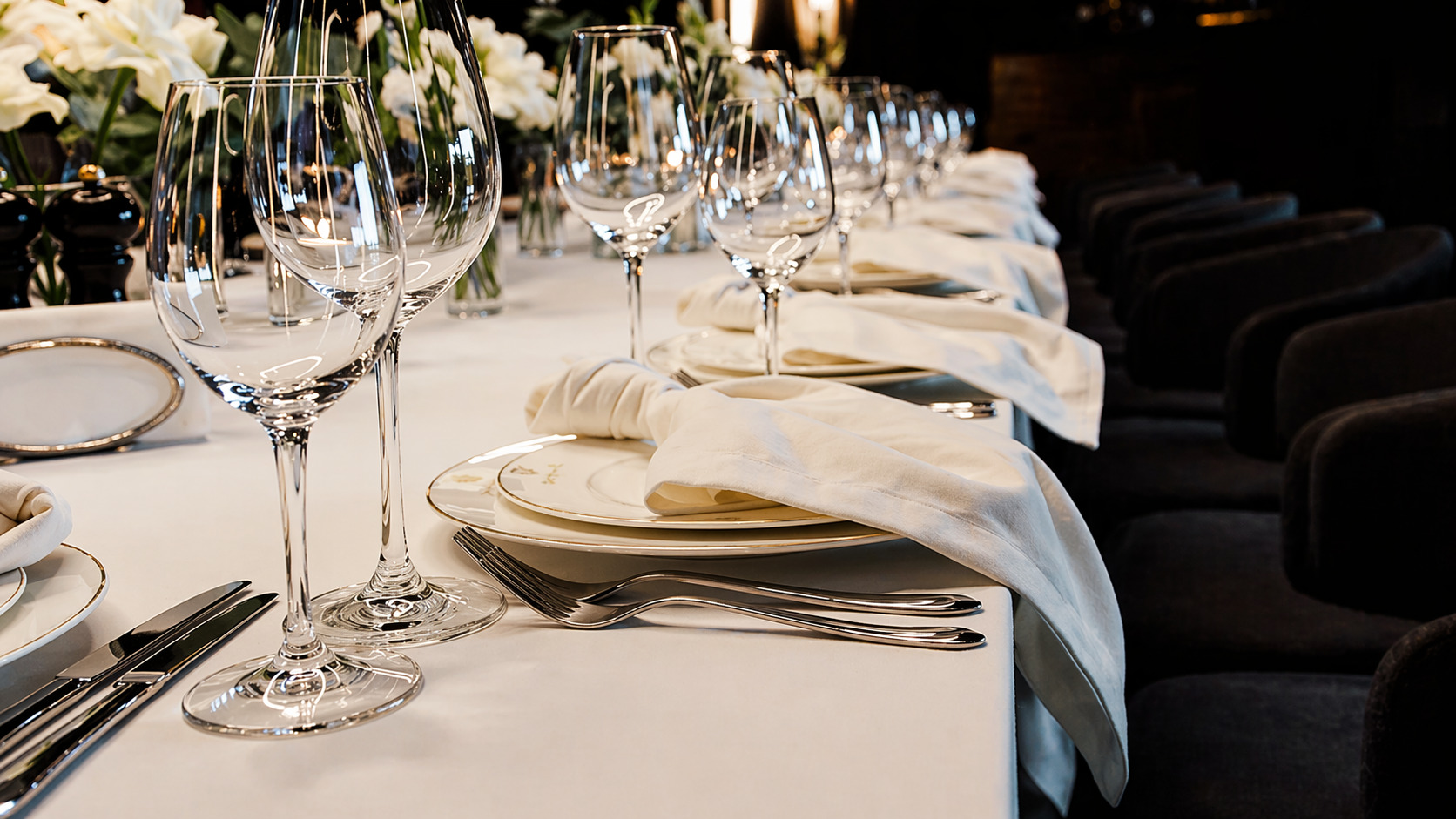
Napkins were an important part of dining etiquette, and an expert named Emily Post wrote about this in her 1922 book. She explained that the napkin should stay on your lap during the entire meal. However, this idea is very old, and even ancient Romans used cloths called mappa to protect their clothes while eating.
If Someone Else Is Paying, Don’t Order the Most Expensive Meal
When someone else invited you to dinner and paid for your meal, it was considered polite to choose a cheaper or moderate option. For example, if the person paying ordered something simple, it would be rude to order something very expensive. This rule applies to dates, business meals, and meals with friends. Today, this rule still exists, but many people now split the bill. A 2021 study showed that more than half of Americans believe the cost of a meal should be shared on a first date.
Also Read: Why Do We Call It a “Pair” of Pants?
Always Use Cutlery Correctly
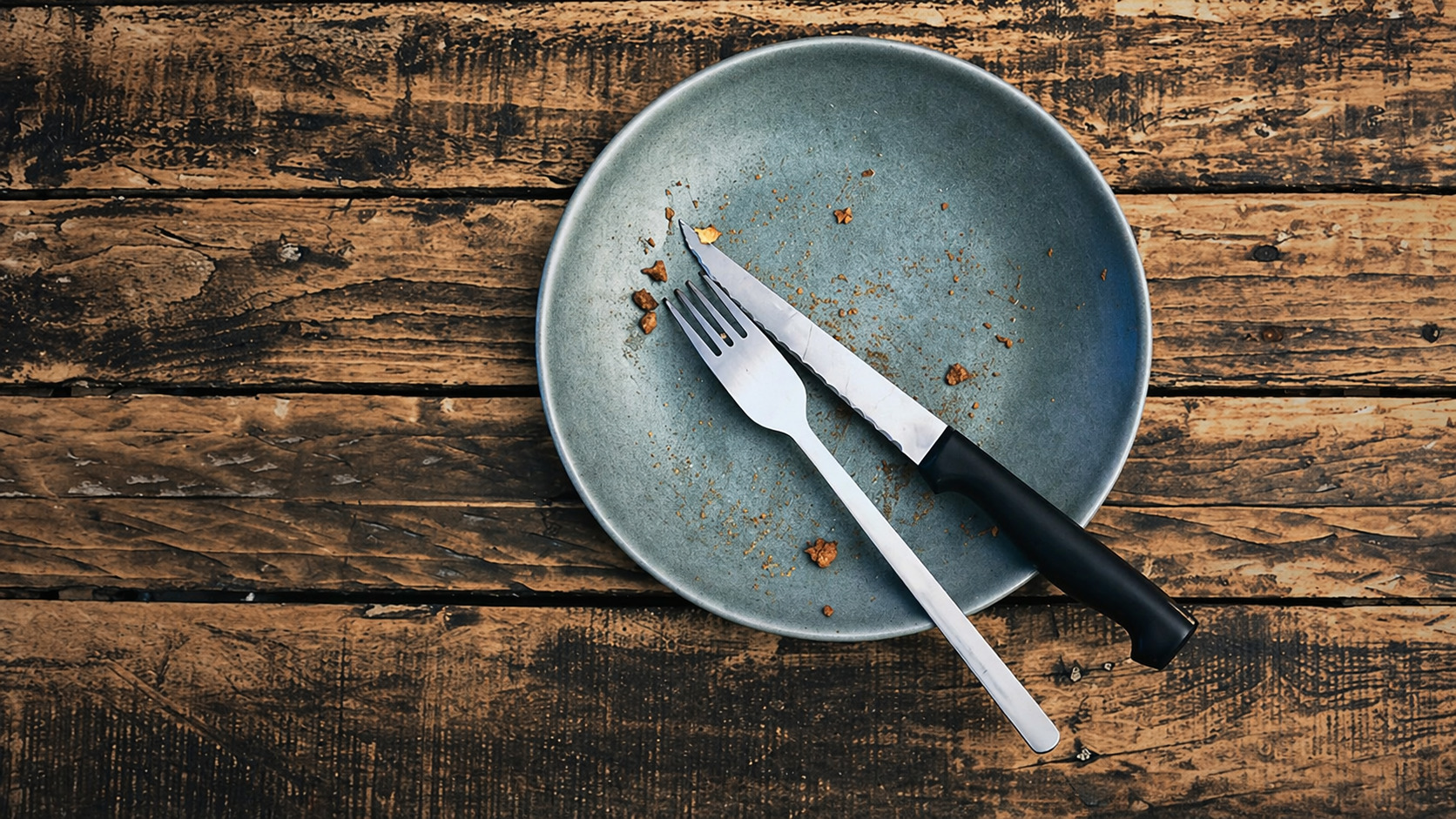
Using cutlery properly has long been seen as a sign of good manners. In the past, only wealthy people used forks, but by the 1800s, forks became common, and rules were created. Emily Post explained that forks should be held in the left hand when using a knife, and in the right hand when no knife is used. After finishing, the cutlery should be placed neatly together on the plate. Some people were taught to imagine the plate as a clock and place the cutlery at positions like 4 o’clock or 6:30.
Don’t Dip Bread into Your Soup
Today, dipping bread into soup is common, but in the past, it was seen as bad manners. This idea comes from the 19th century, when people believed it looked messy. A book from 1890 even described dipping bread into sauces as “vulgar.” Instead, bread was supposed to be broken into small pieces and eaten separately.
Scoop Your Soup Away from You
There was also a correct way to eat soup, and people were taught to scoop it away from their bodies instead of toward them. This helped prevent spills, as any drops would fall back into the bowl instead of onto clothing. People were also expected to use the correct spoon, which was usually the largest one.
Always Tear Bread with Your Hands
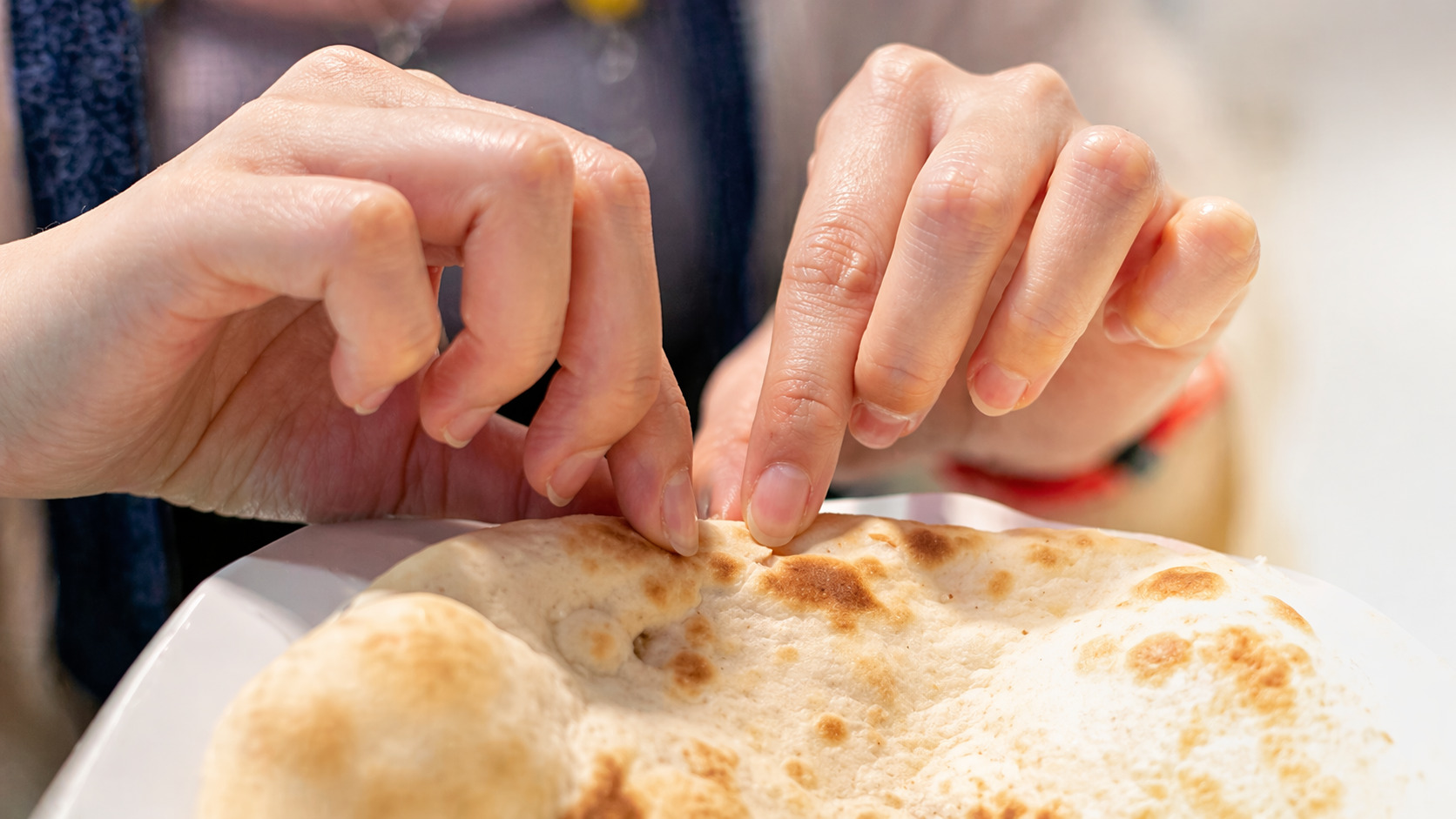
People were taught to tear bread into small pieces with their hands instead of cutting it with a knife. Each piece could be buttered and eaten. This may seem unusual, but bread has long been eaten by hand, and in earlier times, it was even used like a tool for eating other foods. In the past, bread was sometimes served wrapped in a napkin instead of on a plate.
Don’t Leave the Table Until Everyone Has Finished Eating
Another important rule was to stay at the table until everyone had finished eating, and leaving early was not allowed. Only after everyone had finished and placed their cutlery down could you politely ask to leave the table. Today, this rule is less common because people often eat in more relaxed settings, like on the couch, and meals are usually quicker. A 2025 survey showed that many people eat while watching TV and do not spend much time at the table.