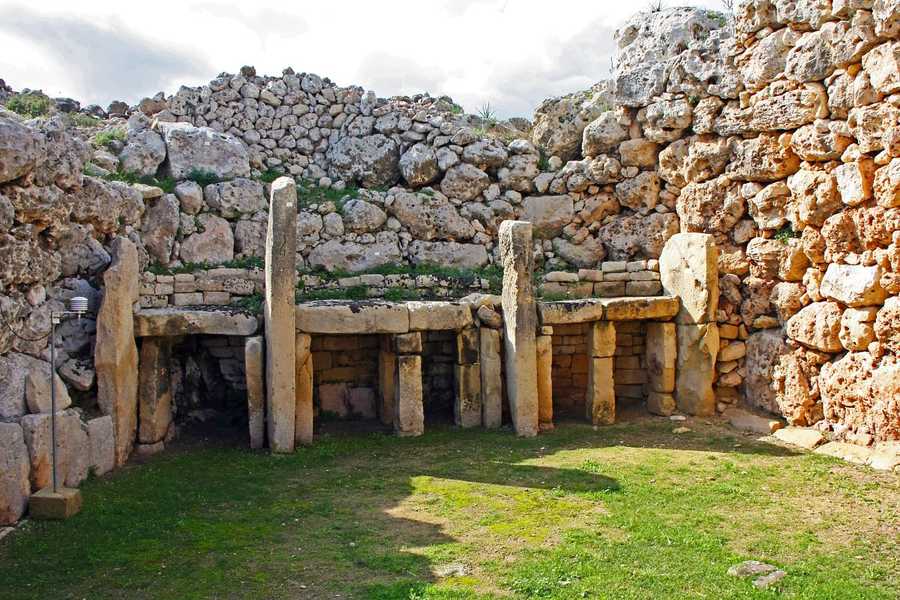
Whenever we think of ancient ruins, history, trenches, and domes, Rome is one such site that still holds a place in our minds, even after two millennia. They undoubtedly created remarkable icons like the Pantheon and the Colosseum, proving their mettle in engineering and architecture. However, there are places which are older than the Roman Empire and still standing intact. Some of them are even older than the first wheel, writing, and even farming.
We may think of ourselves as highly evolved. Still, these architectural marvels are proof that what we call "primitive" societies were equally capable of astonishing feats of planning, architecture, and engineering. All this happened long before central governments, writing systems, or metal tools became common; people figured out how to move tonnes of heavy stones, coordinate large groups of workers, and design structures aligned with the sky. So, check out these seven structures that are old enough to make Romans feel young.
Also read || Göbekli Tepe: World's First Temple In Turkey
Göbekli Tepe, Türkiye (9600–8200 BCE)
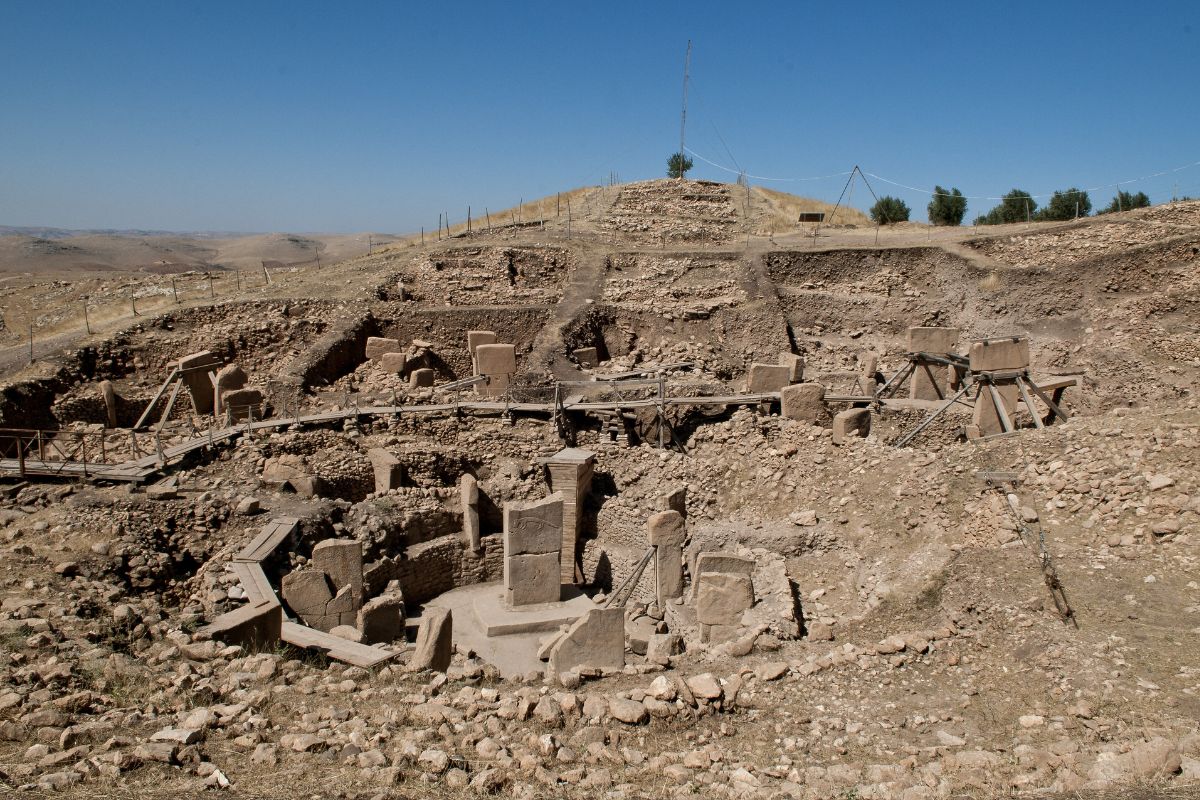
Just think of an old figure in your mind; it can be Alexander the Great or Abraham the Patriarch. Göbekli Tepe is older than most things or people we know of. This architectural site is located in southeastern Türkiye. It is believed that hunter-gatherers raised its circular stone enclosures. These were the same people who had not yet settled into farming villages, let alone cities. UNESCO dates the core structures to between 9600 and 8200 BCE, which puts them 8,000 years before Rome existed.
The site has T-shaped limestone pillars, some of which are several metres tall, and are carved with foxes, snakes, birds, and scorpions. It's a pure work of coordinated labour and a plan, which most conventionally wise people think nomadic hunter-gatherers were deprived of. Structures like Göbekli Tepe force archaeologists to rethink the sequence of belief; it may be possible that communal ritual building came before agriculture, and not after.
Çatalhöyük, Türkiye (7400–5200 BCE)
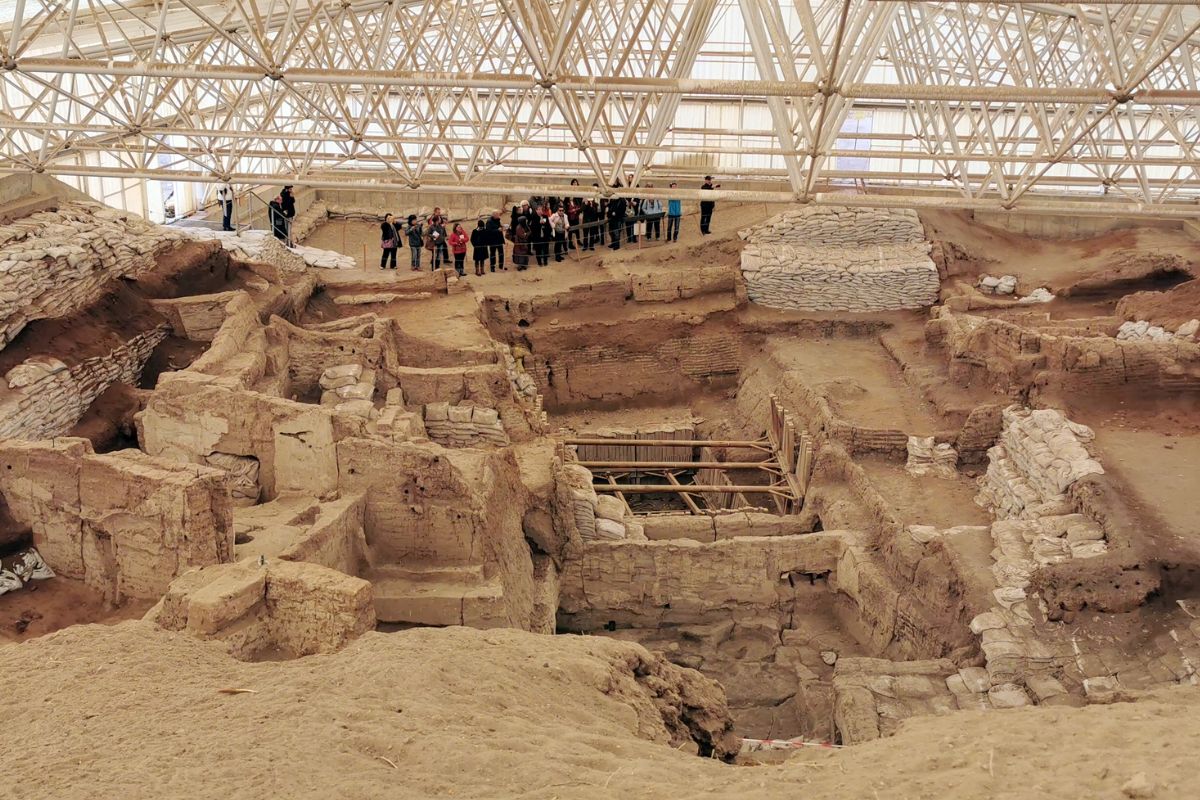
Neither a temple nor a monument, Çatalhöyük was a Neolithic city in central Anatolia that has 18 layers of occupation on its eastern mound, and is roughly 7400 to 6200 BCE old. Its western mound continued into the Chalcolithic period. It is assumed that there would have been thousands of people living there during its peak, packed into a single structure of connected mudbrick homes.
In a conventional sense, this city had no streets, and houses were packed edge to edge, and residents had to climb in and out through openings in the roof using ladders. When archaeologists explored, they found wall paintings, ovens, storage pits, and burial platforms, which show that it was more than just a shelter. They had an established ceremonial and domestic system, which worked for thousands of years before planning became a thing.
The Megalithic Temples of Malta (4th–3rd millennia BCE)
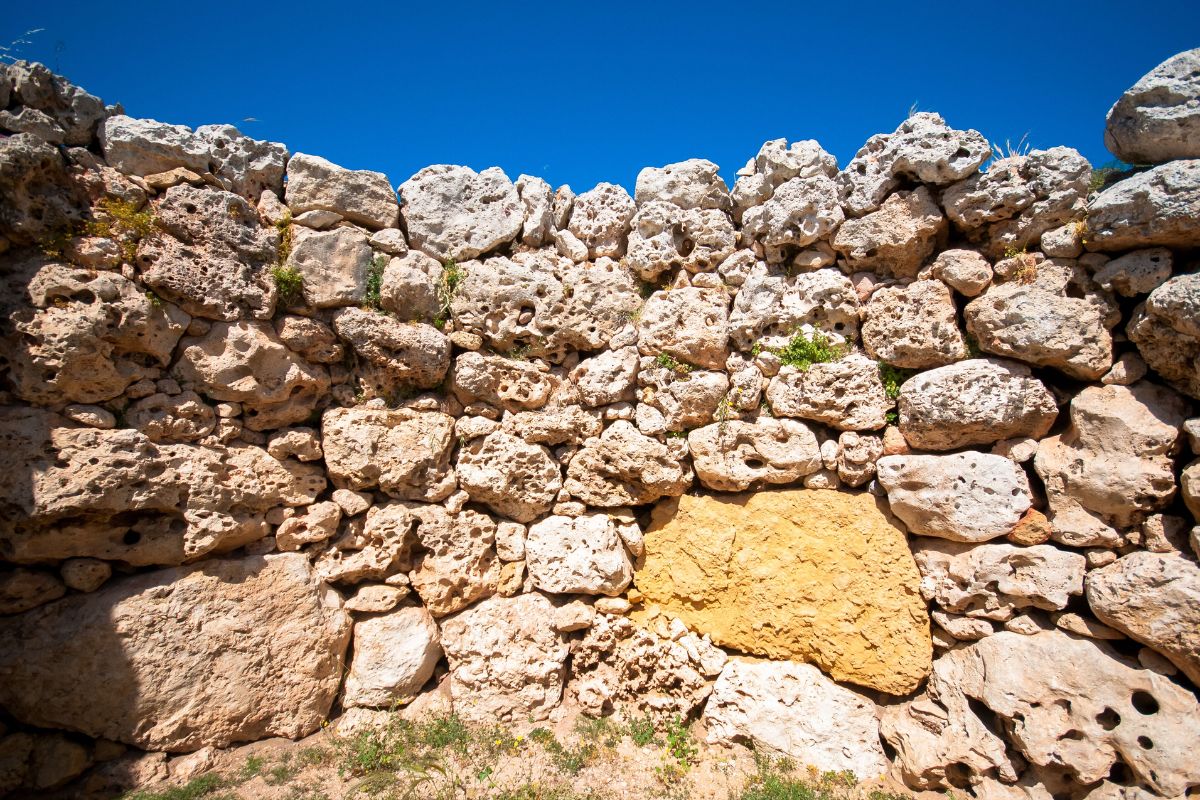
It might be hard to spot Malta on a map unless you're decent at Geography, but the island has a rich history of over 7,000 years. It has temple complexes named Ġgantija, Ħaġar Qim, Mnajdra, Skorba, Ta' Ħaġrat, and Tarxien, which are still among the oldest freestanding stone buildings on Earth.
These temple complexes were constructed across the fourth and third millennia BCE, making them even older than famous sites like Stonehenge in England and the Great Pyramids of Giza in Egypt. They represent an independent tradition of monumental construction that developed entirely apart from the better-known civilizations of the ancient Near East. Six of them are recognized by UNESCO as a single World Heritage property.
Also read || 10 Most Walkable Cities in the World in 2026
Newgrange, Ireland (c. 3200 BCE)
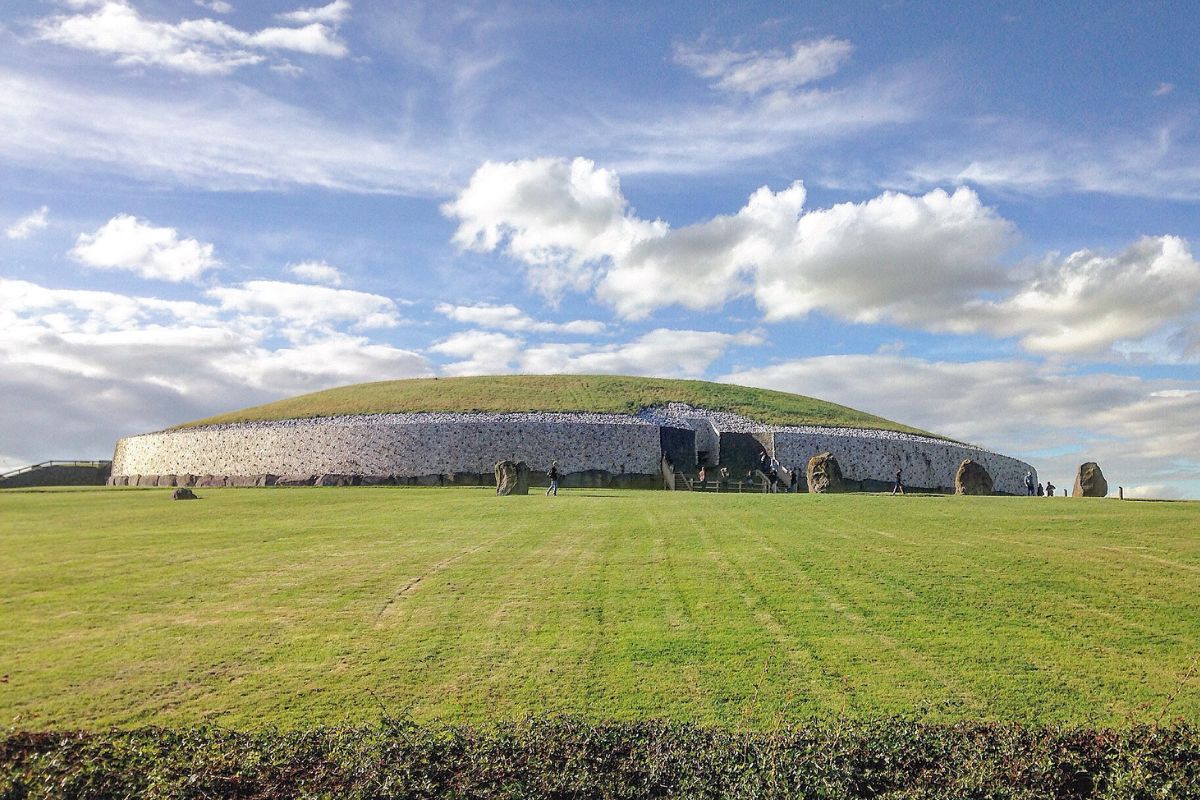
The Rock of Cashel is not the only historic place in Ireland. It might receive a higher number of annual visitors, but Newgrange is the oldest architectural site in Ireland that even predates the UK's iconic Stonehenge or the Giza Pyramids. Newgrange is in Ireland's Boyne Valley and was built by Stone Age farmers around 3200 BCE using corbelling methods without mortar.
This structure itself is around 85 metres across and spreads across the size of a small stadium, all built by hand from stone hauled across the countryside. The most amazing thing about this place is its narrow opening above the entrance, called the roof-box. That roof-box allows sunlight to travel down the passage and illuminate the central chamber for a few moments in the winter. It's not an accident but proof that society was smart enough to track the sun's movement and engineer a building around it.
Stonehenge, England (c. 3700–1600 BCE)
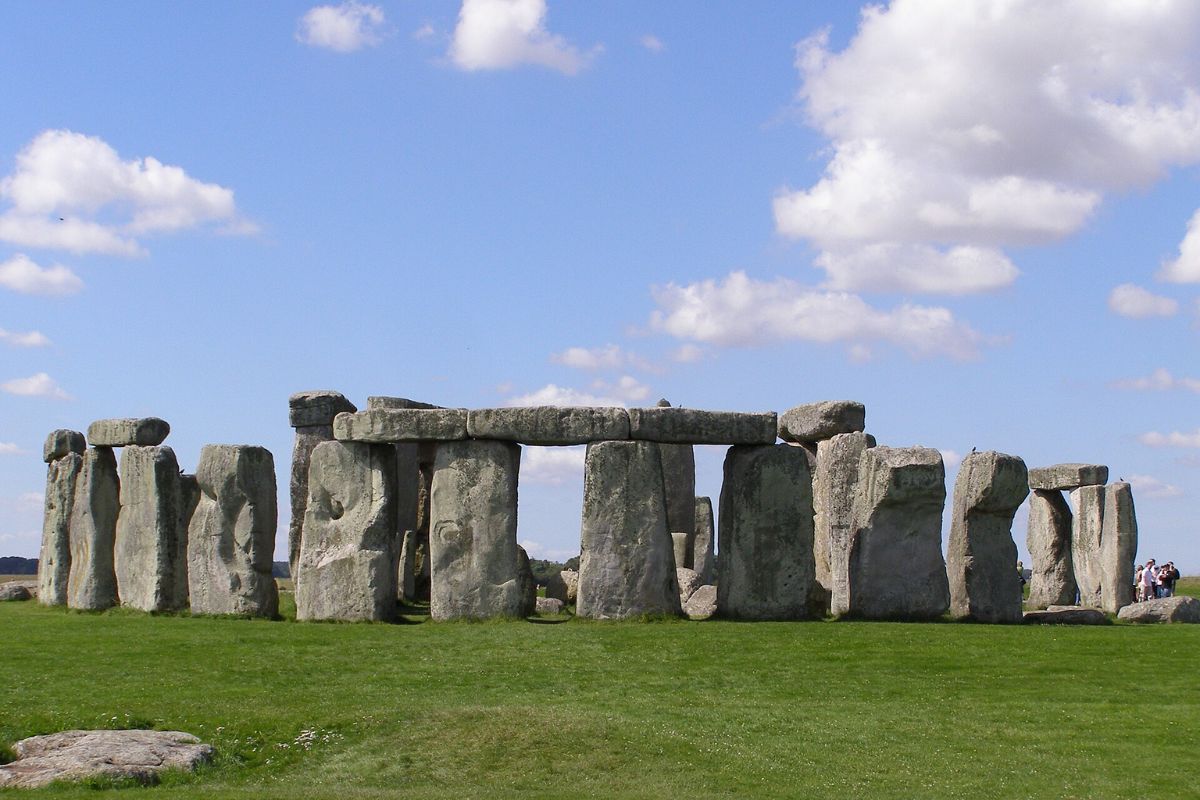
Stonehenge is the oldest architectural site in the United Kingdom. It was not built in days or months, but evolved over roughly 2,000 years, with ditches, burial mounds and stone settings added in phases. UNESCO frames the broader Stonehenge and Avebury landscape between 3700 and 1600 BCE, which means the timing overlaps with the Egyptian Pyramids. So, it is even older than most biblical figures we read about.
In 2500 BCE, the famous Sarsen Circle was created, which featured 30 upright sarsen stones topped by 30 horizontal lintel stones linked with woodworking joints. However, only 17 uprights and 6 lintels are left now. These massive sarsen stones came from nearby sites, but the smaller bluestones were hauled from sites in Wales, which is hard to understand considering logistics were a problem in that era.
The Great Pyramid of Giza, Egypt (c. 2543–2436 BCE)

You know there's something common between Romans and us. The ancient Romans looked at the pyramids of Giza with the same wonder and sense of ancient history that we feel today when we look back at the Roman Empire and their contributions. The Great Pyramid of Giza was built for Khufu during Egypt's Fourth Dynasty. It is one of the seven wonders of the world and still stood among the tallest human-made structures on the planet.
The construction is assumed to have occurred around 2543–2436 BCE, implying it was already two millennia old when Rome was founded. It's not the size of the Great Pyramid but the precision that separates it from early megaliths. Workers quarried and moved huge limestone blocks, maintained consistent alignment, and integrated internal passages and burial chambers in a unified design at a huge scale, which is still a mystery. You may call the pyramids a case study of organization and individual ambitions.
The Great Ziggurat of Ur, Iraq (c. 2100 BCE)
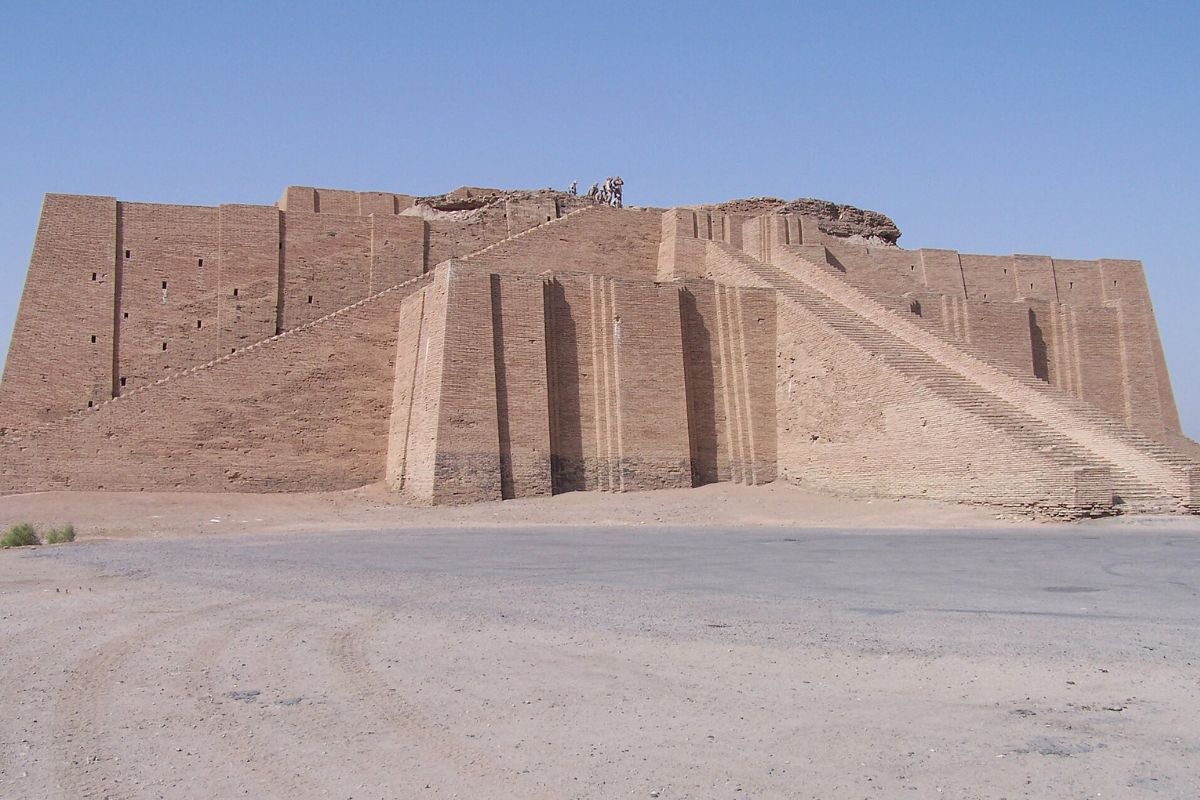
There is no way you can talk about history and architecture without talking about Mesopotamia, which is mainly the region of Iraq. The Great Ziggurat of Ur was built around 2100 BCE, which is older than most religions that exist today. It was dedicated to Nanna, the Sumerian moon god and patron deity of Ur, and was built under King Ur-Nammu. One can call it a contemporary of pyramids, but built on entirely different architectural principles.
Unlike a pyramid, a ziggurat was not a tomb, but a platform for raising a shrine above the flat Mesopotamian plain so it could be visible from miles away. When we talk about structure, it was a blend of massive mudbrick and a tougher baked-brick exterior, along with stairways to carry people upwards towards the temple. From an engineering and planning perspective, it required enormous quantities of brick and a supply chain to match, which shows it was well-planned and administered.
Also read || 9 Unusual Architectural Styles from Around the World
What Ties Them Together
You might say that all these monuments are entirely different and share no commonality. However, there is a pattern to be understood. Whether it is Göbekli Tepe, Çatalhöyük, Malta's temples, or Newgrange, they did not wait for cities to be built, advanced metal tools, or manuscripts. They had ambitions and were well-organized to plan and build. It proves that ancient humans were smart enough, but restricted by resources, which we have right now.
Neither of these sites had Rome's concrete designs, road networks, or its bureaucratic influence, but every one of them solved a version of the same problem that Rome or later civilizations solved. They organize people, materials, and time into building something that outlasts its builders. builders. Rome did not invent the instinct, but inherited it from its preceding civilizations, and the pattern continues to this day.