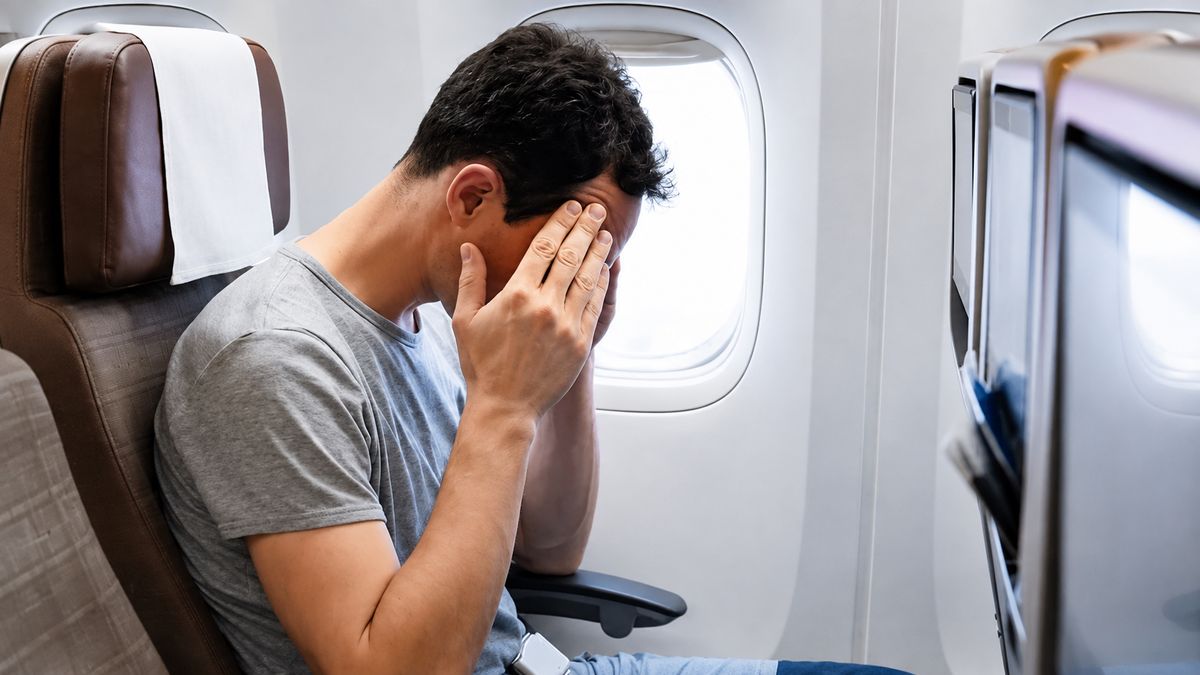
For many people, the excitement of traveling begins the moment they book a flight. Whether it's a dream vacation, a business trip, or a visit to family, flying is one of the fastest and safest ways to travel. However, not everyone enjoys the journey. For millions of travelers, motion sickness can turn an exciting trip into an uncomfortable experience filled with dizziness, nausea, cold sweats, and even vomiting.
Motion sickness is surprisingly common, with health experts estimating that nearly one in three people experience it under certain conditions. While some people only feel sick during rough turbulence, others become nauseous shortly after takeoff or even while traveling by car, train, or boat.
The good news is that motion sickness can often be managed with a few simple habits. Pilots and flight attendants spend hundreds or even thousands of hours in the air, so they know which techniques actually help passengers stay comfortable. Below are nine practical tips, supported by both aviation experience and scientific understanding, that can make your next flight much more enjoyable.
Choose a Seat Over the Wings
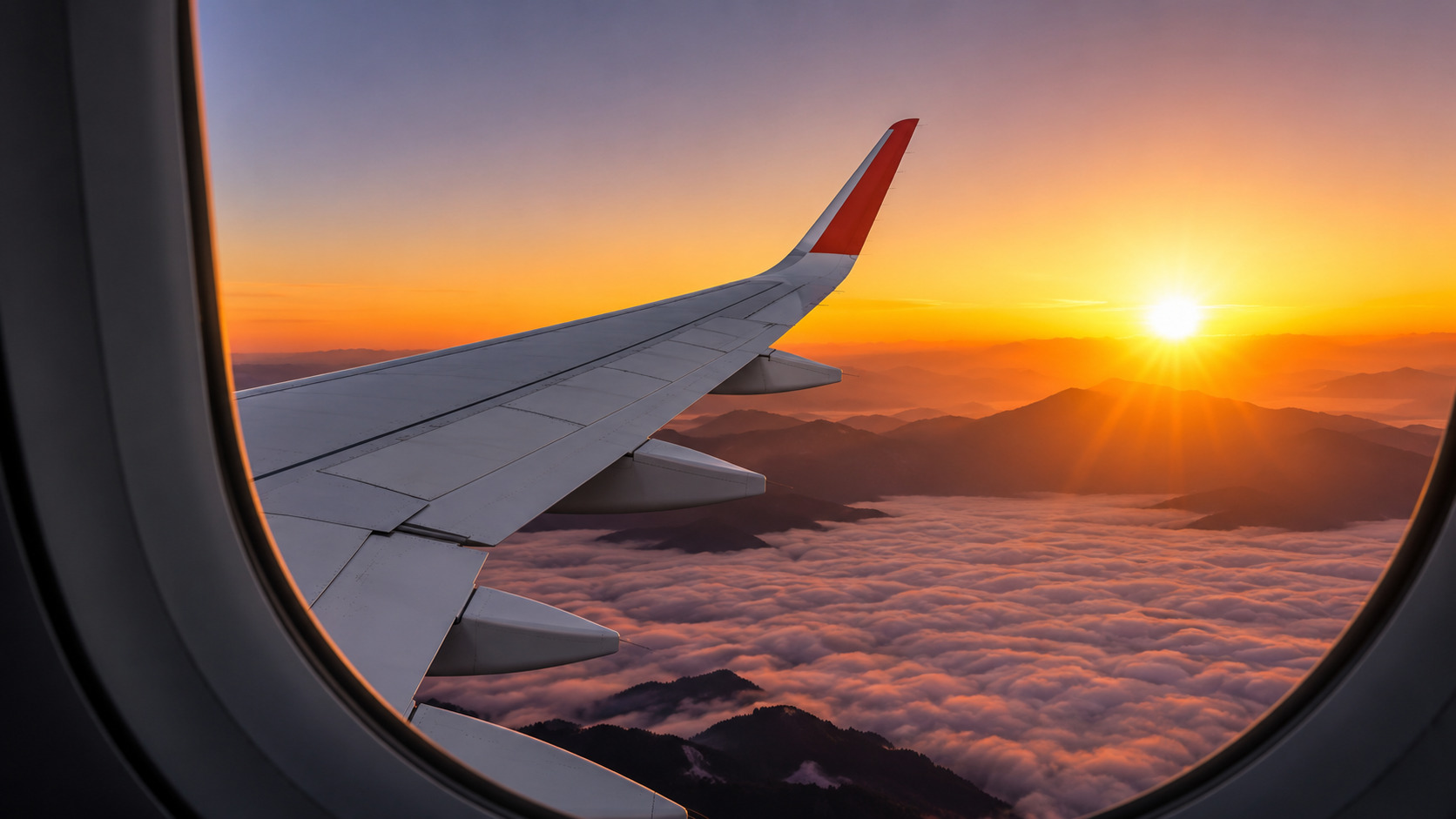
Where you sit on an airplane can make a noticeable difference in how much movement you feel. The area over the wings is located close to the aircraft's center of gravity, making it the most stable part of the plane. Because this section experiences less up-and-down and side-to-side movement, passengers seated here usually feel less turbulence than those sitting near the back.
Although turbulence cannot be avoided completely, choosing a seat over the wings helps reduce the sensation of motion and can make the flight much more comfortable for people who are prone to motion sickness. If possible, book your seat early so you can select a spot in this area. A window seat near the wings also allows you to look outside whenever needed.
Also Read: How to Pack Light: 10 Smart Tips for Stress-Free Travel
Look Outside at the Horizon

One of the simplest and most effective ways to reduce motion sickness is to look outside the aircraft instead of focusing on objects inside the cabin. Motion sickness happens because your eyes and inner ear receive different information. While your body senses movement, your eyes may tell your brain that you are sitting still, creating confusion that can lead to dizziness and nausea.
Looking at the horizon helps your brain better understand the airplane's movement and allows your vision and balance system to work together. This method works best if you have a window seat. During daylight, try focusing on the distant horizon rather than nearby clouds or the airplane's wing.
Stay Cool by Using the Air Vent
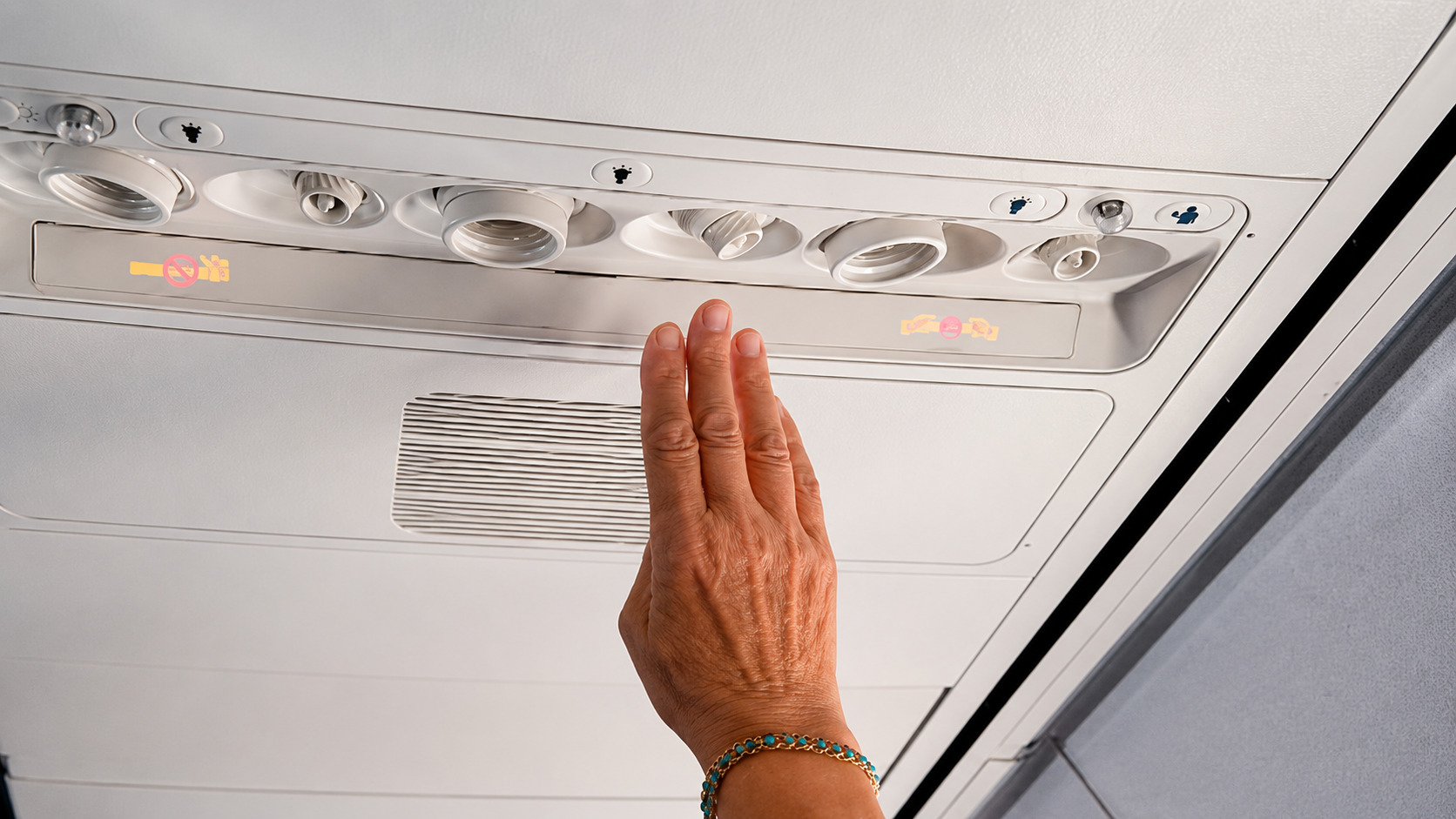
Flight attendants often recommend turning on the overhead air vent if you start feeling sick during a flight. Cool air blowing gently on your face can help lower your body temperature and reduce feelings of nausea.
Many passengers also find that fresh, circulating air makes breathing easier, especially during turbulence. If you begin to feel warm, sweaty, or dizzy, adjust the air vent so it blows directly toward your face. Combined with slow, deep breathing, this simple habit may help you feel better within a few minutes.
Keep Your Mouth Busy

Chewing gum, sucking on mints, or even chewing small pieces of ice can distract your brain from focusing on nausea. Many experienced flight attendants have noticed that passengers often feel calmer when they have something to chew or suck on.
Mint-flavored gum can also leave a fresh taste in your mouth, which many people find soothing. If you are traveling on a long flight, keep a pack of sugar-free gum or mints in your carry-on bag so they are always within easy reach whenever you need them.
Skip Books and Screens if You Feel Sick
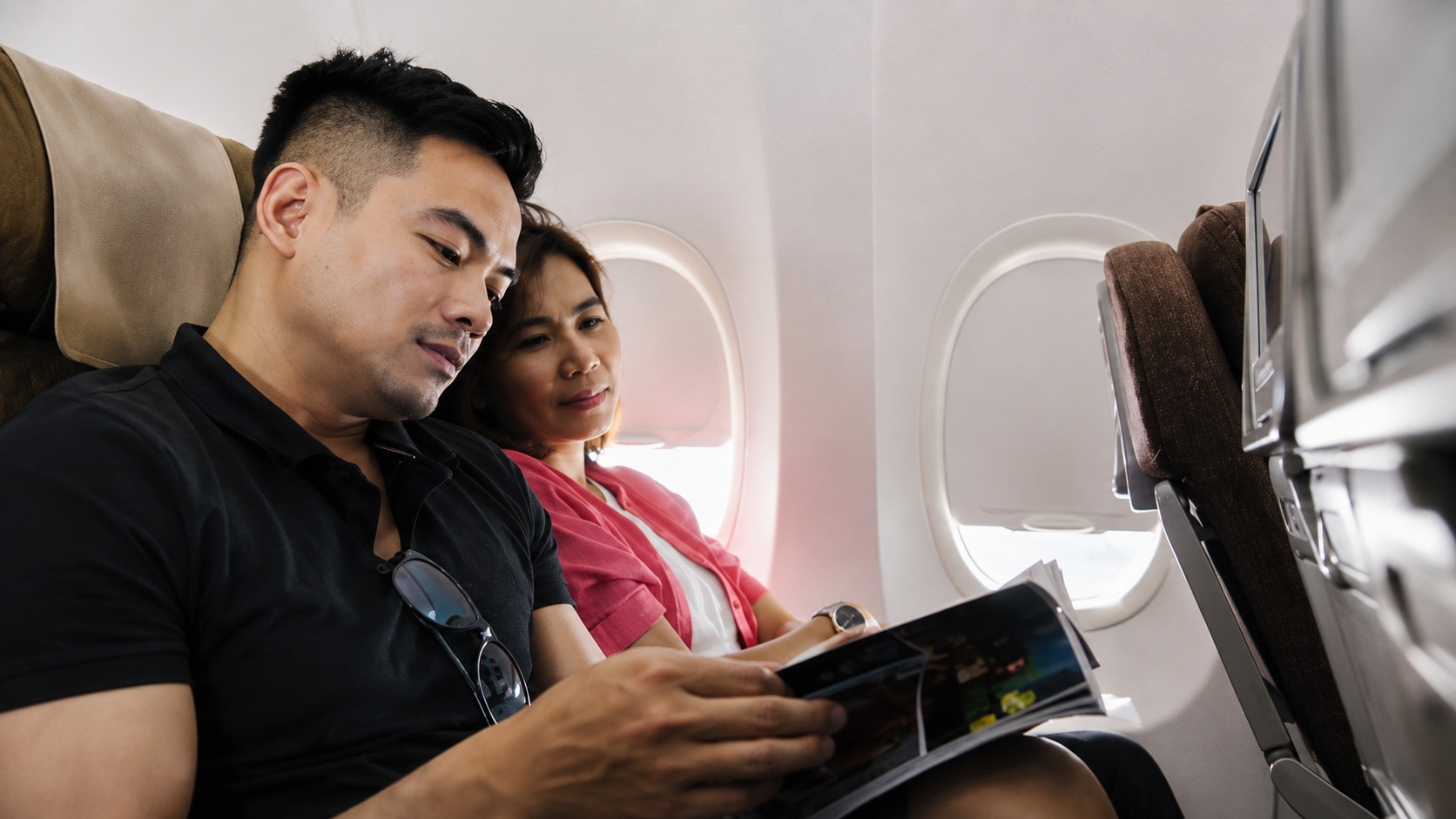
Watching movies, scrolling through your phone, or reading a book may seem like a great way to pass the time, but these activities can actually make motion sickness worse. When you focus on a screen or a page, your eyes remain fixed while your inner ear continues to detect the airplane's movement.
This increases the conflict between your senses and can make nausea more severe. Instead, try listening to music, podcasts, or audiobooks. Closing your eyes while listening can also help your brain relax and reduce discomfort during the flight.
Wear Comfortable Clothing
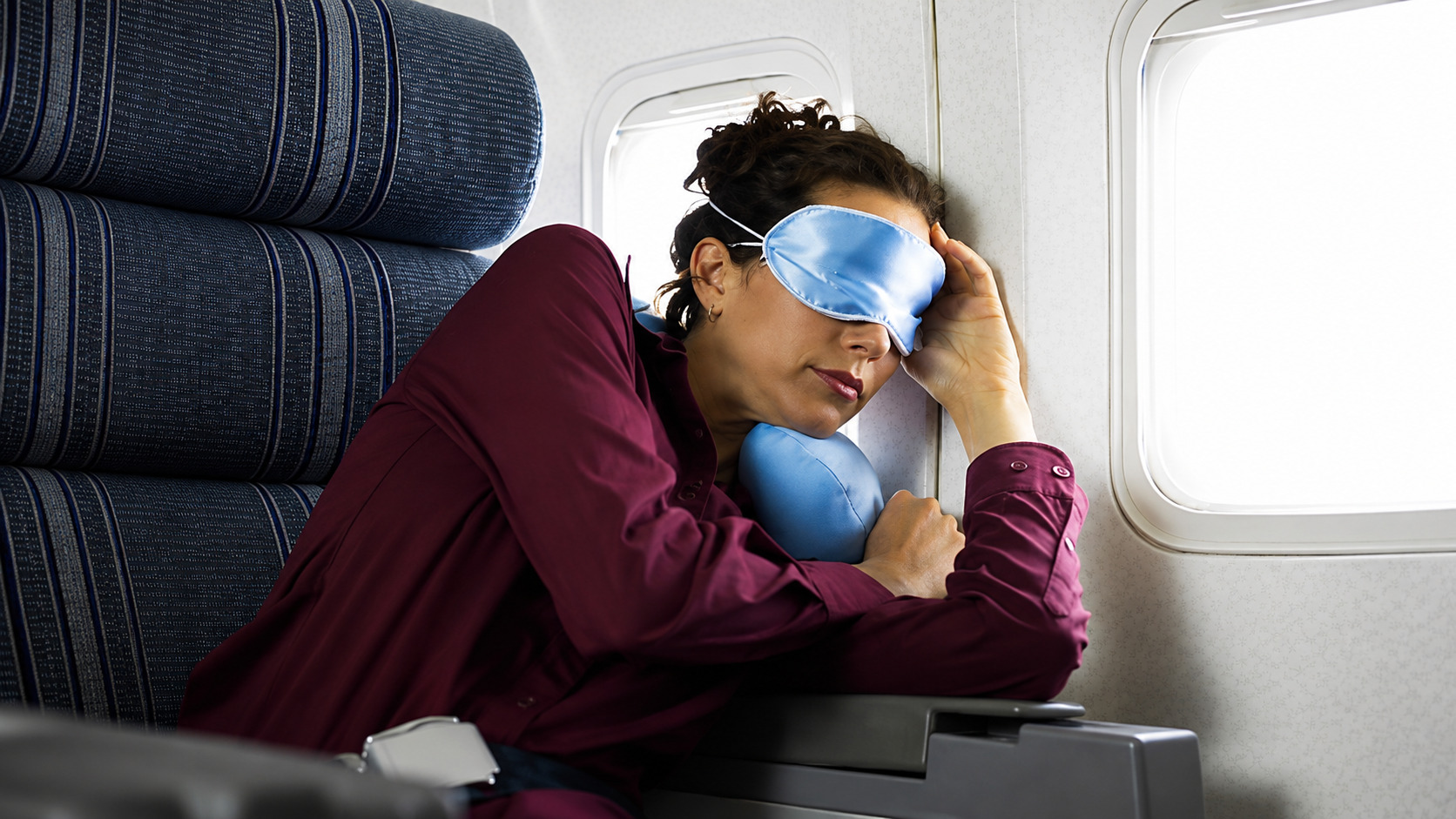
Comfort matters more than many travelers realize, especially during a long flight. Tight jeans, belts, or fitted clothing can put pressure on your stomach, making nausea feel worse if you are already sensitive to motion.
Wearing loose, breathable clothing allows your body to stay relaxed and reduces unnecessary discomfort throughout the journey. Comfortable shoes and lightweight layers are also good choices because cabin temperatures can change during the flight, allowing you to adjust your clothing as needed.
Also Read: How to Avoid QR Code Scams When Traveling
Drink Ginger Beverages
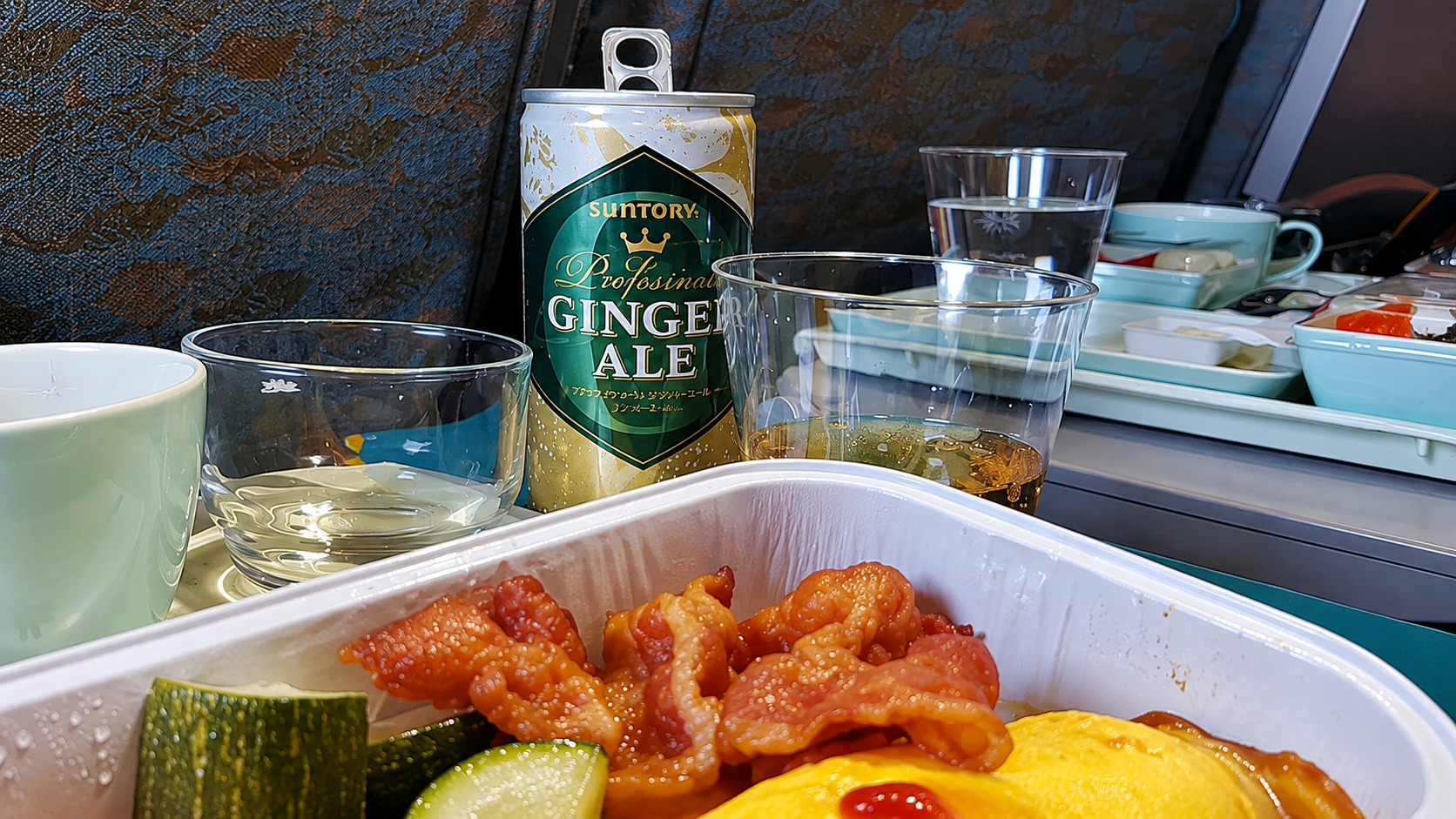
Ginger has been used for centuries as a natural remedy for nausea and digestive discomfort. Many airlines serve ginger ale, making it an easy option if you begin to feel sick during your flight.
Some travelers also carry ginger candies, ginger tea bags, or ginger tablets for extra support. However, carbonated drinks may not work well for everyone. If fizzy beverages make you feel bloated or uncomfortable, plain water or a warm cup of ginger tea may be a better choice.
Keep Your Head as Still as Possible
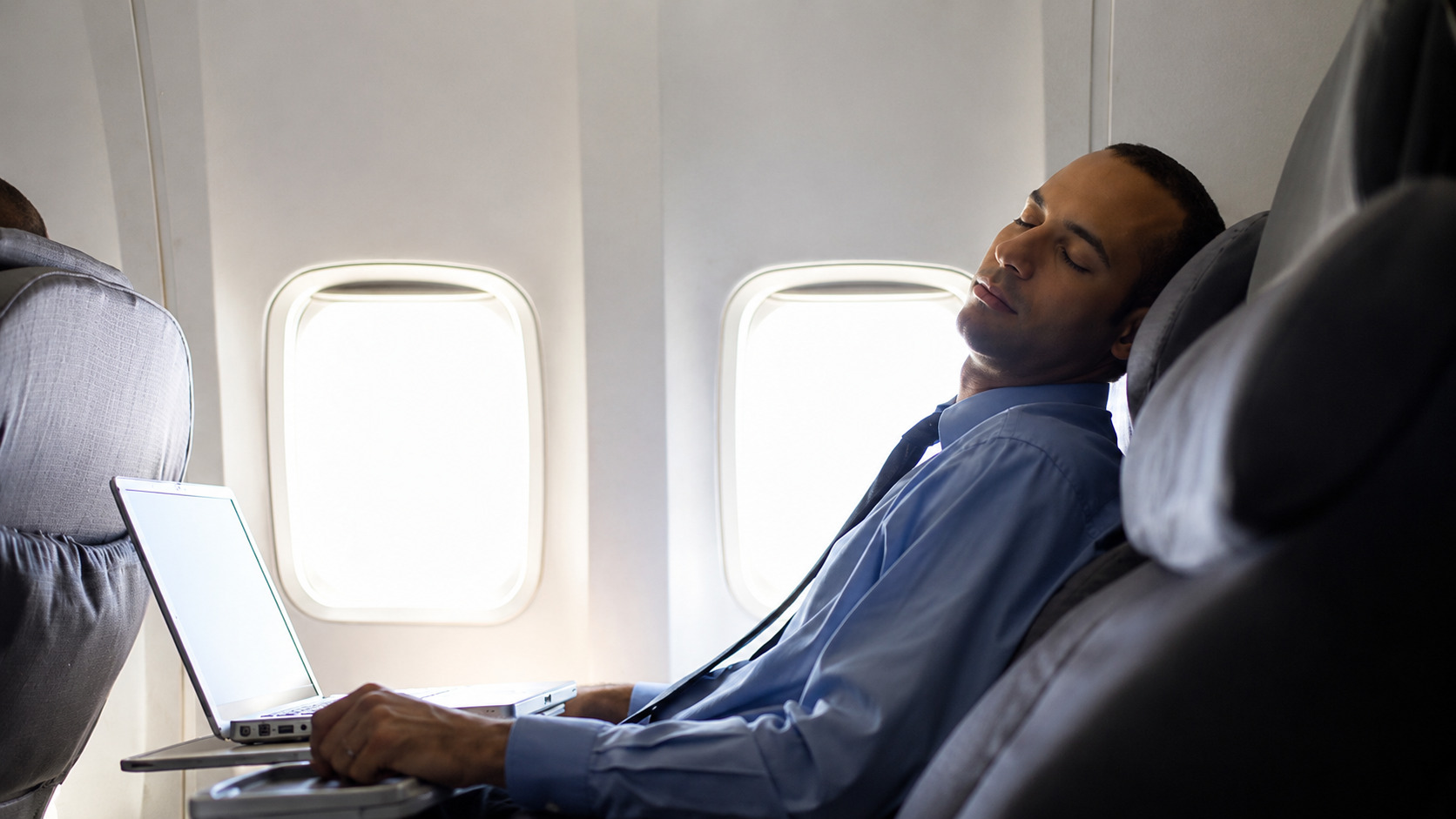
Frequent head movements can make motion sickness worse because they create additional signals for your inner ear to process. During turbulence, try resting your head against the seat and avoid looking up and down repeatedly.
If you need to reach for something, move slowly instead of making sudden movements. Many pilots follow a similar practice while flying because reducing unnecessary head movement helps prevent dizziness and makes it easier for the body to adjust to changes in motion.
Eat Light Before You Fly

Your choice of food before a flight can greatly affect how you feel once you are in the air. Avoid large meals, spicy foods, greasy dishes, and excessive amounts of salty snacks before boarding, as heavy meals take longer to digest and can increase stomach discomfort if turbulence occurs.
Instead, eat a light meal containing foods that are easy to digest, such as toast, rice, bananas, oatmeal, crackers, or grilled chicken. Staying hydrated by drinking plenty of water before and during your flight is equally important and can help reduce the chances of feeling nauseous.
Fly More Comfortably
Motion sickness does not have to ruin your travel experience. By choosing a stable seat, looking at the horizon, keeping cool, limiting screen time, wearing comfortable clothing, drinking ginger beverages, keeping your head steady, and eating light meals, you can greatly reduce your chances of feeling sick while flying.
Although these tips work well for many travelers, everyone is different. If you frequently experience severe motion sickness, it is best to speak with a healthcare professional before your next trip. With a little preparation, you can spend less time worrying about nausea and more time enjoying your journey.