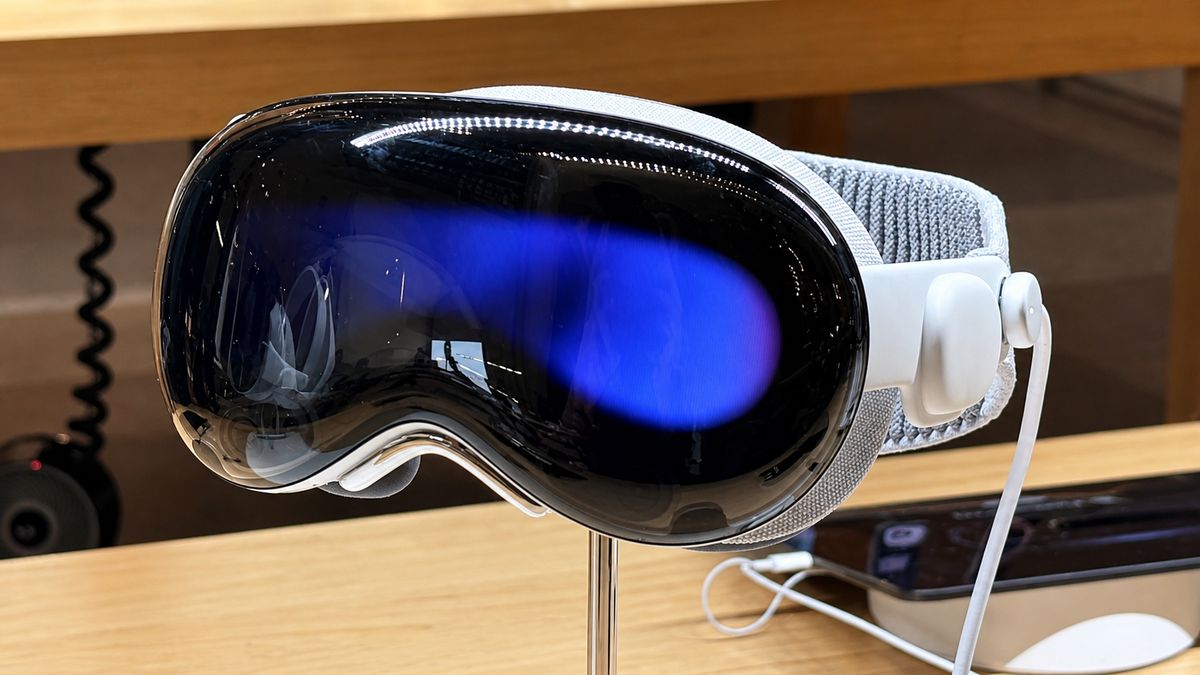
In a major step forward for medical technology, Apple Vision Pro is beginning to prove its value in the operating room. Originally introduced as a high-end mixed reality headset, the device is now finding real-world use in healthcare, and it has already made history. A recent breakthrough came when the Vision Pro was used during a cataract surgery, marking one of the first times such a device has played a central role in this type of procedure. According to SightMD, ophthalmologist Eric Rosenberg performed the first surgery using the system in October 2025. Since then, multiple successful procedures have followed, showing that this is not just a one-time experiment but a growing trend.
What made this possible was not just the hardware, but also a specialized application called ScopeXR. Developed by Dr. Rosenberg himself, the app provides a highly detailed and immersive 3D view of the surgical field. While operating, he could see enhanced visuals of the eye along with digital overlays such as patient data and diagnostic results, all displayed directly in front of him in real time. This kind of visualization changes how surgeons interact with their environment, because instead of looking away at separate monitors, everything they need is integrated into one seamless view, improving both focus and efficiency.
Also Read: Should You Accept or Reject Cookies From a Website?
Inside ScopeXR: The Software Behind the Breakthrough
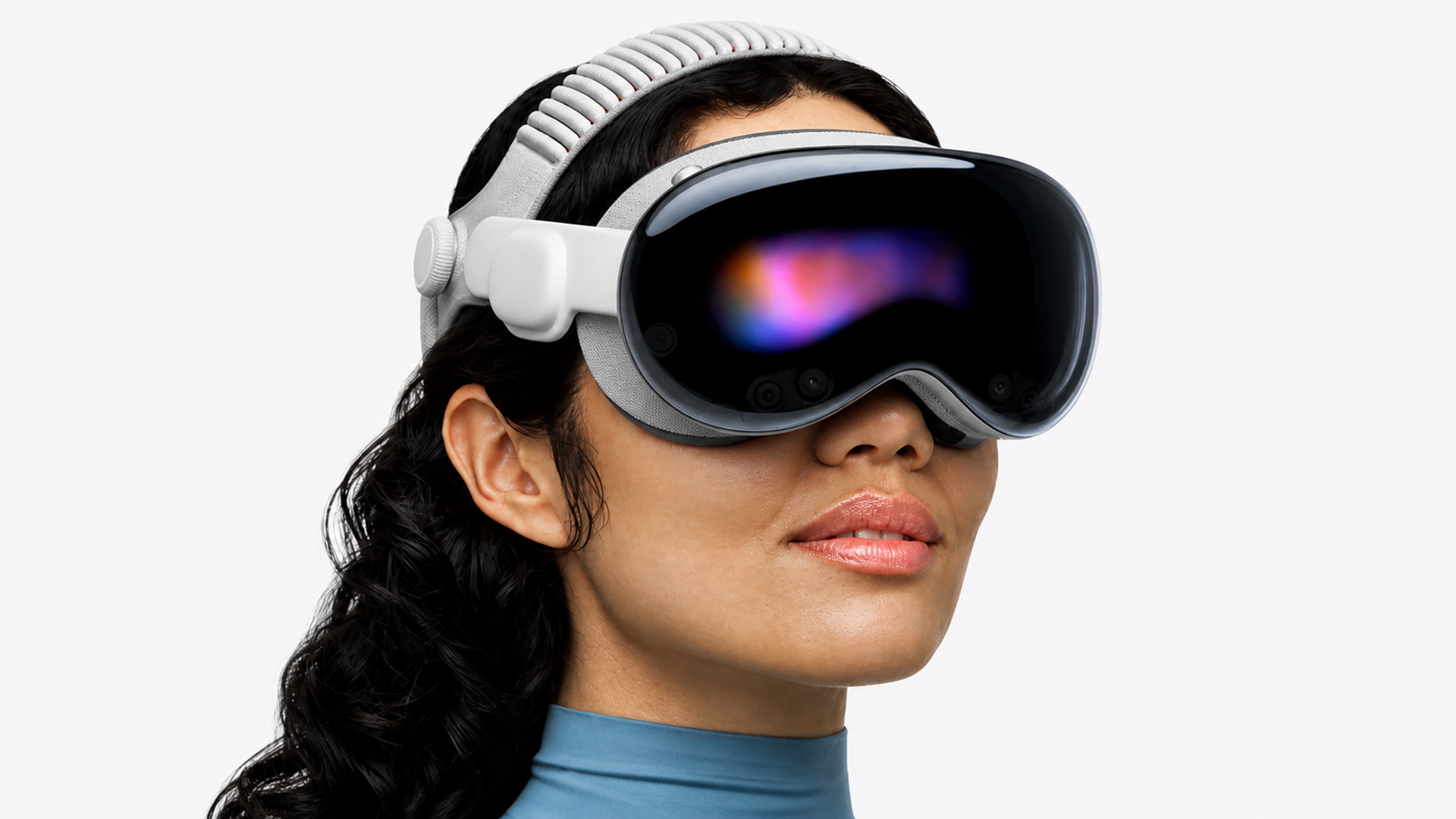
While the Vision Pro provides the platform, ScopeXR is the tool that truly enables this innovation. It is designed specifically for ophthalmic procedures and connects with advanced 3D surgical microscopes to stream live images directly into the headset. This integration allows surgeons to see precise, real-time visuals with added layers of critical information.
Importantly, the system is designed to work with existing surgical setups, meaning hospitals do not need to overhaul their infrastructure to adopt it. This lowers the barrier to entry and makes widespread use more realistic. One of ScopeXR’s most powerful features is its ability to enable real-time collaboration, allowing surgeons and specialists from anywhere in the world to join a procedure virtually. They can view the same live feed as the operating doctor, analyze diagnostic data, and communicate through two-way audio.
As Dr. Rosenberg explained, this technology has the potential to bring top-level expertise into any operating room, regardless of location. Whether it is a new surgeon performing their first procedure or an experienced one facing complications, immediate access to expert guidance can make a critical difference. Beyond active surgeries, the platform also serves as a powerful educational tool, as medical students, residents, and trainees can observe procedures as if they were physically present, gaining valuable experience without being in the operating room.
Why Apple Vision Pro Is Well-Suited for Surgery
Despite these promising developments, the Apple Vision Pro is not yet a mainstream success as a consumer product. It is currently available only in select regions and comes with a high price tag of $3,499. Users have also noted limitations such as battery life and discomfort during extended use.
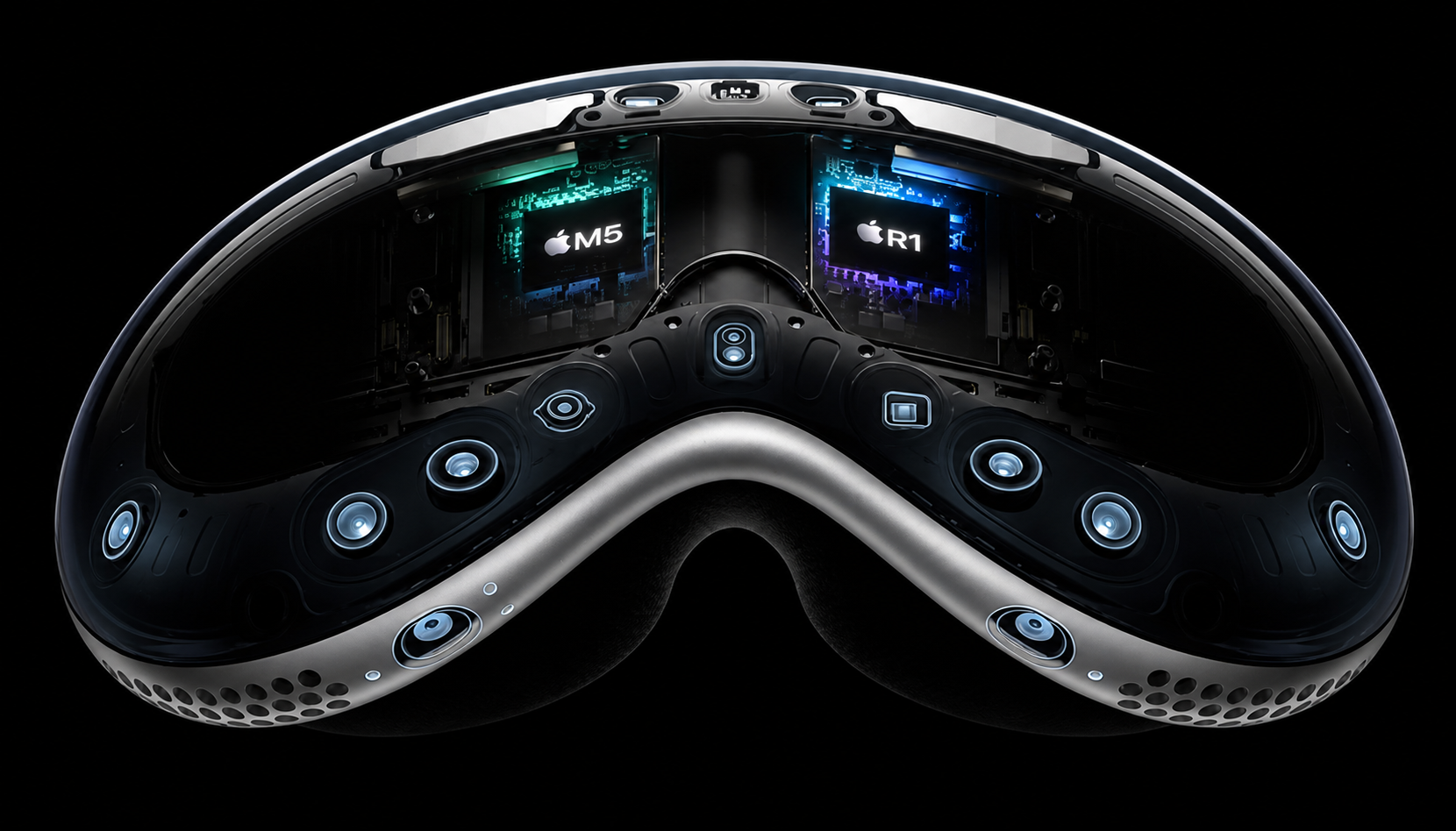
However, when it comes to medical applications, many of its features make it uniquely suitable. The headset includes high-resolution micro-OLED displays that deliver an exceptionally clear mixed reality experience. Apple has continued to refine the device by introducing an updated version powered by the M5 chip, which offers improved performance, including more pixels and a refresh rate of up to 120Hz.
Another key advantage is its low latency. Apple reports that the device’s cameras, sensors, and microphones can process and display images in as little as 12 milliseconds. This near-instant response is crucial in surgical environments, where even small delays can impact precision.
The M5 processor also enhances performance by speeding up applications and enabling advanced features such as hardware-accelerated ray tracing. In addition, improved Neural Engine cores allow AI-driven features to run significantly faster, opening the door to smarter assistance during procedures.
Comfort has also been improved with design updates like the Dual Knit Band, which helps distribute weight more evenly across the head. Perhaps most importantly, the Vision Pro allows for completely hands-free interaction, as surgeons can control the system using eye movements, simple hand gestures, and voice commands. This is a major advantage in sterile environments, where minimizing physical contact is essential.
Also Read: What's The Difference Between Motorcycle And Car Engines?
A Glimpse Into the Future of Medicine
The use of Apple Vision Pro in cataract surgery is more than just a technological milestone, as it represents a shift in how surgeries may be performed in the future. By combining immersive visualization, real-time data, and global collaboration, tools like ScopeXR are redefining what is possible in the operating room.
While the device still faces challenges in the consumer market, its growing role in healthcare suggests a different kind of success, one measured not in sales numbers, but in improved outcomes, better training, and expanded access to expertise.
As this technology continues to evolve, it may soon become a standard part of surgical practice, helping doctors work more precisely and enabling patients to receive better care worldwide.