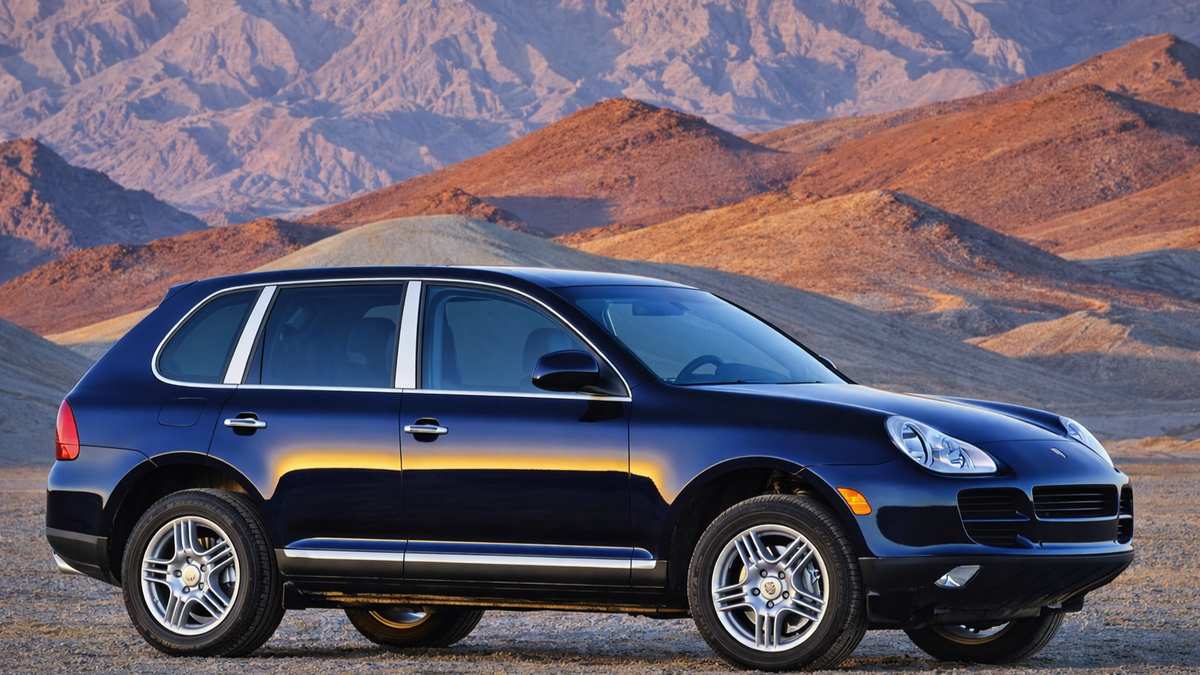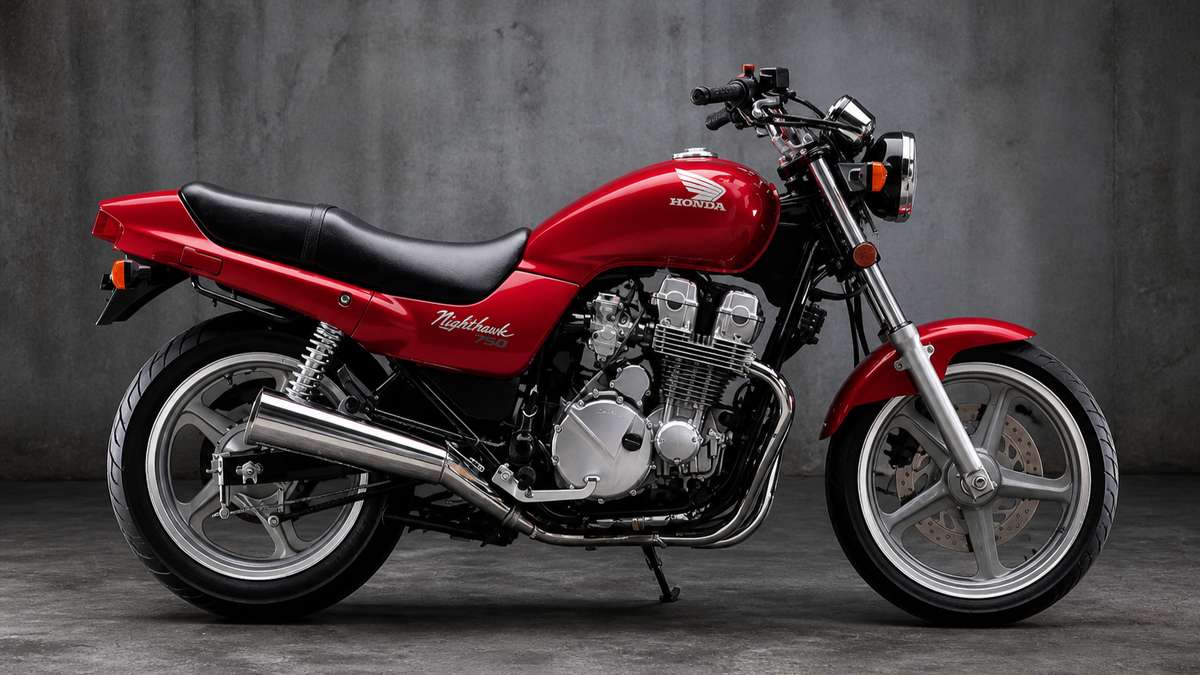
The two most common motorized vehicles you are likely to see on the road today are cars and motorcycles. This is not a surprising statement, and it is not new information. Still, many people have looked at a car or a motorcycle at a stop light and wondered what the difference is between their engines. At first glance, both types of engines seem very different, as cars are larger and more enclosed, while motorcycles are smaller and more exposed. However, when you look at how their engines work, the answer becomes simple. Both motorcycle and car engines do the same basic job. They convert internal combustion into motion through controlled explosions inside the engine, where fuel burns and pushes moving parts that turn the wheels. Because of this, the short answer is that there is not a lot of difference, but the longer and more accurate answer is that it depends.
Also Read: How a Board Game Inspired the Invention of QR Codes
Engine Size and Displacement
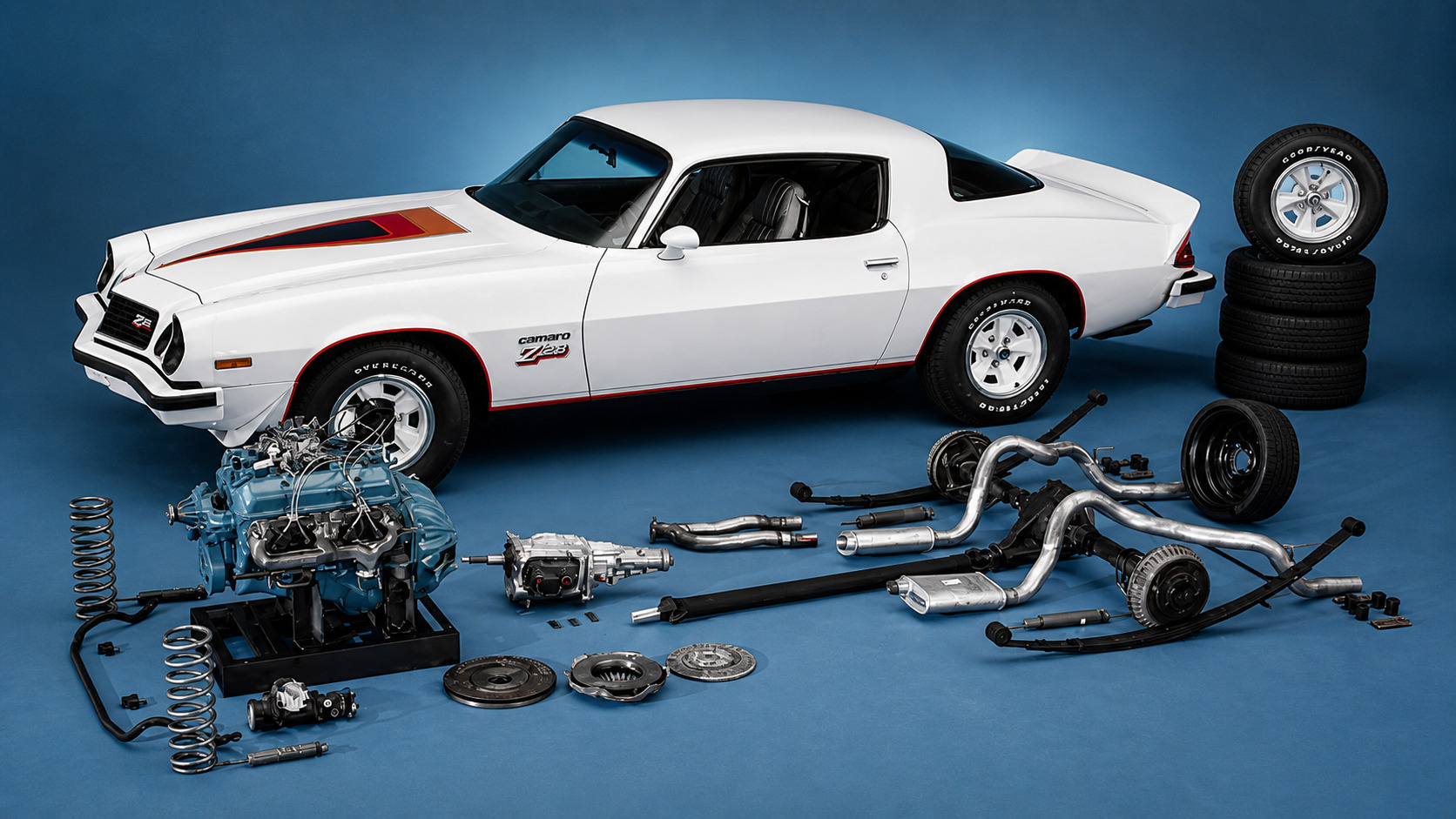
The main difference between motorcycle and car engines is size, which is usually measured in engine displacement. This refers to the volume inside the engine cylinders. Motorcycle engines are generally smaller, and for example, a 250cc engine is very common in motorcycles because it provides enough power for a lightweight vehicle and is widely used around the world. In contrast, it is very rare to find a car with such a small engine. On the other hand, car engines are usually larger, and a 3.0-liter V6 engine is a common size for many cars. This type of engine provides more power because cars are heavier and often carry passengers and cargo. It would be unusual to see an engine this large in a motorcycle, except in rare or custom-built cases. However, this difference is not a strict rule, and there are always exceptions, but in general, motorcycles use smaller engines, and cars use larger ones.
Engine Speed and Temperature
Another difference is how the engines operate. Motorcycle engines usually run at higher RPMs, which means they spin faster, and they also tend to run at higher temperatures. Many motorcycles use air cooling instead of liquid cooling, which means that heat is released directly into the air instead of being controlled by a coolant system. Because of this, motorcycle engines often experience more heat during operation. Car engines, in comparison, usually run at lower RPMs and use liquid cooling systems, which help keep the engine temperature stable and controlled.
Oil and Lubrication
One of the most important differences between motorcycle and car engines is how oil is used. In a car engine, oil mainly protects and lubricates the engine itself, while other parts of the vehicle, such as the transmission, use separate fluids, meaning each system has its own fluid designed for its job. Motorcycles are different because most of them use a system called a common sump, where the same oil is used for multiple purposes. The oil not only lubricates the engine but also helps cool it and lubricates the clutch and gearbox. Because motorcycle oil has to do more work, it is specially designed for that purpose, which is why car engine oil should not be used in a motorcycle, as it is not made to handle these extra functions.
Cooling Systems
Cooling is one of the biggest functional differences between motorcycle and car engines. Motorcycles use a mix of air cooling, oil cooling, and sometimes liquid cooling, and many smaller or older motorcycles rely heavily on air cooling, while newer models may include liquid cooling systems for better performance. Cars, however, mainly use liquid cooling systems, which use coolant, radiators, and pumps to control engine temperature more precisely. The way cooling is handled affects how the engine performs and how long it lasts, but like other differences, this is not always fixed, as some motorcycles use advanced cooling systems and some smaller cars may use simpler designs.
Also Read: Meta’s New Feature Lets Parents See What Their Teens Are Asking AI
Overlap and Exceptions
Even though there are clear differences, the line between motorcycle and car engines is not always strict. Internal combustion engines have been developed for more than a century, and there have been many creative designs over time. In some cases, motorcycles have used car engines, and cars have used motorcycle engines, showing that the differences are not absolute.
Examples of Engine Crossover
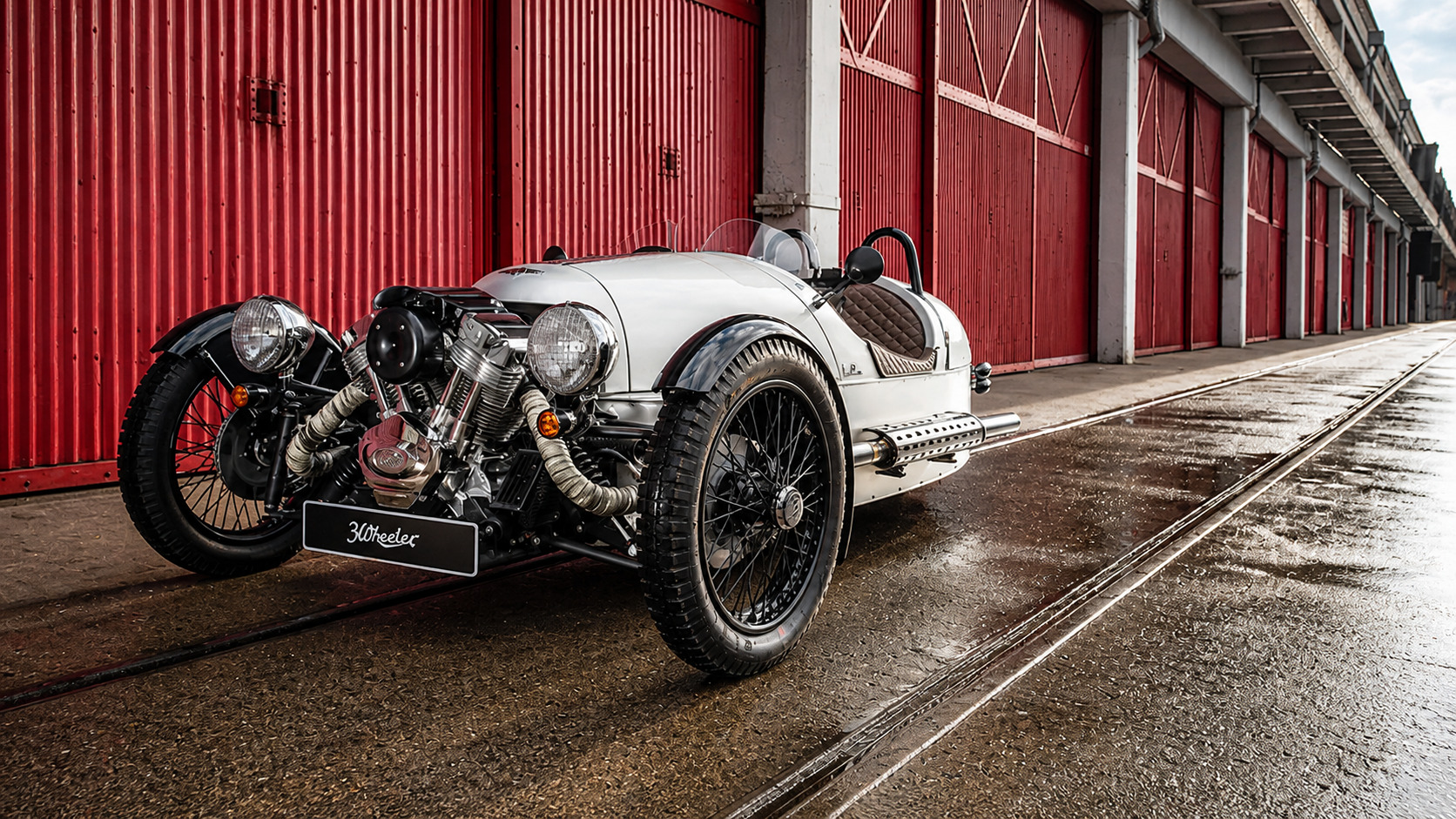
A good example of this overlap is the Morgan 3-Wheeler. This vehicle looks like a car from the 1920s, but it was actually produced in modern times, and it sits somewhere between a car and a motorcycle. The earlier version of the Morgan 3-Wheeler used a large 1,998cc V-twin engine, which is more commonly associated with motorcycles. The engine was made by S&S, a company known for making performance parts for Harley-Davidson engines, and it was connected to a five-speed transmission from Mazda, producing about 82 horsepower.
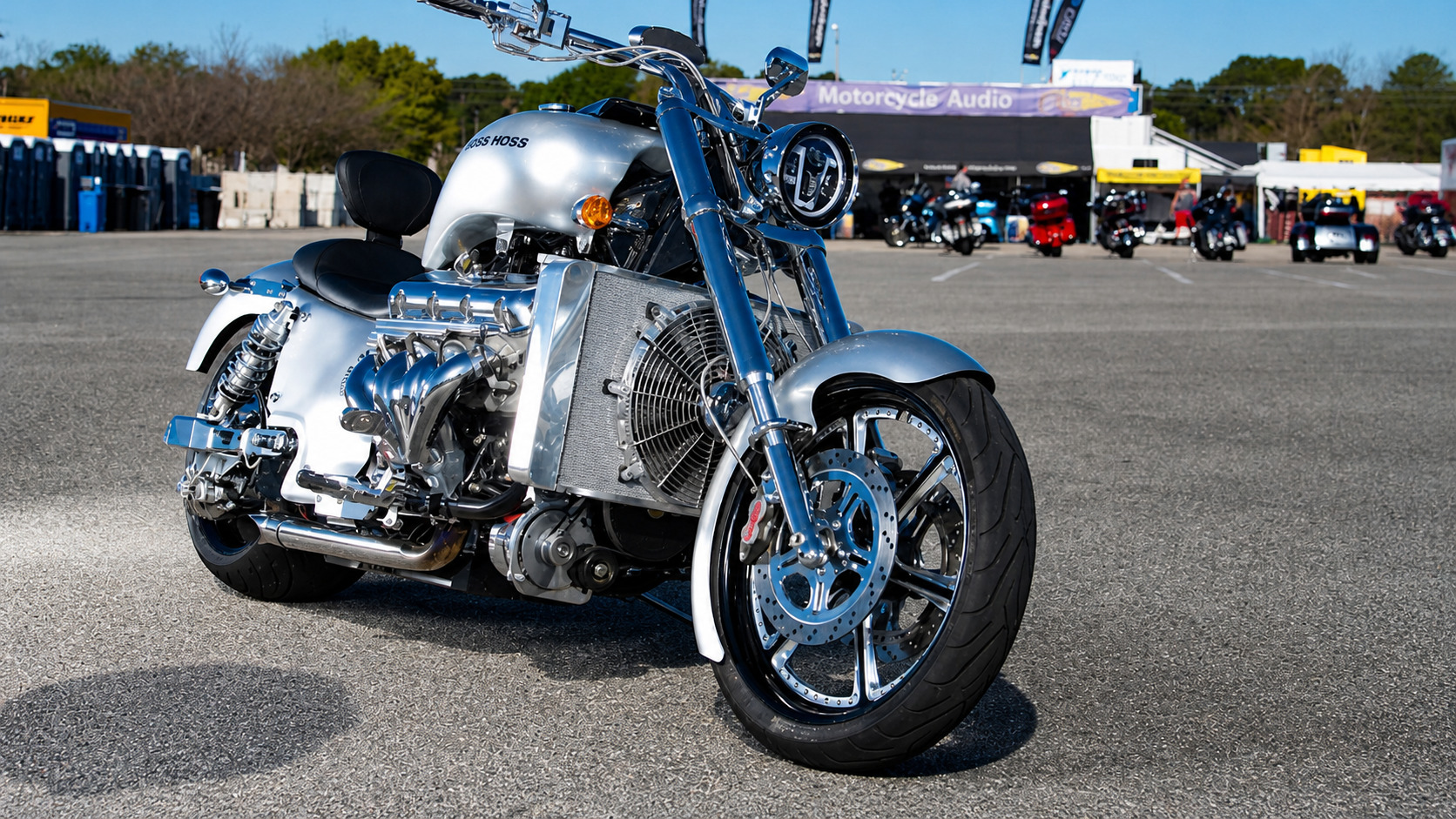
A newer version, introduced in 2022, uses a more conventional Ford car engine, which shows how designs can change over time. On the other side, some motorcycles have used car engines, and Boss Hoss motorcycles are a well-known example. These motorcycles use Chevrolet V8 engines, including both small block and big block versions. These bikes are much larger and heavier than normal motorcycles, and the Cruiser model weighs about 1,100 pounds and can produce up to 600 horsepower when equipped with a large 454 cubic inch V8 engine. These motorcycles are extreme and not typical, but they clearly show how the line between car and motorcycle engines can be crossed.