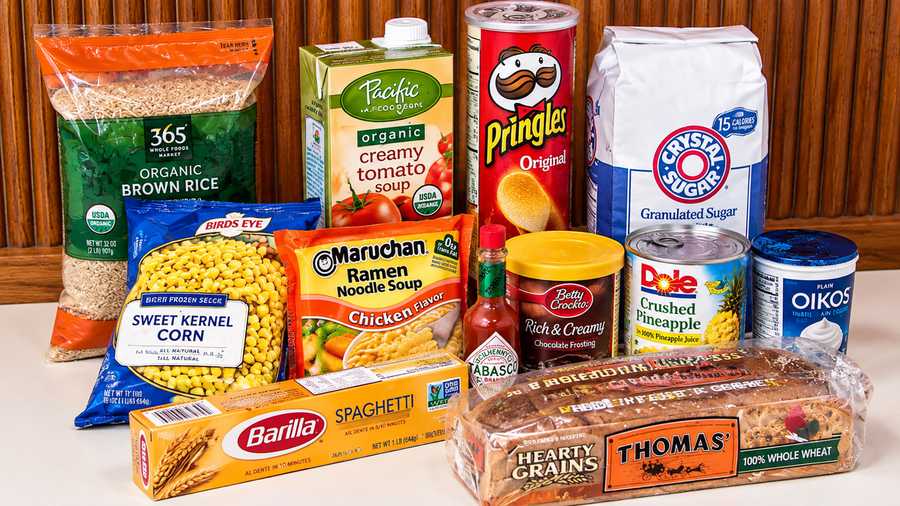
Food packaging is a normal part of everyday life. Almost everything we eat comes in some type of package. We buy milk in cartons, drinks in bottles and cans, snacks in plastic packets, and many other foods in boxes, jars, or containers. When people talk about food packaging, they usually focus on issues such as plastic waste, pollution, and microplastics.
There are also concerns about how some packaging materials may affect our health. However, there is another important effect of food packaging that is not discussed as often: packaging can affect the taste and smell of food. The main purpose of food packaging is to protect food.
Packaging makes food easier to store and transport, protects it from contamination, and helps extend its shelf life. However, the material used to package food can sometimes interact with the food or with the compounds responsible for its flavor and aroma. As a result, food may not taste or smell exactly as it did when it was first packaged.
Different Types of Food Packaging
Food packaging is made from many different materials. Each material has its own properties, and manufacturers choose packaging based on the type of food being stored and how it needs to be protected. Some of the most common food packaging materials include metals such as aluminum and steel, glass, paperboard and cardboard, wood-based materials, and different types of plastics.
These materials are generally designed to keep food safe and protect it from outside factors. They can help prevent contamination and slow down changes that make food spoil. However, packaging can sometimes have an unintended effect on flavor. For example, some acidic foods stored in metal cans can develop a metallic taste. This can happen because of reactions between the food and the lining inside the can.
Paper-based packaging can also affect flavor. This type of packaging is especially common in the dairy industry. Chemicals from paper-based packaging can sometimes transfer into the food. These chemical transfers can contribute to a stale flavor. These examples show that packaging is not simply a material that surrounds food. The packaging can interact with the food in ways that affect the final eating experience.
Plastic Packaging and Flavor
Plastic is one of the most widely used materials for food packaging. It is lightweight, convenient, flexible, and useful for protecting many different types of food. Because plastic is used for so many foods and drinks, it may seem that it does not have a significant effect on flavor.
If plastic changed the flavor of food easily, people might expect the problem to be obvious. However, the reality is more complicated. Plastic packaging can affect the taste and smell of food in a process known as flavor scalping.
What Is Flavor Scalping?
Flavor scalping happens when plastic packaging absorbs some of the volatile compounds that are responsible for a food's smell and flavor. Many foods contain volatile compounds. These compounds can easily move into the air and play an important role in creating the smell and flavor we experience when we eat or drink something.
Some examples include esters and aldehydes. These compounds naturally contribute to the taste and smell of many foods. However, when food is stored in certain types of plastic packaging, some of these compounds can move out of the food and into the plastic. The plastic effectively traps these compounds. This can be compared to a sponge absorbing liquid. A sponge takes something away from its surroundings by soaking it up.
In a similar way, some plastic packaging can absorb the compounds that help give food its characteristic flavor and aroma. When enough of these compounds are absorbed, the food may lose some of its original flavor. This is why the process is called flavor scalping. The packaging is essentially taking away some of the flavor compounds from the food.
Also Read: Why Do Burnt Desserts Taste So Good?
Why Flavor Scalping Matters
Flavor is an important part of how we experience food. Taste and smell work together to create the overall flavor of what we eat and drink. If important flavor compounds are removed from a food, the food may taste weaker, duller, or different from what consumers expect. This can be especially noticeable in foods and drinks that depend heavily on their aroma.
The longer a food remains in certain types of packaging, the more opportunity there may be for these interactions to happen. However, the amount of flavor that is lost depends on several factors, including the type of food, the type of packaging, the compounds in the food, and how long the food remains in the package.
Plastic Can Also Add Compounds to Food
Flavor scalping is not the only way plastic packaging can affect food. Plastic packaging contains many different chemicals and compounds. Some of these can be volatile or semi-volatile compounds. In some situations, these compounds can migrate, or move, from the packaging material into the food. When this happens, the food's flavor can change.
Therefore, the relationship between food and plastic packaging can work in more than one direction. The food can lose some of its flavor compounds to the packaging, while compounds from the packaging can also move into the food. Both processes can change the food's overall flavor profile.
Orange Juice as an Example
Orange juice provides a useful example of how flavor scalping can happen. Orange juice contains limonene, a compound that plays an important role in its citrus aroma. When orange juice is stored in certain plastic packaging, such as packaging made from low-density polyethylene (LDPE), the plastic can absorb limonene.
When some of the limonene is removed from the orange juice and absorbed by the plastic, the drink can lose part of its characteristic citrus aroma. This can contribute to a noticeable loss of flavor. This is one reason why orange juice that has been stored in a plastic bottle for too long may not taste as fresh as it did originally.
Green Tea as Another Example
Green tea is another food product that can be affected by packaging. Green tea contains many volatile compounds that contribute to its characteristic aroma and flavor. If green tea is stored in packaging for a long period, some of these compounds can be absorbed by the packaging material.
Research has shown that polyethylene (PE), PET packaging, and aluminum-plastic composite (AP) can absorb volatile compounds from green tea. As these compounds are removed from the tea, the flavor can deteriorate during storage. This can cause green tea to develop a dull or off taste, particularly when it remains in its packaging for months.
Why Packaging Material Matters
Not all packaging materials interact with food in the same way. Different materials have different chemical and physical properties. Some materials are more likely to absorb certain flavor compounds, while others are better at keeping those compounds inside the food. This means that choosing the right packaging is important.
Food manufacturers need to consider not only whether packaging can protect food from contamination and extend its shelf life, but also whether it can preserve the food's original taste and smell. This is especially important for foods and drinks where flavor and aroma are major parts of their quality.
Also Read: The 7 Recycling Symbols on Plastic Packaging Explained
Research and Improvements in Food Packaging
There is reason to believe that food packaging will continue to improve. Consumers are becoming more interested in the quality and authenticity of food. They want food to taste the way it is supposed to taste.
At the same time, people are becoming more concerned about sustainability and the environmental effects of packaging. These changing consumer expectations are encouraging the food packaging industry to develop better solutions.
Manufacturers are working on packaging that can protect food, reduce environmental impact, control costs, and preserve flavor. This is particularly important in the growing food delivery and takeout industry. The global market for takeout containers was valued at $2.3 billion in 2022.
As the use of takeout containers continues to grow, there is greater interest in packaging that is both environmentally responsible and suitable for preserving food quality. New packaging solutions are increasingly being designed to reduce problems such as flavor scalping.
The Growing Use of Glass
One example of this change is the use of glass. Some premium food products are moving away from plastic containers and using glass instead. Glass has several advantages when it comes to food storage. It is environmentally friendly in many contexts and is also good at retaining flavors.
Unlike some plastics, glass does not easily absorb the volatile flavor compounds found in food. This can help the food maintain more of its original flavor and aroma. For products where flavor is especially important, this can make glass an attractive packaging option.
The Four Biggest Threats to Food Flavor
Packaging is only one part of the problem when it comes to maintaining food quality. When food is stored for a long time, four major factors can cause its flavor and quality to change: light, heat, oxygen, and time. These factors can affect food in different ways. Light can cause chemical changes in some foods.
Heat can speed up reactions that cause food quality to decline. Oxygen can react with different compounds in food and contribute to changes in flavor. Finally, the longer food is stored, the more time there is for these changes to occur. This means that even good packaging cannot completely prevent food from changing over time.
How to Protect Food's Taste
There are some simple ways to help preserve the taste and quality of food during storage. Food should be kept away from direct light whenever possible. A dark and cool cupboard can be a good place for foods that do not require refrigeration. Food should also be stored in an airtight container when appropriate.
Reducing exposure to oxygen can help protect the food from changes that may affect its quality and flavor. It is also important not to keep food for longer than necessary. Even when food is properly packaged and stored, its flavor can eventually fade. For this reason, it is best to use food before its flavors begin to disappear or unusual and stale flavors begin to develop.