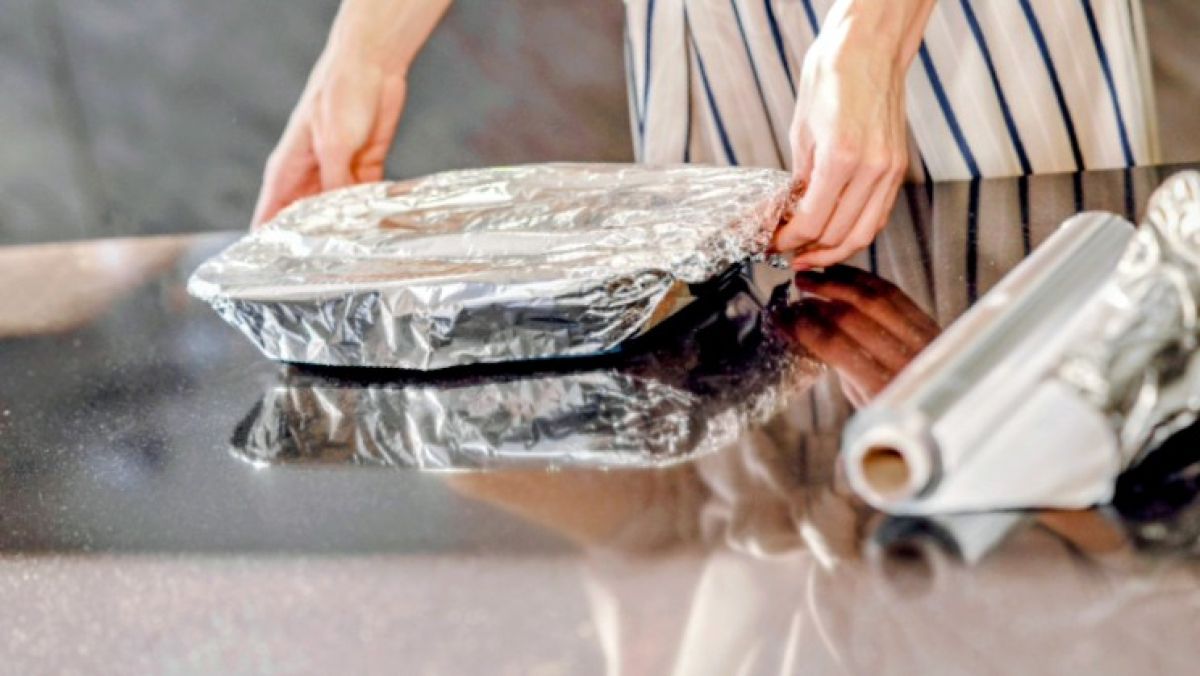
Food preparation habits play a major role in protecting your long-term health and well-being. Today, millions of home cooked meals rely on shiny metallic wraps to pack lunches, preserve leftovers and line baking sheets. However, the growing public concern has caused many people to question whether this common habit introduces hidden chemical risks to their food plates. Some even fear that microscopic metal particles might slowly leak directly into their hot meals over time.
Is It Safe To Wrap Food Aluminium Foil For Daily Storage?
Medical experts reveal that using metallic wraps for standard room-temperature or cold storage is generally considered perfectly safe. At normal, cool temperatures, the metal remains chemically stable and acts as an excellent barrier against moisture, light and bacteria. This protective layer prevents oxygen from spoiling your favourite sandwiches, baked items or dry snacks. However, the safety dynamic shifts significantly when you introduce prolonged exposure to highly reactive ingredients. For everyday usage, short-term cold storage of basic items, standard household wrap poses no major health crisis as such.
Does Aluminium Leak Into Your Food When Heated
Introducing metallic wraps to high oven temperatures causes measurable amounts of metal to migrate into your dinner. Multiple scientific tracking experiments have been conducted which reveals that baking or roasting foods in foil increases its overall metallic content. The exact rate of this chemical transfer depends highly on the overall temperature and the length of your cooking time. While the human body naturally filters out small amounts of this material through digestion, extreme heat speeds up unwanted exposure. Therefore, heating meals directly inside these sheets introduces a much higher risk of chemical leaching.
Which Types Of Food React Poorly With Aluminium Foil
Acidic and highly salted ingredients react aggressively with metallic surfaces, causing the protective wrap to corrode. As prevention is always better than cure, avoid wrapping tomatoes, citrus fruits, vinegar-based pickles, or heavy spices in shiny sheets. This chemical interaction degrades the metal, leaving a bad metallic taste and creating tiny visible holes in the sheer. According to a landmark culinary research paper, marinating or cooking acidic meat resulted in significant, unhealthy metal concentrations. So, to avoid your meals from getting rotten, store these reactive ingredients in glass or ceramic dishes instead.
What Do Global Medical Organizations Say About Aluminium Safety
Major global health groups track this material closely but do not view standard household foil as a toxic danger. The World Health Organization has established a safe weekly intake limit of two kilograms of aluminium per kilogram of body weight. Most everyday kitchen use keeps your actual exposure well within these globally accepted guidelines. Additionally, the European Food Safety Authority ( EFSA) continually reviews dietary metal limits to ensure consumer protection. These regulatory organizations agree that whole small amounts may leak during cooking, still it is not known to cause acute positioning in an individual.
Can Using Aluminium Foil Increase The Risk Of Alzheimer Disease
In the past, there had been medical rumors which claimed a direct causal limit between daily metal exposure and chronic neurological conditions. However, the Alzheimer's Association explicitly stated that modern research does not support these historical fears. Severe health complications are primarily tied to industrial workers experiencing extreme, direct inhalation of metal dust. Furthermore, everyday household contact from wrapping a sandwich or baking a tray does not provide enough exposure to harm brain cells. At present, neuroscientific data shows no definitive proof that kitchen wraps increase your risk for cognitive decline.
How Does Your Kidneys Protect You From Dietary Aluminium
Doctors reveal that healthy kidneys act as your body's natural defense system by actively filtering out everyday environmental contaminants. The vast majority of the microscopic metal particles you swallow leave your system quickly through the natural waste mechanisms. But, individuals who are struggling with advanced kidney diseases face a much higher threat because their bodies cannot remove waste efficiently. For these vulnerable patients, excess metals can build up over time in the bones and nervous system. It is important to note that if the normal kidney function is compromised, medical experts recommended minimising your use of metallic cooking tools.
Is It Safe To Line An Air Fryer With Aluminium Foil
Using metallic sheets inside an air fryer requires extreme caution due to the intense, high-speed airflow inside the appliance. The U.S Food and Drug Administration (FDA) emphasizes following specific manufacturer guidelines to prevent any dangerous appliance fires and cases of food contamination. If a loose piece of metal flies up, it can easily touch the heating elements and cause sparks. Furthermore, covering the basket holes blocks the rapid air circulation, leading to unevenly cooked or undercooked food. To ensure proper food safely, look for specially designed parchment paper liners instead of using metallic sheets.
Can You Use Aluminium Foil Safely On An Outdoor Grill
Grilling food in metallic packets is highly popular, but extreme open games speed up metal transfer significantly. The National Institutes of Health ( NIH) published studies showing that grilling meats at high heat creates specific chemical reactions. When meat drippings hit the metal sheet under high heat, it can also produce harmful smoke compounds. To reduce risks, avoid pouring acidic lemon juice or tomato sauces into the packet while it sits in the fire. So, you should focus on only using heavy-duty wraps for brief warming rather than prolonged cooking over burning charcoal.
Does Wrapping Food In Foil Affects It's Nutritional Value
The protective sheet itself does not directly destroy the essential vitamins, minerals or macro-nutrients hidden inside your food. Instead, nutritional data from the U.S Department of Agriculture ( USDA) shows that cooking methods alter nutrients levels. For instance, dealing vegetables tightly in a packet actually helps in preserving water-soluble vitamins by trapping beneficial steam. However, the risk of chemical migration remains a separate concern that outweighs the benefits of nutrients retention. Therefore, using inert glass or silicone lids is a much safer way to lock in valuable nutrition.
Does It Matter Which Side Of The Aluminium Foil You Use
Many home cooks mistakenly believe that the shiny side and the dull side serve entirely different thermal purposes. According to industrial manufacturing data, the two different textures are simply a natural result of the rolling process. Both sides of the sheet are completely identical in terms of chemical safety, heat conduction and food preservation. Therefore, you can safely wrap your lunches or organize your baking trays using either side facing upward. The choice completely depends on you and does not alter how the metal interacts with your favourite ingredients.
What Are The Healthiest Alternatives To Aluminium Foil For Food Storage
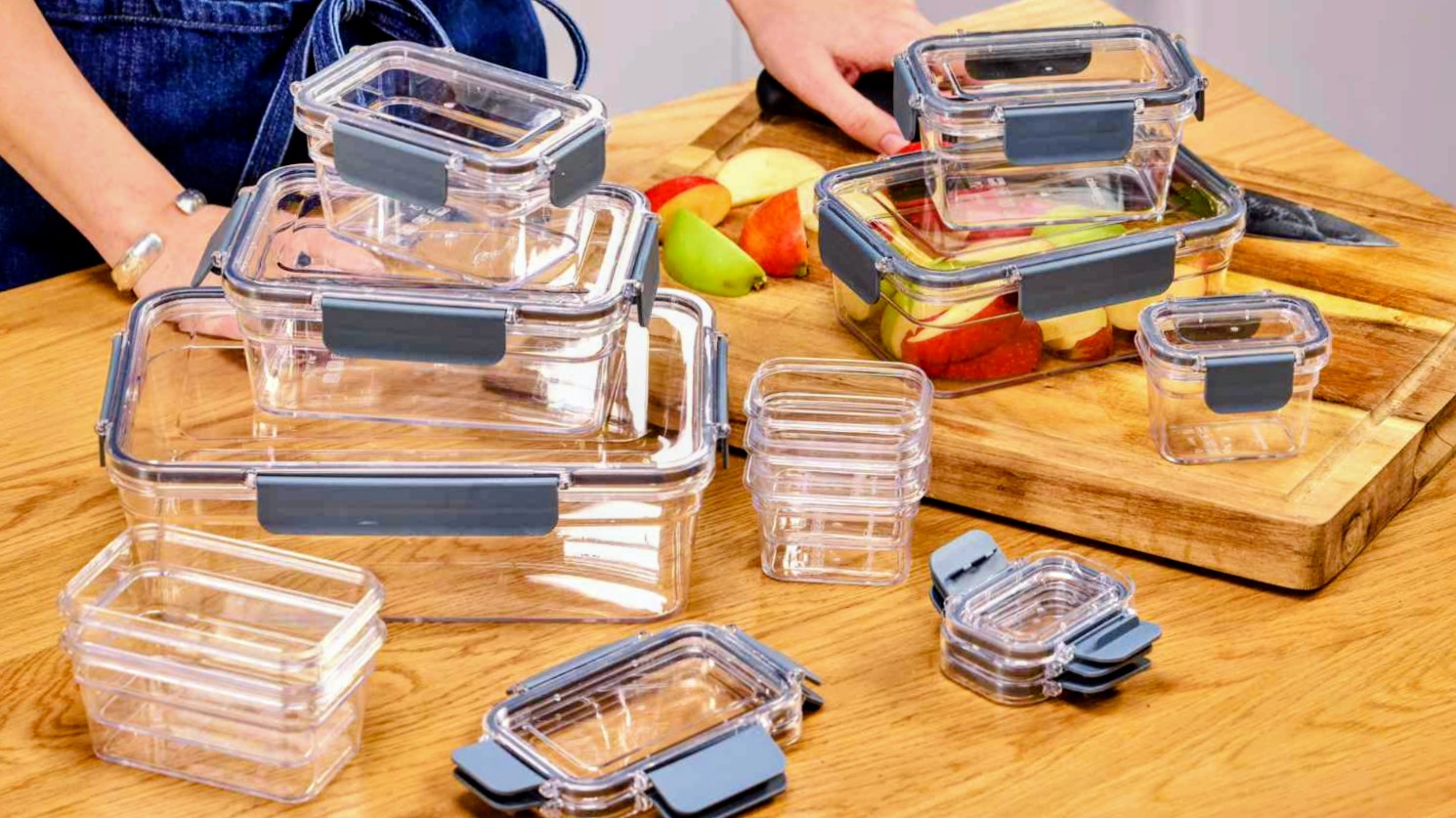
If you wish to cut down on metallic ingredients coming in contact with your food items, several high-quality alternatives are available at your local supermarket. The alternatives like premium glass containers like those made by “Pyrex” are completely non-toxic and do not introduce chemicals into hot food. For a reusable option, eco-friendly beeswax wraps mold easily around bowls, fresh fruit and daily sandwiches. Similarly, food-grade silicone stretch lids also create airtight, moisture-proof seals without reacting to acidic tomato sauces. The decision to switch to these modern storage options supports long-term health while reducing unnecessary kitchen waste is an effective option.
Is It Safe To Store Restaurant Leftovers In Foil Containers
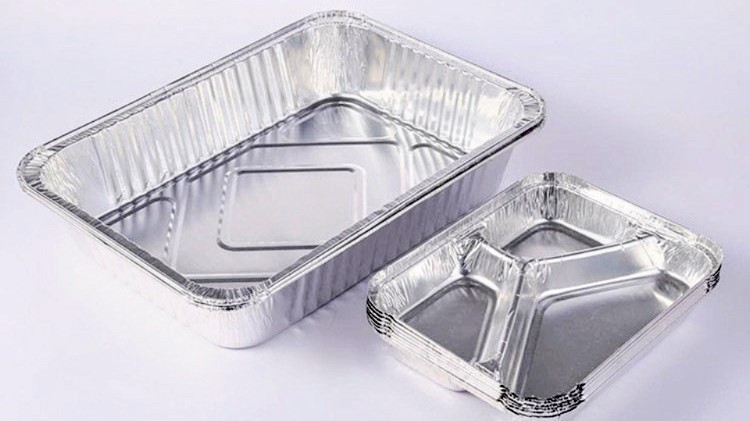
Many restaurants pack takeout meals in shiny metal pans, which can be safe depending on the food type. The Centers for Disease Control and Prevention ( CDC) recommend transferring leftovers into shallow, clean containers within just two hours. If the takeout dish contains high amounts of tomato sauce, vinegar or citrus, change the container immediately. Leaving acidic foods in metal pans for multiple days allows deep chemical corrosion to spoil the ingredients. Thus, always make sure to transfer your restaurant meals into glass storage bowls before placing them inside the household refrigerator.
Can Using Aluminium Foil Cause Heavy Toxicity In Humans
There is no medical evidence which is indicative of true clinical metal poisoning by simple daily household kitchen products. The Agency for Toxic Substances and Disease Registry ( ATSDR) notes that normal dietary exposure is far too low to cause harm. Many individuals easily pass the tiny amount of metal consumed indirectly through standard daily metabolic waste. Medical experts say that symptoms appear only in individuals who are already struggling with chronic health conditions or unhealthy workplace exposure. For the vast majority of healthy adults, standard kitchen wraps do not pose a toxic health threat.
How Can You Safely Use Aluminium Foil In Your Kitchen
Given the above mentioned limits in the usage of aluminium foil for wrapping food items, you can still use metallic wraps safely by following a few simple, practical kitchen tips. Use the sheets exclusively for cold, dry or room-temperature foods like bread and non-acidic leftovers. Avoid using metal sheets to line your baking pans when cooking at extremely high oven temperatures. Also, make sure to never place any metallic materials inside a microwave, as this can trigger dangerous electrical sparks or fires. By cautiously combining smart storage adjustments with human common sense, you can safely protect both your family and your food.
Also Read: Why Your Food Doesn't Turn Out Like The Recipie
Final Medical Advice On Using Aluminium Foil
Medical organizations generally agree that household metallic wraps are a convenient, low-risk tool when handled carefully. You don't have to throw away the existing kitchen supply out of extreme health fear. All you need to do is to simply adjust your daily habits by saving the metallic sheets for cold storage and dry items. If you want, you can even freely switch to glass, ceramic or parchment paper whenever you cook hot, salty or highly acidic dishes. Making these tiny, practical adjustments ensures your home kitchen maintains a safe environment for everyone.