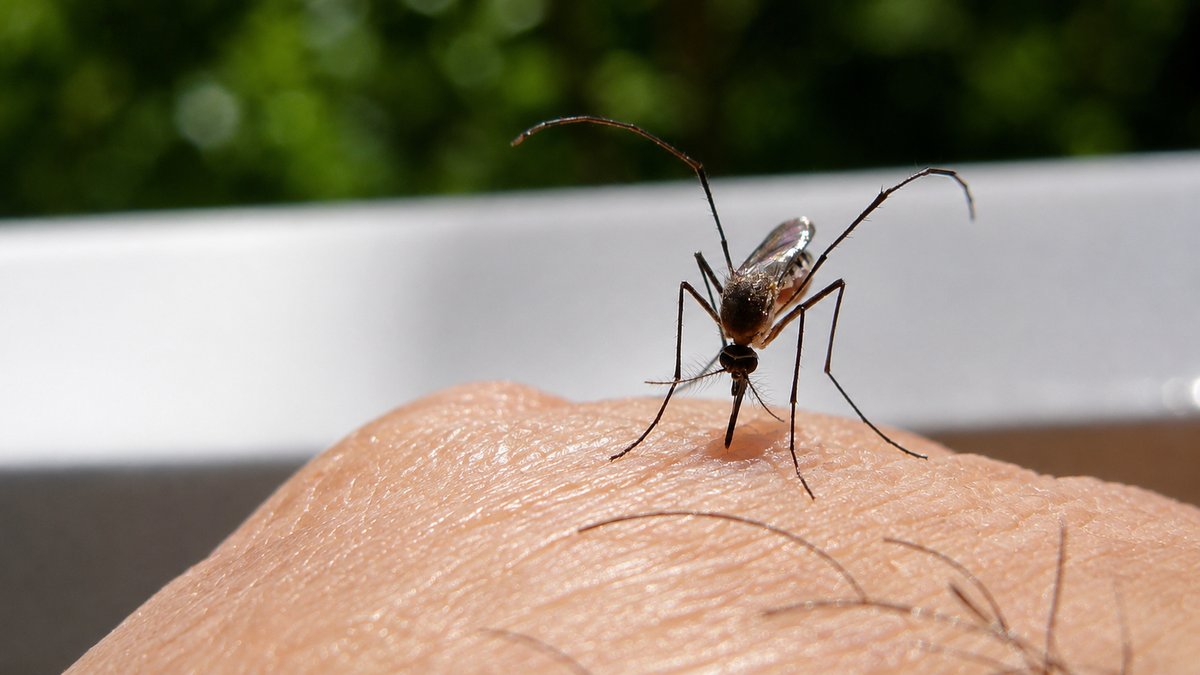
Have you ever noticed that mosquitoes seem to bite you more often than other people around you? Many people describe themselves as "mosquito magnets," and there may be some truth to that belief. Mosquitoes are naturally more attracted to certain individuals. Factors such as the carbon dioxide we breathe out, our body heat, the chemicals produced by our skin, and even what we drink can influence how appealing we are to mosquitoes.
People who drink beer may attract more mosquitoes than those who do not. Mosquitoes may also be capable of associating the smell of DEET, a common insect repellent, with food. Even so, mosquito repellents remain an important tool for protecting against mosquito bites and mosquito-borne diseases.
Also Read: Do Audiobooks and Reading Provide the Same Cognitive Benefits?
Why Mosquitoes Are More Than Just a Nuisance
Mosquitoes are much more than a source of itchy and irritating bites. They are considered among the deadliest animals in the world because they can spread dangerous diseases. Mosquitoes can transmit illnesses such as malaria, dengue fever, yellow fever, Zika virus, and chikungunya. These diseases affect millions of people worldwide each year and can cause severe health complications.
Because of the serious risks associated with mosquito-borne diseases, understanding why mosquitoes prefer certain people and how they locate their hosts can help improve methods of protection and disease prevention.
What Attracts Mosquitoes to Humans?
Mosquitoes use several biological cues to locate humans. One of the most important is carbon dioxide (CO2), which people release every time they breathe. Female mosquitoes, which are responsible for biting humans, can detect carbon dioxide from a considerable distance and follow its trail to locate potential hosts. However, finding a person is only the first step. Once mosquitoes get close, several other factors help them decide whether to land and feed.
Body Heat
Body heat plays an important role in attracting mosquitoes. Every person produces a unique heat signature, and some individuals emit stronger heat signals than others. Mosquitoes have specialized sensors that allow them to detect warmth. This ability helps them locate exposed areas of skin and identify regions where blood vessels are closer to the surface. As a result, people who produce stronger heat signals may be more attractive to mosquitoes than others.
Skin Odors
Skin odor is another major factor that influences mosquito attraction. Human skin naturally releases hundreds of chemical compounds, many of which are produced through sweat and the activity of bacteria living on the skin. People who attract more mosquitoes often produce larger amounts of compounds known as carboxylic acids. These naturally occurring substances are present in sweat and are also generated by skin microbes. Understanding how mosquitoes respond to these chemical signals may help improve mosquito-control strategies in the future.
Also Read: Cigarettes Are Making a Comeback: Is Occasional Smoking Really Harmless?
Does Drinking Beer Attract Mosquitoes?
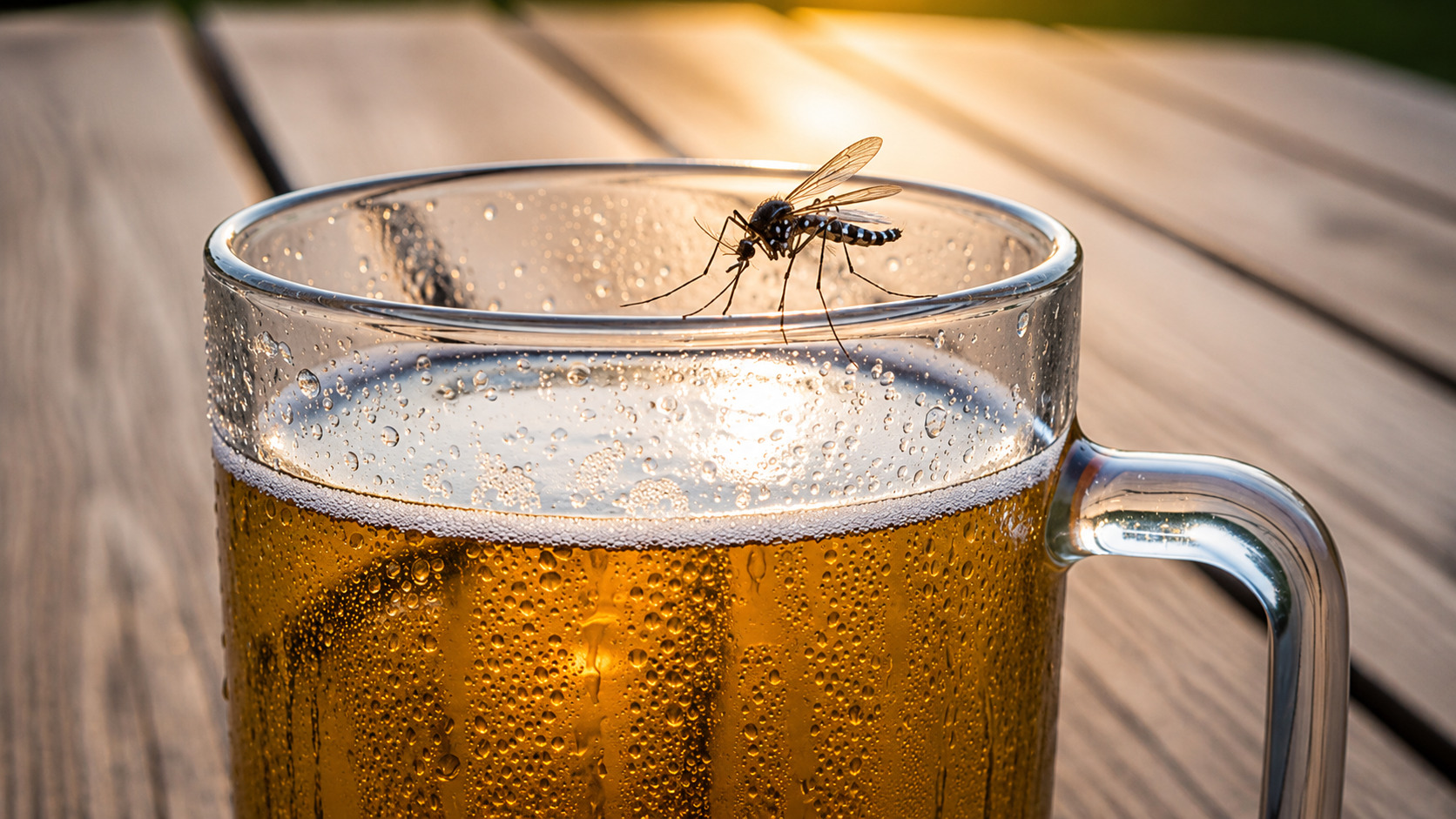
People who consume beer may attract more mosquitoes than those who do not. The attraction may be related to the smell of beer rather than the alcohol content in a person's blood. While the exact reason remains unclear, beer consumption has been linked to increased mosquito attraction. However, there is not enough evidence to recommend changing drinking habits solely to reduce mosquito bites.
Can Mosquitoes Learn to Like DEET?
DEET has long been regarded as one of the most effective mosquito repellents available and is widely used for protection against mosquito-borne diseases. Mosquitoes may be capable of associating the smell of DEET with food after repeated exposure under certain conditions. In controlled experiments, some mosquitoes responded positively to the smell of DEET after repeatedly encountering it while attempting to feed. This suggests that mosquito behavior may be influenced not only by instinct but also by experience and learning.
Should You Stop Using DEET?
DEET remains one of the most reliable and effective methods for preventing mosquito bites and reducing the risk of mosquito-borne diseases. The conditions under which mosquitoes may become attracted to DEET are unlikely to occur frequently in everyday situations. Regular reapplication can provide better protection than applying a large amount only once.
Keeping the repellent active on the skin helps ensure continuous protection, especially during periods of high mosquito activity. For travelers visiting regions where mosquito-borne diseases are common, DEET remains an important preventive measure.
Also Read: Why Checking Your Phone First Thing in the Morning Matters
How to Protect Yourself from Mosquito Bites
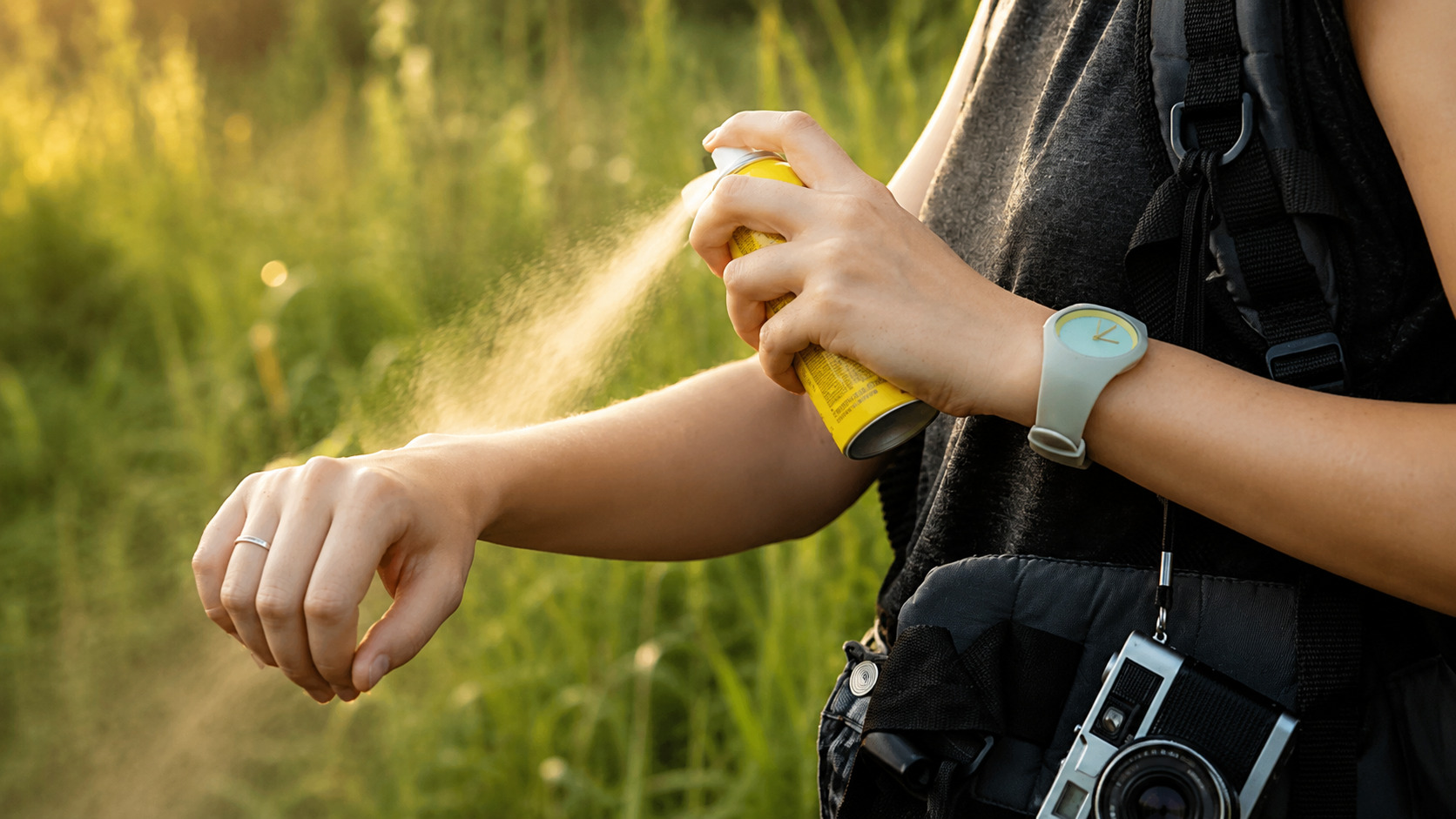
Protecting yourself from mosquito bites is especially important if you spend time outdoors, travel frequently, or live in areas where mosquito-borne diseases are common. Wearing long-sleeved shirts, long pants, and other protective clothing can help reduce exposed skin. Light-colored clothing may also help, as mosquitoes are often more attracted to darker colors. People should be especially cautious during the early morning and evening hours when many mosquito species are most active.
Another important preventive measure is eliminating standing water around homes and outdoor spaces. Mosquitoes breed in stagnant water found in containers such as buckets, flower pots, old tires, and children's toys. Removing these breeding sites can help reduce mosquito populations. In addition, using effective mosquito repellents, including DEET-based products or suitable natural alternatives, can provide valuable protection against bites.