As people grow older, staying healthy becomes increasingly important. Eating a balanced diet, exercising regularly, getting enough sleep, and avoiding smoking are well-known ways to support healthy aging. Researchers are now finding that taking part in cultural activities may also contribute to better health later in life.
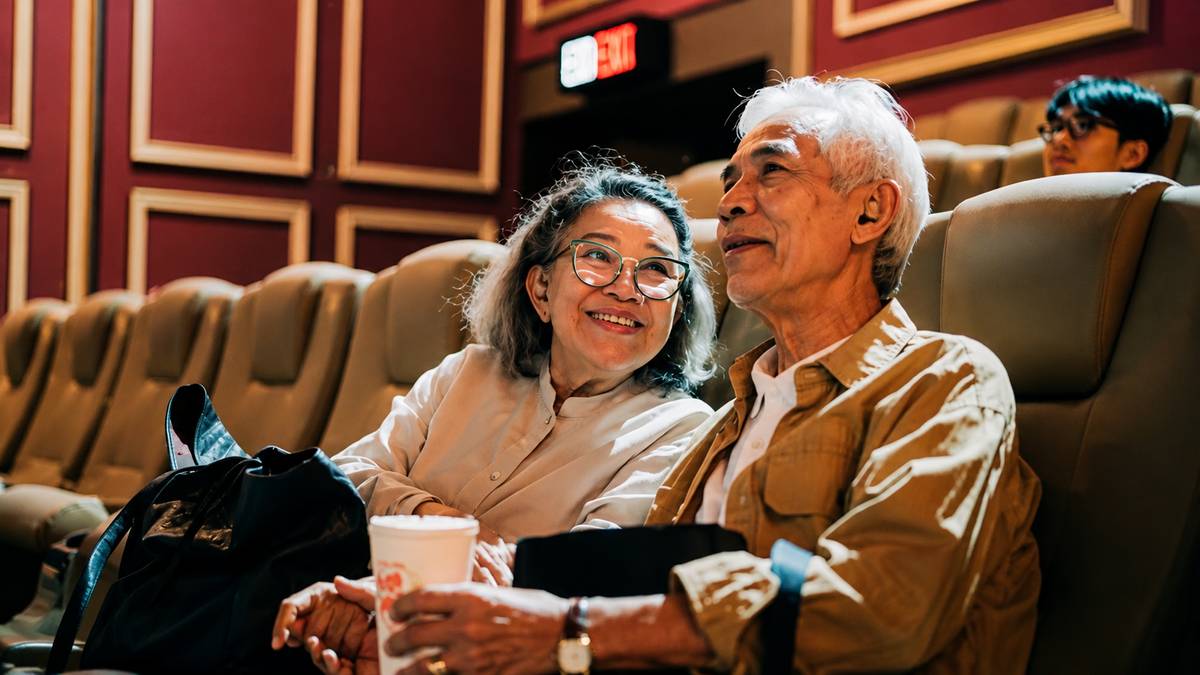
Visiting museums, watching movies at the cinema, attending theater performances, concerts, operas, or art galleries may not only improve mental and social well-being but may also be associated with slower biological aging.
A study published on July 14, 2026, in the Journal of Epidemiology & Community Health adds to growing evidence that participating in arts and cultural activities is linked to healthier aging and improved overall well-being.
Although the study does not prove that cultural activities directly slow aging, it found that older adults who engaged in these activities more frequently tended to have lower estimated physiological ages.
What Is Biological Age?
The study was conducted by researchers from the Institute of Science Tokyo in Japan. They focused on physiological age, a measure of biological aging that estimates how well the body's organs and systems are functioning.
Physiological age differs from chronological age, which is simply the number of years a person has lived. Two people may be the same chronological age but have different physiological ages depending on factors such as their health, lifestyle, and daily habits. A lower physiological age generally indicates that the body is functioning more like that of a younger person.
Also Read: How Watching Sunsets Can Improve Your Health and Wellbeing
How the Study Was Conducted
The researchers analyzed data from 1,899 adults aged 50 years and older who participated in the English Longitudinal Study of Ageing (ELSA), an ongoing study that follows older adults living in England over time.
Participants reported how often they took part in cultural activities such as going to the cinema, visiting museums and art galleries, attending theater performances, concerts, and the opera.
Using repeated measurements collected over several years, the researchers applied a fixed-effects longitudinal analysis, a statistical method that helps account for stable personal characteristics while examining how changes in cultural participation are associated with changes in physiological age.
What the Researchers Found
The researchers found a clear association between frequent cultural participation and lower physiological age. People who attended cultural events at least once every few months had an average estimated physiological age of 66.9 years.
Those who rarely participated had an average physiological age of 69.9 years. Interestingly, the average chronological ages of the two groups were quite similar, with averages of 68.7 years for the more culturally active group and 70.3 years for the less active group.
This suggests that people who participated in cultural activities more often had bodies that functioned like those of people whose estimated physiological age was about three years younger. Because the study was observational, however, the researchers emphasized that these findings show an association, not a cause-and-effect relationship.
How Cultural Activities May Support Healthy Aging
The researchers suggested several possible reasons why cultural engagement may be linked to slower biological aging.
Strengthening Social Connections

Many cultural activities are shared experiences. People often visit museums, watch movies, attend concerts, or enjoy theater performances with family members or friends. Even those who attend alone still share the experience with others in the same space. These activities can strengthen social relationships, encourage conversations, and create a greater sense of belonging.
Previous research published in 2019 found that people who regularly participate in cultural activities are less likely to experience loneliness over time. Since loneliness has been associated with poorer physical and mental health, stronger social connections may contribute to healthier aging.
Supporting Healthier Lifestyles
People who regularly participate in cultural activities also tend to report healthier lifestyles. They are often more physically active, maintain healthier diets, and engage in other positive health behaviors.
These healthier habits are already known to reduce the risk of chronic diseases such as heart disease and type 2 diabetes while helping people remain healthier as they age. Although cultural participation may not directly cause these behaviors, the two often occur together.
Improving Mental Well-Being
Cultural experiences can also benefit mental health. Watching a play, listening to a concert, exploring an art museum, or seeing a movie can reduce stress, improve mood, encourage learning, and stimulate curiosity.
The researchers suggested that better mental health and lower psychological distress may partly explain the association between cultural engagement and slower physiological aging. Continuing to learn, think creatively, and experience new ideas may also help support healthy brain function in older adulthood.
The Study Has Some Limitations
Although the findings are encouraging, the researchers cautioned that the study does not prove cultural activities directly slow biological aging. One possible explanation is reverse causation. People who are already healthier may simply have more energy, mobility, and opportunities to visit museums, attend concerts, or go to the cinema.
In other words, better health may lead to greater cultural participation rather than cultural participation leading to better health. The researchers also found that people who were more culturally active were more likely to be women, have higher incomes, be employed, and report better overall health.
These factors could also influence physiological aging. In addition, although the researchers used statistical methods to reduce bias, no observational study can completely rule out the influence of other factors.
Earlier Research Supports the Findings
Although it did not measure biological aging, earlier research from the United States has reported similar health benefits. The Creativity and Aging Study, published in 2006, found that older adults who participated in community-based arts programs experienced improvements in physical health, emotional well-being, social engagement, and overall quality of life.
Participants also reported fewer doctor visits and less medication use compared with similar adults who did not participate in the programs. Together with the new study, these findings suggest that artistic and cultural participation may play an important role in promoting healthy aging.
Also Read: Early Symptoms Of Diabetes: 5 Warning Signs You Shouldn’t Ignore
How Museums Help Older Adults Stay Active
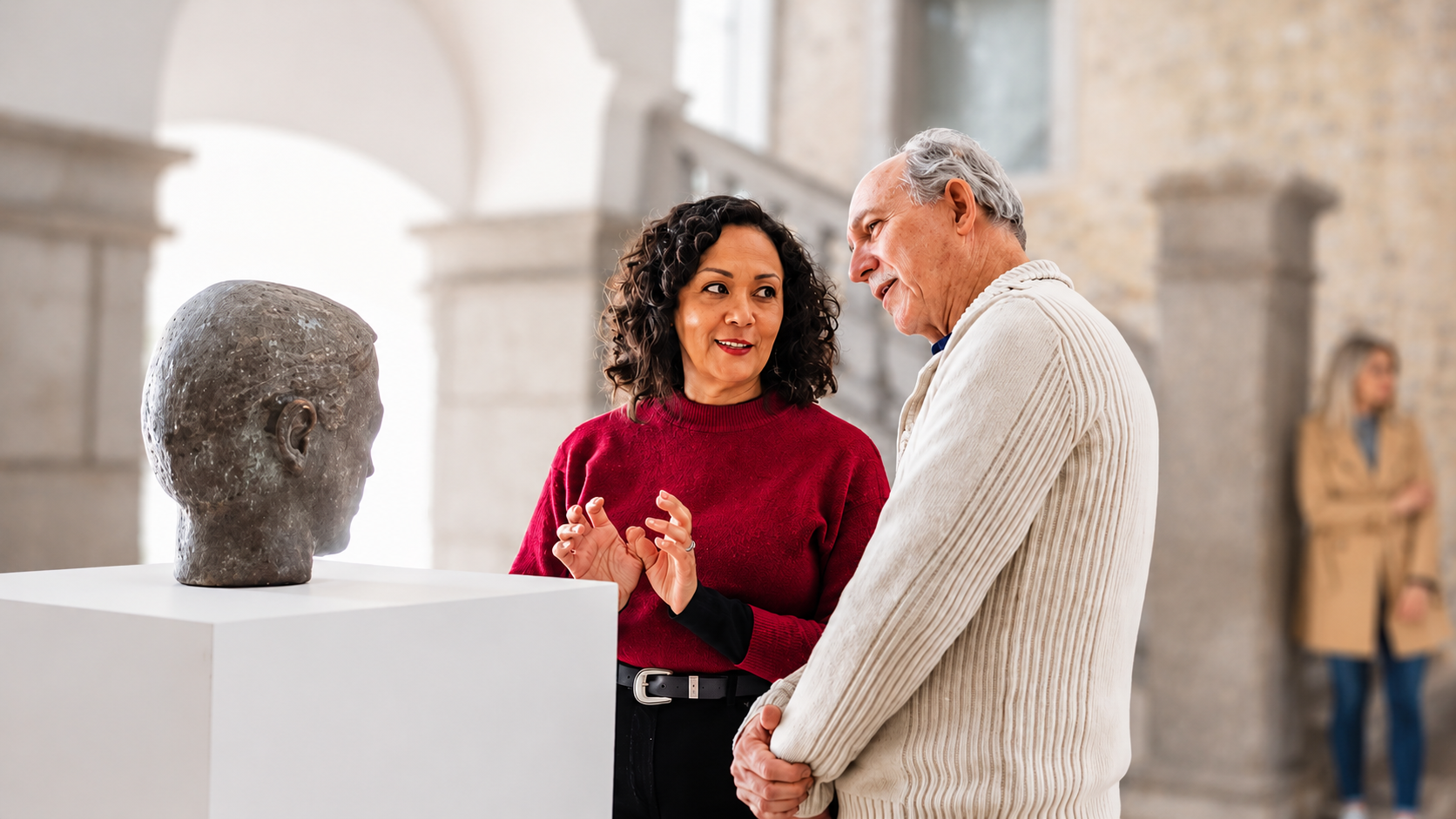
Many museums now offer programs designed specifically for older adults. One example is the High Museum of Art in Atlanta, Georgia. Its Culture Collective program is designed for adults aged 50 years and older.
According to Andrew Westover, the museum's Director of Learning and Civic Engagement, the program is built on the idea that learning continues throughout life. He says museums encourage visitors to stay curious, ask questions, and explore new ideas while participating in activities that keep them mentally engaged.
For example, participants may attend workshops on screen printing or color theory, learn about painting techniques, or discuss how artists use light, color, and composition to express emotions and life experiences. These conversations often go beyond art itself, encouraging participants to reflect on topics such as aging, purpose, and mortality in a comfortable and supportive environment.
Building Stronger Connections
Research conducted by the museum has also shown that participants often leave feeling more connected to themselves, to other people, and to their communities.
Even visitors who attend alone frequently report feeling a stronger sense of belonging after sharing the experience with others. Simply viewing artwork together, participating in discussions, and engaging in group activities can help strengthen social bonds.
What the Research Suggests
The new study suggests that regularly participating in cultural activities such as visiting museums, going to the movies, attending theater performances, concerts, operas, or art galleries is associated with healthier aging.
People who engage in these activities more frequently tend to have lower estimated physiological ages, stronger social connections, healthier lifestyles, and better mental well-being. While scientists cannot yet conclude that cultural activities directly slow biological aging, the growing body of evidence suggests that staying socially, mentally, and creatively engaged may help support health and quality of life in later years.
Along with eating a nutritious diet, exercising regularly, getting enough sleep, and maintaining strong relationships, making time for arts and culture may be another valuable way to support healthy aging.