A new social media trend called the “office air theory” has been gaining attention on platforms like TikTok. Many people online believe that spending long hours inside office environments can negatively affect the appearance and health of their skin and hair. The trend became popular after TikTok creator Noa Donlan shared videos showing how her appearance changed during the workday. In one viral video, she showed that at 9 a.m., her hair looked clean, her skin looked clear, and her face did not appear puffy.
However, by 1 p.m. on the same day, she noticed oily hair, darker under-eye circles, and a puffier face. Her videos quickly attracted attention, and many people in the comments shared similar experiences. Some said their skin becomes dry or greasy during office hours, while others noticed frizzy hair, dull skin, or tired-looking eyes after spending the day indoors. This raised an important question: Is “office air” actually affecting skin and hair, or is it simply another exaggerated social media trend?
Also Read: What Is Hantavirus and How Does It Spread?
What Is the “Office Air Theory”?
The “office air theory” is the belief that indoor office environments can change the way skin and hair look throughout the day. Supporters of this idea say that factors like air conditioning, heating systems, ventilation, indoor air quality, stress, and long hours in front of screens may affect the skin and hair. Although the theory became popular on social media, experts say that some parts of it are scientifically possible.
How Office Air Can Affect the Skin
Office environments often have low humidity levels because of air conditioning and heating systems. Low humidity means there is less moisture in the air, and when the air is dry, it can pull moisture away from the skin. This may lead to skin dehydration. Even mild dehydration can affect the appearance of the skin. Dry or dehydrated skin may look dull, rough, or tired, which may explain why some people feel their skin looks fresh in the morning but less healthy by the afternoon.
Interestingly, dry skin can sometimes become oilier because the skin may try to protect itself by producing more oil after losing moisture. This extra oil can make the face look greasy and may also contribute to clogged pores and acne breakouts. Dehydration can also weaken the skin barrier. The skin barrier is the outer protective layer of the skin that helps keep moisture inside and protects against irritation and bacteria. When this barrier becomes damaged, the skin may become more sensitive and prone to inflammation, redness, eczema, or acne.
@noadonlan There’s something in the OFFICE air💻 Follow if this is you by 1pm in the office🤍 someone mentioned this song in the comments and I can’t remember who it was so if this was you THANK YOU for the song idea ;) #corporategirl #officelife #workhumor #9to5 #corporategirly ♬ original sound - Z
How Office Air Can Affect Hair
Office environments may also affect hair health. Dry indoor air can remove moisture from the hair, making it appear frizzy, rough, or dull. Some people may also notice oily hair by the afternoon because the scalp produces more oil to compensate for dryness caused by air conditioning or indoor heating. People with naturally curly, dry, or damaged hair may notice these changes more easily than others.
Also Read: 4 Common Cruise Ship Illnesses to Know About
Stress May Also Affect Appearance
Experts say office air is not the only reason people look different later in the day. Stress is another important factor. Stress can increase inflammation in the body and affect hormone levels. These changes may contribute to skin problems such as acne, redness, irritation, or puffiness. Long work hours, deadlines, and pressure at work can all increase stress levels, which may eventually affect the skin.
The Effects of Screen Time
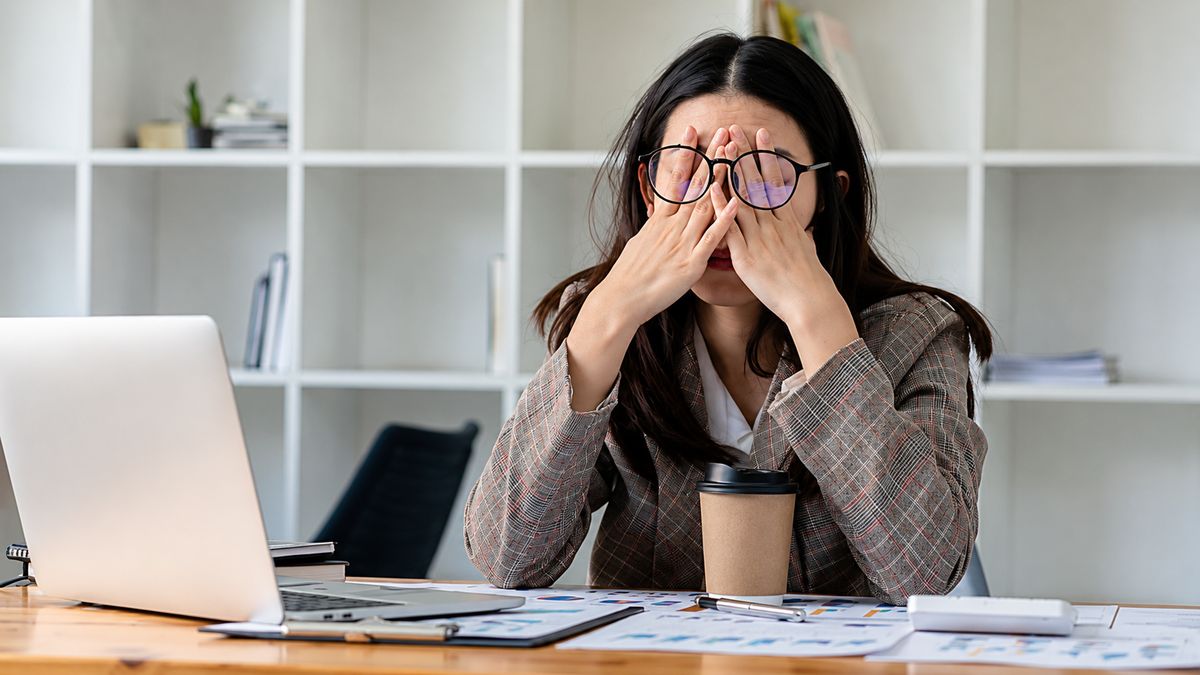
Many office workers spend several hours every day looking at computer screens. Long periods of screen time can strain the eyes and make them appear tired. People may notice darker under-eye circles, swollen eyes, or a tired facial appearance after spending hours working on screens. Blue light exposure and lack of blinking while using screens may also contribute to eye discomfort and dryness.
Bacteria in Shared Office Spaces
Shared office environments may contain bacteria and germs on commonly touched surfaces such as desks, keyboards, phones, door handles, and elevator buttons. When people touch these surfaces and then touch their faces, bacteria can transfer to the skin. This may cause irritation, clogged pores, acne breakouts, or infections. Many people unknowingly touch their faces several times during the day, which increases the risk of spreading dirt and bacteria onto the skin.
How to Protect Your Skin and Hair at Work
Experts say there are several simple habits that may help reduce the effects of office environments on skin and hair. Using a moisturizer daily can help keep the skin hydrated and support the skin barrier. Well-hydrated skin usually looks healthier, smoother, and less dull during the day. Using a gentle cleanser in the morning and at night can help remove dirt, oil, sweat, and buildup without damaging the skin barrier.
Avoiding frequent face-touching can help reduce the spread of bacteria and lower the risk of breakouts and irritation. Regularly cleaning phones, keyboards, desks, and other personal items may also help reduce bacteria exposure in the office. Experts recommend using lightweight and noncomedogenic skin care and makeup products because these products are less likely to clog pores.
Daily sunscreen is important even indoors because sunlight and UV rays can still enter through office windows and contribute to skin damage and premature aging. Drinking enough water throughout the day helps support overall skin hydration and health. Good sleep and stress management can also improve overall skin appearance and reduce inflammation in the body. Blue light glasses may help reduce eye strain caused by long hours of screen exposure. If possible, using a humidifier in the workspace can add moisture back into the air and help reduce dryness caused by air conditioning or heating systems.
Also Read: Why Owning a Pet Is Good for Your Health
Is the “Office Air Theory” True?
Experts say the “office air theory” is partly true, but it may be exaggerated online. Office environments can contribute to dryness, oily skin, tired-looking eyes, and hair changes because of low humidity, stress, screen time, and bacterial exposure. However, office air alone is not fully responsible for skin or hair problems. Many other factors also affect skin and hair health, including sleep, diet, hydration, stress levels, genetics, skin care habits, and overall health.