Have you ever walked into a room and instantly felt goosebumps? This is exactly what happens when you step into the center of an immense, cathedral-like hall where the air carries that warm, intoxicating scent of centuries-old parchment, leather, and polished oak. Imagine sunlight streaming through a massive stained-glass dome, lighting up thousands of jewel-toned books that climb so high they practically touch the ceiling.
For a moment you might think that you are standing in a royal palace or at a world-class art museum, but you are actually just standing inside a library. They look beautiful as they are monumentally stunning architectural marvels designed to completely blow your mind and turn a simple reading day into a magical experience.
Why Do People Think Libraries Are Dead?
We have all heard the rumor that the digital age is wiping off the printed word. People constantly talk about physical books going extinct, so it is easy to assume that libraries are just relics of a bygone era. You might want to picture them as dusty, dimly lit, lonely basements filled with cold metal shelving and flickering fluorescent lights that make you want to walk right back out. This common assumption makes us think that in a world full of e-readers, smartphones, and instant cloud storage, the physical architecture of reading has lost its spark and its beauty. When you are planning your next big vacation, you might even pass on finding the best libraries to visit because you expect them to look like the boring school study halls from your childhood. It is easy to think their relevance faded away a long time ago and that visiting one is just a dry, boring academic chore.
How Do Ancient Libraries Survive The Modern World?
The whole assumption shatters the very moment you step through the doors of a real literary masterpiece, and that is where a superinteresting tension comes into play. When you look around, you realise you are witnessing a beautiful, quiet battle between old-school survival and lightning-fast modernization. It really makes you wonder how these centuries-old structures, built out of delicate plaster and super flammable wood, managed to survive world wars, terrible fires, and the endless march of time.
It brings up a huge question about how these historic spots stay relevant when we can look up any piece of information with a quick tap on our phone screens. The tension gets even crazier when you look at the contrast between different sides of the world, where ancient monastic libraries are working overtime to save fragile, light-sensitive manuscripts from turning to dust under the gaze of tourists, while futuristic cities are building wild, minimalist spaces that do not look like a library at all. It is a tough balancing act because one single building has to be a quiet research space, a priceless historical museum, and an Instagram-worthy tourist spot all at the same time.
Also Read: The Complete Lifecycle Of Eco-Friendly Building Materials
Which Historic Libraries Have The Best Architecture
Starting from the medieval monasteries that completely flipped the script on dark, dreary rooms to industrial-era designers who used modern materials to build palaces of knowledge, these landmarks prove that a library can completely re-invent itself while keeping its soil intact. Let us take a look at the absolute best historical and modern sanctuaries around the globe that successfully solved these exact problems.
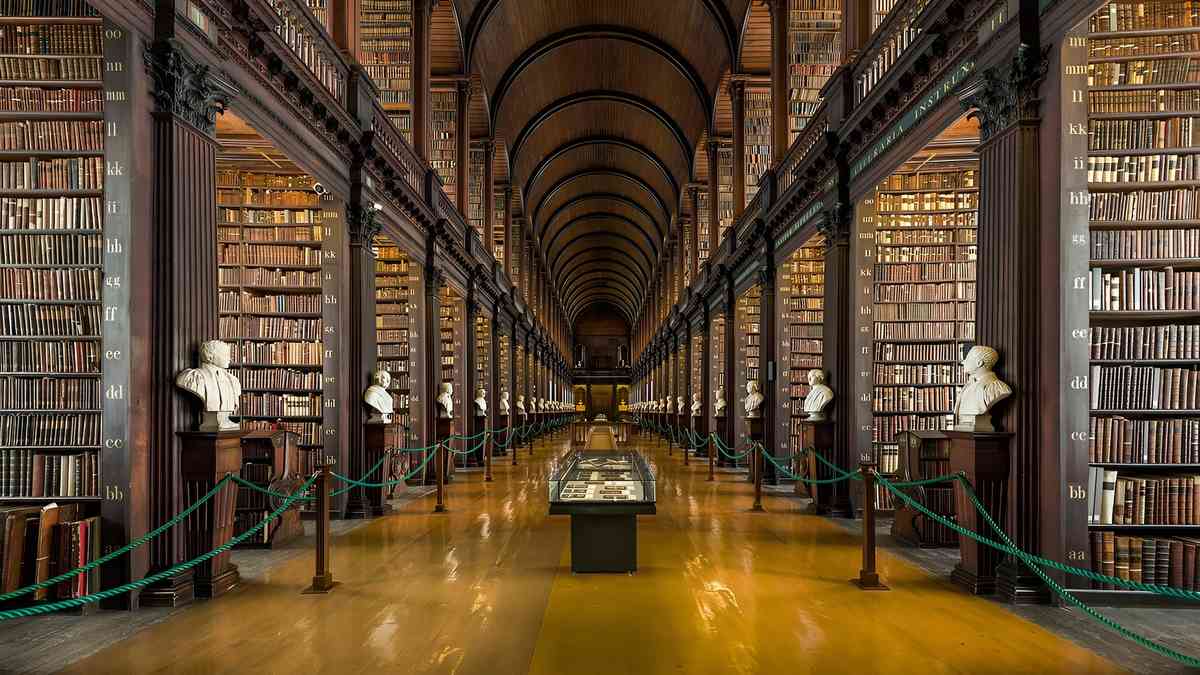
The Long Room At Trinity College, Dublin (Ireland)
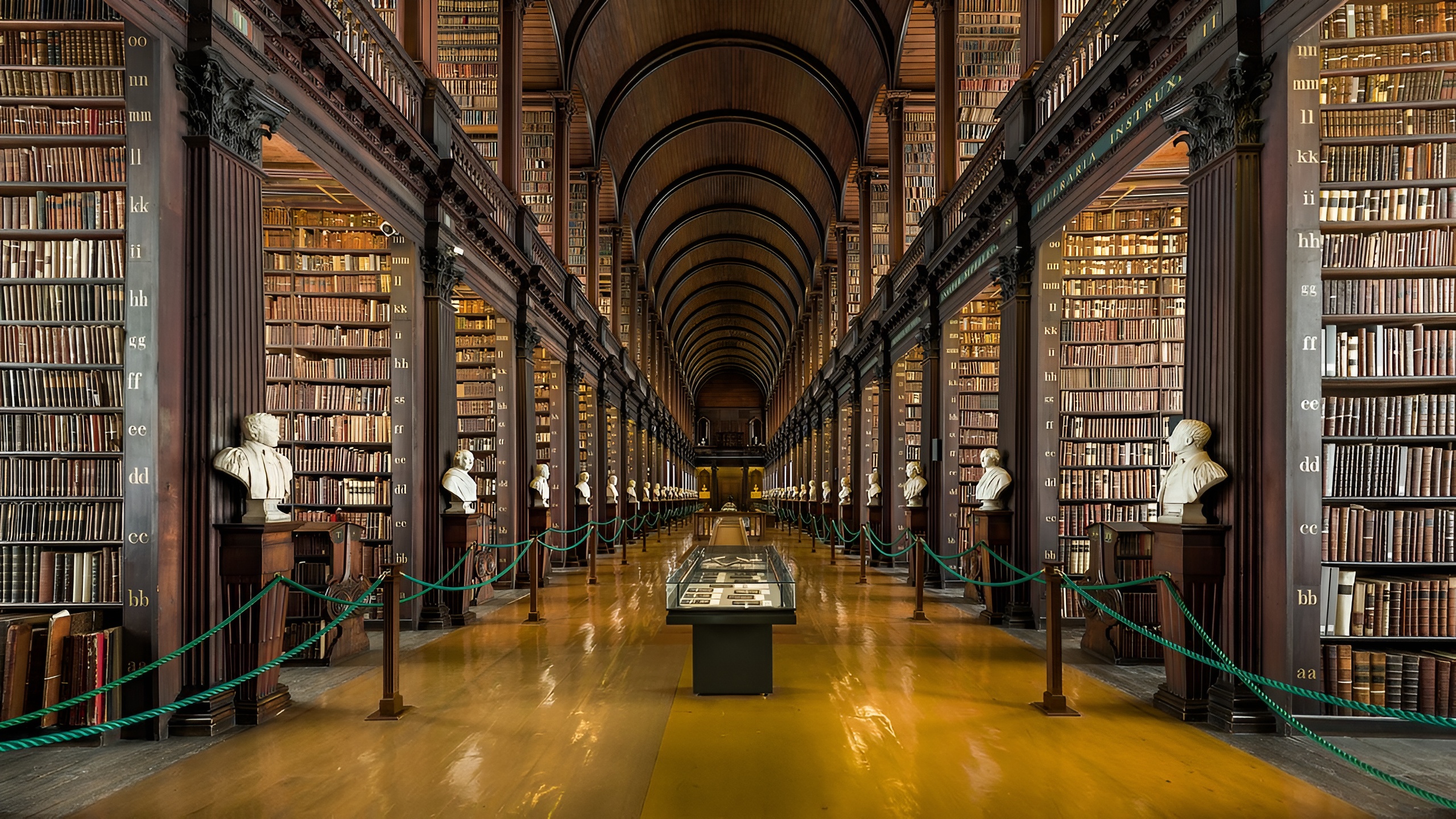
The architects across generations have found brilliant ways to resolve this tension, creating structural wonders that slow massive respect for the past while leaning hard into the future. If you go to Dublin, Ireland, you will find the Long Room at the Library of Trinity College which fixed its major space crisis back in the nineteenth century by completely tearing off its old flat ceiling and building a giant, soaring wooden barrel vault. This genius move actually doubled their storage space so they could house over two hundred thousand of their oldest texts, including the world-famous ninth-century Book of Kells, and it perfectly saved their historic library architecture while keeping up with a growing university.
The Admont Abbey Library (Austria)
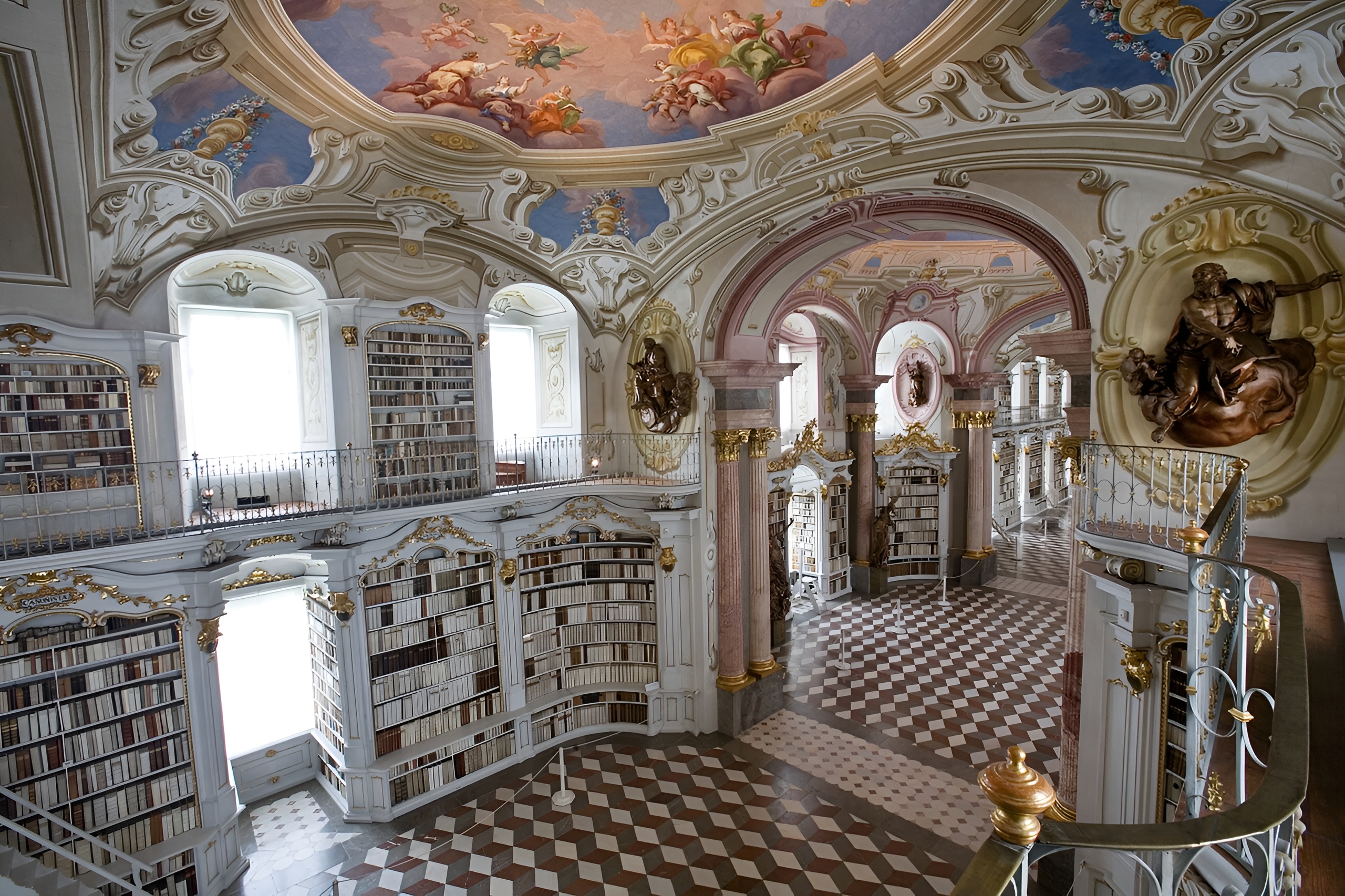
Then you have a place like the Admont Abbey Library in Austria, which completely flipped the script on the dark, gloomy mood of old medieval monastery life by letting the bright ideas of the Enlightenment guide its style. Constructed in the late eighteenth century, this place features seven massive ceilings covered in incredibly bright frescoes that bounce natural light all over the room. Today, it stands as the largest monastery library on the planet, and they even used a bit of playful design by hiding secret doors behind fake book spines to keep the whole room looking perfectly smooth and gorgeous.
The Royal Portuguese Cabinet Of Reading (Brazil)
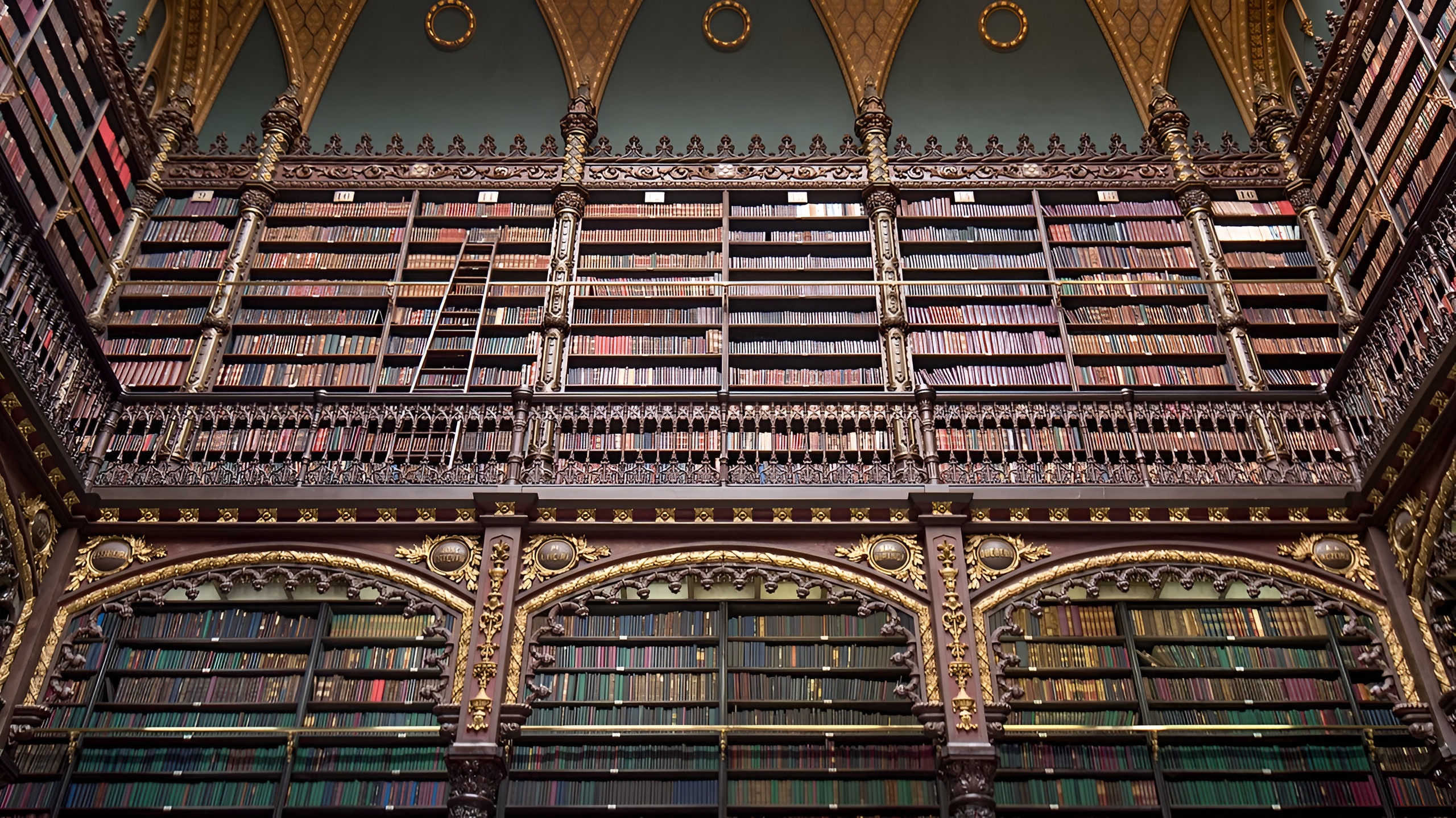
If you travel down to Brazil, the Royal Portuguese Cabinet of Reading solved a massive cultural identity crisis for Portuguese immigrants by building a truly spectacular reading room that feels like a gothic fairytale. Its massive dark wood galleries climb three stories high towards a stunning blue and red stained-glass skylight, and it blends old-world European grandeur with the bright, passionate energy of South America.
The Stuttgart City Library (Germany)

When in Germany, the Stuttgart City Library tackles all our modern visual noise by going all-in-on total minimalism, since the whole building was designed as a perfectly clean, all-white geometric cube. The inside looks like an inverted pyramid that spans five floors, and because the walls and floors have absolutely no color on them, your eyes are drawn straight to the colorful books on display, turning the literature itself into the main art piece.
The George Peabody Library ( United States)
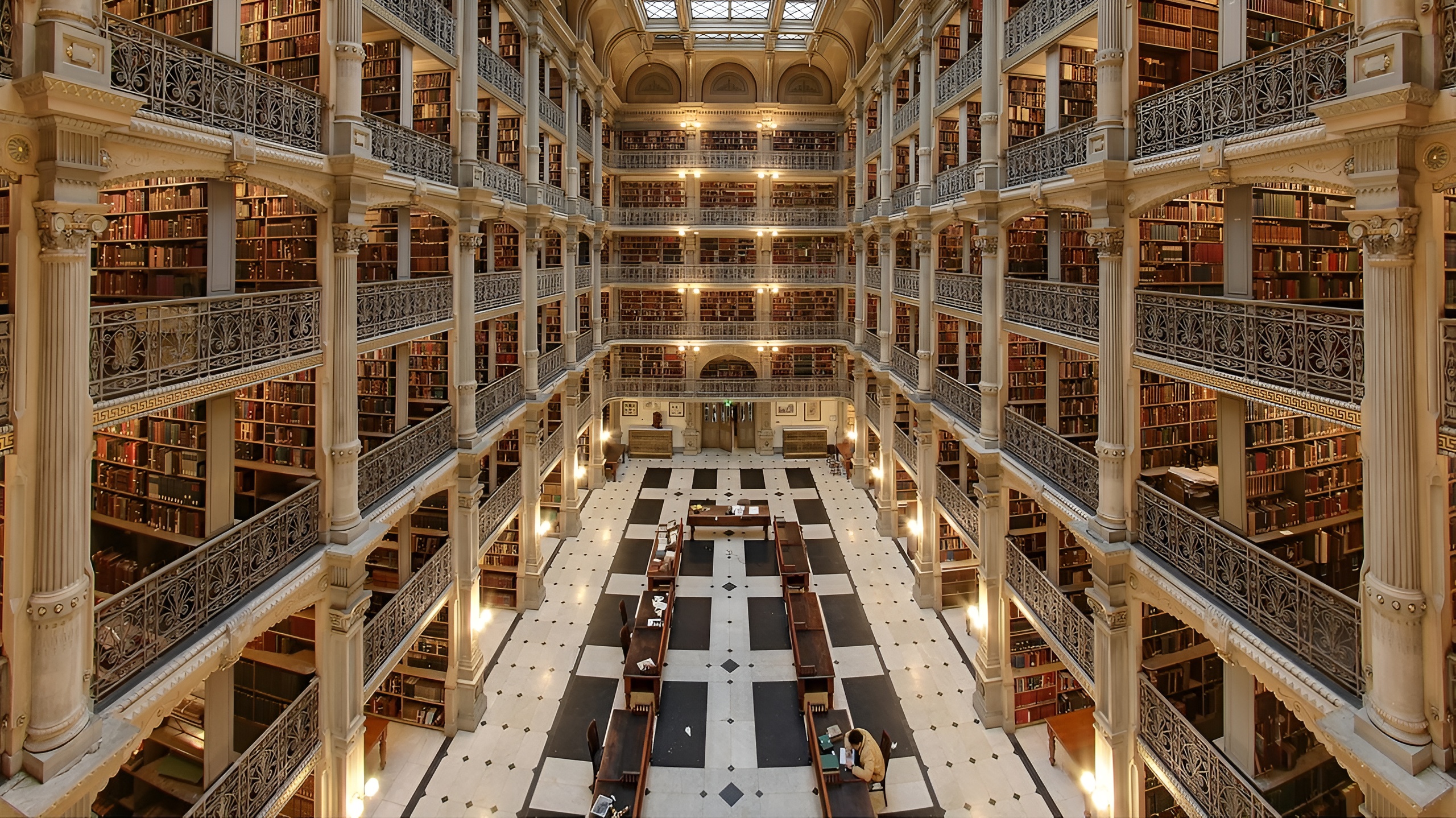
If you cross back over the Atlantic, the George Peabody Library in Baltimore stands out as America’s very own Cathedral of Books, and it solved a ton of nineteenth-century engineering problems by using Victorian industrial tech in the coolest way. It features a massive open atrium that shoots sixty-one feet up into the air, held up by six tiers of incredibly detailed black cast-iron balconies that look down on a beautiful white marble floor. A giant frosted-glass skylight floods the whole central space with a soft, romantic glow, proving to the world that rigged industrial materials could create something absolutely elegant.
Also Read: 7 Weirdest Buildings In Earth That Actually Exist
Why You Need To Walk Inside These Places
When you stand inside the library, you are not just looking at a pretty building. You are feeling a deep, emotional connection to human history and realising that libraries were never just about storing pieces of paper, as they were built as living proof of how much we value human thought, creativity, and imagination. To make sure you trip to these literary travel destinations goes off without a hitch, you definitely want to keep a few quick tips in mind so you get the absolute best experience.
For starters, always book your ticket early because famous spots like the Trinity College Long Room use timed entry and sell out weeks in advance during holiday seasons. You also want to look up the photography rules ahead of time because historic sanctuaries, like the Abbey Library of St.Gallen, completely ban the usage of cameras to protect their ancient, delicate ink from bright flashes. Finally, just remember to respect the locals who are actually using the space to study, so make sure to keep your voice down to a whisper and stick to the visitor paths.
Think about it like this, every single text message, video clips, and digital files we create today could vanish if the power grid goes down, but these physical spaces have already survived centuries of real-world chaos. Walking into them is like taking a portal straight into the collective mind of humanity. By adding these global hot spots to your travel maps, you are skipping the basic tourist traps and unlocking the realest monuments on Earth.