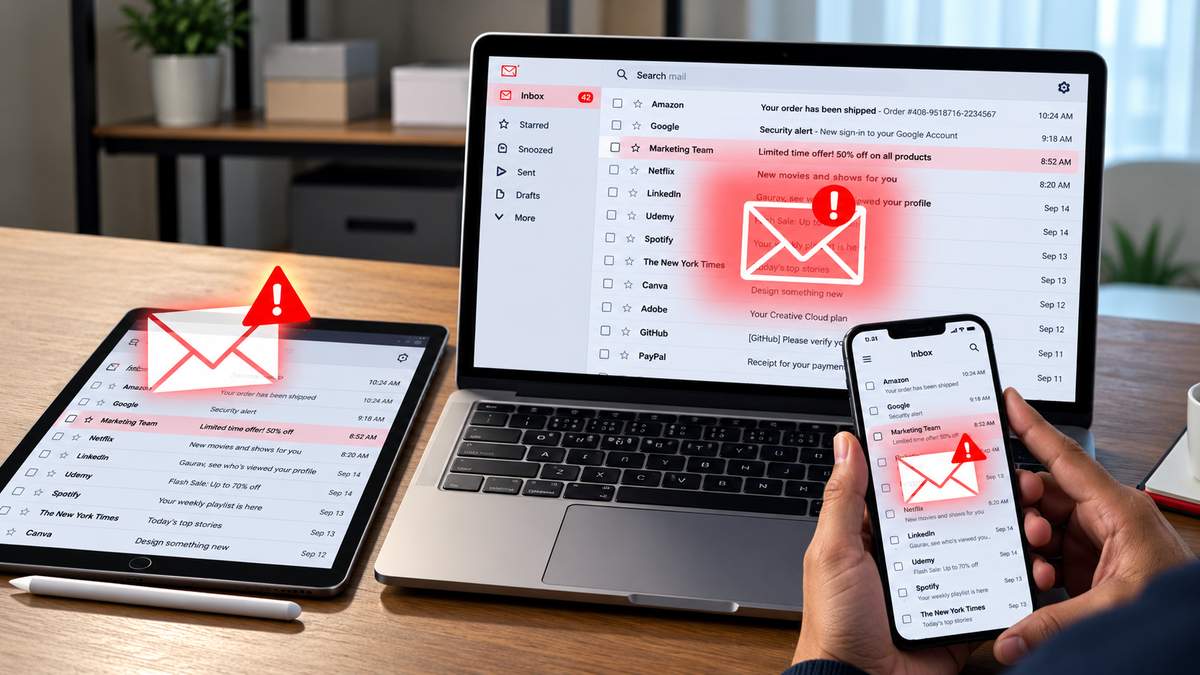
Today, the internet is an important part of everyday life. We use websites, apps, email, computers, smartphones, and many other digital tools every day. Because these things are so common, we often do not stop to think about where their names came from. Many digital words have interesting stories behind them.
The word “digital,” for example, comes from the Latin word “digitus,” which means “finger.” The word became connected with technology because fingers were used for counting and doing calculations before modern machines were available. The technological use of the word goes back to the 1930s, long before smartphones and touchscreens.
Another interesting example is the phrase “surfing the web.” The internet is not an ocean, of course, but the word “surfing” became a way to describe moving around the internet. Librarian Jean Armour Polly, who was one of the early people to write about using the internet, was looking for a good comparison for using the web. She saw a picture of a surfer riding a large wave on her mouse pad, and this helped inspire the expression “surfing the web.” The story of the word “spam” is even more unusual.
What Does “Spam” Mean Today?
Today, “spam” usually means unwanted email or other unwanted online messages. These messages are often sent to people who did not ask to receive them. Spam can include advertisements, repeated messages, or other unwanted content.
The word has become a normal part of internet language. But why do we call these unwanted messages “spam”? The answer goes back to a famous canned food, a comedy show, and the early days of the internet.
The Food Called SPAM
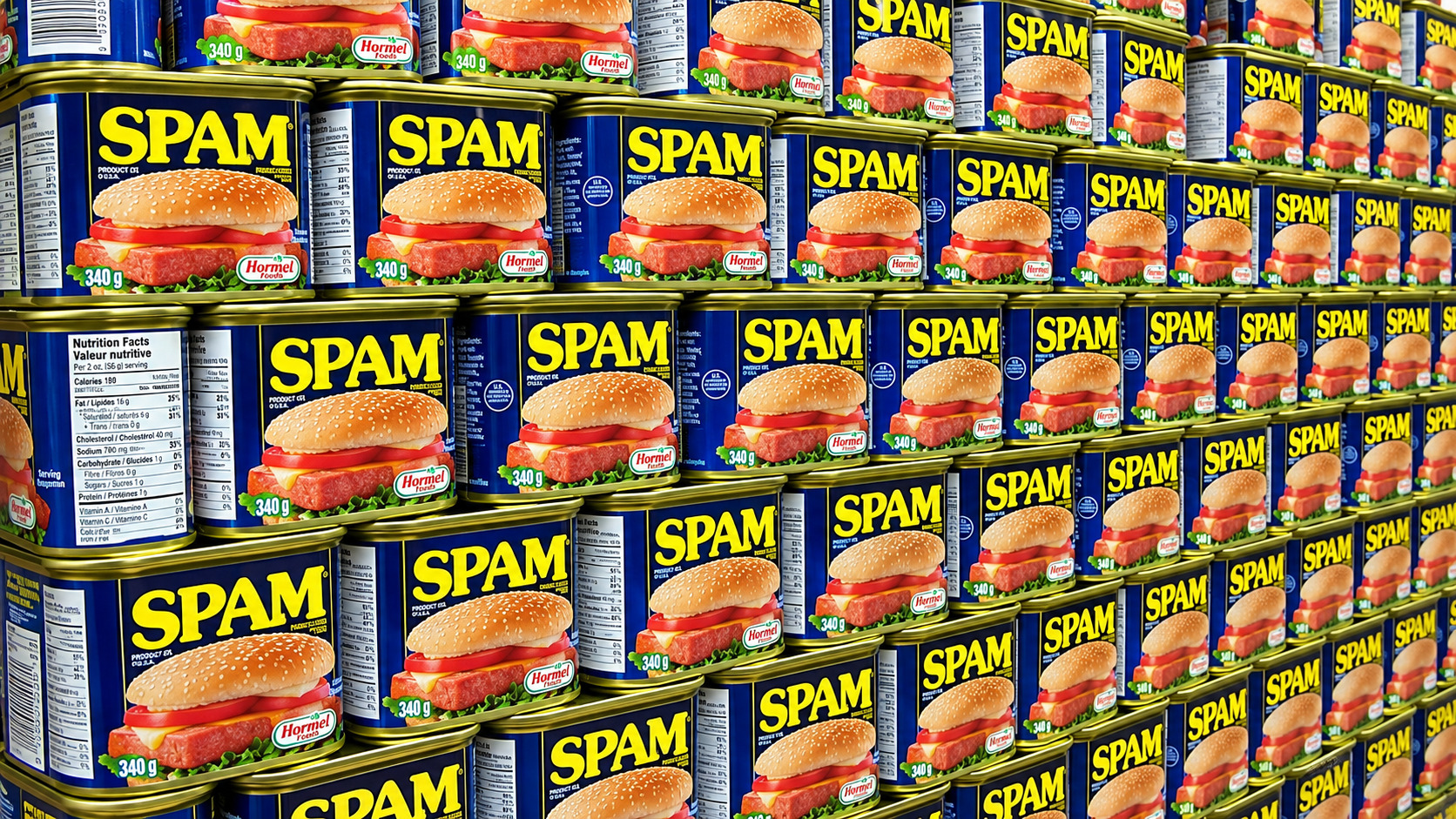
The story begins with SPAM, the canned meat product made by Hormel Foods. SPAM was first introduced in 1937 by Hormel Foods. It is a canned meat product made mainly from pork and other ingredients. During the Second World War, from 1939 to 1945, SPAM became widely used because canned food was useful for soldiers.
American soldiers carried and ate SPAM, and the product also reached many countries around the world. After the war, SPAM continued to be sold in different countries. It became especially popular in some Asian countries and became part of the food culture in several places. The name of the food, however, is not the same thing as the internet meaning of “spam.” The internet use of the word came through a comedy sketch.
The 1970 Monty Python Sketch
The important connection between SPAM food and unwanted messages comes from the British comedy television show Monty Python’s Flying Circus. In 1970, the show featured a famous sketch set in a restaurant. In the sketch, a couple is looking at a menu. The menu contains SPAM in many of its dishes. A group of Vikings is also in the restaurant.
Whenever the word “Spam” is mentioned, the Vikings begin singing the word loudly and repeatedly. They keep repeating the word and interrupt the conversation of the other people in the restaurant. The joke is that the word “Spam” becomes so common and repeated that it almost takes over the conversation. This repeated and unwanted interruption became important many years later when people began using the internet.
Also Read: The Story Behind the Floppy Disk
How the Word “Spam” Entered Internet Language
In the early days of the internet, people used online discussion systems to communicate with one another. One important system was called USENET. It allowed people to take part in online discussions and share messages with other users. During the 1990s, people began using the words “spam” and “spamming” to describe unwanted and repeated online messages. The idea came from the Monty Python sketch.
Just as the Vikings kept repeating “Spam” and interrupted everyone else, unwanted online messages could be repeated again and again and disturb other users. Richard Depew, a USENET user, is credited with the first documented use of the word “spam” in this internet sense. The exact history of the earliest uses is complicated, but the Monty Python connection is an important part of how the word became associated with unwanted online messages.
Spam Was Not Always About Advertising
Today, many people think of spam as unwanted advertising emails. However, some of the earliest examples of internet spam were not simply advertisements. Some early spam messages were sent as pranks or jokes. People sometimes sent large numbers of messages to annoy other users or interrupt online discussions. As internet use grew, however, spam became increasingly useful to advertisers.
Advertisers realized that they could send one message to a very large number of people. They did not have to contact each person separately. This made email an inexpensive way to reach many potential customers. However, the people receiving these messages often had not asked to receive them. As a result, unwanted email became a growing problem.
The Growth of Spam in the 1990s
During the 1990s, the internet became increasingly popular. As more people began using email and online discussion systems, the amount of unwanted material also increased. Advertisers could send the same message to many people at once. Some people also used spam to promote products, services, or websites.
The large number of unwanted messages could make online communication difficult. People could receive so many unwanted messages that it became harder to find the messages they actually wanted. Spam was therefore not just an annoyance. It also became a problem for people trying to use the internet for normal communication.
The FTC Looks at Spam in 1997
By 1997, spam had become a serious enough issue for the U.S. Federal Trade Commission (FTC) to hold hearings about it. The FTC considered whether something should be done to control the growing problem of spam. The agency discussed possible ways to deal with the practice.
However, it eventually decided to leave regulation “to industry, consumers, and the marketplace.” This meant that the FTC did not immediately create a broad government system to control spam. Instead, businesses, consumers, and the developing online marketplace were left to deal with the problem.
Hormel Foods Did Not Like the New Meaning
The growing use of the word “spam” created a problem for Hormel Foods. Hormel had spent many years building its SPAM food brand. Now the same word was becoming associated with something that many people disliked: unwanted email. Hormel Foods was not happy about this connection.
The company owned the SPAM trademark, so it tried to protect the name. Hormel took action against two anti-spam services called Spambuster and SpamArrest. These services were connected with fighting unwanted email. Hormel argued that their use of the word “Spam” created a problem for its trademark.
The Difference Between SPAM and Spam
Hormel's efforts were not successful. Judges decided that people could understand the difference between the two meanings of the word. One meaning referred to SPAM, the canned meat product. The other meaning referred to spam, unwanted electronic messages.
Because people could tell the difference between the food and the internet term, the company's attempts to stop the use of the word were unsuccessful. This allowed the word “spam” to continue being used for unwanted email and other unwanted online messages.
Also Read: Why Do We Call It a “Pair” of Pants?
A Joke From the CEO of SpamArrest
The disagreement between Hormel Foods and the anti-spam services also led to a humorous comment. The CEO of SpamArrest criticized Hormel's actions and said, “Hormel is acting like a corporate crybaby,” and that it “ought to can it.”
The phrase “can it” was especially fitting because SPAM is a canned food product. The comment made fun of both Hormel's complaint and the fact that the original SPAM product comes in a can.
Why Did “Spam” Become the Name for Unwanted Email?
The complete story can now be understood step by step. First, SPAM was introduced by Hormel Foods in 1937. Second, in 1970, Monty Python’s Flying Circus used SPAM as the main joke in a restaurant sketch. The Vikings repeatedly shouted and sang the word “Spam,” interrupting everyone else.
Third, during the 1990s, early internet users began using “spam” and “spamming” for repeated and unwanted online messages. The repeated and annoying behavior in the Monty Python sketch was similar to the way unwanted messages could interrupt online discussions. The word eventually became widely used for unwanted email.
The Difference Between Spam and Normal Email
A normal email is usually sent because the sender wants to communicate with the person receiving it. Spam is different because it is generally unwanted. The recipient did not ask for the message, and the same or similar message may be sent to many people.
For example, a company may send a promotional email to a large list of people who never asked to receive it. Such a message may be considered spam. The important idea behind the word is therefore unwanted and repeated communication.
Why the Story Is Interesting
The history of the word “spam” shows how words can change their meanings over time. The original word was the name of a food product. Then the word became part of a comedy sketch. The comedy sketch helped inspire internet users to use the word for annoying and repeated online messages.
Eventually, “spam” became a normal word in the language of the internet. The connection between the food and unwanted email is therefore real, but it is not as simple as saying that unwanted email was directly named after canned meat. The internet meaning came from the 1970 Monty Python’s Flying Circus sketch about SPAM.