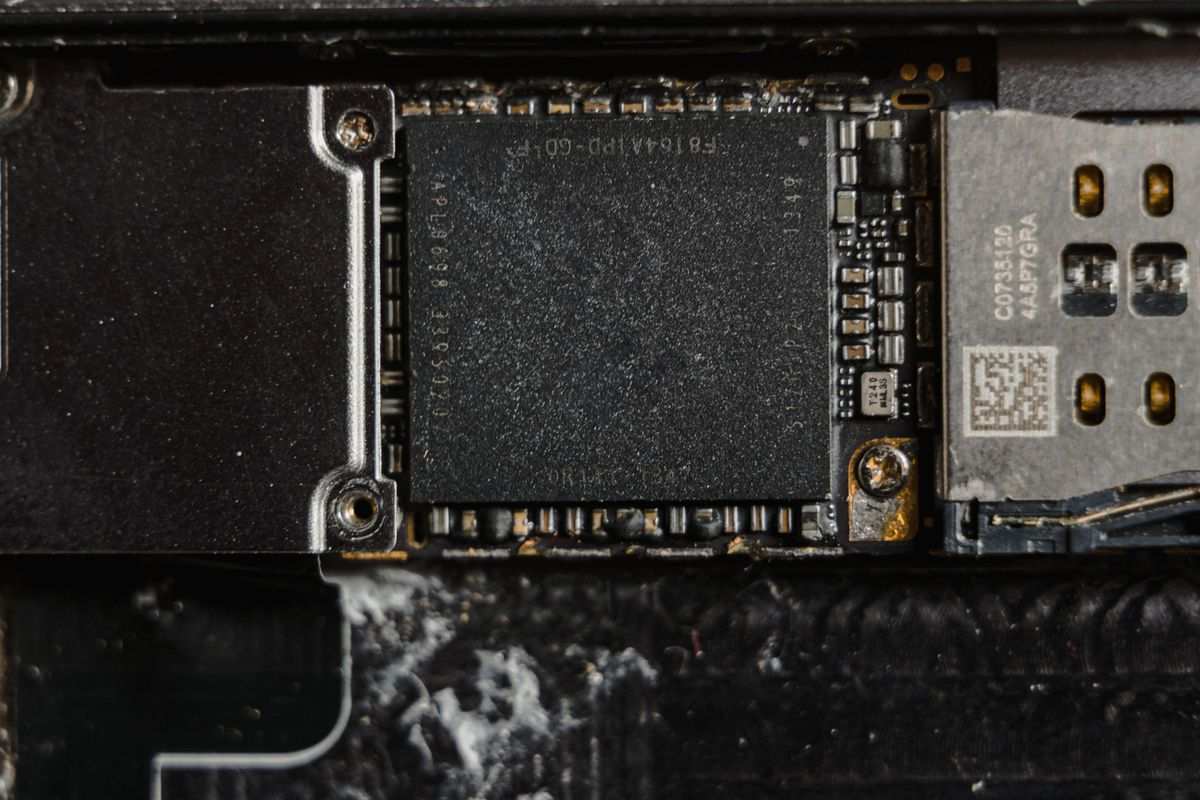
Isn't it irritating when your phone dies at 7 pm, despite not filming any video or playing any game? All you did was click a few photos, text, and scroll, and the battery icon is already red. Then, you hear someone praising solid-state batteries as if their life depends on it. However, SSDs could indeed last for days, charge quicker and never catch fire.
You may think it is magically true, but it isn't. It's physics, chemistry and a harder manufacturing problem. Can SSDs improve battery life? Yes. But would they do it overnight? No. Things would take time, and the first ones won't look like the kind you're imagining.
Also read || 7 Best E-Ink Tablets for Reading and Notes in 2026
What's the Promise Behind the Hype
So, let's understand how it works. Energy is stored in the form of chemicals inside the battery. When you use your phone, lithium ions move from one side (the anode) to another side (the cathode) through a middle layer called the electrolyte. This movement creates current, and charging runs the process in reverse.
In modern-day phones, the electrolyte is a gel or a liquid. They are cheap and have been refined for decades, which is why it is inside every phone sold today. But there are limits. It can be flammable, it wears down over time, and it keeps makers from using the most energy-packed anode material, which is pure lithium metal.
A solid-state battery swaps the liquid for a solid material, such as a ceramic or a special polymer. In theory, that allows a lithium-metal anode. According to the MIT Climate Portal, solid-state batteries that use lithium metal could store far more energy in the same-sized package with less weight, which could mean longer-lasting phones and laptops.
There is a reason lithium-ion won the world in the first place. MIT notes that their graphite anodes are less prone to dendrites, which are the metal cracks we will meet below. Lithium metal is the tempting alternative. As MIT's Yet-Ming Chiang puts it, "There's no more energy-dense form of lithium than lithium metal." The catch is that it is soft like taffy, and hard to tame.
Another thing is the safety angle. If the liquid electrolyte overheats or leaks, a lithium-ion battery can fail dangerously. So, in short. A solid electrolyte is generally less flammable. The promise might be real, but theoretically it is a lot of work.
Why the Lab Keeps Hitting a Wall
The biggest roadblock is the dendrite. The word dendrite comes from the Greek word for tree. When you charge, lithium ions are supposed to settle evenly on the anode. Instead, they can pile up unevenly and form sharp lithium branches. If one grows through the electrolyte and touches the other side, the battery short-circuits.
MIT's Climate Portal reports that dendrites have been a major obstacle since the 1970s. In a study published in Nature in March 2026, a team led by Cole Fincher and Yet-Ming Chiang found something surprising. Faster dendrite growth went with lower stress in the ceramic electrolyte, and cracks formed at stress levels as low as 25 percent of what mechanical force alone would predict.
The biggest culprit is chemistry. High electric currents trigger reactions that weaken the electrolyte. Cole Fincher compared the ceramic to a tooth on the lab bench, but said it becomes closer to a lollipop in brittleness during charging. That's why simply building together rough electrolytes has not solved the problem. In plain terms, lithium, which makes these batteries powerful, is also making them fragile.
Another concern is pressure, which most people ignore. Solid layers don't flex like liquid, so gaps can open as electrodes swell and shrink, and lithium ions cannot cross a gap. While squeezing the cell hard can fix it, it's hard inside a thin phone that must also survive thousands of charges, cold, drops and heat.
Also read || 5 Things to Do Before Installing GTA 6 on PS5 and Xbox
What "Solid-State" Means Today
Interestingly, not every battery called solid-state is fully solid. Some are semi-solid or hybrid, with some liquid or gel still inside. The Battery-Tech Network states that the global solid-state shipments hit 8.0 GWh in 2025, up 51.9 percent, and all of it was semi-solid.
So, what is the real thing? Samsung SDI says it plans to begin mass production of all-solid-state batteries at its Ulsan plant in the second half of 2027, according to Gasgoo's report on the company's July 30 announcement. An executive told the Korea JoongAng Daily that samples have gone to several global customers, who responded positively to energy density and safety.
Phones are not guaranteed to be first in line. Gasgoo lists electric vehicles, humanoid robots, and similar uses among the customers receiving samples. PhoneArena noted that Samsung Electro-Mechanics, a separate company, announced a small all-solid-state battery for wearables, so a watch or ring may get the technology before a phone does. That would make sense, since a small, low-risk device is an easier place to start.
Also read || Cyber Skills Shortage: What ISC2 & ISACA Data Means for You
What It Means for Your Phone
Do not sell your phone because battery chemistry is all about hardware so that a software update won't fix it. Chemistry is another part of the story. The screen, processor, modem, cameras, signal strength, and temperature all affect battery life, so even a great cell will not turn heavy use into a three-day phone.
Still, chemistry sets the ceiling. Today, makers often boost battery life by making the battery bigger, which adds weight and thickness. A denser cell could pack more energy into the same space, so you would not have to choose between a slim phone and a long-lasting one. That is the real prize, and it is why the research is worth watching.
When you shop, read the label carefully. Check whether a phone uses an all-solid-state or a semi-solid-state battery, and treat bold claims with care. That one habit will save you from a lot of marketing fog. The likeliest path runs from better lithium-ion cells to hybrid designs, then small solid-state cells in niche devices, and only later to premium phones.
So, will solid-state batteries fix phone battery life? Eventually, they may improve it a lot. They will not fix it overnight. Until the engineering catches up, your phone will still die at 7 pm, just a little later than it used to. That small delay is still worth having, because battery life is one of the few phone features you notice every single day.