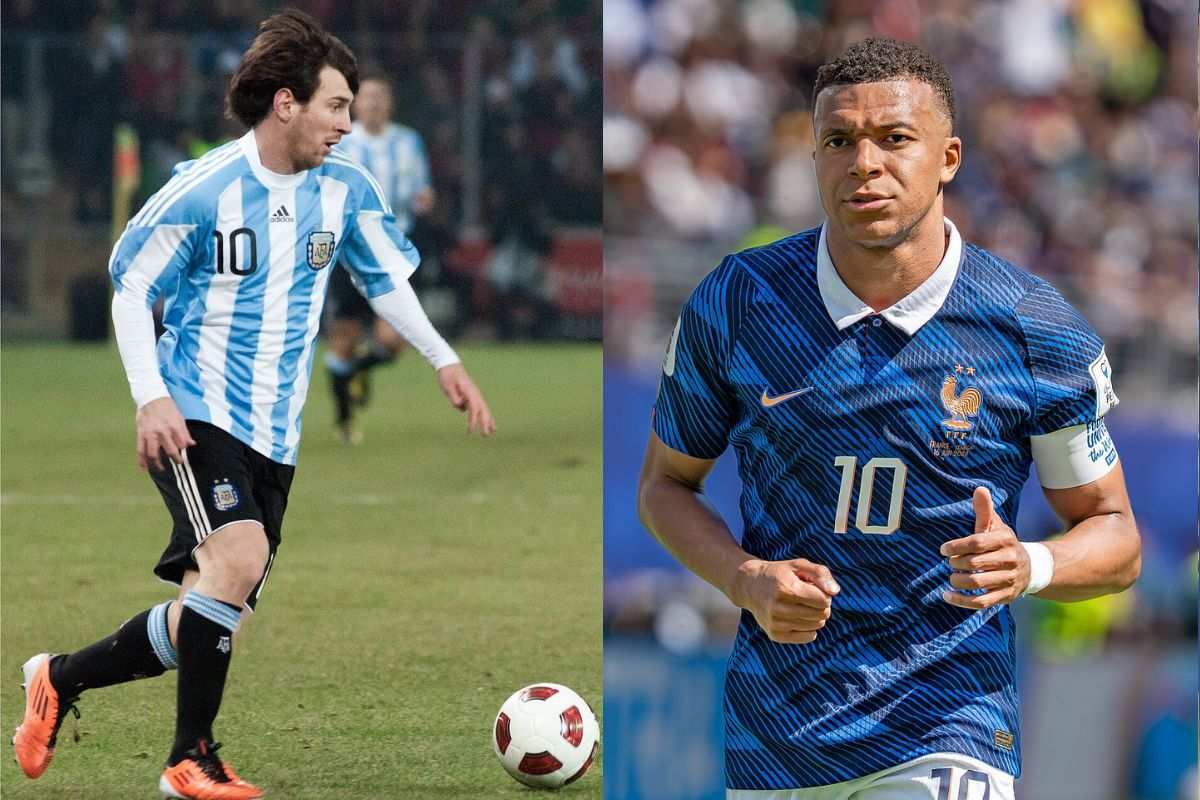
When Argentina won the World Cup in Qatar, everyone thought it would be the last World Cup for Argentine star Lionel Messi. Guess who was wrong? Twelve days have passed, six teams have qualified for the round of 32, and the 38-year-old legend is taking his team to the knockout phase with 5 goals in two matches. After a hat-trick against Algeria, Lionel Messi turned things around against Austria by scoring two magical goals.
With these two goals, Messi is the highest goal scorer of all time in the FIFA World Cup. In 2022, he scored 7 goals throughout the tournament. Surprisingly, he's performing better in 2026 than he ever had, with a goal-scoring rate of 2.5. But Messi is not alone in this race. Maybe Mbappé or Haaland could be the next big thing. So, let's break down who some of the greatest goal scorers in FIFA World Cup history are.
Also read || Vikings Return to the Field After 28 Years
Lionel Messi (Argentina) - 18 goals
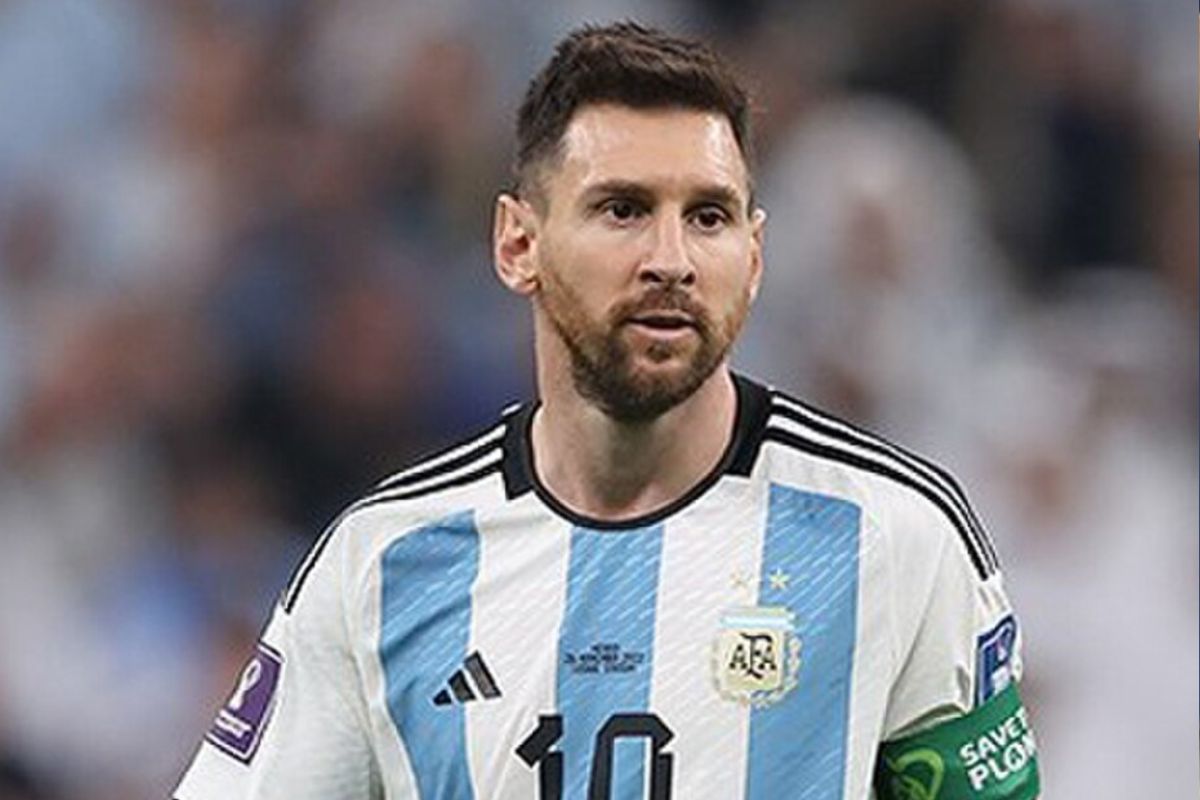
After a hat-trick in the opening match, the Argentine legend is chasing the glory that Diego Maradona chased. He has already captained his team twice in the finals, and has won once. He had already matched German legend Miroslav Klose's record of 16 goals in his 27th World Cup match, and the two goals against Austria put him ahead of every footballer that ever existed in the World.
With 18 goals in 28 appearances, Messi has a goal-scoring rate of 0.64, which might be slightly lower compared to others on the list, but nobody has been able to play this long and consistently. Currently, he has officially surpassed all previous records to hold the ultimate global goal-scoring crown, and leading the goal-scoring leaderboard with 5 goals.
Kylian Mbappé (France) — 16 Goals
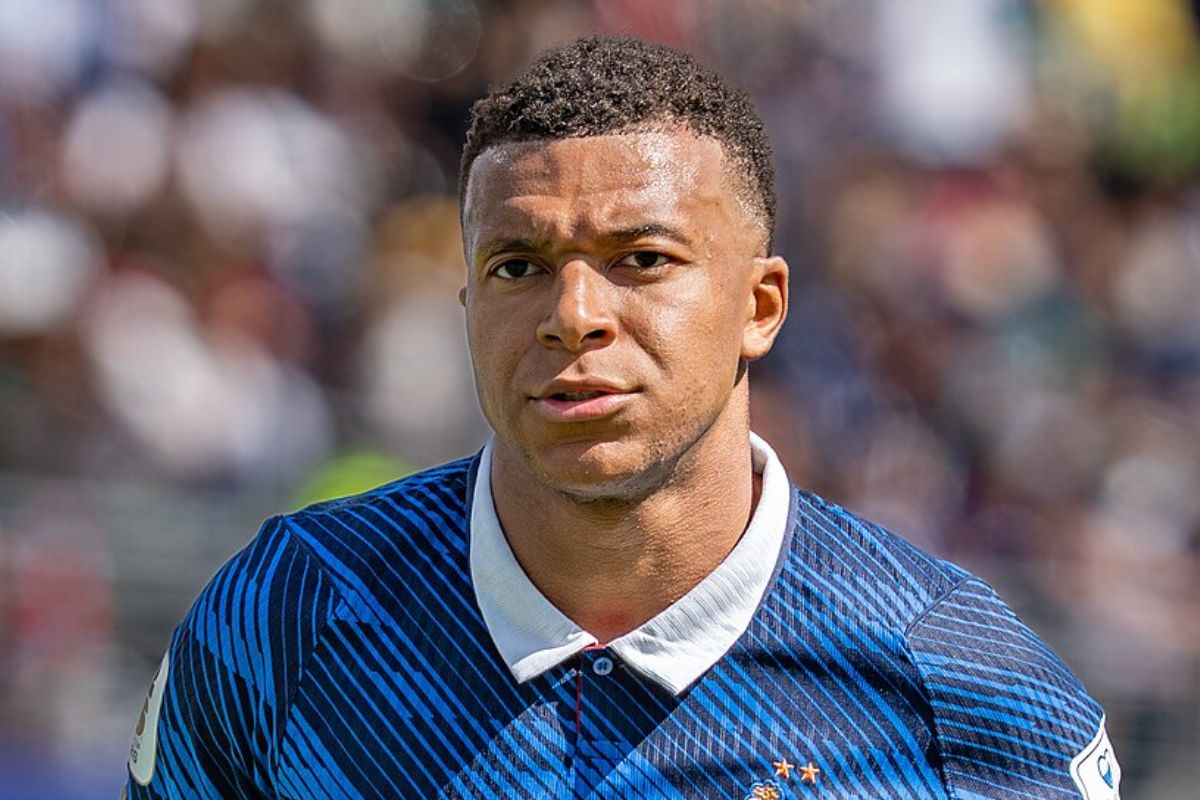
French striker Kylian Mbappé is a delight to watch on the ground, and he's been meteorically rising since 2017. At 27, he has the potential to break all the international records if he continues with his form. He's already the leading goal-scorer of all-time for the French National Football Team with 60 goals in 100 appearances. When France won the FIFA World Cup 2018, he was awarded the Best Young Player Award for his phenomenal performance.
With 16 goals in 16 matches, he has a goal-scoring rate of 1, which is scary for any defending team. And, we have seen how this young player single-handedly brought France back in the game against Argentina in the 2022 World Cup final. With that hat-trick, he became the second player after Geoff Hurst to score a hat-trick in the FIFA World Cup final.
Also read || 5 FIFA World Cup Injuries That Changed Careers
Miroslav Klose (Germany) — 16 Goals
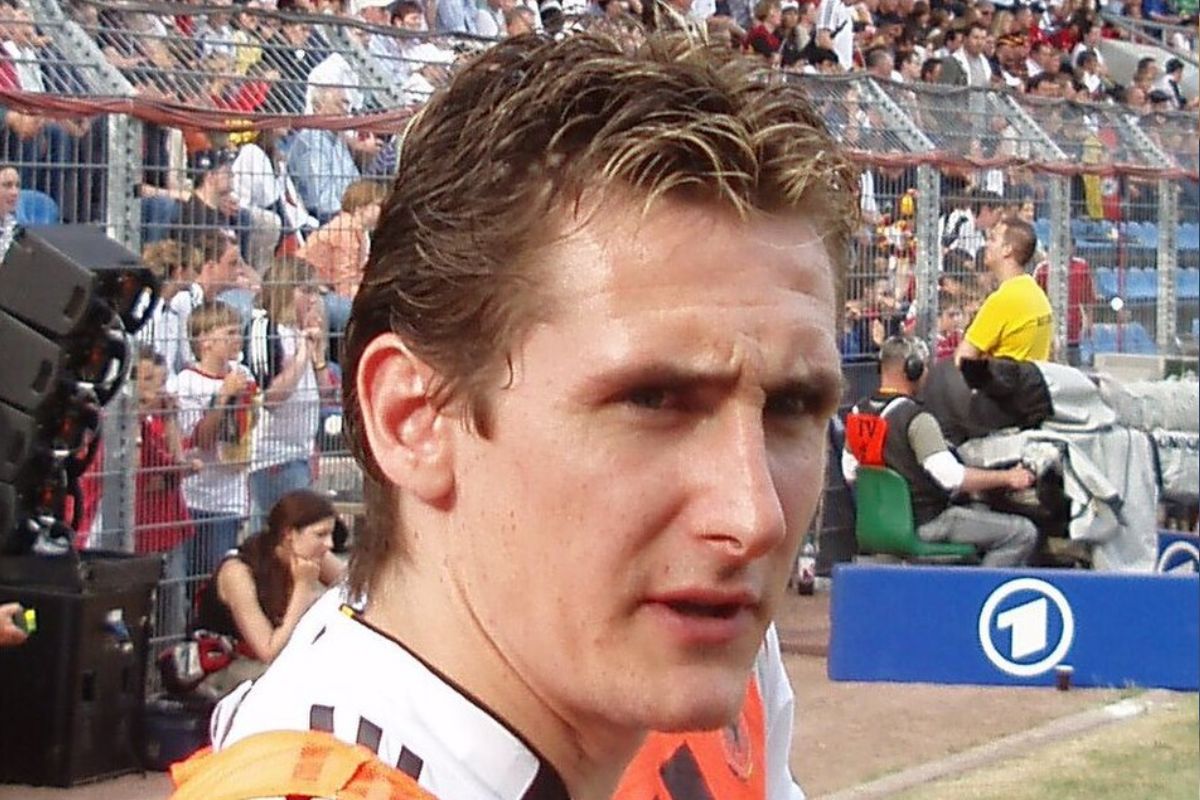
Miroslav's presence used to instill fear among defenders, and that's one of the reasons he stayed on top for over 12 years. The coveted all-time goal scorer for Germany was a key factor in Germany's 2014 triumph. Known for his exceptional clinical positioning and aerial abilities, Klose scored 16 goals in 24 appearances with a goal-scoring rate of 0.67.
While everyone talks about his last World Cup, it was his 2002 appearance that gave him the limelight. He burst onto the scene with five headers and maintained a remarkable consistency for four consecutive World Cups. In 2006, he secured the Golden Boot in the FIFA World Cup for netting five goals. However, the most remarkable match was the 2014 semi-final against Brazil, where he scored his 16th goal to break the record of Brazilian legend Ronaldo Nazário, and helped Germany win 7-1.
Ronaldo Nazário (Brazil) — 15 Goals
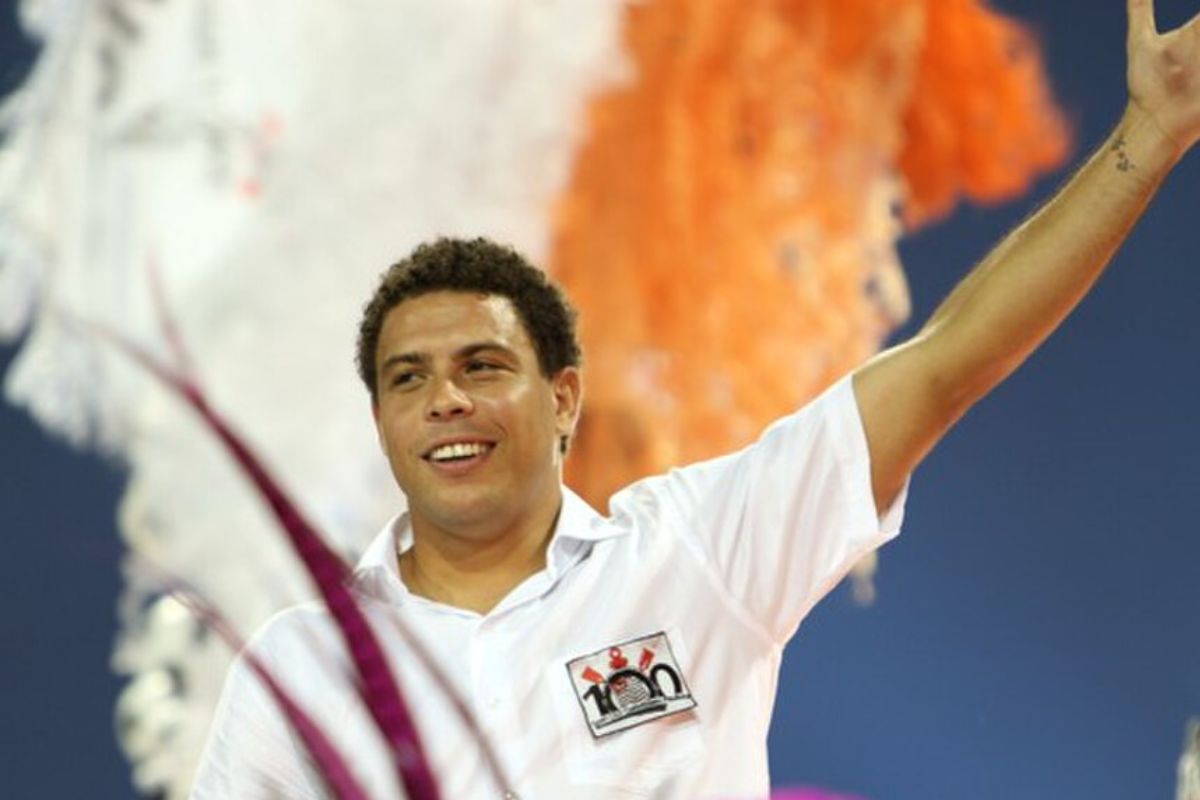
For many millennials, Ronaldo Nazário is still one of the most explosive forwards ever. He was called "Fenômeno," which means "Phenomenon" in Portuguese, for his fast goal-scoring abilities and resilience. In his 19 FIFA World Cup matches, he scored 15 goals, with a goal-scoring rate of 0.79 per match.
Ronaldo was part of four FIFA World Cups but was active in the 1998, 2002, and 2006 editions. After suffering a heartbreaking defeat in the 1998 final against France, he made a comeback in 2002, becoming the leading goal scorer by netting 8 goals in 7 matches. In 2006, he scored 3 goals but couldn't get his team into the semi-finals.
Also read || Hydration Breaks Dividing FIFA World Cup 2026
Gerd Müller (West Germany) — 14 Goals
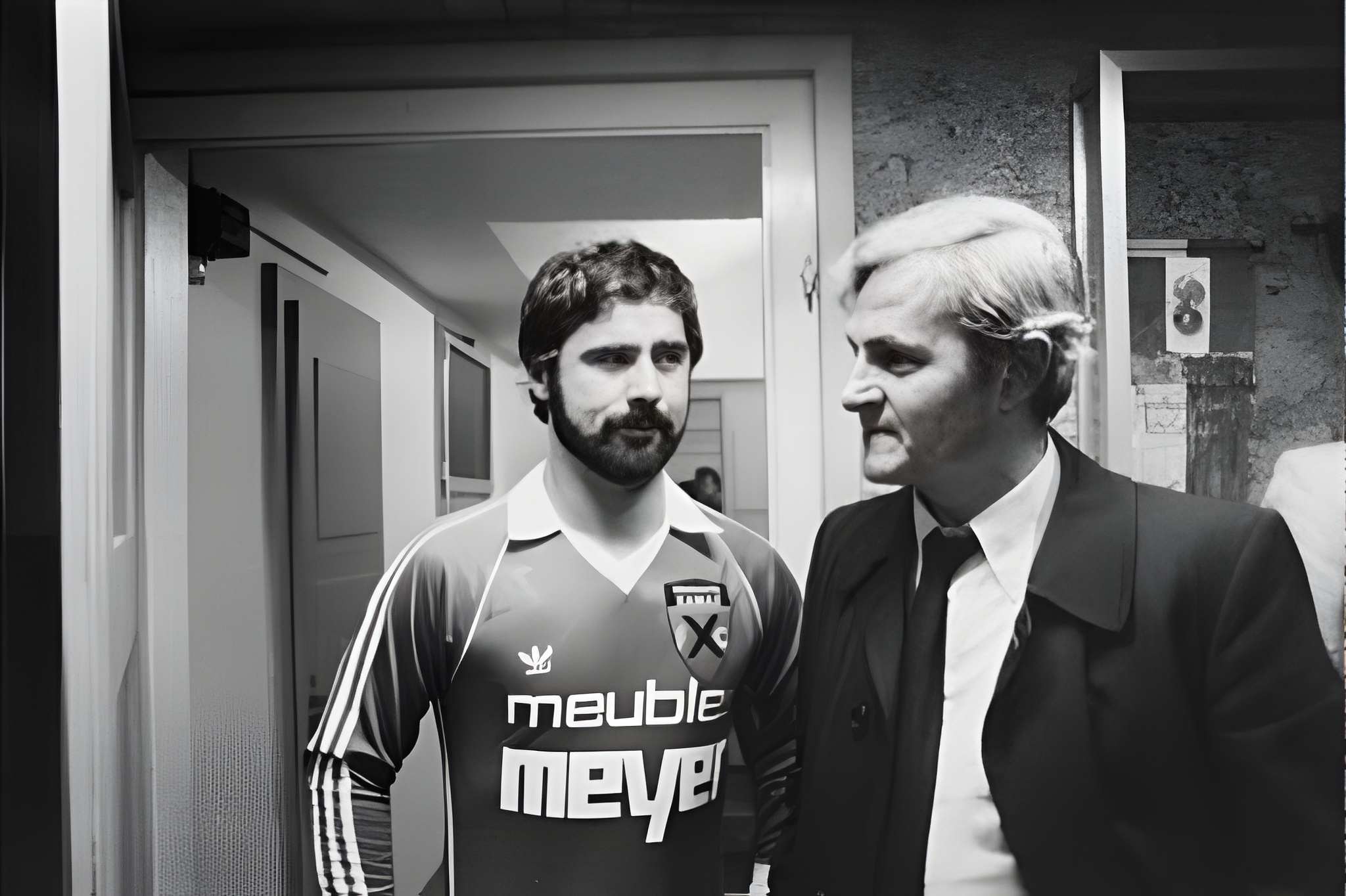
Gerd Müller may have left us five years ago, but his records will forever be legendary and unforgettable. What makes his record remarkable is that he played only two FIFA World Cups, and his record was unbeaten for 32 years, until Ronaldo Nazário broke it. He was called "Der Bomber" for explosive goal-scoring and influence on the field. In the 1970 FIFA World Cup, he scored 10 goals, which is among the highest by any player in one edition.
With 14 goals in 13 appearances, he has a goal-scoring rate of 1.08, which is not good but exceptionally great. In 1970, West Germany were very close to winning the World Cup, but Italy won 4-3 in the semi-final. Müller was awarded the Golden Boot award for his 10-goal performance. However, it was the 1974 FIFA World Cup, where West Germany won its second FIFA World Cup, where Müller was a critical part of the team.
Just Fontaine (France) — 13 Goals
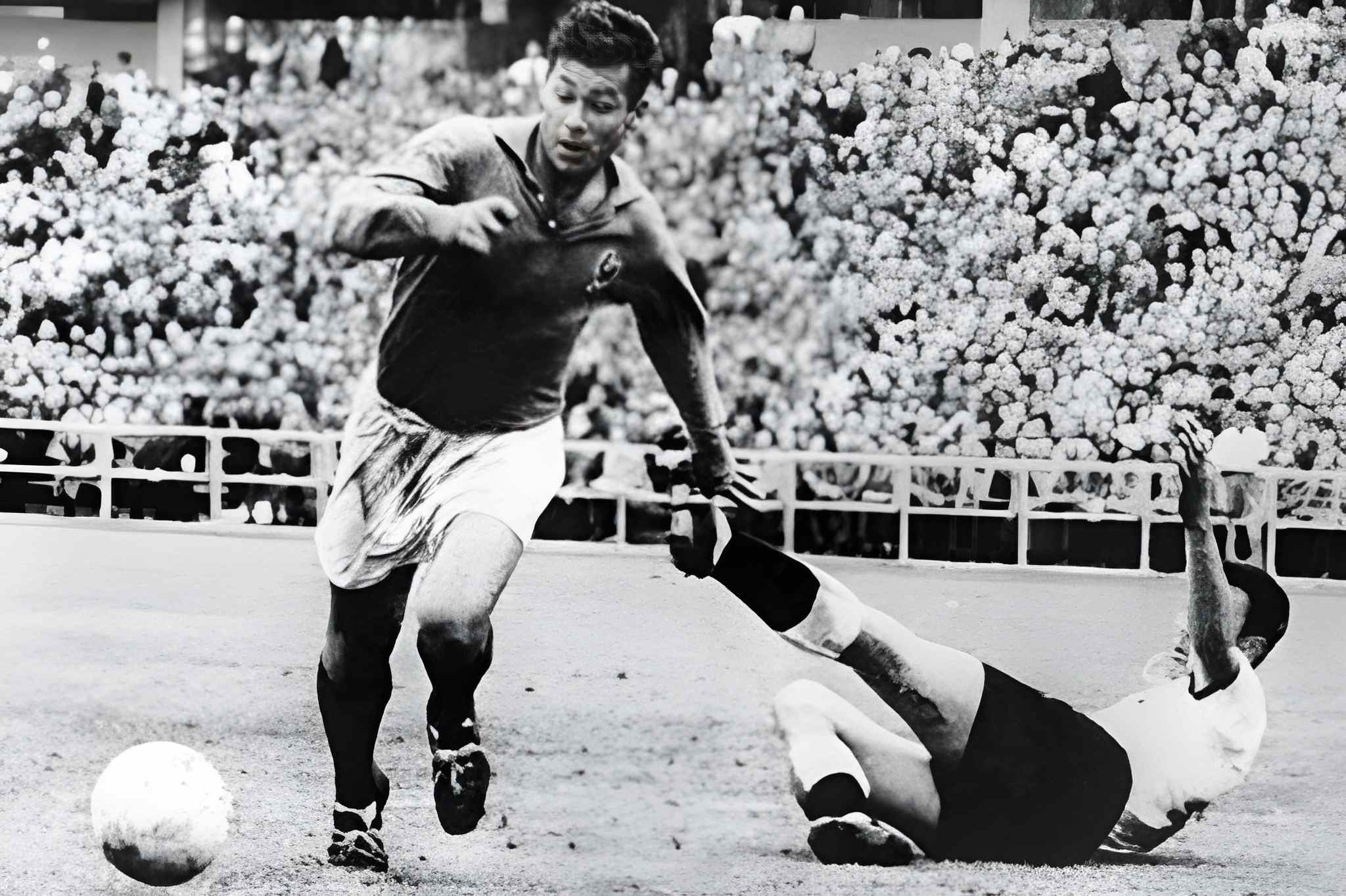
France may have produced Zinedine Zidane, Ribery, or Mbappé, but nobody comes closer to Just Fontaine in terms of FIFA World Cup performances. Though France have only won the World Cup twice, they have been closer to the trophy than most other teams. In the 1958 FIFA World Cup, Just Fontaine scored 13 goals in one season, a record that will likely never be broken.
What makes his performance stand out is that he played with borrowed boots during that tournament. His 13 goals include a spectacular four-goal performance against then defending champions West Germany. In just 6 matches, he scored 13 goals at a scoring rate of 2.17, which is highly unlikely to be matched unless Mbappé, Messi, or Haaland score two to three hat-tricks in the 2026 FIFA World Cup.
Also read || 5 FIFA World Cup Injuries That Changed Careers
Pelé (Brazil) — 12 Goals
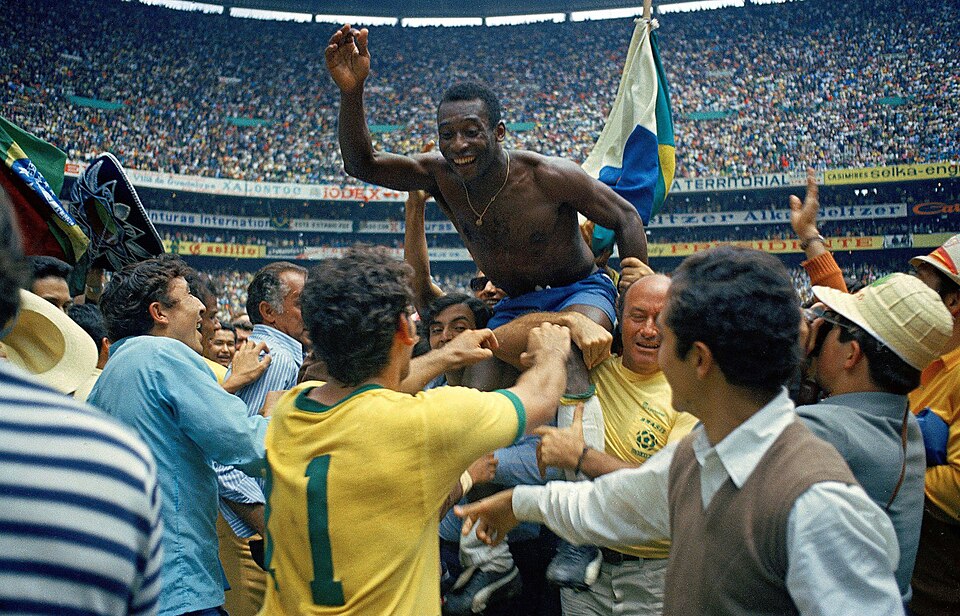
Players may come and go, but Pelé remains football's greatest icon. Edson Arantes do Nascimento, aka Pelé, was raised in São Paulo poverty. He worked as a tea seller to help support his family. In 1956, he was discovered by a Brazilian footballer, Waldemar de Brito, and the rest is history. The legend played four World Cups for Brazil between 1958 and 1970, and played a crucial role in Brazil winning its first-ever FIFA World Cup.
He scored six goals in the 1958 FIFA World Cup and continued scoring until 1970. In 14 matches, he scored 12 goals at a scoring rate of 0.86. Beyond his goal scoring, his artistry and vision redefined Brazilian and World Football entirely. Moreover, he is one of those rare players who played three FIFA World Cups for Brazil and won twice.
How the goal scoring has evolved
Over the past few years, the tournament has shifted drastically. While the old-school football used to feature high-scoring matches and open tactical systems, modern football focuses on defensive organization, complex tactics, and high-intensity pressing. These changes make goal-scoring difficult, which is why stars like Haaland, Mbappé, Ronaldo, or Messi are loved.
On the other side, there are advancements in sports science, nutrition, modern gear, and analytics that help these stars improve their longevity and extend their careers. Historical tracking metrics continue to shift as longevity balances out old-school explosive scoring averages. The race for the historic golden boot remains highly competitive.