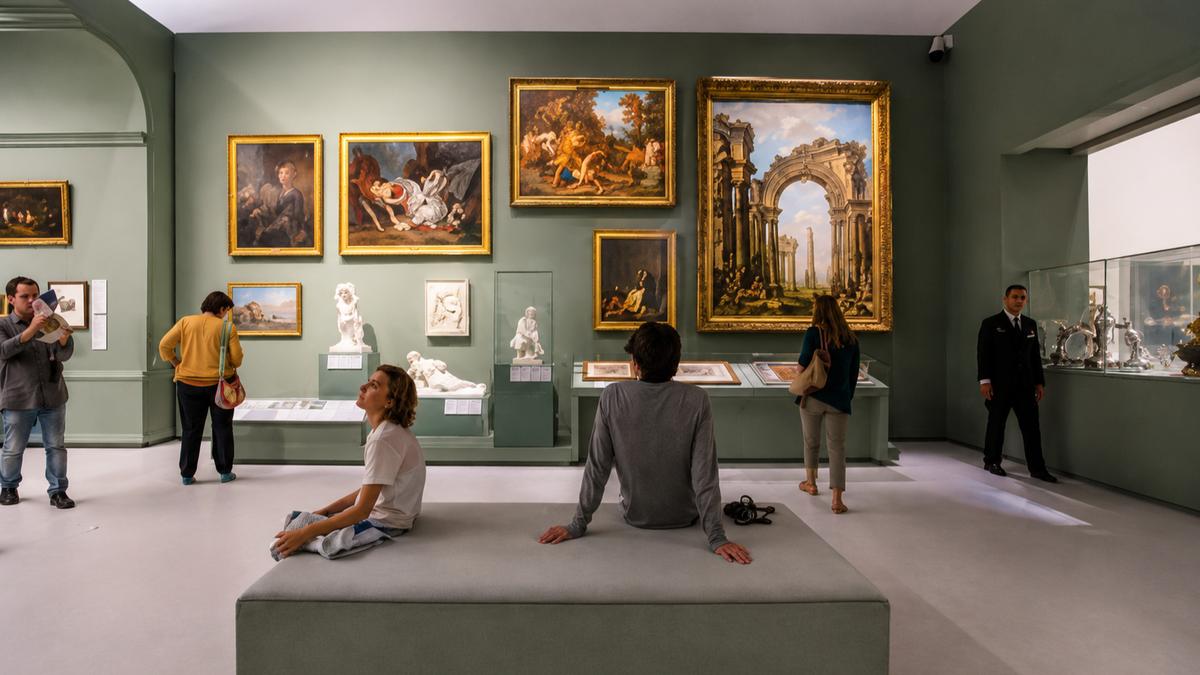
Visiting a museum often feels like a peaceful and enriching experience. People usually walk into a museum expecting to admire beautiful art, learn about history, and enjoy a calm environment. However, after spending an hour or two inside, many visitors begin to feel surprisingly tired. Their feet start to hurt, their backs become stiff, their eyes grow tired, and even the most fascinating exhibits begin to lose their appeal. Some people may even feel sleepy or mentally drained before finishing their visit. This common experience is known as museum fatigue, and it is much more than simple boredom. Scientists and researchers have studied this feeling for more than a century and have found that museums can be physically, mentally, and emotionally demanding in ways many people do not realize.
Also Read: Why Do Some Smells Trigger Memories?
The History of Museum Fatigue
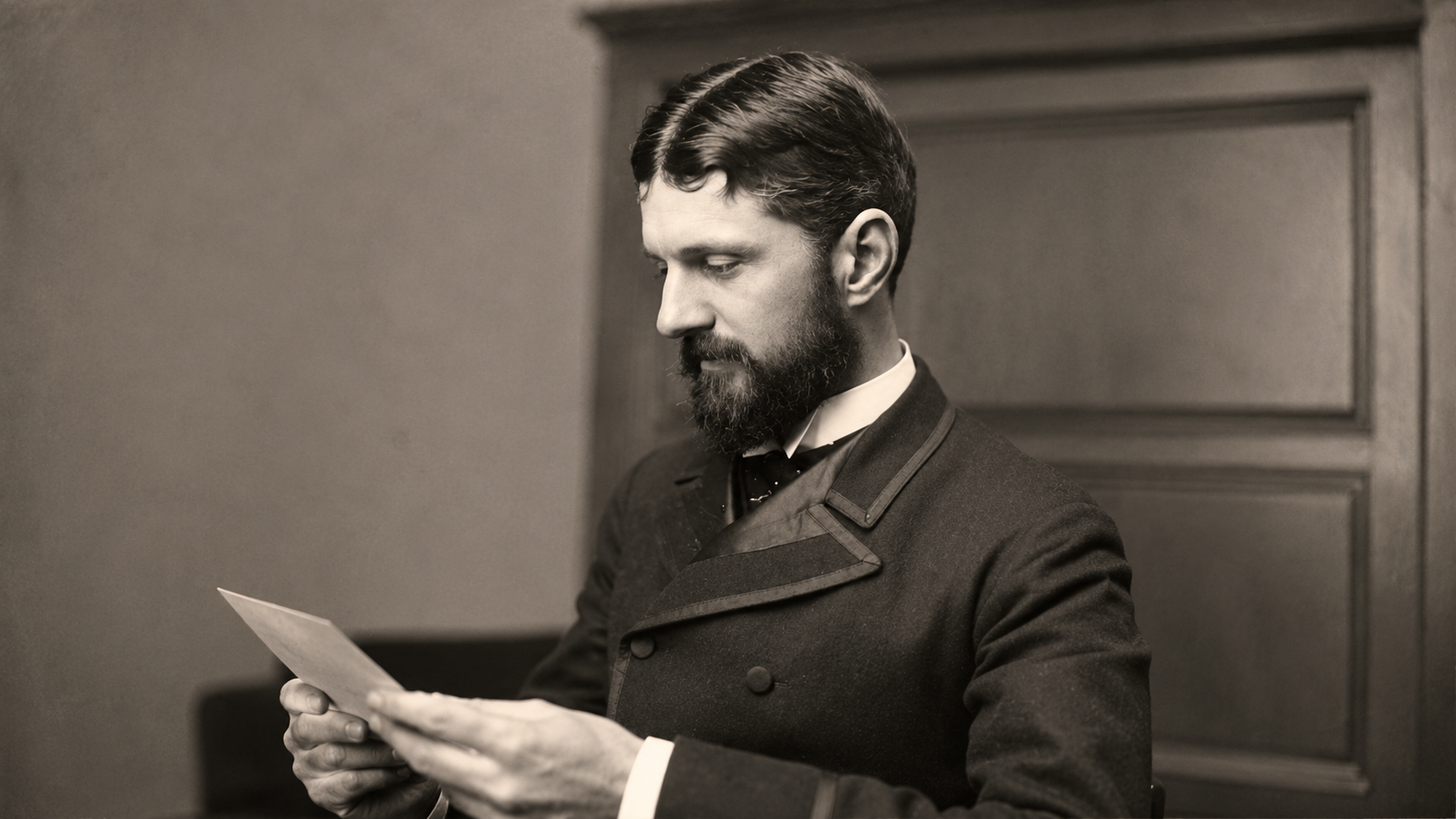
The term museum fatigue was first introduced in 1916 by Benjamin Ives Gilman, an American museum curator and researcher. Gilman noticed that many museum visitors appeared tired, uncomfortable, and less interested as they moved through exhibits. At first, some people believed that visitors simply became bored during museum visits. However, Gilman discovered that poor museum design played a major role in causing this tiredness. In many early museums, display cases were placed too high or too low, forcing visitors to bend down, stretch upward, or tilt their necks into uncomfortable positions. Reading labels for long periods also added to the discomfort. Gilman carefully studied visitor behavior and suggested better ways to arrange exhibits to reduce physical strain. His work helped museums improve how art and information were displayed. Even so, museum fatigue remains a problem today because modern museums are often much larger and contain far more information than museums in the past.
Your Brain Works Harder Than You Think
Many people assume that walking through a museum is a relaxing activity, but the brain is actually working constantly. The human brain uses a large amount of energy every day, even though it is only a small part of the body. In a museum, the brain must process a huge amount of new information. Every exhibit asks the brain to think about what the object is, what it means, whether the description should be read, whether the exhibit is important, and whether it is worth spending more time there or moving on. Making many small decisions one after another causes decision fatigue, which happens when the brain becomes tired from repeatedly making choices. Over time, concentrating becomes harder, and everything can start to feel overwhelming.
Too Much New Information
Museums are full of unfamiliar objects, historical details, and artistic ideas. While learning is exciting, understanding new things requires mental effort. When people see something familiar, the brain processes it quickly because it already understands it. However, when looking at ancient tools, historical artifacts, or abstract paintings, the brain must work much harder to make sense of them. This constant effort to learn and understand can become mentally exhausting. It is similar to studying for many hours without taking a break. Even if visitors enjoy what they are seeing, their brains still become tired because they are working continuously.
The Environment Makes You Sleepy
The museum environment can also affect how the body feels. To protect paintings, documents, and historical objects from sunlight damage, many museums keep their galleries dimly lit. Some museums have very few windows, while others have none at all. Low lighting naturally tells the body that it is time to rest, which can make visitors feel sleepy even if they remain interested in the exhibits. Museums are also usually very quiet places where people speak softly and move slowly. This calm atmosphere may feel peaceful, but it can also make the body relax too much and increase feelings of tiredness. In addition, the eyes can become tired because visitors spend long periods focusing on nearby objects such as paintings, labels, and display cases. Unlike outdoor spaces, museums rarely give the eyes a chance to focus on distant objects, which can cause eye strain.
Standing and Walking Are More Exhausting Than Expected
Physical discomfort is another major reason for museum fatigue. Most museums have hard floors made from materials such as marble, stone, or concrete. These surfaces are strong and easy to maintain, but they are not comfortable for people who spend hours walking or standing. Unlike softer surfaces, hard floors do not absorb impact, so every step places pressure on the feet, knees, and back. Museum visitors also tend to move slowly, stopping often to look at displays or read information. Surprisingly, slow walking and standing still for long periods can feel more tiring than normal walking. When a person stands for too long, blood can collect in the lower legs and feet, causing heaviness, swelling, and discomfort. This is why many visitors feel as if their feet have become much heavier by the end of the visit.
Information Overload
Modern museums are designed to provide rich and engaging experiences. Many include interactive exhibits, audio guides, videos, special effects, and very large collections. While these features can make museums more exciting, they can also create information overload. During a visit, the brain receives constant input from artwork, written descriptions, sounds, background noise, crowds, and movement. Processing so much information at once can overwhelm the brain, making it harder to focus, think clearly, and enjoy the experience.
Also Read: Are You Overthinking Lately? Try These 5 Tricks to Fix It
Emotional Exhaustion
Museums can also be emotionally demanding. Historical museums may tell stories about war, tragedy, suffering, disasters, or human loss. Art museums may display powerful works that make visitors think deeply or remember personal experiences. Processing emotions also uses mental energy. This means museum fatigue is not only physical and mental but also emotional. A visitor may leave feeling emotionally drained without fully understanding why.
How Museums Are Improving
Many modern museums recognize the problem of museum fatigue and are making changes to improve visitor comfort. Some museums now provide more seating areas so visitors can rest during their visit. Others have improved lighting, created rest spaces with natural light, designed easier exhibit layouts, organized information more clearly, and added cafés or relaxation areas. These improvements help visitors enjoy museums for longer periods without becoming overwhelmed or exhausted too quickly.