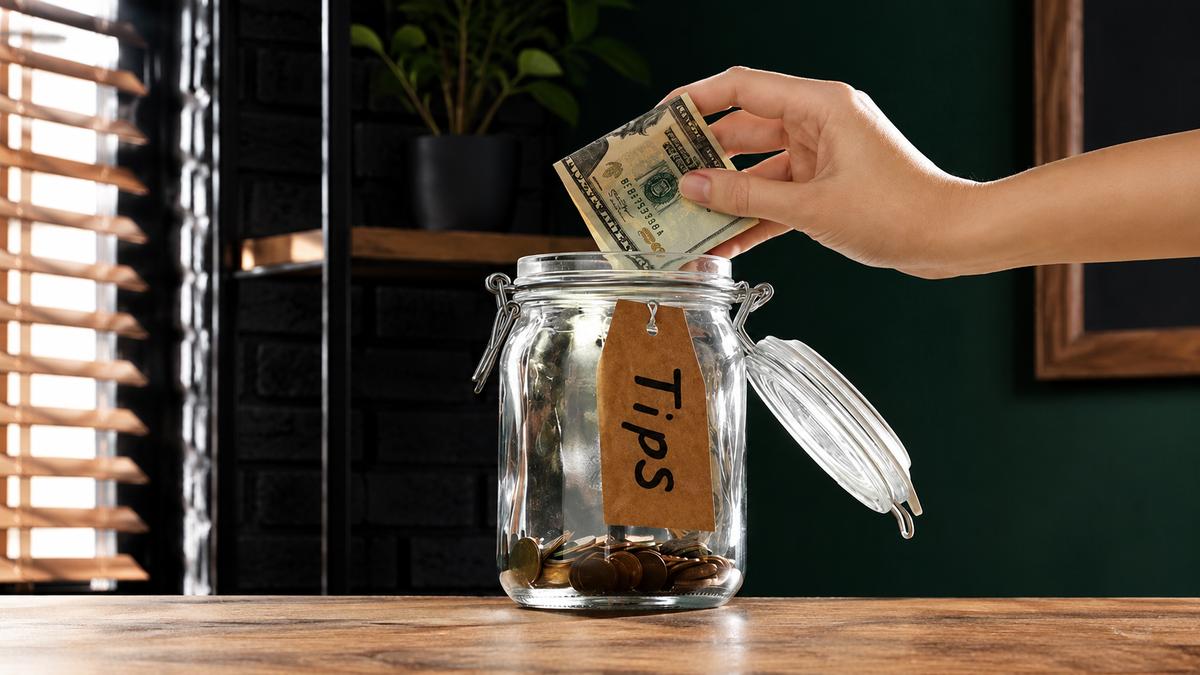
In the United States, tipping is a normal part of daily life. At restaurants, coffee shops, salons, hotels, and even self-service counters, customers are often asked to leave extra money for workers. Many people add 15 to 20 percent to a restaurant bill without thinking much about it. However, tipping was not always common in America.
It started as a small reward for good service, but later became a way for businesses to pay workers very little. Its history is linked to unfair treatment, race, and low pay. Today, people often see tipping as a way to say thank you for good service, but for many workers, tips are not extra money. They are an important part of their regular pay.
Also Read: From Stone Tablets to Smartphones: The Evolution of Restaurant Menus
How Tipping Started in Europe
Tipping began in medieval Europe. Rich people gave servants and workers a few extra coins for good service. These small payments were meant to show thanks. A servant who worked hard or treated guests well might receive extra money. Over time, tipping became common in hotels and restaurants in Europe. People were expected to give small amounts of money to waiters, drivers, servants, and other workers.
In the 1800s, rich Americans who traveled to Europe saw tipping as a stylish practice. When they returned to the United States, they brought the idea with them. They thought tipping made them look wealthy and well-traveled. However, many Americans did not like it because they believed employers should pay workers fairly instead of making customers give them extra money.
Tipping Comes to the United States
Tipping became more common in the United States after the Civil War. Slavery had ended, but many formerly enslaved Black Americans still faced unfair treatment and had few job choices. Many Black workers found jobs in railroads, hotels, restaurants, and private homes. These jobs often paid very little. Employers saw that if customers gave workers tips, businesses could pay workers less.
Instead of treating tips as extra money for good service, employers used them to replace wages. Customers were expected to help pay workers. This was unfair because workers had to depend on customers to earn enough money for food, rent, and other needs. Their pay could change every day depending on how many customers they served and how much people tipped.
The Pullman Porters and Low Pay
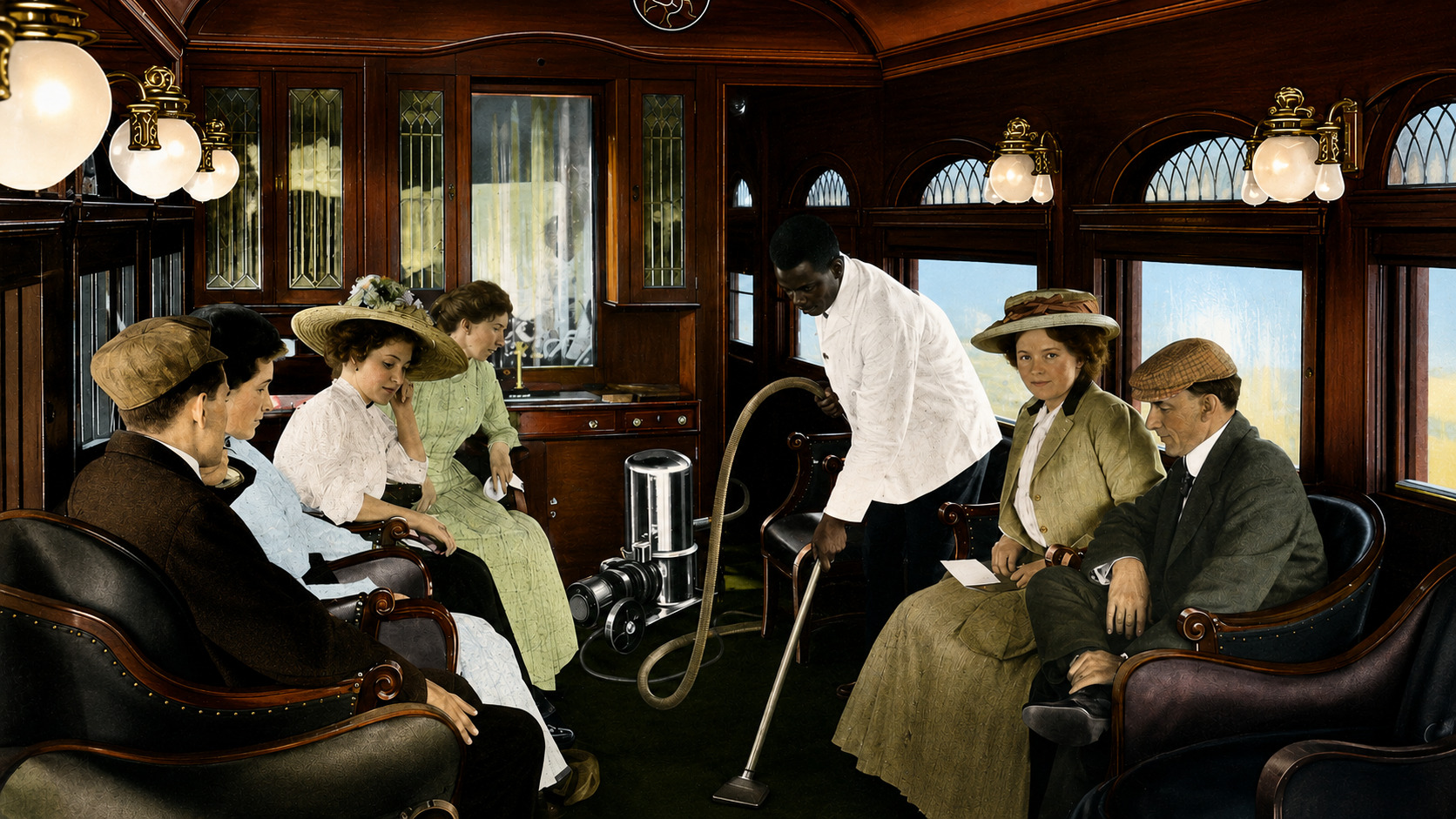
One well-known example of early tipping involved the Pullman Company. The company ran luxury sleeping trains and hired African American men as porters. Many of these workers had been enslaved before or came from families affected by slavery. Pullman porters carried bags, cleaned train cars, served passengers, made beds, and helped travelers during long trips. They worked long hours and had to stay polite and helpful all the time. However, they were paid very little. The company expected them to earn most of their money through tips from passengers.
For passengers, tipping a porter may have seemed like a kind act, but for the workers, tips were needed to survive. Without tips, they often could not earn enough money to support themselves or their families. The Pullman porter system showed how tipping could keep workers dependent on customers instead of paying them fairly. It also showed the unfair treatment of Black workers, who were often placed in low-paying service jobs with few chances to get better jobs.
Why Many Americans Did Not Like Tipping
In the late 1800s and early 1900s, many Americans strongly disliked tipping. They believed it created an unfair relationship between workers and customers. People said tipping forced workers to act very thankful, polite, and obedient to earn money. Instead of being paid fairly for their work, workers had to please customers to receive tips. Some people believed tipping went against American ideas of fairness and freedom. The United States was supposed to support equality and independence, but tipping made workers depend on rich customers.
Writer William Scott spoke against tipping in his 1916 book, The Itching Palm. He said tipping created a relationship like “master and slave.” His words showed how strongly some people felt about tipping. Several states, including Georgia, Iowa, South Carolina, Tennessee, and Washington, tried to ban tipping in the early 1900s. These laws were meant to stop businesses from making customers pay workers. However, restaurant owners and business groups fought against these laws. They said tipping was important for the service industry. Over time, the laws were removed or not followed, and tipping became more common.
Also Read: Why Do We Call It a “Pair” of Pants?
The Tipped Minimum Wage
The federal minimum wage began in 1938. At that time, it was 25 cents per hour. But many workers were not included in the law, including many restaurant and service workers. This meant employers could keep paying tipped workers very low wages. Workers were expected to earn the rest through tips. In 1966, tipped workers were added to federal wage laws. But they did not receive the same minimum wage as other workers. Their basic pay was only half of the regular minimum wage. In 1991, the federal tipped minimum wage was set at $2.13 per hour, and it has stayed the same since then.
The law says employers must pay more if a worker’s tips do not bring them up to the regular minimum wage. For example, if a worker earns only $2.13 per hour plus tips and does not reach the full minimum wage, the employer must pay the difference. But this rule is not always followed. Some workers may not know their rights, while others may be afraid to complain because they could lose work hours or lose their jobs. Because of this, many tipped workers have unstable pay. Their income depends on busy shifts, customer behavior, weather, holidays, and the economy.
Tipping and Race
The history of tipping is also linked to unfair treatment based on race. After slavery ended, many Black Americans were pushed into low-paying service jobs. Employers used tipping to avoid paying them full wages. Even today, Black workers are more likely to work in lower-paying restaurant jobs, such as washing dishes, preparing food, cleaning, and helping in the kitchen. These jobs often receive fewer tips than jobs like serving or bartending.
Black workers may also face unfair treatment from customers. Tips can be affected by race, gender, looks, age, and other personal things. This means workers may not be judged only by how well they do their job. The COVID-19 pandemic made things worse for many restaurant workers. Restaurants closed, work hours were cut, and fewer people ate out. Workers who depended on tips often lost much of their income.
Why Ending Tipping Is Not Easy
Many people think the answer is simple: restaurants should pay workers a fair wage and end tipping. But changing the system is not easy. If restaurants paid workers more, they would probably raise menu prices. Some customers may not like paying more for meals, even if the final cost is close to what they would have paid with a tip. Some servers also like tipping because they can earn more money during busy shifts.
In popular restaurants, a server may earn more through tips than through a fixed hourly wage. For workers living close to poverty, tips can make a big difference. A busy Friday or Saturday night can help them pay rent, buy food, or handle an emergency. But this also shows the problem with the system. Workers should not have to depend on a busy weekend or kind customers to afford basic needs.
States Trying to Change the System
Some states have taken steps to help tipped workers. California, Washington, Oregon, Nevada, Alaska, Minnesota, and Montana do not allow employers to use a tip credit. A tip credit lets employers pay tipped workers less than the regular minimum wage because they are expected to earn tips.
In states without a tip credit, employers must pay workers the full minimum wage before tips. Tips are then extra money, not money needed to reach the minimum wage. People who support this system say it gives workers more stable pay. They believe tips should be a reward for good service, not something workers need to survive.
Also Read: 8 Tips to Create a Summer Vacation Your Kids Will Truly Enjoy
The Future of Tipping Culture

Tipping is changing in the United States. Digital payment screens now ask customers for tips in many places, including coffee shops, takeout counters, food trucks, and stores. This has made many people feel tired of being asked to tip everywhere. Customers may feel pressure to tip even when they are not receiving table service. At the same time, workers still face low pay, rising living costs, and uncertain work hours. The debate about tipping is not only about whether customers should leave extra money.
It is also about who should be responsible for paying workers fairly. Should customers continue to help pay workers’ wages, or should businesses pay workers enough money without depending on tips? The history of tipping shows that it is more than a simple thank-you. It is connected to work, race, money, and unfair treatment. Whether the United States changes the system or keeps it, the real cost of a meal is much more than the price on the menu.