The Earth is a fascinating place with various cultures, traditions, and belief systems that might look puzzling externally, but, intrinsically, they have meaning. When you understand the history, climate, geography, grief, or the love behind them, these rituals start to look different. With a history of over 300,000 years, humans have come a long way.
In this article, we are not here to judge or rank cultures or traditions based on our prejudices, stereotypes, or beliefs, but to explore them from a wider perspective. "What if we looked a little deeper and closer?" is all we ask.
Also read || What Wabi-Sabi Teaches Us About Letting Go
The Himba of Namibia: Beauty Made from the Earth
%20Flickr.jpg)
Namibia, a country in southern Africa, is a place to explore if you love ethnic cultures. The Himba people of northern Namibia cover their skin and hair in a deep red paste called otjize, made from butter, fat, and ochre. Seems unusual? But in a place as hot and dry as Namibia, it functions partly as a natural sunscreen, insect repellent, and skin protector. They also sometimes use smoke baths instead of water, which is scarce. It is not the lack of hygiene, but survival, adapted into a centuries-old beauty ritual.
The Toraja of Indonesia: When Funerals Are Acts of Love
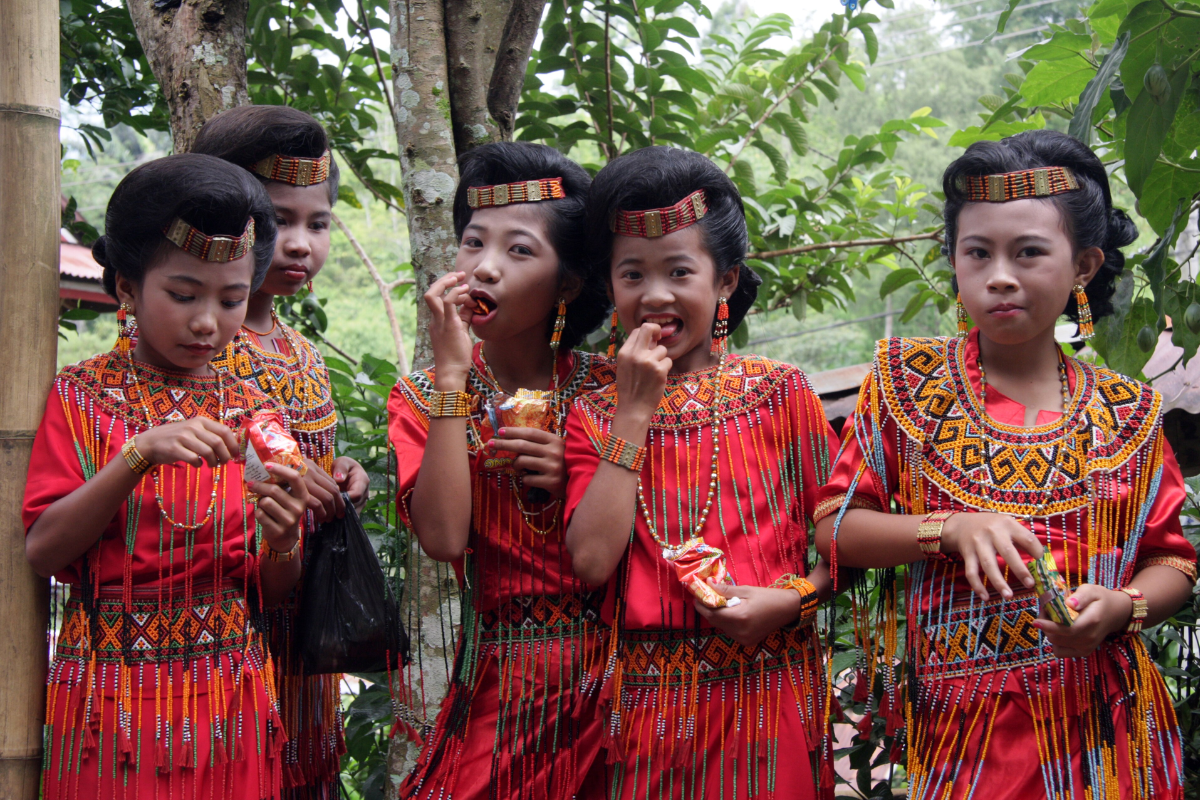
The most fascinating rituals are around funerals across the world. In Sulawesi, Indonesia, the Toraja people observe two distinct yet interconnected traditions surrounding death. Initially, the deceased may remain at home for weeks or months while the family saves for a proper funeral. The funeral is a unique multi-day ceremony involving music, buffalo sacrifices, and feasting. Interestingly, Toraja people don't consider honoring the dead as a one-time event. They have the Ma'nene ceremony, where they exhume and re-dress the ancestors years later as an act of continued respect.
Also read || Why is Cinco de Mayo Celebrated?
Brazil's Sateré-Mawé: Pain as a Rite of Passage
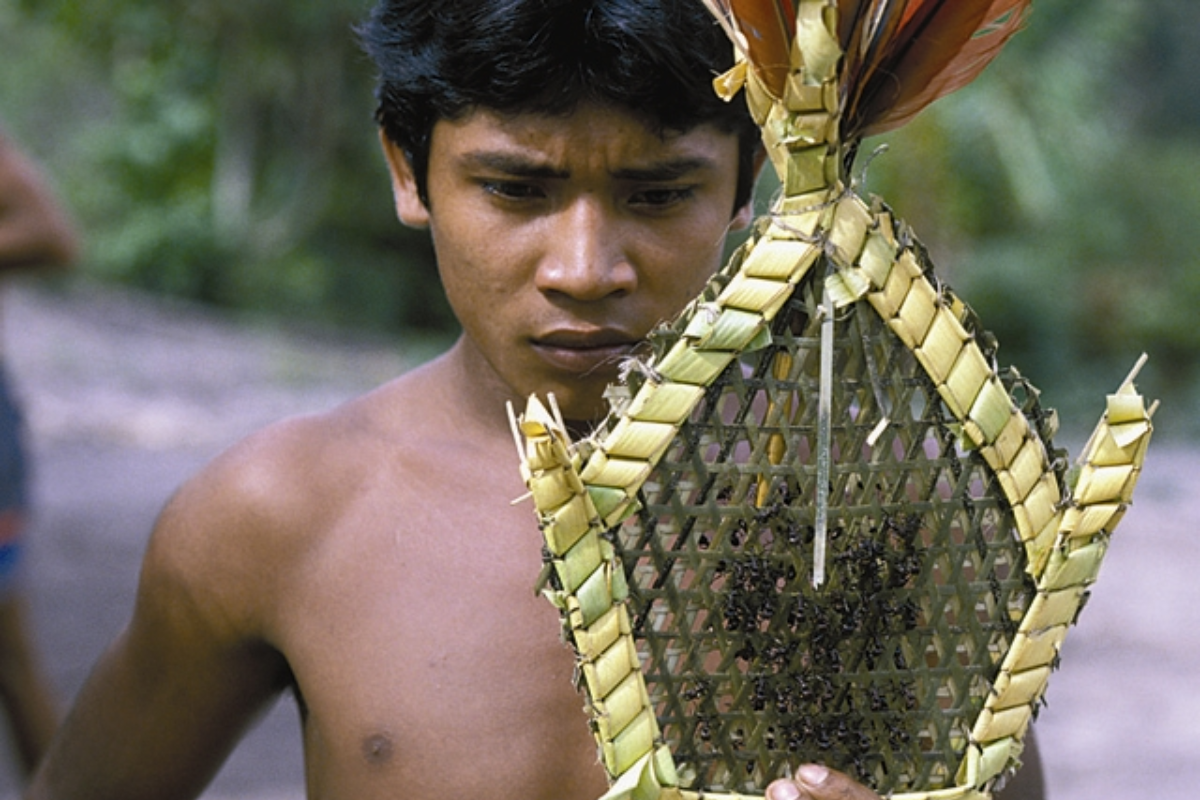
South America is home to a diverse blend of cultures. Deeper in the Amazon, young men of the Sateré-Mawé tribe mark the passage into adulthood by wearing gloves filled with bullet ant stingers - whose single sting is considered one of the most painful experiences in the insect world. They wear those gloves for ten minutes, sometimes repeating the ritual over months. It is a deliberate test of stamina and mental toughness rather than an act of cruelty. A way of saying "You're ready for the life ahead".
Ethiopia's Mursi: Lip Plates and the Status Language
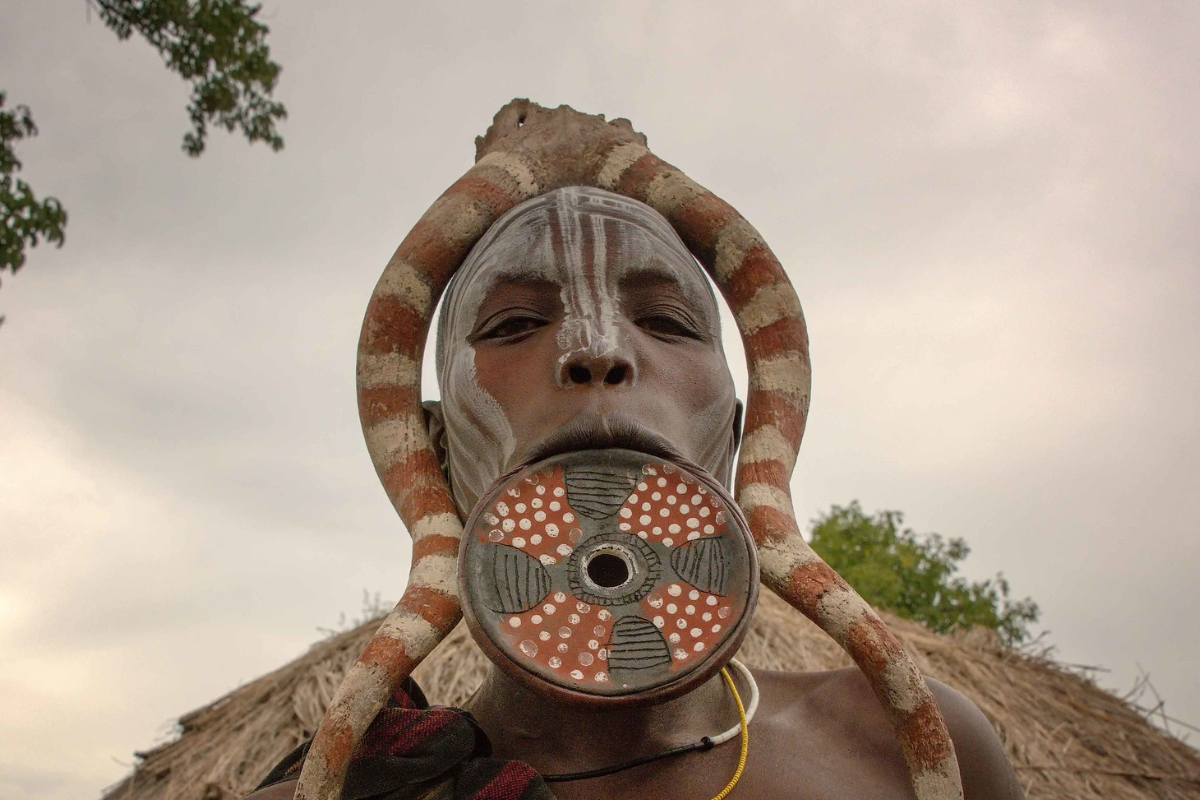
Every tradition is unique and deserves recognition. You may have seen the Mursi women of southern Ethiopia, often photographed for their large clay lip plates, but the images rarely include context. The plates serve as markers of social status, identity, and womanhood within their community. Girls typically begin the process around adolescence, shaped by deep cultural expectations - much like beauty standards elsewhere in the world, it carries its own social weight. As traditions are evolving, some Mursi women are moving away from the practice today.
The Famadihana of Madagascar: Dancing with Those Who Came Before
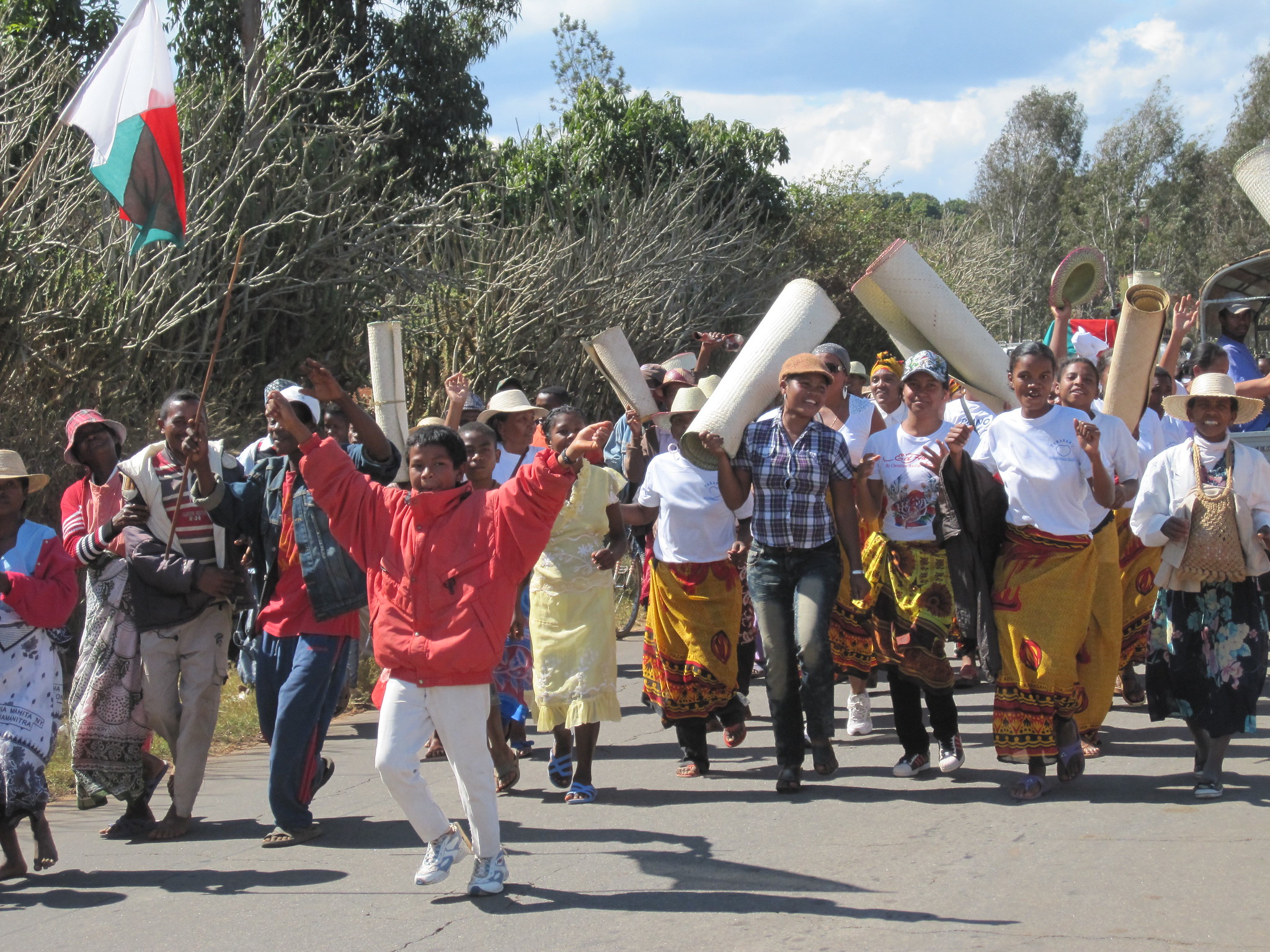
Every few years, the Merina and Betsileo highland communities of Madagascar hold a ceremony called Famadihana, which means "turning of the bones." Families dig out the remains of their ancestors, cover them with brand-new silk, and celebrate with storytelling, dancing, and music. Far from being dreadful, it is one of the most joyful events on the community calendar. The purpose of this event is to maintain a living relationship with ancestors, keeping them present, honored, and loved even after death.
Also read || 5 Spots You’ve Never Seen On Your Instagram Feeds
The Ainu of Japan: Returning the Spirit of the Bear
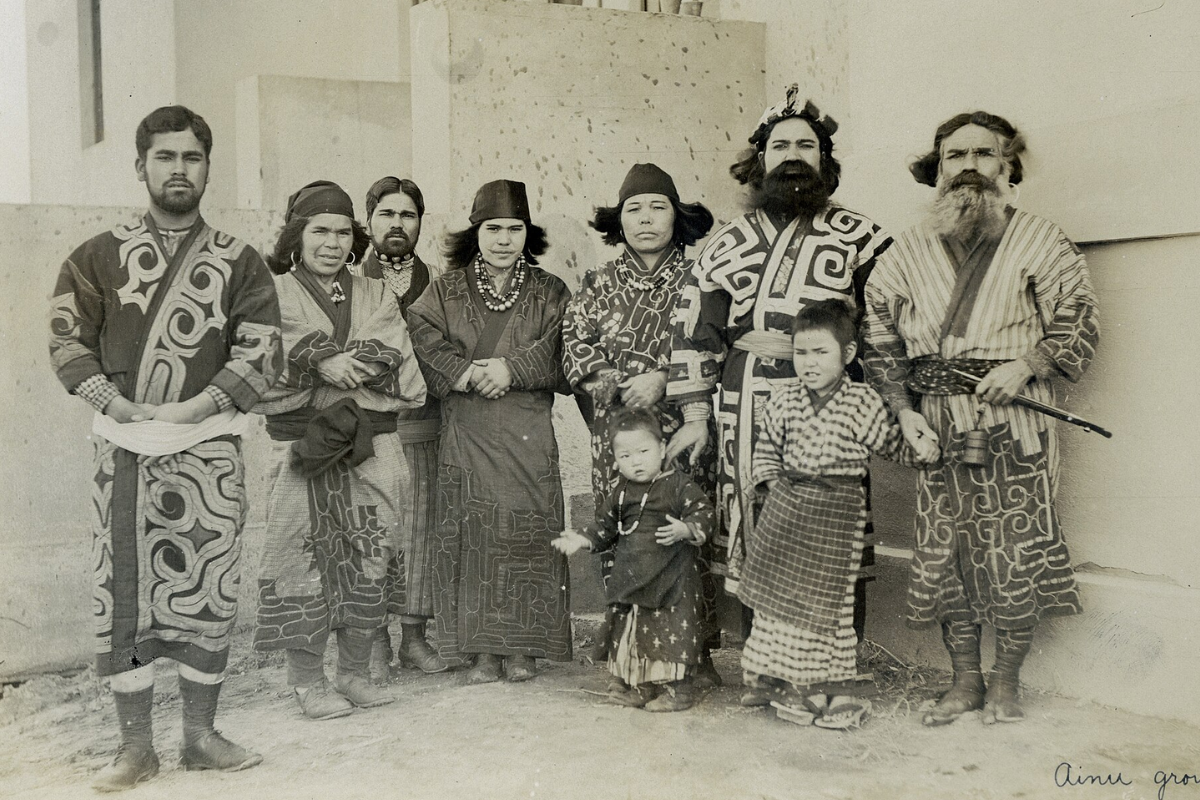
We talk about Japan's omotenashi hospitality, matsuri festivals, hanami and tea ceremonies, but rarely about the indigenous community of northern Japan. The Ainu people historically practiced a ceremony called Iyomante, in which a bear cub was raised close to the community and then ceremonially sacrificed. Ainus believed that a bear is a god (kamuy) temporarily inhabiting an animal body, and sacrifice was a way to return its spirit to the divine world, with gratitude and celebration. However, in 1955, the Japanese authorities banned the full hunting‑and‑sacrifice form of Iyomante. Still, symbolic or culturally adapted versions are sometimes revived today as part of Ainu heritage‑preservation efforts.
Also read || Three Generations, One Trip: Mastering Multigenerational Travel In 2026!
The Mentawai of Indonesia: Teeth as a Form of Beauty
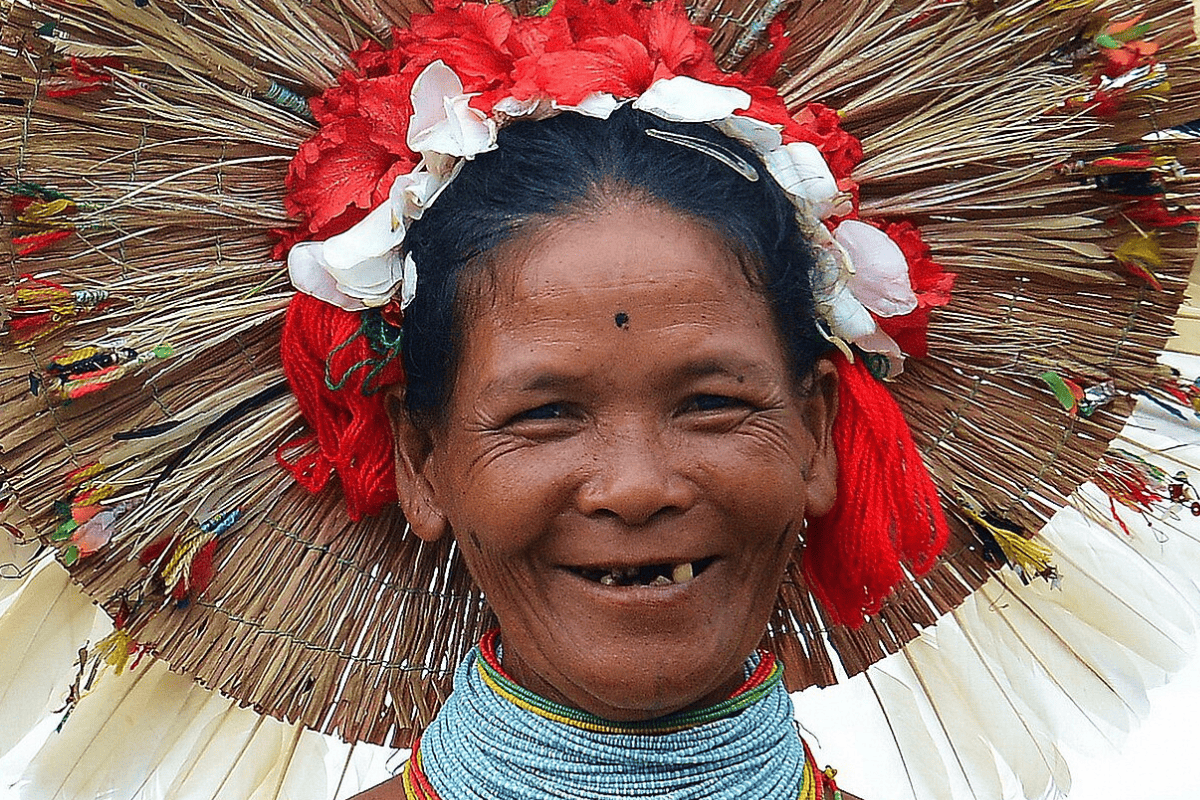
The Mentawai people of the Sumatra Islands, men and women, traditionally file their teeth into sharp, pointed shapes. Sounds weird? In a world where white, straight teeth are marked as the beauty ideal, it may appear strange. However, the beauty standards change with geography, and Mentawai people consider sharp teeth as more beautiful - and in more tune with nature. It is thought that this exercise is a spiritual act that aims to balance the body and the soul.
What is common between all these traditions?
Every one of the above-mentioned traditions was born out of belief, environment, identity, or love. It does not exist for no reason. When you or I encounter something unfamiliar, the easy response is to label it as strange or weird. But the hard question to ask is Why? What is the story behind this?
Once you understand the world's cultures and traditions, you don't create false notions about people who are different from you. Nobody is forcing you to agree with everything. All you need is to be curious enough to look beyond the surface and be humble enough to know that what's normal for you is different for them and vice versa.