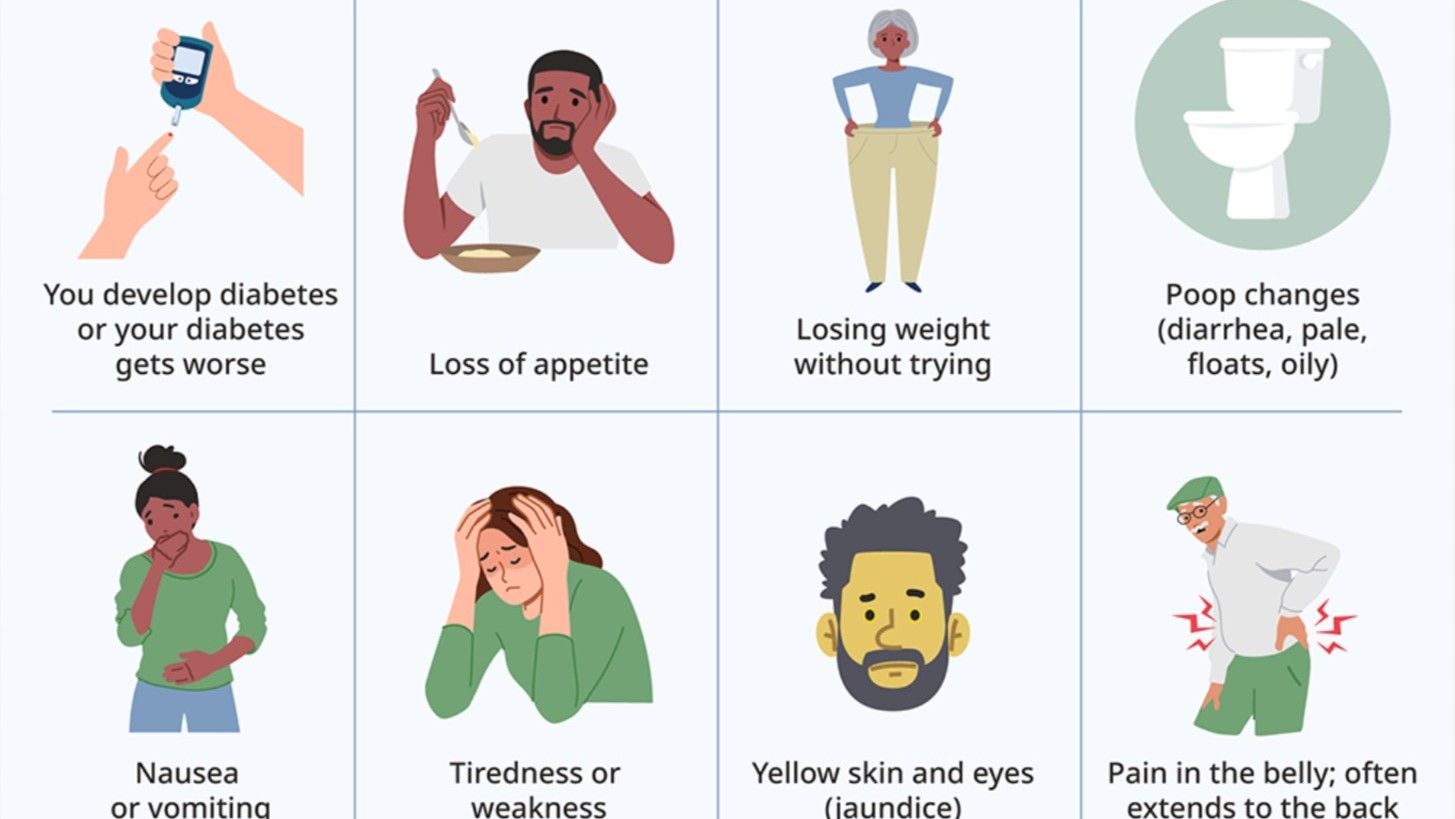
Pancreatic cancer is notoriously known as a “silent killer.” As this type of cancer rarely shows symptoms in its early stages, over 85% of patients are diagnosed after the disease has already spread, limiting treatment options and leading to low survival rates.
However, a groundbreaking shift in medical technology is rewriting this narrative. Researchers are now applying AI in detecting pancreatic cancer up to three years earlier than traditional diagnosis methods.
REDMOD AI Detects ‘Invisible’ Signs
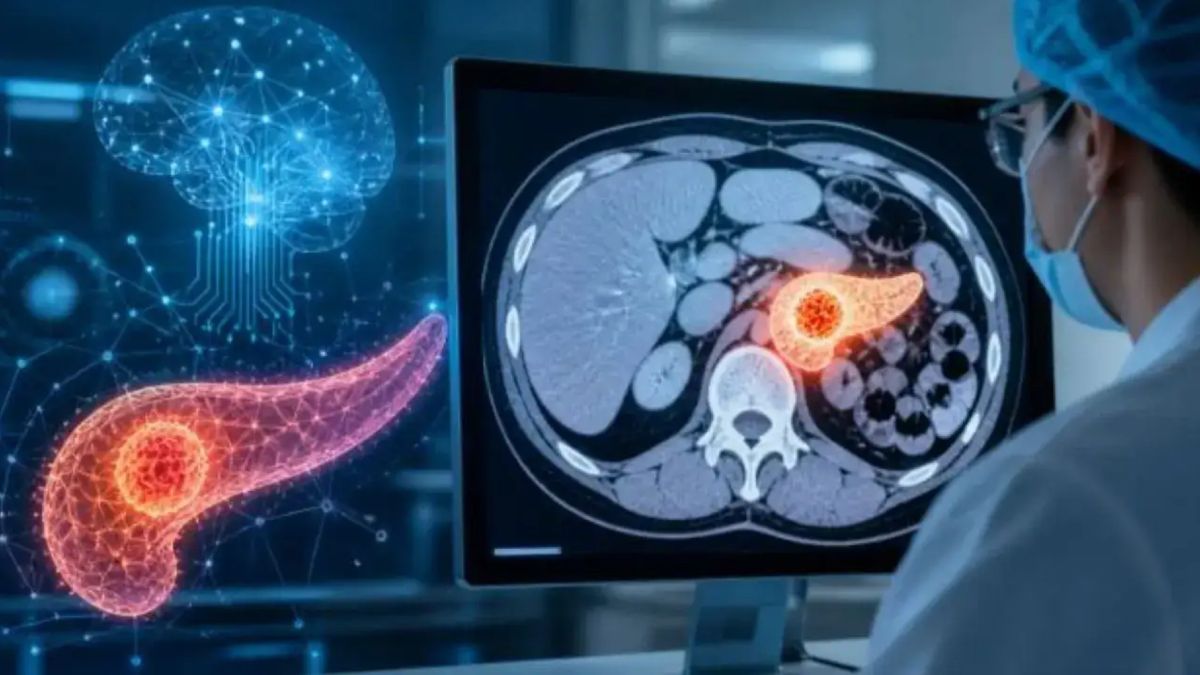
A researchers team from the Mayo Clinic and University of Texas MD Anderson Cancer Center recently validated an AI system known as the “Radiomics-based Early Detection Model.” It demonstrated the ability to spot signs of pancreatic ductal adenocarcinoma, the most common and lethal form of the cancer.
Key Findings Of The Study
REDMOD identified signs of cancer in CT scans taken up to 36 months before the patient even received a clinical diagnosis.
The AI model is successful to spot nearly 73% of pre-diagnostic cancers, which is almost twice the detection rate of human radiologists reviewing the same images.
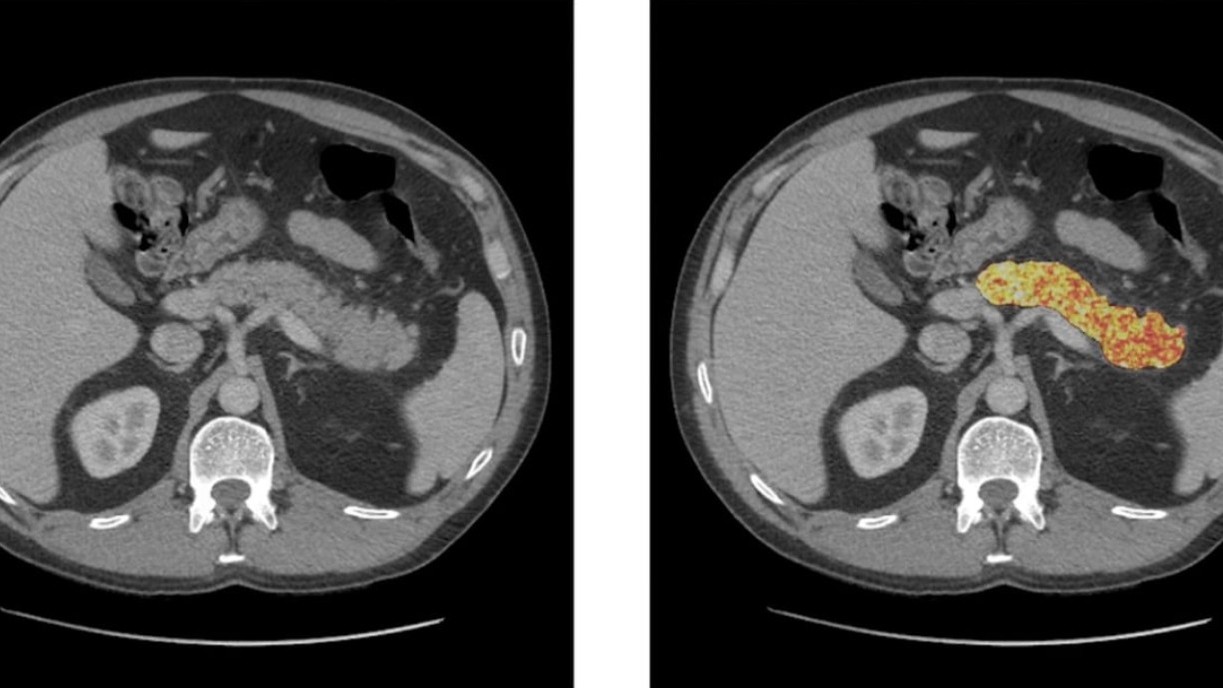
The AI analyses hundreds of subtle tissue textures and radiomic signatures, texture/structure patterns, that are “visually occult” or invisible to the human eye.
What Is The Impact?
Traditionally, pancreatic cancer is found when a patient becomes symptomatic, usually at Stage III or IV. With this new landmark study, AI is now changing this by enabling pre-clinical interception.
Analyzing ‘Normal’ Scans
The most remarkable aspect of this technology is its ability to re-examine abdominal CT scans that were previously interpreted as “normal” or “unremarkable” by radiologists. The AI detects cancer signatures in these “normal-appearing” pancreas.
Routine Screening
Presently, researchers are developing AI tools that can integrate into routine imaging workflows. This implies that a scan done for a health issue, such as back pain or just a normal check-up, could simultaneously be screened for early signs of pancreatic cancer.
Boosting Survival Chance
Present data suggests that using AI to detect pancreatic cancers will double survival rates. Early detection means that the surgeons can remove tumors while they are still in the curable stage.
Also Read: Is Your Snack Timing Ruining Your Metabolism?
What Does This Mean For The Future?
While this technology is still in the validation phase, with studies like AI- PACED assessing its integration, the implications are considered profound.
This modern technology is effectively promising for high-risk groups such as those with newly diagnosed diabetes. The AI works on standard CT scans, not on just expensive, specialized tests.
In the near future, this AI could be applied to routine abdominal CT scans taken for unrelated reasons, such as kidney stones, routine check-ups, ensuring that silent pancreatic cancers are caught before even symptoms appear.