The primary reason your home-cooked meals do not match with the recipe is the common gap experienced in exact ingredient handling, pan selection and flavor balancing. Millions of people follow online instructions perfectly, only to end up with a finished dish that tastes completely flat, boring or uninspired. For a moment, you can think of yourself as a bad cook but that's not the case. The real issue is that written recipes are brief, subjective roadmaps that cannot account for the unique environment of your kitchen. By mastering the structural science of everyday food preparation, you can discover how to make home cooking taste better and achieve results every single time.
Why Does My Food Taste Different Compared To The Recipe?
The absolute common complaint among the beginner home cooks is that their final creations lack the punchy and depth, often seen in restaurants. For instance, you might question yourself, “why does my food taste bland," the answer is simple as it always comes down to how and when you apply salt. The trick applied by professional chefs is that they do not dump salt into a boiling pot at the very end of a cooking session. Instead, they season every individual layer of ingredients from the exact moment they hit the hot pan. They add salt to the initially cut onions and other aromatics, apply another layer to the protein and vegetables and finish it with a final adjustment to the simmering liquid.
While cooking, remember that one teaspoon of fine, dense table salt contains nearly twice the sodium content of a teaspoon of flaky kosher salt. If a chef tested their dish using a light kosher brand and you use that level of standard table salt, your food will taste radically different. So, always prioritize tasting your food as you cook it, ensuring that flavors develop deep inside the ingredients rather than just sitting on top.
Quality Of The Ingredients Impacts The Final Taste
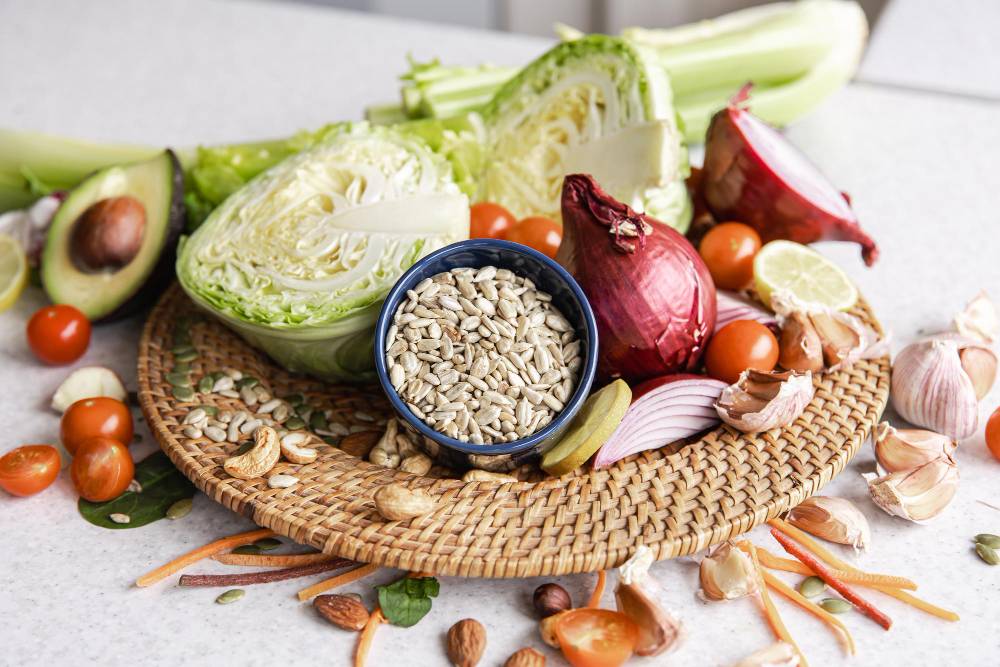
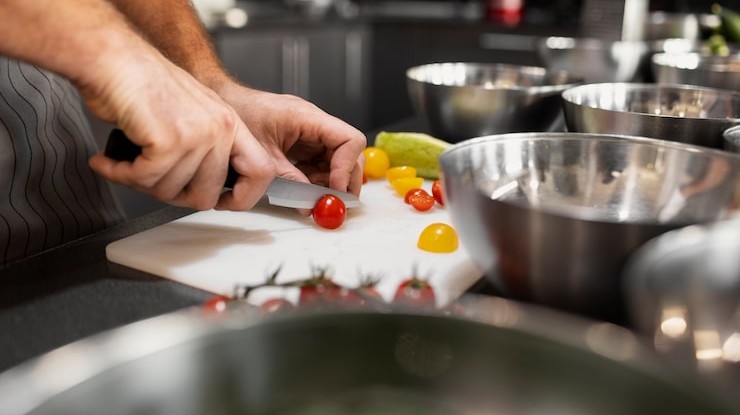
Chefs always use premium, ultra fresh items that carry a high concentration of natural sugars, fats and organic compounds. In everyday life, we often use the budget friendly products which have an automatic impact on the taste as it will naturally lack the vibrant notes as promised by the author. For instance, a jar of dried oregano that has sat in your pantry for two years loses its essential flavor and will taste like dust as compared to fresh options.
Sodium, sugar and preservative levels also vary wildly. So, try to avoid these common recipe mistakes by replacing the old and dried spices with fresh bunches of parsley, basil or cilantro at the very end of your cooking. By paying close attention to the source and age of your foundation ingredients, you can expect a massive difference in getting the intended flavor profile.

The Missing Element In Home Cooking
When a dish feels heavy, dull or unexciting despite adding plenty of salt, it is usually because the food lacks structural acidity. Acid gets a natural flavor magnifier that cuts through the heavy fats and wakes up the human palate instantly. Professional kitchens make it mandatory to keep acidic ingredients like lemons, and various gourmet vinegars within arm's reach at every single cooking session. If you are making a soup or a sauce at home but it tastes flat right before serving it, do not reach for the salt shaker again. Instead, stir it in a tiny teaspoon of fresh lemon juice, apply cider vinegar or red wine vinegar and then taste it for the second time, you will see the difference.
Different acids have unique properties and they are used depending upon the specific profile of the meal you are preparing. For example, fresh lemon juice cuts through heavy dairy and adds a bright, clean pop of flavor to creamy pastas, fried fish and roasted green vegetables. On the other hand, apple cider vinegar adds a subtle, fruity sweetness while breaking down the rich, heavy fats in hearty stews, braided pork and barbeque sauces. Similarly, rice vinegar delivers a mild and a smooth tang without overpowering delicate ingredients in stir-fries and Asian-inspired glazes. You will be quite amazed after observing how quickly a tiny splash of acid transforms a boring meal into something truly memorable.
Also Read: Try These Refreshing Iced Tea Recipes This Summer
Kitchen Equipment & Appliance Differences
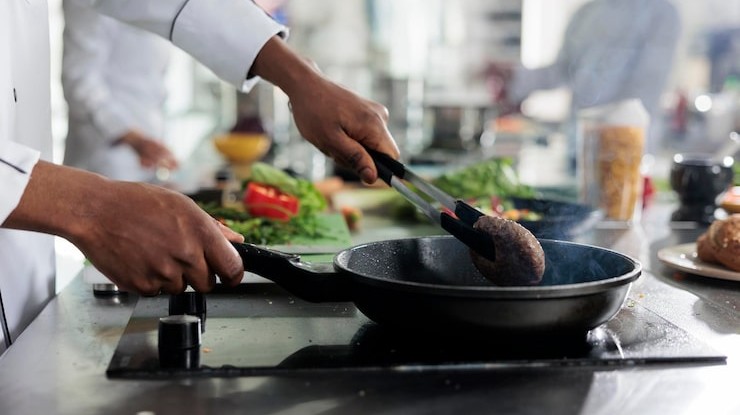
Your specific kitchen tools play a massive, unseen role in determining how well heat transfers into your raw ingredients. Home ovens fluctuate significantly, meaning your specific appliance might run much hotter or cooler than the chef’s kitchen equipment. The exact material of your cookware also changes the way heat is distributed, as heavy cast iron transfers heat uniformly for deep wearing and excellent browning. Thin aluminium pans, on the other hand, creates random hot spots and rapid temperature changes that easily burn your food.
Another classic mistake that ruins the texture of your dinner is using a pan that is too small for your ingredients. When you make a small pan crowded with too many chopped vegetables or pieces of meat, moisture cannot escape clearly. Instead of searing and browning, your food ends up steaming in its trapped liquids, turning grey and mushy. So, always ensure that the ingredients which you add have plenty of breathing space across the surface of the cooking pan so that the moisture evaporates instantly.
Also Read: Why Italian Food Feels Like A Love On A Plate
Quick Troubleshooting Tricks For Better Flavor
To easily fix your food when it does not match the expectations, you can use a few simple tricks based on core flavor profiles. For instance, if the dish tastes flat or dull, stir in a small splash of fresh citrus juice or white wine vinegar to brighten the profile. Whereas, if it tastes too acidic, balance the sharp notes by stirring in a tiny pinch of white sugar, honey or a pat of unsalted butter. If you find that the final product tastes too bitter, don't panic. Instead, neutralize the bitterness by adding a rich fat, like olive oil, sour cream or grated cheese. Finally, if you notice that the texture is dry, it means that you likely cooked it for a set number of minutes instead of checking its temperature while cooking.
Many home cooks wonder why restaurant food always tastes better than their own home cooking. Restaurants use significantly higher amounts of butter, oil and salt than the average home cooking as per the requirement and they utilise high-output commercial burners that create rapid caramelization. If you want to confirm that your pantry slices are still good to use, pour a tiny amount into your hand and rub it briskly with your thumb to see if the aroma is still strong. Lastly, you should never follow a recipe's exact cooking times as a strict law, as certain factors like environment, cooking appliances and initial ingredient temperatures vary too much.