In many cultures around the world, food is much more than something people eat when they feel hungry; it often represents family, tradition, history, and celebration. In Chinese culture, this idea is especially important because food plays a major role in festivals, family gatherings, weddings, birthdays, and seasonal celebrations. Many dishes are chosen not only because they taste good but also because people believe they bring luck, wealth, happiness, long life, or family togetherness. One of the main reasons for this symbolism is the Chinese language, as many food names sound similar to other Chinese words that carry positive meanings. This kind of wordplay has influenced food traditions for hundreds of years. In some cases, the shape, appearance, or even the way a dish is served also gives it symbolic meaning. These traditions remain important today, especially during celebrations like the Lunar New Year, also known as the Chinese New Year, and the Mid-Autumn Festival.
Also Read: Chocolate Wasn’t Originally Made for Eating: Here’s How It Was First Used
Dumplings
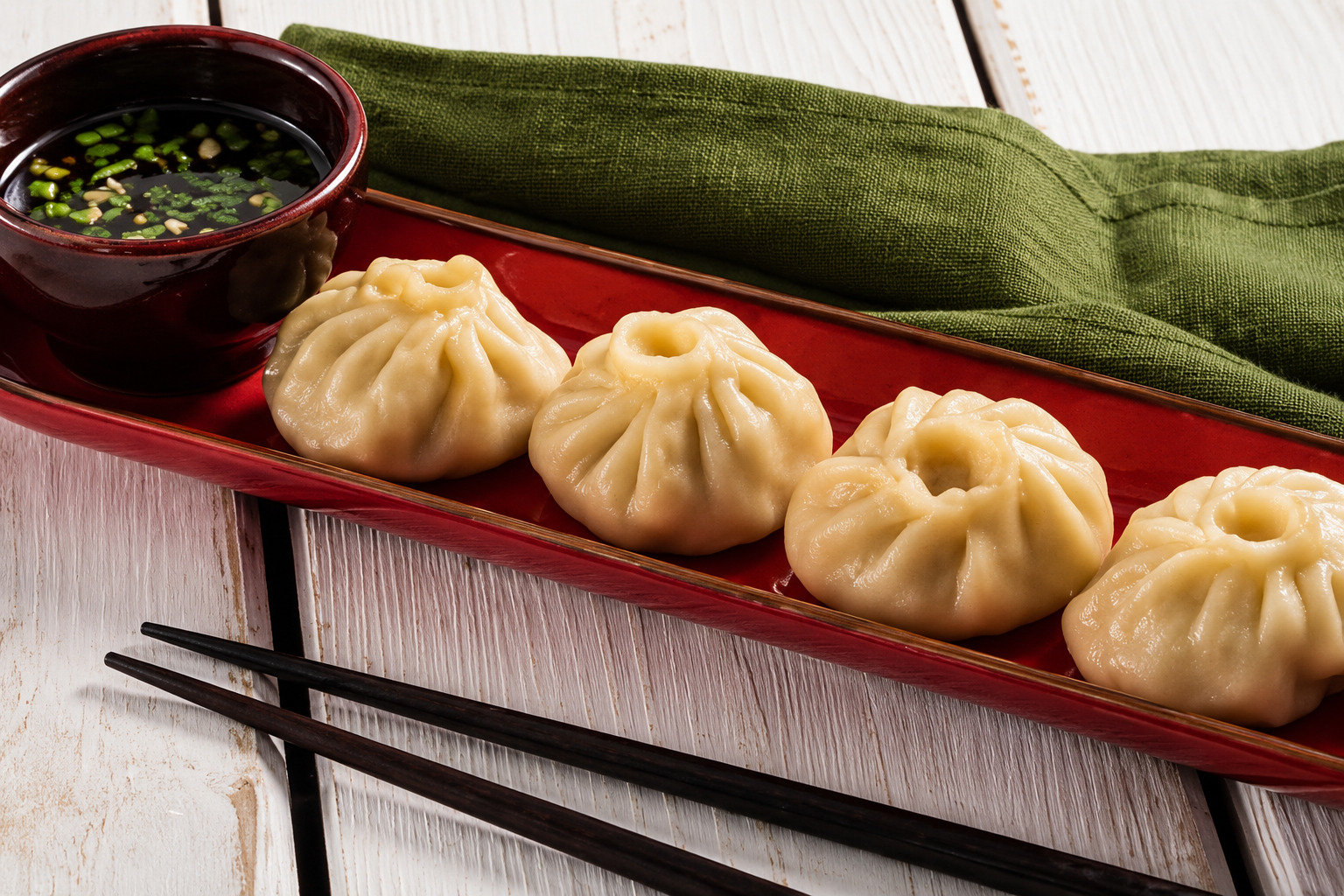
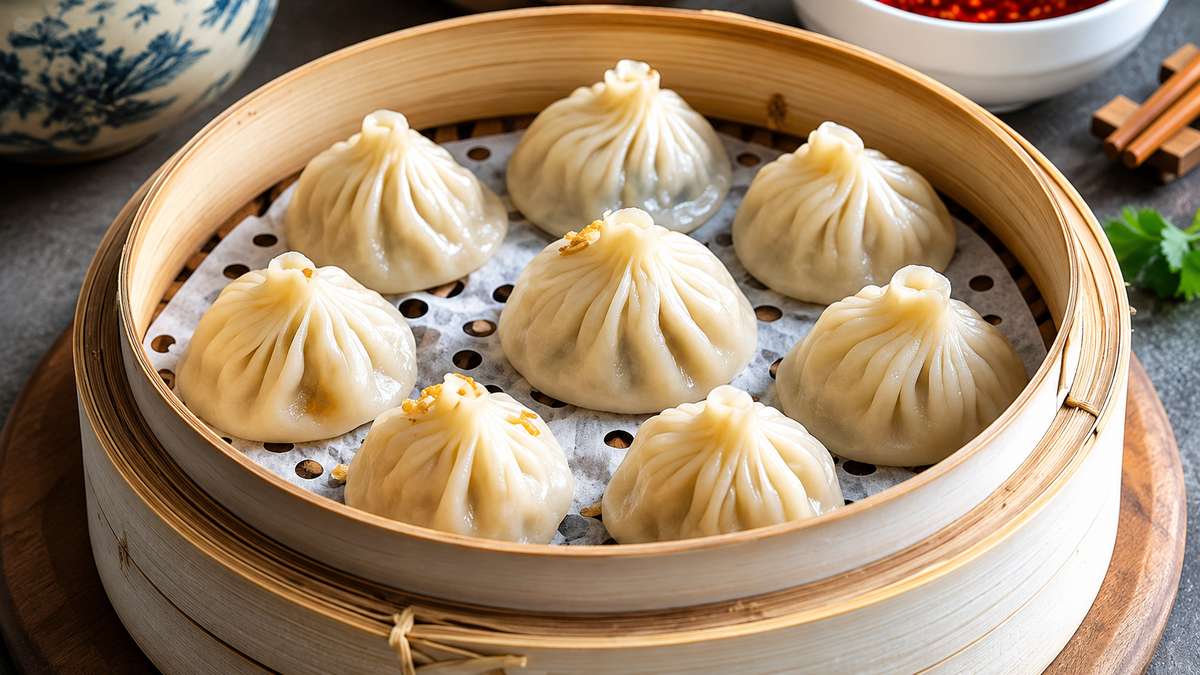
Dumplings are one of the most well-known foods in Chinese cuisine, but many people may not realize they have deep symbolic meaning, especially during the Chinese New Year. There are several types of Chinese dumplings, including jiaozi, xiao long bao, and har gow. Jiaozi are traditional dumplings often filled with pork, vegetables, or other ingredients, while xiao long bao are famous for the savory soup inside them, and har gow are delicate shrimp dumplings. Among all dumplings, jiaozi are especially important during New Year celebrations because their name, 饺子 (Jiǎozi), sounds similar to 交子 (Jiāozi), a term connected to the transition between the old year and the new one. Because of this, dumplings represent fresh starts, renewal, and change. Their shape adds another layer of meaning, as traditional jiaozi resemble ancient Chinese gold ingots that were once used as money, making them symbols of wealth and financial success. Another important meaning comes from the way dumplings are prepared. In many Chinese families, everyone helps make dumplings together by preparing the filling, rolling the dough, and folding each dumpling, which represents family unity, teamwork, and togetherness. Even for Chinese people living abroad, making dumplings often helps them feel connected to home and family traditions.
Whole Chicken
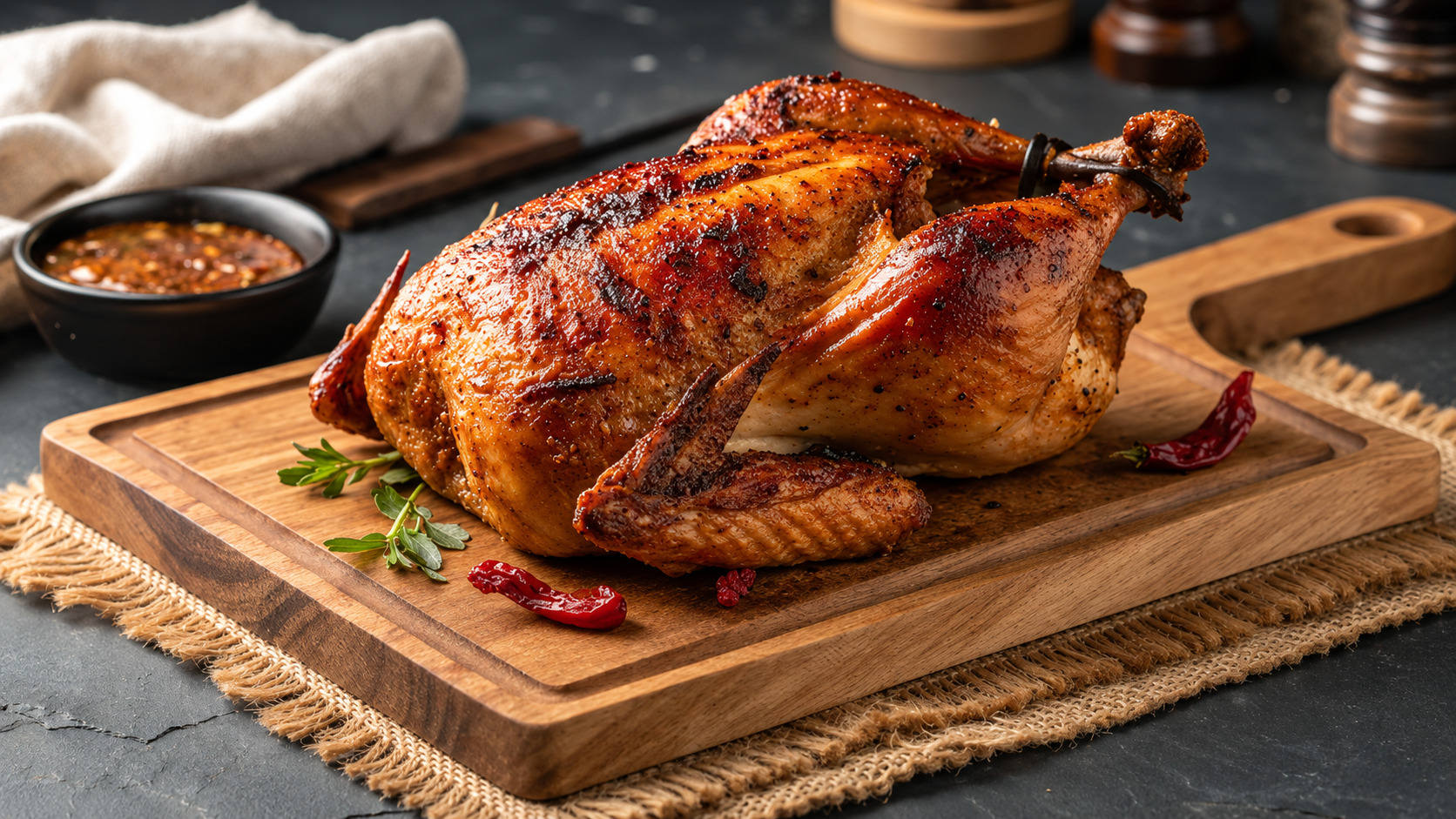
A whole chicken may seem like a simple meal, but in Chinese culture, it carries important symbolic meaning and is often served during family gatherings, festivals, and especially Lunar New Year celebrations. One major reason is that serving the chicken whole represents completeness. Because the chicken is presented whole instead of being divided into separate pieces before cooking, it symbolizes a united and complete family. Another symbolic meaning comes from language, as the Chinese word for chicken sounds similar to words associated with luck, prosperity, and good fortune. Because of this, eating chicken during celebrations is believed to bring success and blessings. Whole chicken is also commonly served during holidays because it represents family togetherness and can easily feed many people during large family gatherings.
Fish
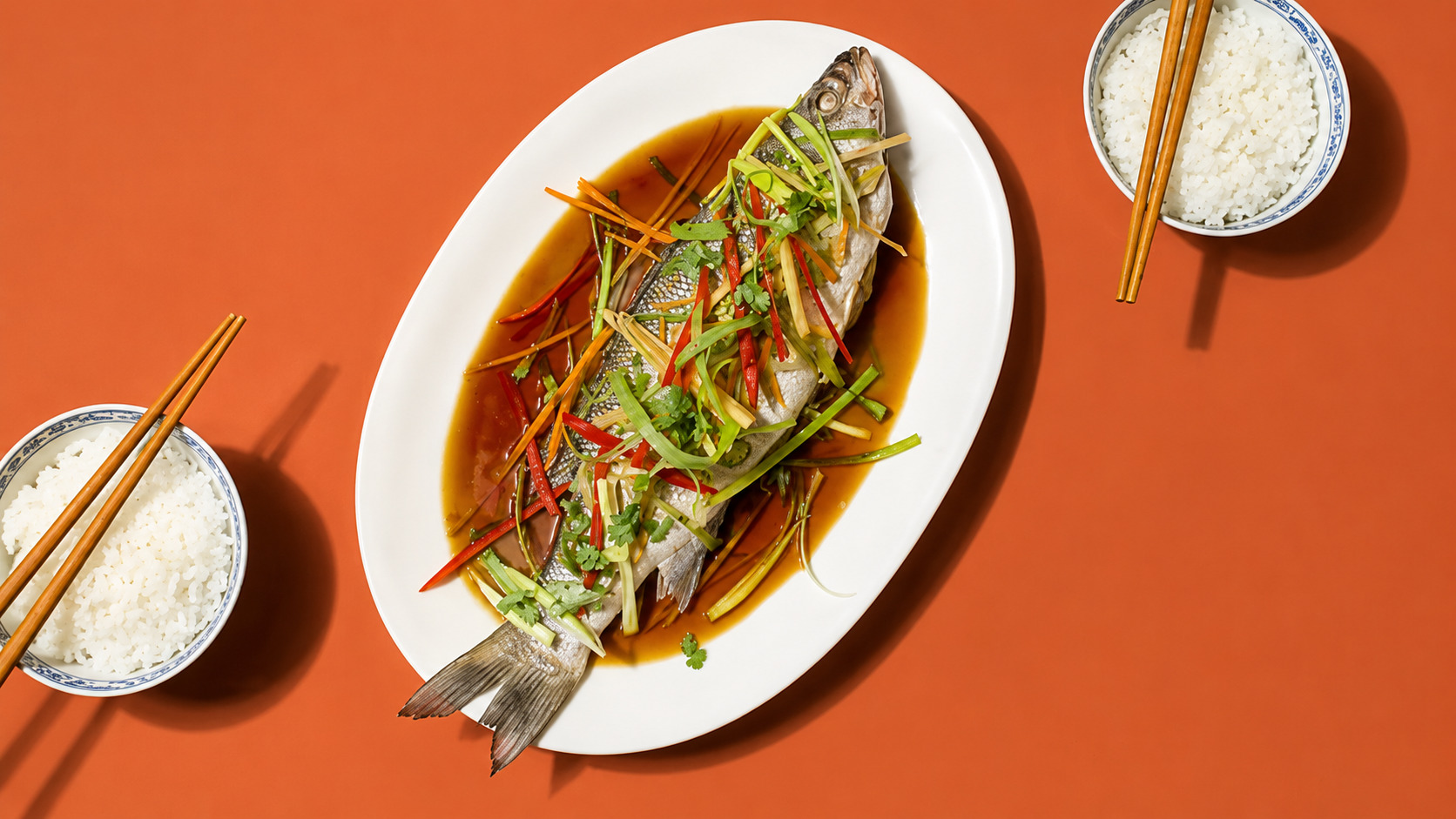
Fish is one of the most important symbolic foods in Chinese celebrations, especially during the Lunar New Year. The Chinese word for fish, 鱼 (yú), sounds the same as the word 余 (yú), which means abundance, surplus, or having extra. Because of this connection, fish symbolize having more than enough wealth, food, blessings, and success in the coming year. In Chinese culture, there is even a traditional saying that a feast is not complete without fish. Fish can be prepared in many ways, including frying, grilling, baking, and steaming, with one of the most popular styles being Cantonese-style steamed whole fish served with soy sauce, fresh ginger, green onions, and herbs. Serving the fish whole can also symbolize family unity and completeness. In some Chinese traditions, families leave a small part of the fish uneaten to represent the hope of having leftover wealth or abundance in the future. Some types of fish are also considered luckier than others during Lunar New Year celebrations.
Also Read: Why Salt and Pepper Became the World’s Most Famous Seasoning Pair
Mooncakes
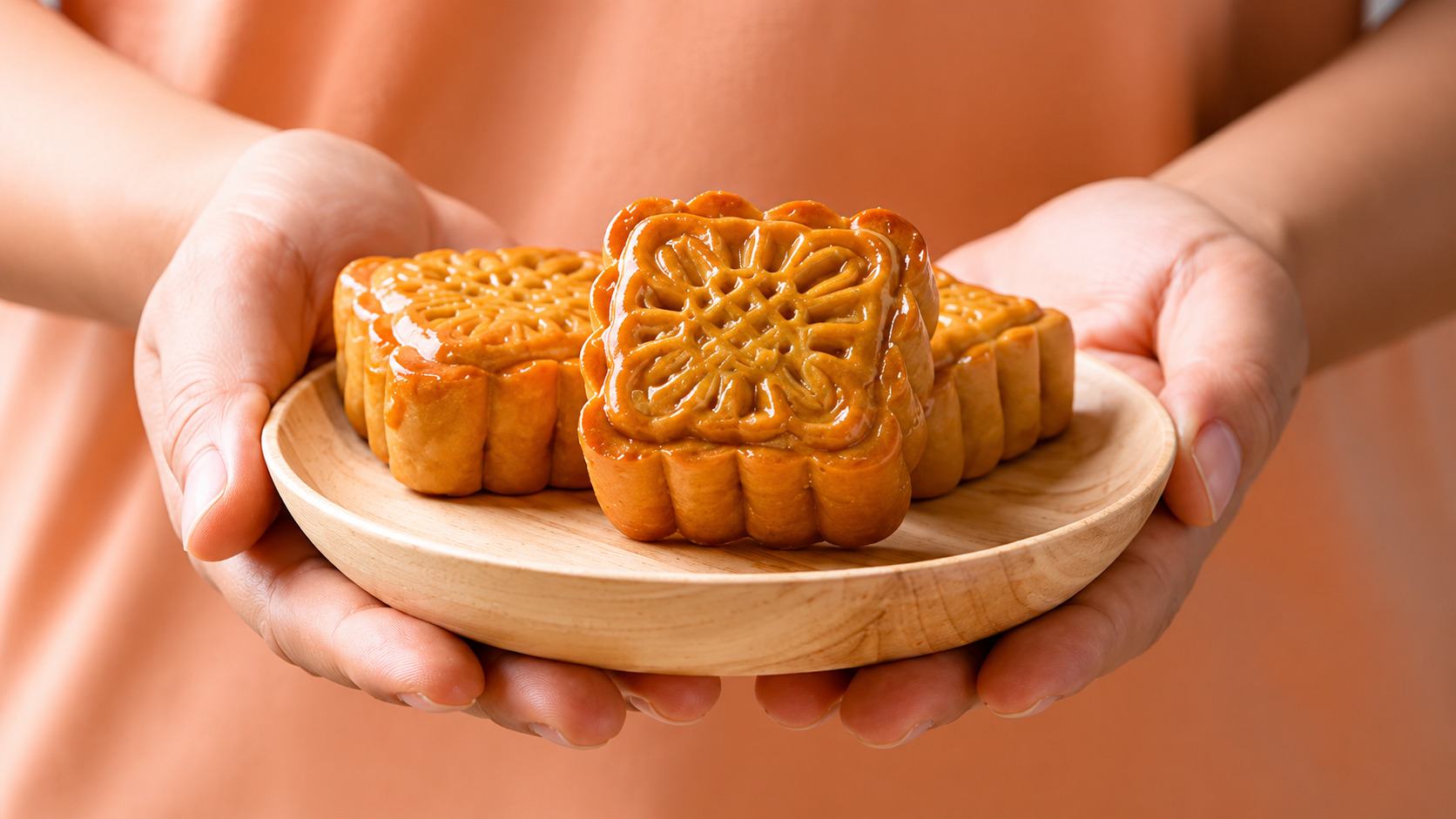
Mooncakes are traditional Chinese pastries closely associated with the Mid-Autumn Festival, which takes place on the 15th day of the eighth month of the Chinese lunar calendar, usually falling in September or early October. The tradition of celebrating the Mid-Autumn Festival dates back more than 2,000 years. Although it originally celebrated the autumn harvest, over time it became a festival focused on family gatherings and moon watching. Mooncakes are usually round, and this shape is especially meaningful because it represents the full moon. Since the full moon is linked with completeness and reunion, mooncakes symbolize family togetherness, harmony, and unity. Traditional fillings include lotus seed paste, red bean paste, and salted egg yolk, although some versions are savory instead of sweet. Different regions in China have different styles of mooncakes, but their symbolic meaning remains the same. Families often gather during the Mid-Autumn Festival to eat mooncakes while enjoying the full moon together.
Cooked Lettuce
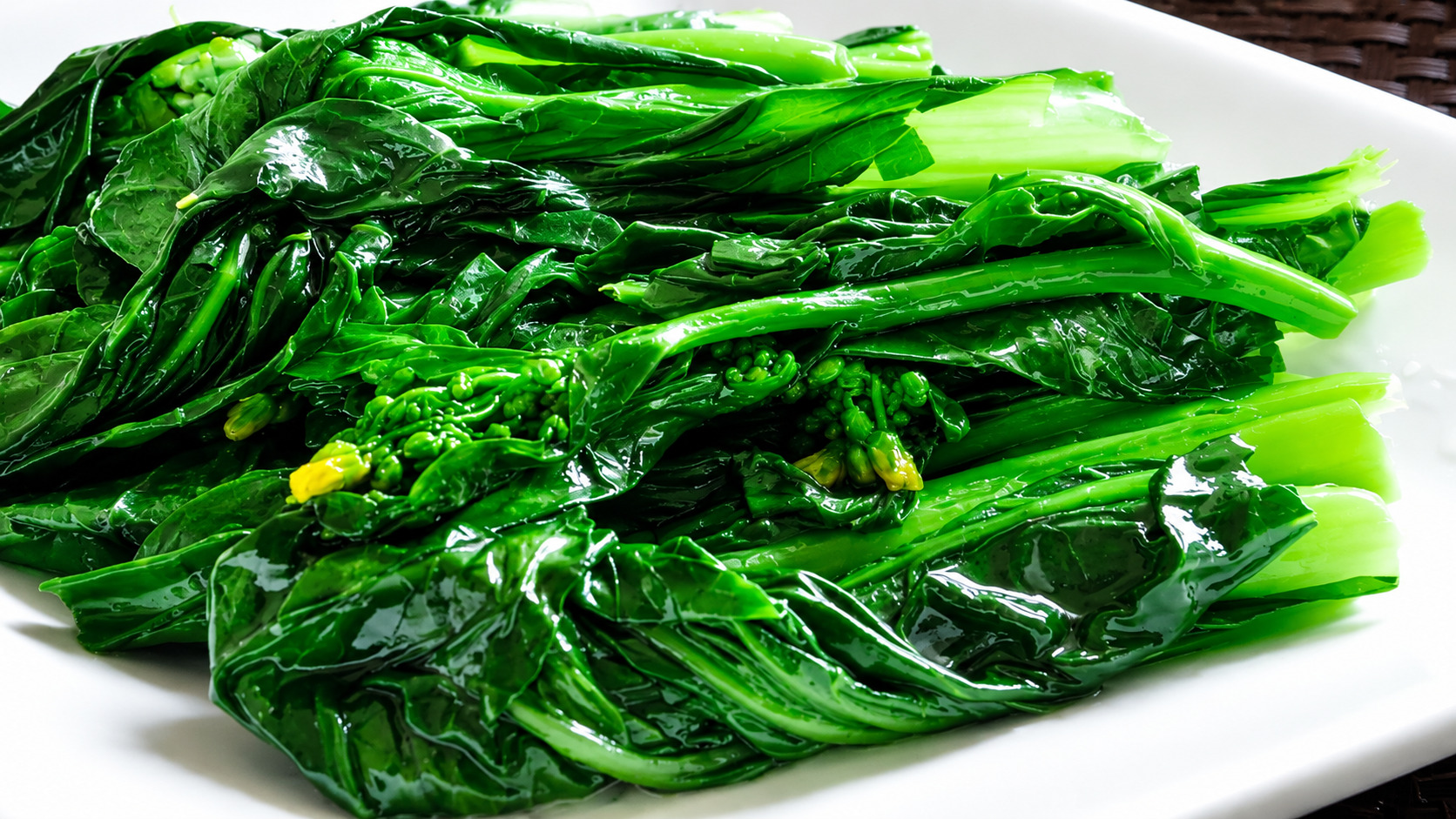
For many people outside China, lettuce is mostly eaten raw in salads, but in Chinese cooking, lettuce is often cooked, especially by stir-frying. Cooked lettuce carries symbolic meaning because of Chinese wordplay. The Chinese word for lettuce, 生菜 (Shēng Cài), sounds similar to 生财 (Shēng Cái), which means bringing wealth or making money. Because of this, lettuce is considered a lucky food connected with prosperity and financial success. It is commonly served during Lunar New Year meals as a symbol of attracting wealth in the year ahead. Since lettuce has a mild taste, it is usually cooked with stronger flavors such as garlic, soy sauce, chili peppers, or oyster sauce. This shows how even a simple vegetable can become deeply meaningful through culture and tradition.
Longevity Noodles
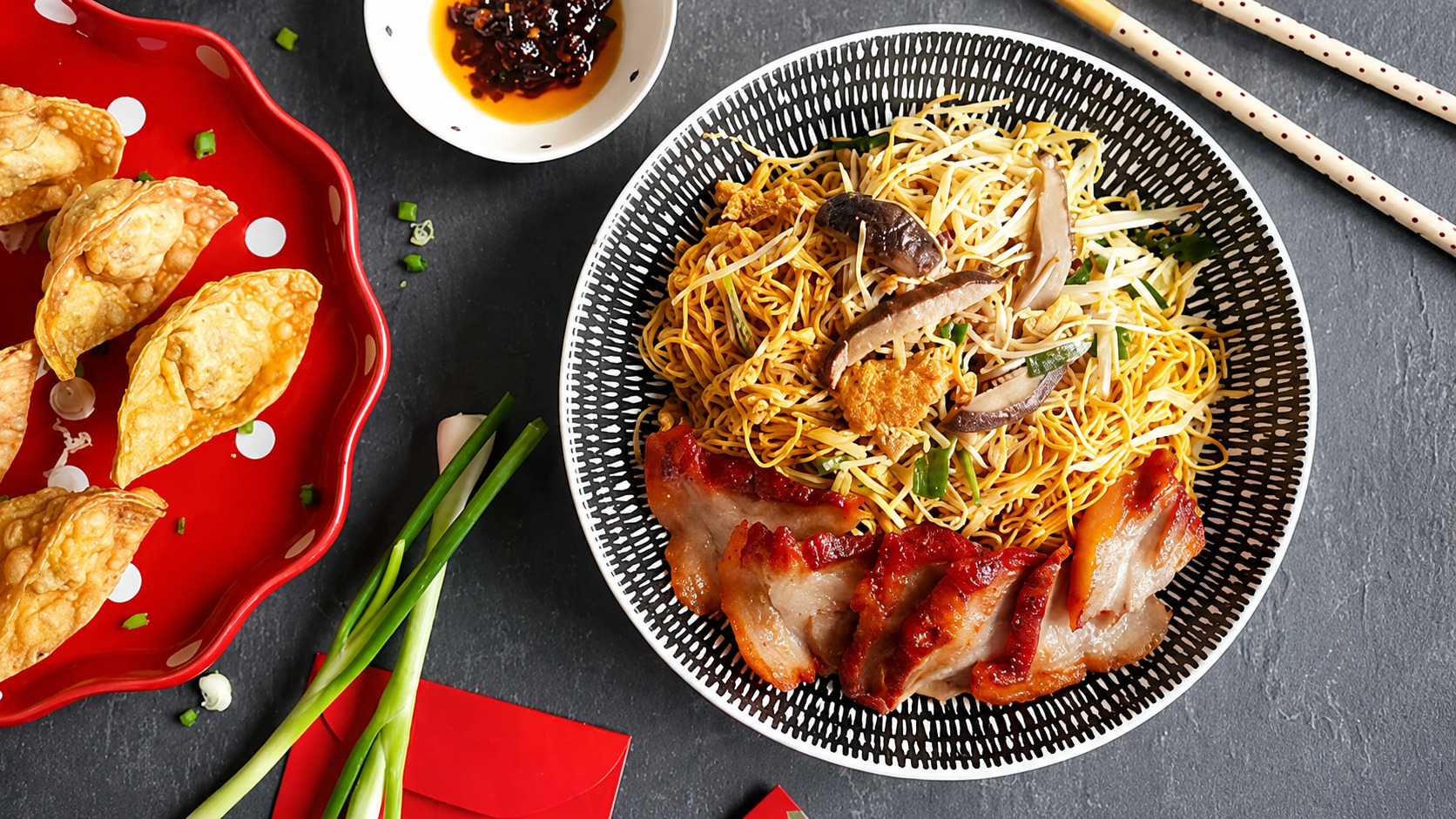
Longevity noodles are one of the clearest examples of symbolic food in Chinese culture. As the name suggests, they represent a long and healthy life. These noodles are often served during birthdays, especially for older adults, as a wish for many more healthy years. They are also served at weddings to symbolize a long-lasting marriage and during the Chinese New Year to represent hopes for a long life in the coming year. Their meaning comes mainly from their length, as longevity noodles are intentionally much longer than regular noodles. In some regions, one single extra-long noodle is served in the bowl, and because the noodle remains unbroken, it symbolizes an unbroken life. In some traditions, breaking the noodles during cooking or eating is considered bad luck because it symbolically suggests shortening life. A common noodle used for this dish is yi mein, which is made with wheat and egg. It has a chewy texture, and the noodles are often pre-fried, giving them their golden-brown color. They are usually cooked with soy sauce, mushrooms, vegetables, and other ingredients.
Rice Cakes
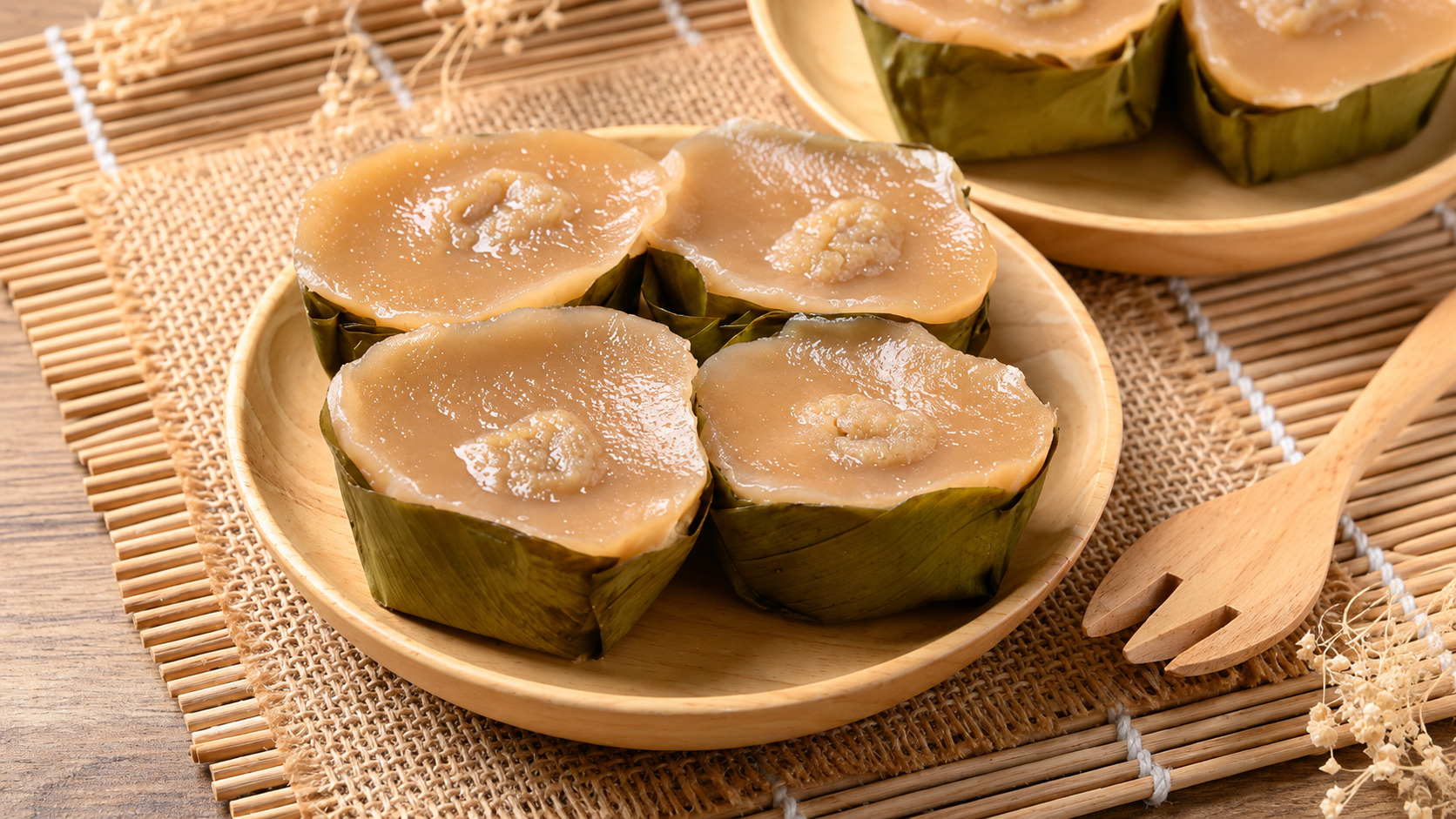
Chinese rice cakes are very different from the puffed rice cakes commonly eaten as snacks in Western countries. These traditional rice cakes are called nián gāo. They are usually sticky, sweet, and made from glutinous rice flour and sugar, often with slab sugar or rock sugar for a richer flavor. They are especially popular during Lunar New Year celebrations. Their symbolic meaning comes from language, as the Chinese word gāo (糕), meaning cake, sounds like another Chinese word gāo (高), which means high or tall. Because of this, rice cakes symbolize growth, progress, success, and moving upward in life. People eat them as a wish for better opportunities, career success, financial improvement, and personal growth in the coming year. Rice cakes are especially important in southern China, where rice is a major part of everyday life. Depending on the region, some versions are sweet while others are savory.
Also Read: What Food Expiration Dates Really Mean for Safety
Why These Food Traditions Still Matter Today
Chinese food traditions show how deeply food is connected to language, family, history, and cultural values. These dishes are not chosen only for their flavor but also for the meanings they carry. Dumplings represent wealth and new beginnings, whole chicken stands for family completeness, fish symbolize abundance, mooncakes represent reunion and harmony, cooked lettuce stands for prosperity, longevity noodles symbolize long life, and rice cakes represent growth and success. These traditions continue to be passed down from one generation to another, helping preserve Chinese culture through food, celebrations, and family traditions.