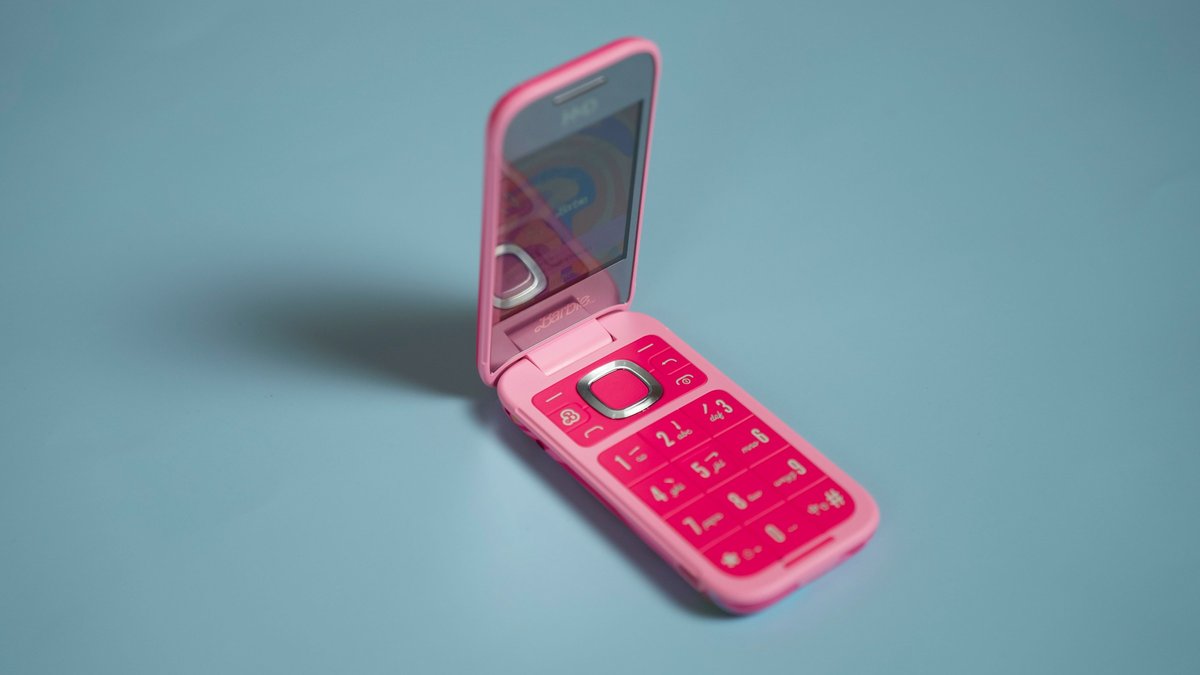
Tech addiction is a very real problem where people feel that they cannot stop using their phones or computers, even when it starts to hurt their daily life in every way.
Every new message or a video gives our brain a tiny hit of a “feel-good” chemical called “dopamine.” Due to the release of this hormone, you have an urge to keep checking your screen over and over again, eventually turning a simple tool into a habit that is very hard to break easily.

How Your Brain Changes
Spending too much time on digital devices can actually affect the physical shape of your brain. Scientists have found that it can shrink the part of the brain that helps you make good choices and control your impulses.

This makes it even harder to put the phone down, creating a cycle where your brain gets used to quick, shallow thinking instead of deep and focused work.
Also Read: Stop Asking AI For Advice: Stanford University's Study Reveals 'Why"
Stress & Mental Health
Most apps are built to keep your attention for as long as possible, which keeps your brain in a constant state of high alert. This constant “on” feeling raises your stress hormones, leading to disturbed sleep cycles, feeling anxious or having a “foggy” memory.

Instead of making us feel more connected, we rely too much on social media platforms, which often makes people feel more lonely and tired than before.
Also Read: From Amazon To Blue Origin: What's Next For Jeff Bezos?
Easy Ways To Gain Control Over It
The good news amidst this is that your brain is great at healing itself once you start setting limits in your screen time. You can start by putting your phone away an hour before going to bed or keeping devices off the dinner table to help your mind relax.
By focusing on one thing at a time in the real world, you can retrain your brain to remain calm, focused and happy without needing to see a screen.

Steps To Manage Your Screen Time
To successfully lower your tech use, you should follow a few clear and manageable steps each day.
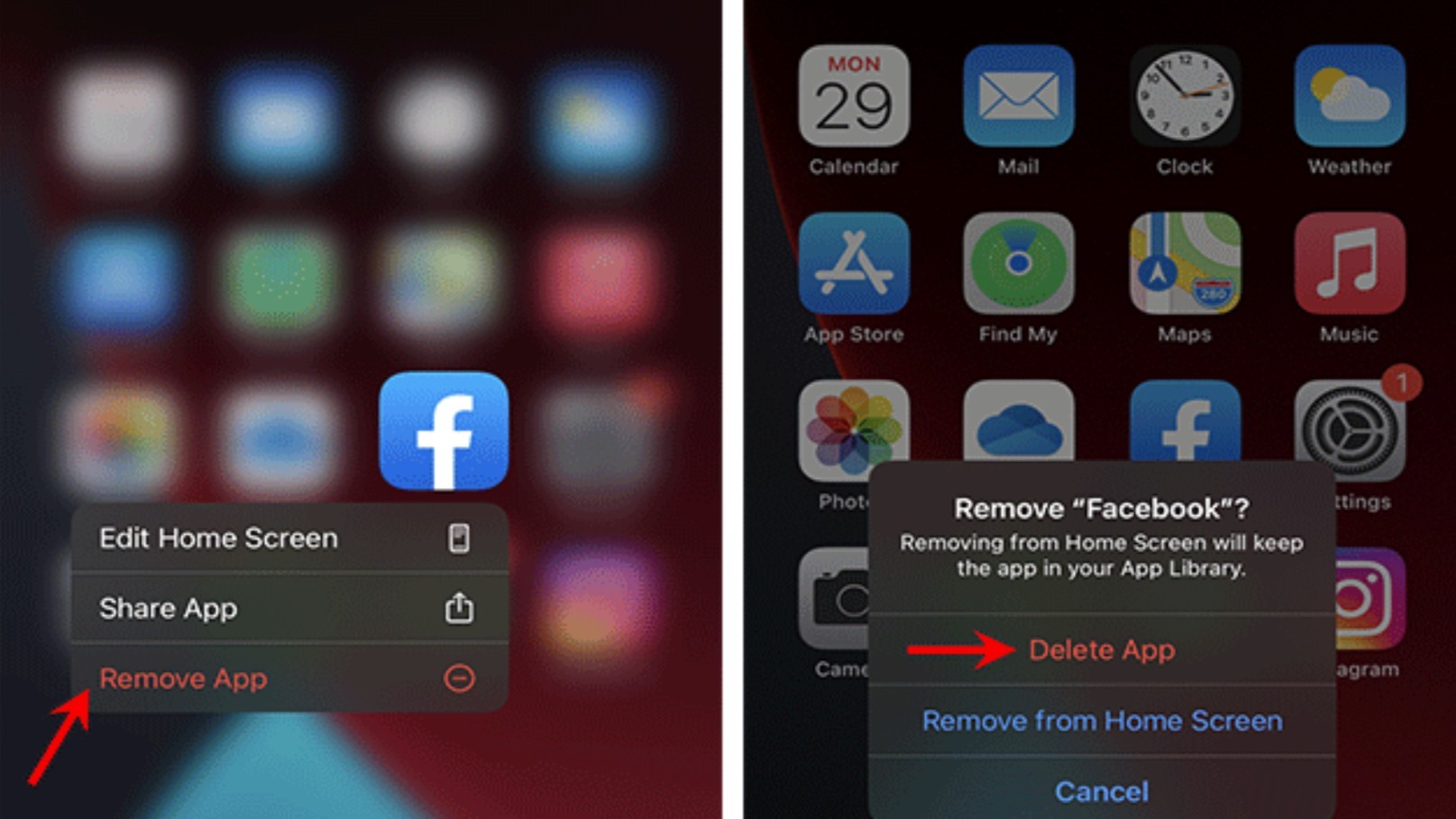
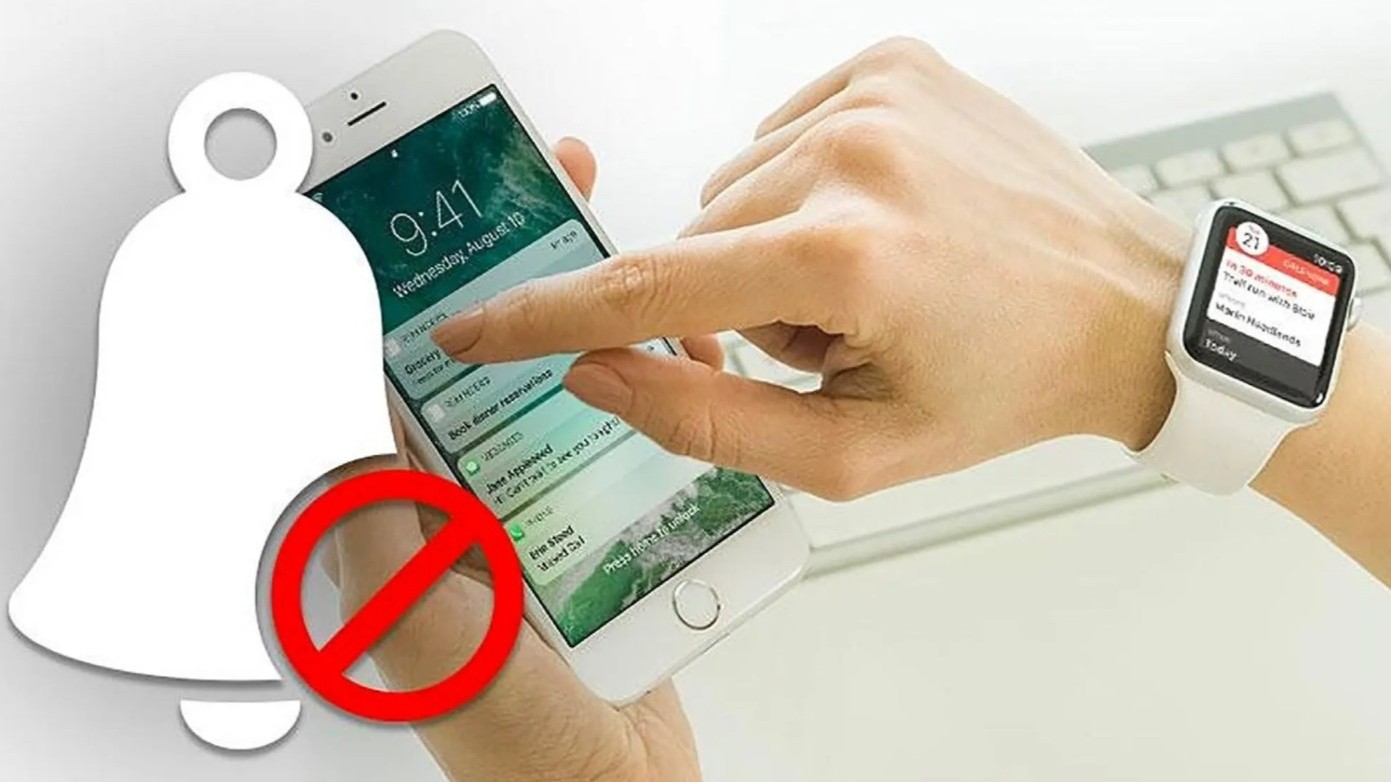
Start by turning off all the non-essential notifications, so that your phone isn't constantly calling for your attention. Then, set a specific “tech-free” hour every evening to engage in a hobby like reading or walking. Finally, try deleting one social media app that you use too much to see how your mood improves without it.