Long before mobile phones became a part of our daily lives, a popular science-fiction TV show called Star Trek showed a device that looked very similar to the mobile phones we use today. The device was called a communicator, and it allowed the crew members to talk to each other from different places without using wires. At that time, such a device seemed like something that could only exist in the future. However, the idea shown in Star Trek helped inspire a real invention.
Martin Cooper, an engineer at Motorola, took inspiration from the show's communicator while developing the first handheld mobile phone. His work helped change the way people communicate and opened the door to the mobile technology we use today. The story of mobile phones is a great example of how an idea from a TV show can become a real part of everyday life. From the communicators used by Captain Kirk and his crew to the smartphones we carry in our pockets, mobile phones have come a long way.
How Star Trek Inspired the Idea of Mobile Phones
The original Star Trek series first aired on September 8, 1966. One of the most famous gadgets in the show was the communicator. It was a small device that allowed crew members to talk to each other from different locations. Whenever Captain James T. Kirk wanted to contact another member of his crew, he could simply open his communicator and speak to them. At that time, most people used landline telephones.
These phones were connected by wires, and people usually had to stay in one place while making a call. The communicator showed a different kind of future in which people could carry a small device and talk to others from almost anywhere. Martin Cooper, an engineer at Motorola, was inspired by this idea. He later explained that the original Star Trek series influenced his thinking about mobile phone design.
Watching Captain Kirk use a communicator to stay in touch with his crew helped Cooper imagine a phone that people could carry with them instead of depending on a fixed telephone. The communicator did not create mobile phone technology by itself, but it helped show what personal wireless communication could look like. This idea became one of the inspirations behind Cooper's vision for a handheld mobile phone.
The First Mobile Phone Call in History – April 3, 1973
In the early 1970s, Motorola was working on a new type of phone that people could carry in their hands. Martin Cooper was leading the company's work on this project. He believed that people should be able to make phone calls without sitting inside a car or staying near a landline telephone. At that time, Motorola was competing with AT&T and its research team at Bell Labs. Other companies were also working on ways to make mobile communication possible.
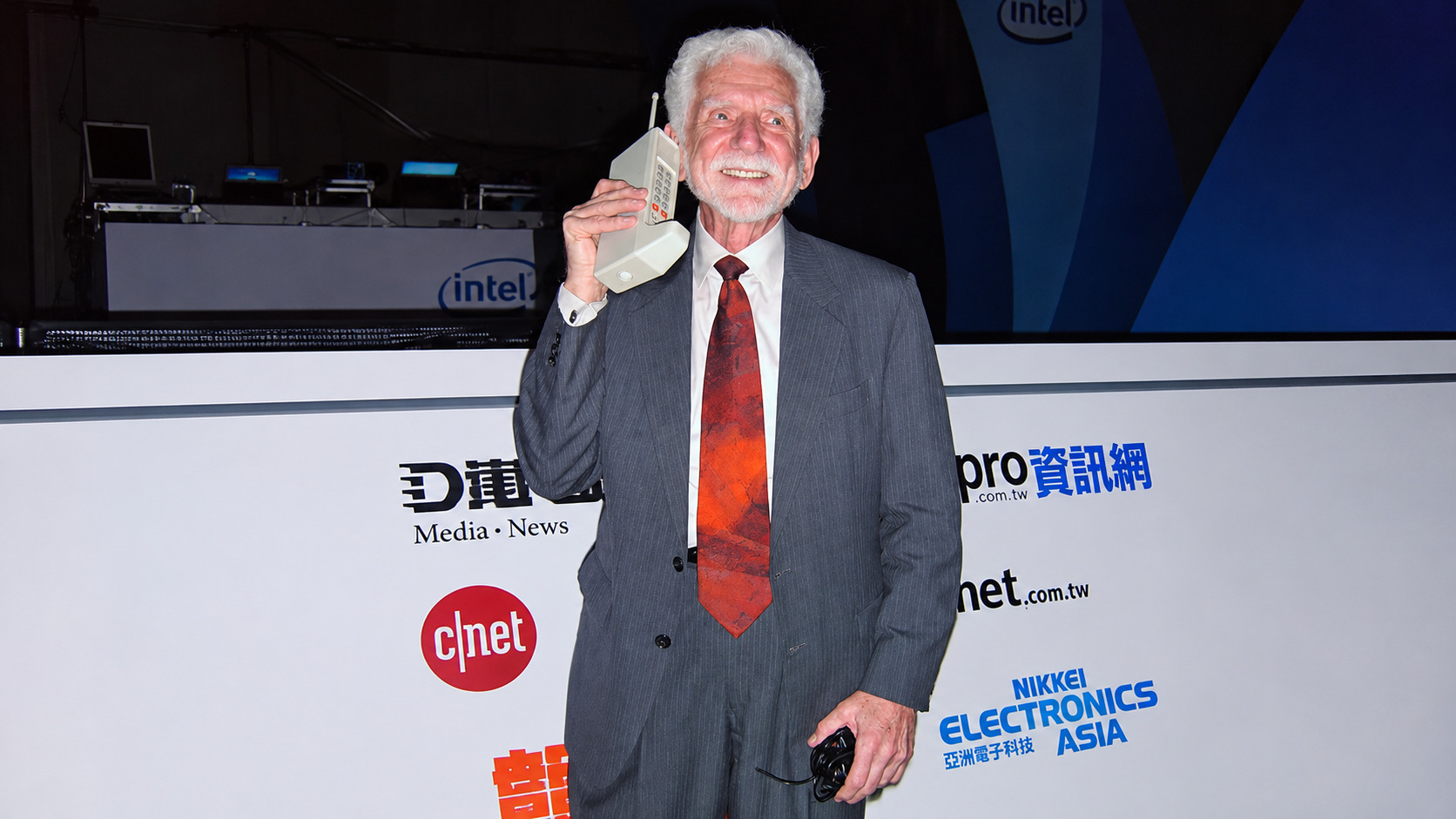
However, Cooper wanted to create a phone that belonged to a person rather than a place. On April 3, 1973, Martin Cooper made history by making the first public handheld mobile phone call in New York City. He was standing on Sixth Avenue in Manhattan, near the New York Hilton, when he picked up a working mobile phone prototype and called Joel Engel, a leading engineer at Bell Labs. Engel was working for a rival company that was also developing mobile phone technology. Cooper called him to show that Motorola had successfully developed a working handheld mobile phone. During the call, Cooper told Engel that he was calling from a real handheld mobile phone.
The moment was important because it showed that a person could make a phone call using a device that could be carried in the hand without being connected to a fixed telephone line. The call attracted the attention of reporters and people nearby. It became one of the most important moments in the history of mobile phones. Cooper's achievement showed that the future of communication could be very different from the telephone systems people were using at the time.
Also Read: Did You Know What the First Smartphone Ever Was?
How Motorola Built the First Mobile Phone
Creating the first handheld mobile phone was not an easy job. At that time, many companies were working on mobile communication, but most of the available phones were designed to be used inside cars. Motorola wanted to do something different. Martin Cooper believed that people should not have to sit inside their cars to make a phone call. He wanted to create a phone that people could carry with them and use while walking, travelling, or doing other activities. To make this idea possible, Motorola started developing a handheld mobile phone.
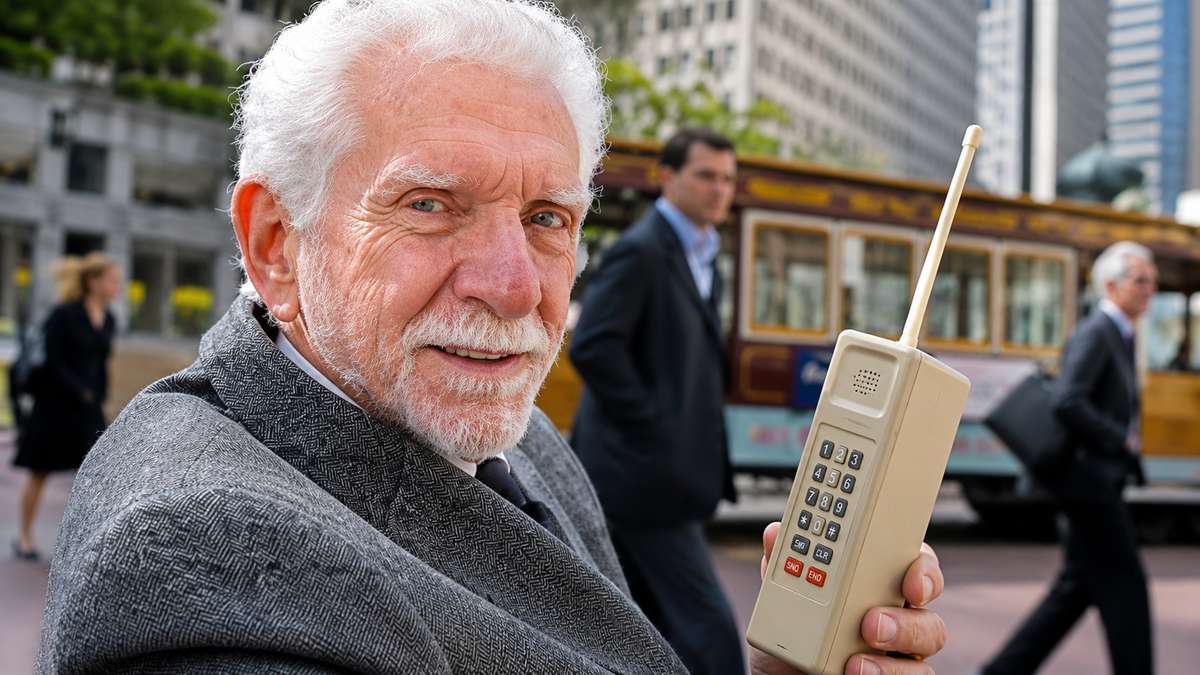
Cooper and his team worked hard to build a device that could send and receive calls through radio signals. The team completed a working prototype in less than 90 days. The phone was named DynaTAC, which stands for Dynamic Adaptive Total Area Coverage. The first DynaTAC prototype was very different from the mobile phones we use today. It was large, heavy, and difficult to carry. It weighed around 2.5 pounds (about 1.1 kilograms) and was roughly 10 inches long.
Because of its large size and shape, people later started calling it the "brick phone." The phone also had a very short battery life. It could provide around 20 to 35 minutes of talk time, depending on the model and test conditions. Charging it could take around 10 hours. It did not have a touchscreen, camera, internet connection, or messaging features. Its main purpose was to make phone calls. Even with these limitations, the DynaTAC was a major achievement. It proved that people could make calls using a phone they could carry in their hands.
How Bell Labs Helped Develop Mobile Phone Networks
Making a mobile phone was only one part of the process. Another important challenge was building a network that could connect mobile phones to each other. At the same time, Bell Labs was working on a system that would allow people to make calls while moving from one place to another. The company developed the idea of dividing large areas into smaller sections called cells.
Each cell had a base station that helped mobile phones connect to the network through radio signals. These base stations worked together to provide mobile phone service across larger areas. When someone travelled from one cell to another, the network could move the call from one base station to the next. This allowed people to continue their conversations while travelling. The system also used radio frequencies to send and receive calls. Different phones could connect to the network and communicate with each other through these stations.
Motorola also worked on developing its own cellular system. In 1977, the company received permission to test its system in the Baltimore-Washington area. These tests helped engineers improve the technology and prepare it for public use. By the early 1980s, cellular phone networks were becoming closer to reality. These developments helped make mobile phones more useful and prepared the way for the mobile networks we use today.
Motorola DynaTAC 8000X: The First Commercial Handheld Mobile Phone
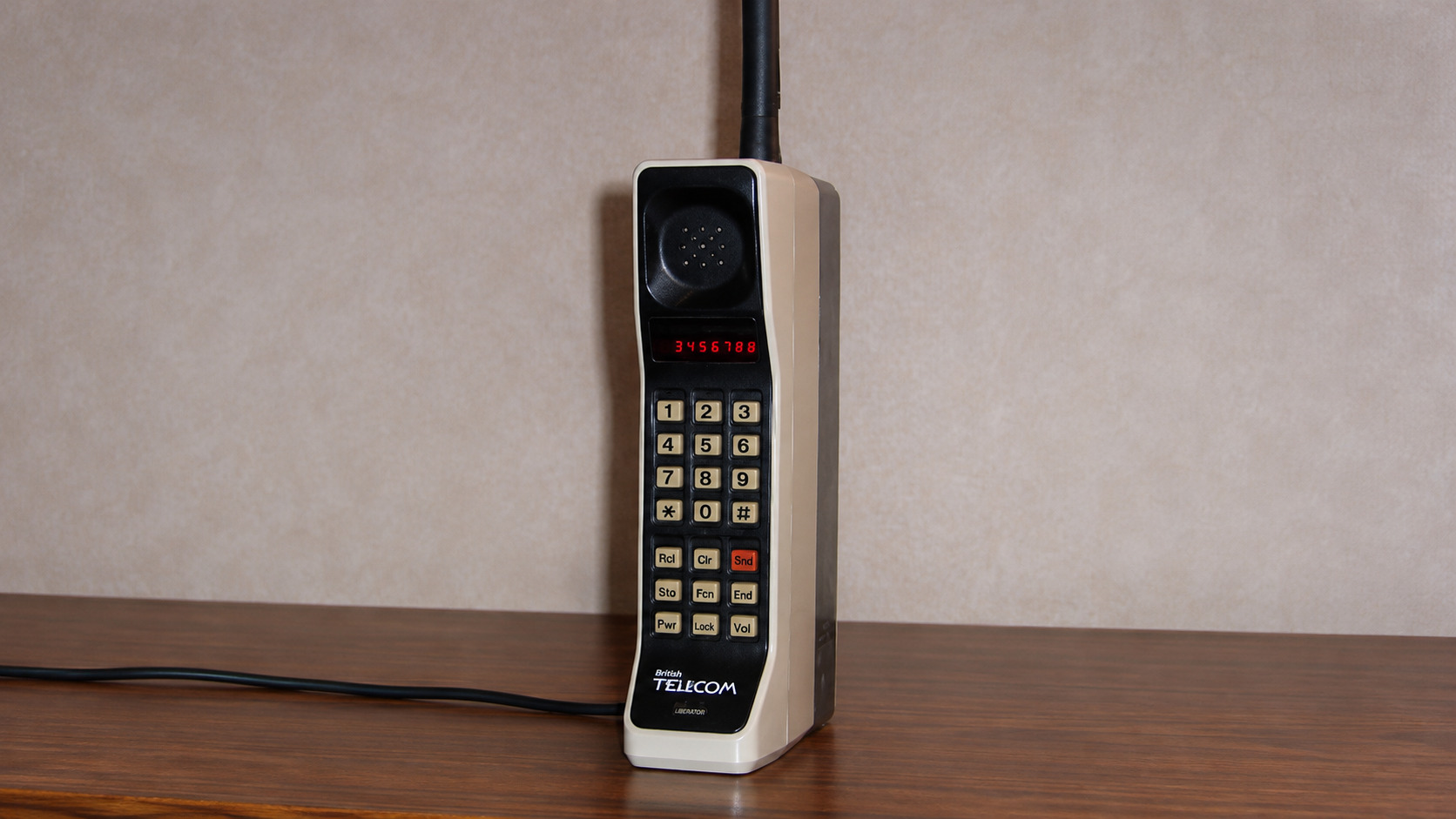
Although Martin Cooper made the first public handheld mobile phone call in 1973, people could not buy the phone immediately. Motorola needed several more years to improve the design, test the technology, and get official approval. On September 21, 1983, the Motorola DynaTAC 8000X received approval from the US Federal Communications Commission (FCC). It became the first commercially available handheld cellular phone.
Motorola began selling the phone to the public in 1984. The DynaTAC 8000X was a major step forward in communication technology. However, it was extremely expensive. Its original price was around $3,995. The phone weighed about 2.5 pounds (1.1 kilograms) and had a large body with a long antenna. It could provide around 30 minutes of talk time, but its battery needed about 10 hours to charge fully.
For the people who could afford it, the phone offered something very special. They could make calls without sitting inside a car or using a landline telephone. At that time, owning a mobile phone was a luxury. It was mostly used by businesspeople and people who needed to stay in touch while travelling. The DynaTAC may look old-fashioned today, but it helped begin a new chapter in the history of communication.
How Mobile Phones Became Smaller and Better
After the release of the DynaTAC 8000X, mobile phone companies continued working to improve their devices. The first mobile phones were too large, too heavy, and too expensive for most people. Companies wanted to make phones that were smaller, lighter, and easier to carry.
Over the years, mobile phones slowly became more affordable and gained new features. Their batteries improved, and people could use them for longer periods without charging. In 1989, Motorola introduced the MicroTAC, a much smaller mobile phone with a folding design. It was easier to carry than the earlier DynaTAC models.
As technology improved, mobile phones became smaller and more useful. Later models introduced text messaging, colour screens, cameras, and other features. These changes slowly turned the mobile phone from a simple calling device into something people could use for many different activities.
The Beginning of Modern Smartphones
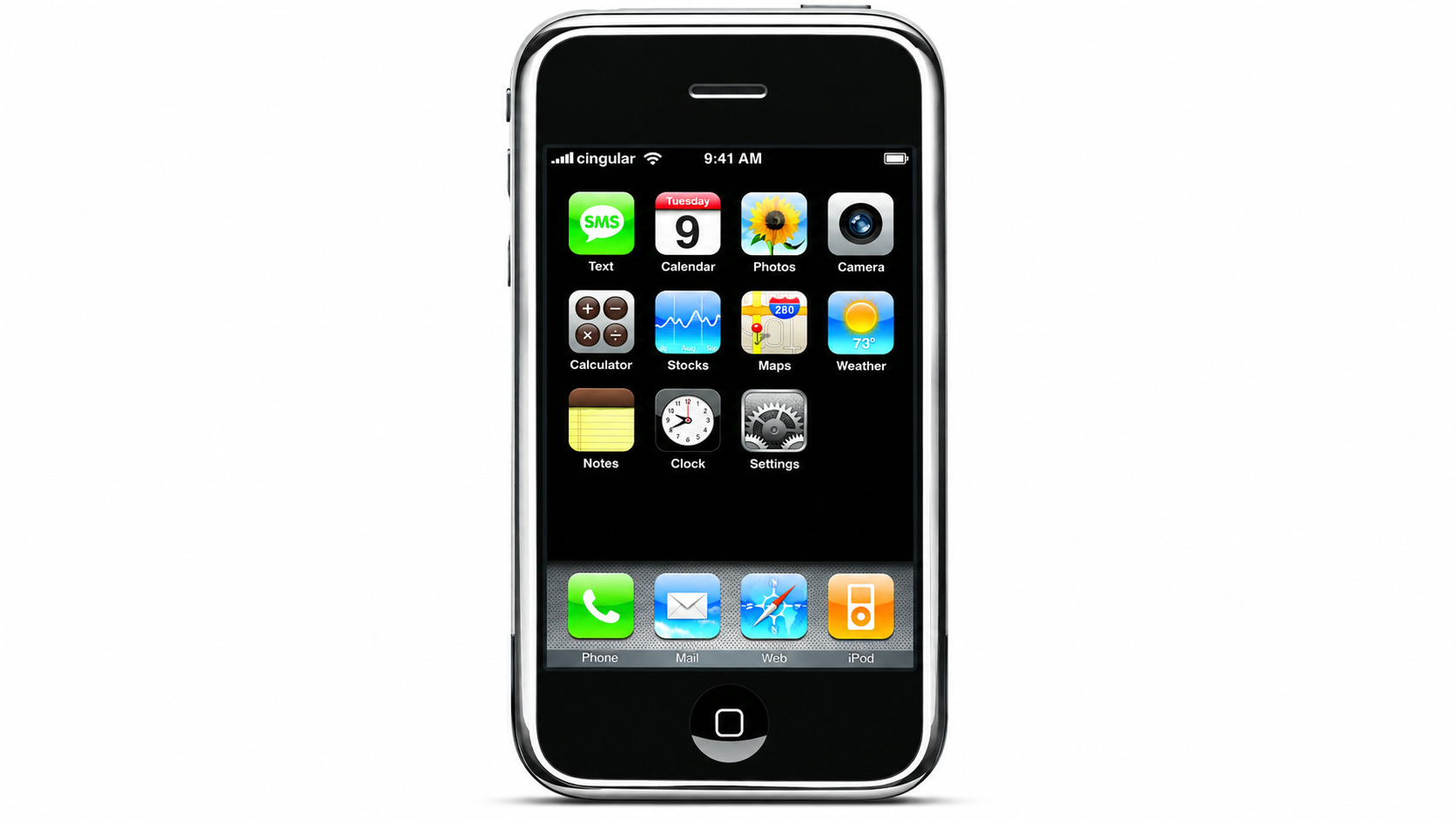
The development of mobile phones did not stop with making them smaller. Companies continued adding new features that made phones more useful. One important step was the introduction of smartphones. Unlike older mobile phones, smartphones could do much more than make and receive calls.
They allowed people to send messages, take pictures, browse the internet, listen to music, watch videos, and use different applications. Apple introduced the first iPhone on January 9, 2007. It was released for sale on June 29, 2007. The iPhone introduced a large touchscreen and brought several phone features together in one device. This changed the mobile phone industry. Other companies also started making smartphones with touchscreens, internet access, cameras, and many other features.
Today, smartphones are like small computers that people can carry in their pockets. They allow users to make calls, send messages, attend online meetings, study, shop, play games, make payments, and find information within seconds. Compared to the first DynaTAC, modern smartphones are smaller, lighter, faster, and much more powerful.
Also Read: The History of Apple
How Smartphones Became Part of Everyday Life
Today, smartphones are used by billions of people around the world. They have become an important part of everyday life. People use smartphones for work, education, entertainment, shopping, banking, and communication. They can speak to someone on the other side of the world through a simple phone call or video call.
Smartphones have also made it easier to share information. People can take pictures, record videos, send files, and share updates within seconds. However, the growing use of smartphones has also created some concerns, especially for children. Spending too much time looking at screens can affect sleep, reduce physical activity, and create problems with daily habits.
Despite these concerns, smartphones have made communication easier and have changed the way people live and work. They are no longer just phones. They have become devices that help people manage many parts of their daily lives.
The Connection Between Star Trek and Modern Technology
The connection between Star Trek and mobile phones is an interesting part of technology history. The show introduced many devices that looked impossible at the time but later became similar to real-world inventions. However, there is an important detail about Martin Cooper's inspiration.
Although he has often been linked to the communicator from Star Trek, he later explained that the radio watch used by Dick Tracy was a more direct fictional inspiration for his idea of personal wireless communication. He also explained that the main reason behind the mobile phone was his belief that people should be able to communicate with each other from anywhere. This does not make the connection between Star Trek and mobile phones any less interesting.
Both showed a future in which people could carry small wireless devices and communicate without depending on wires. The communicator remains one of the show's most famous gadgets because it showed an idea that later became familiar in everyday life.
The Future of Mobile Phones
Mobile phone technology continues to improve. Today's smartphones are much more powerful than the first mobile phones made by Motorola. Companies are working on better cameras, longer-lasting batteries, faster internet connections, artificial intelligence, and other new features.
Smartphones are also becoming more useful for work, education, health services, and entertainment. In the future, mobile phones may become even more advanced. They could offer better ways to communicate, connect with other devices, and complete everyday tasks. The journey from the first DynaTAC phone in 1973 to today's smartphones shows how much technology has changed in just a few decades.
From Science Fiction to Real Life
The history of mobile phones shows how much communication technology has changed over the years. What once seemed like an impossible idea in science-fiction shows is now a normal part of everyday life. On April 3, 1973, Martin Cooper made the first public handheld mobile phone call using a Motorola prototype. Eleven years later, in 1984, the company released the DynaTAC 8000X for the public. Since then, mobile phones have become smaller, cheaper, and more powerful.
The original Star Trek series introduced viewers to the idea of carrying a wireless communication device. Although the show's communicator was not the only inspiration behind mobile phone development, it helped people imagine what future communication might look like. Today, billions of people carry smartphones in their pockets and use them for much more than making calls. From the large and heavy DynaTAC to modern touchscreen smartphones, mobile phones have changed the way we communicate and live. It is an interesting example of how ideas shown in science-fiction stories can become part of the real world.