Imagine driving down the highway, singing along to your favourite song, when suddenly the tire blows out. As you pull over to the shoulder, a sinking feeling hits your stomach. It is not just about the flat tire; it is about the unexpected expenses heading your way. That's when real life begins, full of unpredictable financial shocks.
Not only this, situations like your refrigerator stops functioning normally or you face a sudden medical emergency, all these can also be counted as “emergencies.” To manage these situations, if you do not have cash set aside for these moments, a minor inconvenience can quickly turn into a major financial crisis. That's the place where an emergency fund comes in to save you from this terrible situation.
What Is An Emergency Fund
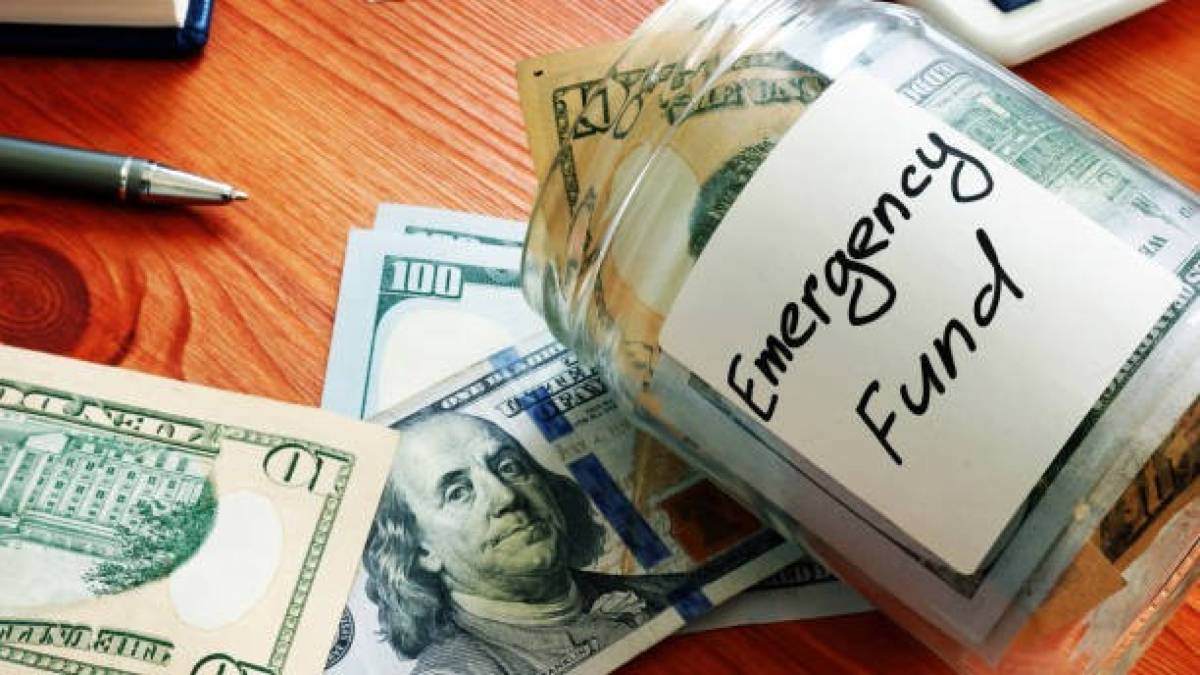
An emergency fund is a dedicated stash of cash used preserved exclusively for unexpected expenses in future. It is not a savings account for a new iPhone, a summer vacation or a rainy-day shopping spree. It is your personal financial safety net. You can think of it as an insurance policy you write to yourself. Instead of paying monthly premiums to large corporations, you put that particular amount of cash into a secure account. Suddenly, if something goes upside down, you can easily withdraw from your own funds instead of relying on external help.

Why Do You Need An Emergency Fund
If you are living paycheck to paycheck or putting all your extra cash towards clearing debt, saving any amount to handle a rainy day might feel like a low priority. However, building this cash cushion is the foundational step of personal finance.
It Relieves From The Stress Of High-Interest Debt
When an unexpected bill arrives and you don't have sufficient cash, you are left with only two options. Most people reach for a credit card, apply for a personal loan or look for some external help. Using a credit card might solve the immediate problem, but in the long run, it can create a long-term burden. For instance, with average credit card interest rates hovering between 20% and 30%, a ₹40,000 car repair cost can easily end up costing you double over time. Whereas, maintaining an emergency fund will save you from this situation as whenever a crisis hits, you use that cash upfront. This way, you handle the problem, move on and never pay a single rupee of interest to a bank.
It Protects You From Long-Term Investments
Many people make the mistake of investing every single rupee into the stock market, mutual funds or real estate before building a cash reserve. It is of no doubt that investing is indeed great for growing wealth, but keep in mind that the stock market is prone to fluctuation. For instance, if you face a sudden job loss during a market downturn and have no cash left with you to manage your daily life expenses, you will be forced to sell your investments at a loss just to pay rent. Even worse, raiding your retirement account early often triggers massive tax penalties and withdrawal fees. This is another situation where an emergency fund saves you and also protects your long-term investments, allowing your wealth to compound uninterrupted while your cash safety net handles short-term problems.
It Gives You Financial Freedom
In today's time, many people face a toxic work environment with tough clients to handle but they cannot make a clear decision to quit their job because they have liabilities to take care of. An emergency fund provides you financial security in the sense, by providing you with necessary finances to support you while searching for a better position. Basically, it gives you the flexibility to look for a high-quality career move rather than jumping into the first job that offers a paycheck. Similarly, if you want to start a freelance business or are planning to launch a startup, your emergency fund acts as your personal runway while your business gets off the ground.
It Prevents Small Problems From Becoming Catastrophes
When you have less financial stability, you tend to delay necessary expenses. You ignore the weird noise your car is making, or you skip a doctor's visit to save that money too. Unfortunately, ignoring these small problems usually makes them much worse with time and end up costing you even more than expected. Maybe, that strange car noise turns into a total engine failure, or a minor medical issue develops into a chronic medical condition requiring urgent hospitalization. When you have a fully-funded emergency savings account, you don't hesitate to handle problems immediately. Whenever you see a minor issue, you immediately resolve it before it escapes into a catastrophic expense.
It Eliminates Financial Anxiety
It is true to know and understand that money is one of the leading causes of stress, anxiety and relationship arguments worldwide. The constant fear of a single bad break ruining your life takes a massive emotional toll. Maintaining an emergency fund gives you immense mental peace as you are aware that you have several months of living expenses sitting securely in a bank account, which changes your entire mindset. Thus, even if a crisis hits your life unexpectedly, you don't panic; you pay the bill, replenish the fund layer and sleep soundly at night.
Also Read: Why Do You Get Goosebumps While Listening To Music
What Is Meant By A True Emergency Situation
To protect your fund, you must define what a true emergency is. It is incredibly easy to justify dipping into your savings for non-essential items whenever a “sale” pops in. A true emergency situation has to logically clear three specific tests: Is it unexpected? Is it absolutely necessary? Is it urgent?
True financial emergencies strictly include things like sudden job loss, urgent medical bills or critical home and car repairs. Non-emergency situations include last-minute holiday trips, buying a wedding dress, upgrading a working television or routine car maintenance expenses like oil changes, etc.
How Much Money Should You Keep In An Emergency Fund
The golden rule of personal finance is to save three to six months of essential living expenses. Remember the keyword: “essential expenses.” This, however, does not mean saving three to six months of your current salary, it means the minimum amount of money you need to cover up your daily expenses even if your income completely stops. To calculate your target, add up your monthly costs for rent, groceries, utilities, insurance and minimum debt payments. If you work in a volatile industry, rely on commission or are the sole earner for your family, aim for close to six or nine months of expenses for extra safety.

Where Should You Put Your Emergency Funds
Your emergency fund needs to live in a very specific type of account. You want to avoid placing it in the stock market where it can lose value, but you also don't want it sitting in a standard savings account earning little to no interest. The ideal place for putting your emergency funds has to satisfy two conditions: liquidity ( quick access) and safety ( zero risk of losing the principal amount). For this, “High-Yield Savings Accounts" function exactly like a normal bank account, allowing yourself to withdraw money instantly via an ATM or online transfer. They pay significantly higher interest rates than traditional savings accounts, helping your money keep pace with inflation. They are considered increasingly stable and offer easy access to your cash, making them an excellent secondary option for storing a portion of your fund.
Also Read: Why Does Reading Before Bed Helps You Sleep
How To Start An Emergency Fund
As a beginner, It can feel incredibly overwhelming to start an emergency fund. The easiest trick is to just focus on a smaller, achievable milestone first. You can try setting a mini-goal of saving ₹10,000 or ₹50,000. Set aside a small amount from your paycheck and keep it into a separate high-yield account every month. Once you hit that first milestone, the motivation will help you to carry forward your savings journey. Remember that an emergency fund isn't just about getting rich; it is more about staying secure. So, start building your safety net today to embrace any new unpredictable challenges with full confidence.