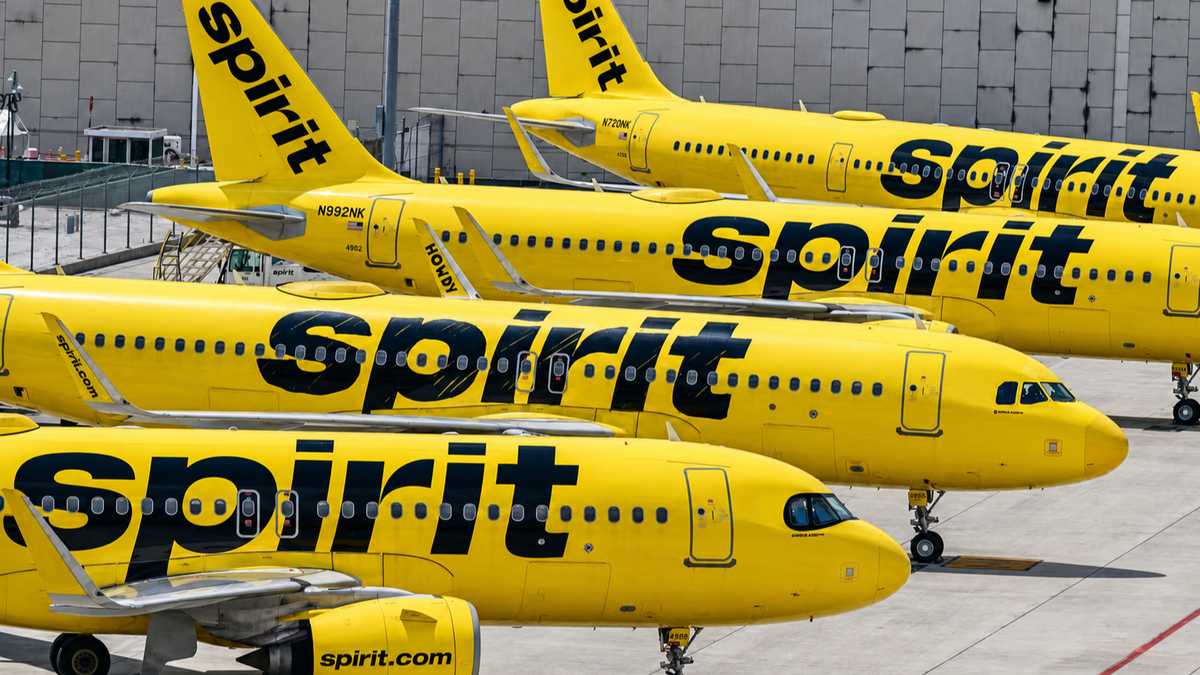
Spirit Airlines did not collapse because of the Iran war; instead, the main reason was years of poor service, weak finances, and a damaged reputation that it could not fix. The increase in fuel prices during the war only made an already difficult situation worse and sped up the airline’s decline.
A Business Already in Trouble
Long before global events affected fuel prices, Spirit was already facing serious problems. The airline had not been profitable since before the pandemic and had warned investors for years that its future was uncertain. These warnings came even before the United States and Israel went to war with Iran, showing that the airline’s struggles were not caused by the conflict. By the time things worsened, Spirit was already in its second bankruptcy and was trying to survive by selling planes, giving up airport gates, and cutting staff, which clearly showed how serious its condition had become.
Also Read: What Are Those Little Fins On Jet Engines For?
The Core Problem: Poor Customer Experience
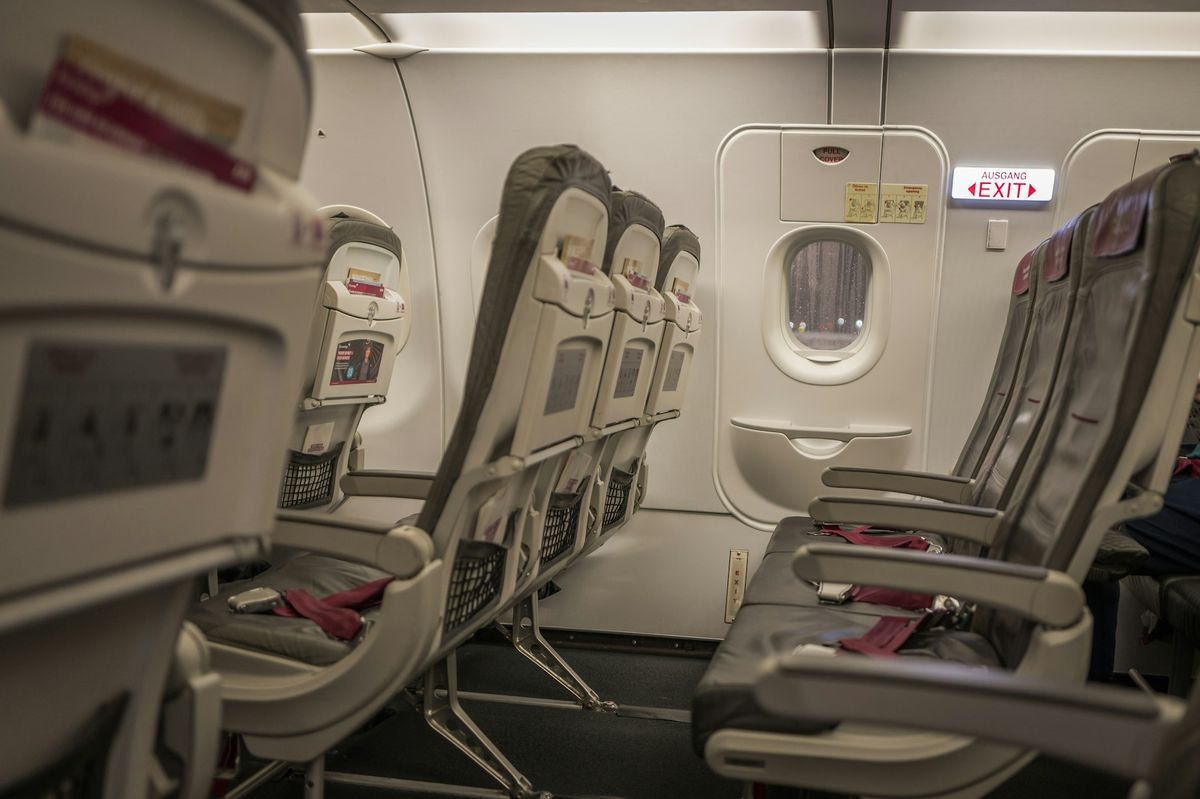
Although financial issues were important, the biggest reason for Spirit’s failure was its poor reputation for customer service. Airlines are mainly a service industry, and Spirit failed to provide a service that passengers liked. The airline focused on offering very low ticket prices, but to do this, it charged extra for many things, including carry-on bags, which frustrated customers. In addition, Spirit provided very little comfort, with some of the least legroom in the industry, making flights uncomfortable, especially on longer routes. Even though it performed at an average level for on-time flights and baggage handling, the overall experience was negative, and many passengers were unhappy and unwilling to fly with the airline again.
When “Cheap” Becomes Too Cheap
There will always be demand for low fares, but Spirit showed that price alone is not enough to attract and keep customers. Even budget travelers expect basic comforts such as a drink, a snack, or a reasonable amount of space. While other airlines manage to balance low prices with acceptable service, Spirit removed too many features, which made the experience unpleasant. As a result, many travelers were willing to pay extra money, often between $30 and $60 more, just to fly with another airline, showing that customer experience matters even for people looking for cheap tickets.
A Changing Market After the Pandemic
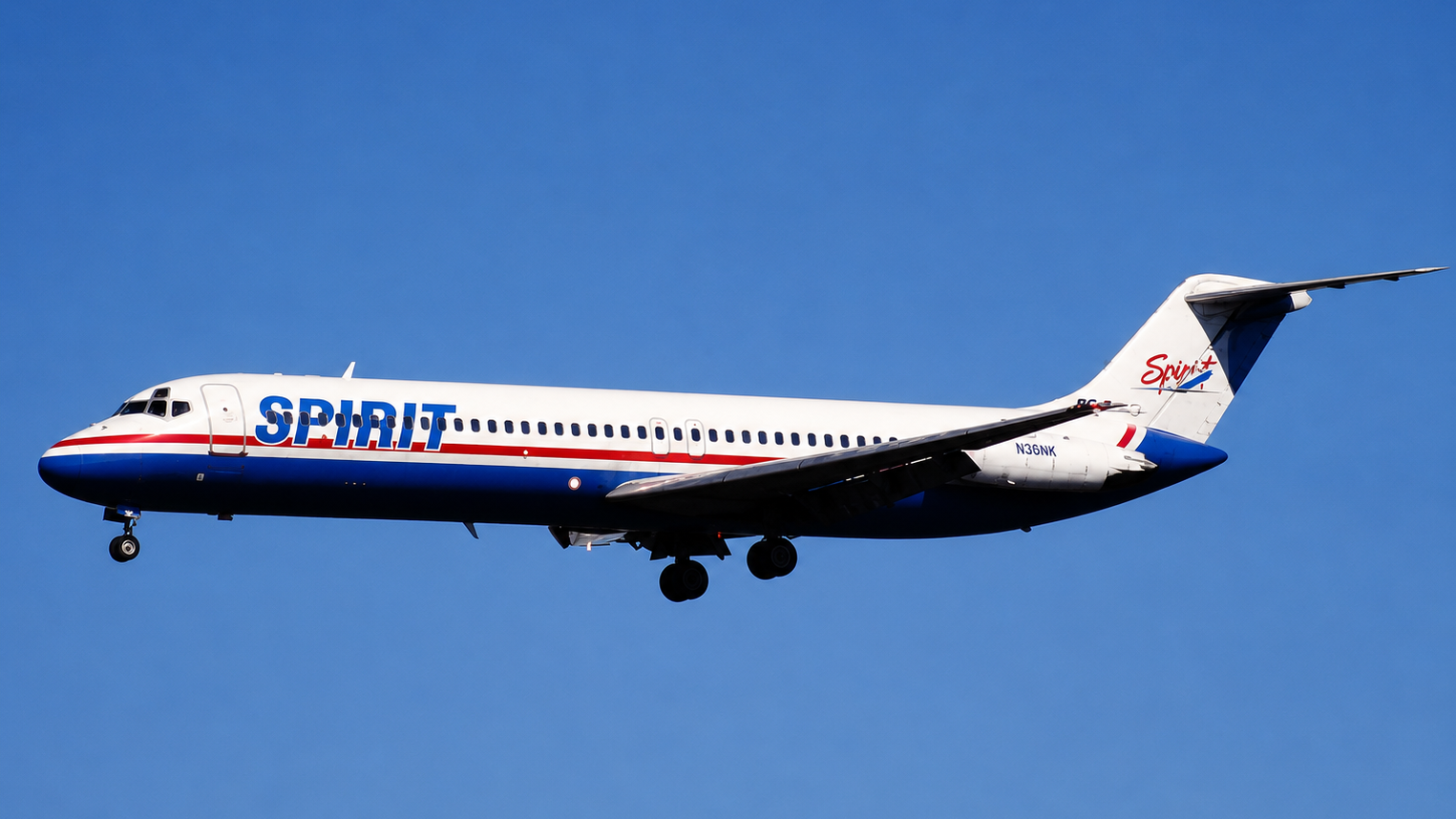
Spirit’s business model worked well for many years, as the airline, which began as a charter company in the 1980s and became a passenger airline in 1992, was mostly profitable until 2019. However, the pandemic changed the airline industry significantly, reducing travel demand at first and later changing customer expectations. When people started flying again, they preferred better comfort and service and were willing to pay more for it. Spirit tried to adjust by offering larger seats and bundled fares that included baggage, Wi-Fi, and snacks, but these efforts were not enough, as the airline could not convince enough customers that it had improved, and its negative image remained strong.
Not All Budget Airlines Are the Same
Spirit’s failure does not mean that all low-cost airlines will fail, because other budget carriers have shown that the model can work successfully. Some airlines manage to keep costs low while still providing a satisfactory experience for passengers. Newer airlines are also growing quickly, showing that there is still strong demand for affordable travel. The main difference is that successful airlines maintain a balance between low prices and acceptable service, while Spirit reduced services too much.
Also Read: 10 of the Scariest Airport Landings in the World
Industry Challenges and What Comes Next
The airline industry as a whole is facing challenges, especially due to rising fuel prices, but larger airlines can increase ticket prices more easily than budget airlines. Low-cost carriers depend on cheap fares and therefore have less flexibility to deal with higher costs. Because of these difficulties, some budget airlines have even asked for government support. With Spirit no longer operating, ticket prices are expected to increase in cities where it had a strong presence, such as Fort Lauderdale, Detroit, and Las Vegas, while prices on routes it did not serve are unlikely to change much.
The Bottom Line
Spirit Airlines failed not because of a single event, but due to a combination of poor management, financial struggles, and, most importantly, a customer experience that many people disliked. The increase in fuel prices only made the situation worse and accelerated the airline’s collapse. The key lesson from Spirit’s failure is that offering the lowest price alone is not enough, and airlines must also provide a level of service that customers find acceptable, because without this balance, even very cheap tickets may not attract travelers.