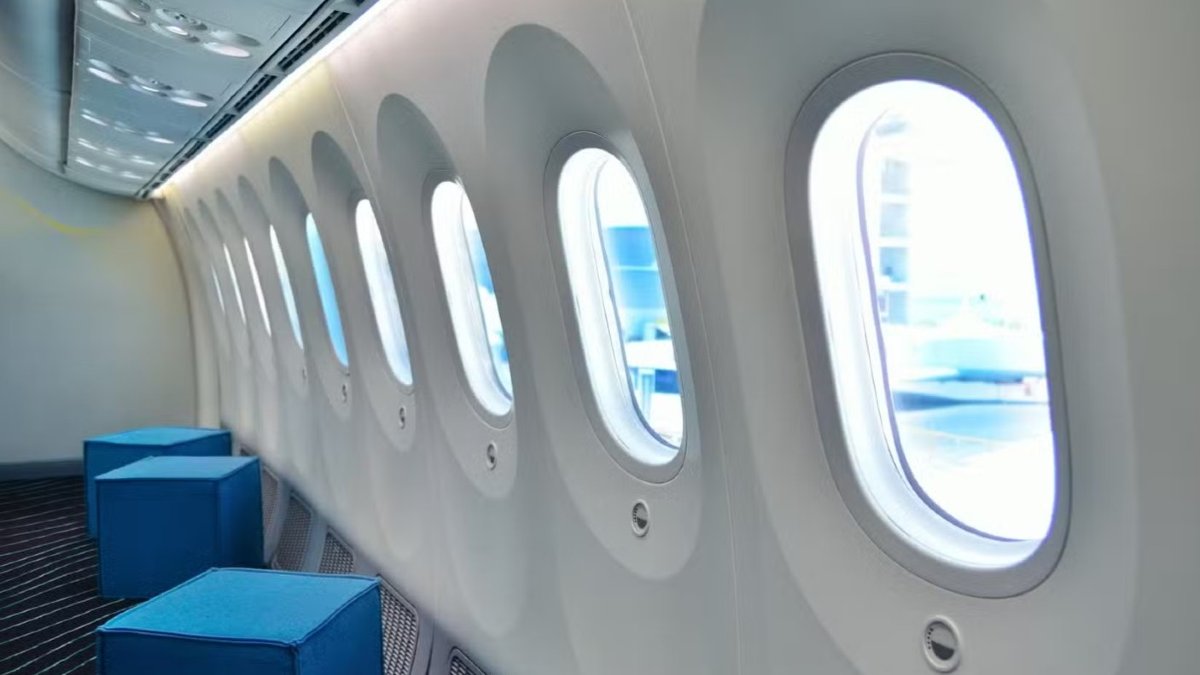
When you settle in your window seat, you likely don't give much thought to the shape of the window beside you. However, the move from square to rounded windows was a critical evolution in the entire aviation history, born from tragedies that forever changed aircraft engineering.
The De Havilland Comet
In the early 1950s, the “De Havilland Comet” debuted as the world’s first commercial jetliner. To make passengers feel comfortable, engineers installed large, sleek, rectangular windows.

However, within just a few years of service, multiple “Comets” disintegrated mid-flight. Investigations have revealed a fatal flaw: “the square windows.” The sharp corners acted as “stress concentration points,” where pressure built up until the metal fatigued and the fuselage literally ripped apart.
Also Read: 10 Of The Scariest Airport Landings In The World
The Science Of Stress Distribution
The primary reason airplane windows are round or oval in shape is to maintain even distribution of pressure. Generally, in square windows, the pressure of a cabin pushes against the corners. These 90-degree angles are considered as weak points that can experience two to three times more stress than the rest of the plane.
Rounded or oval shaped windows have no corners. This makes it easier for the pressure to flow smoothly around the curve, distributing the load evenly and preventing the hairline cracks, which results in explosive decompression.
The Mechanism Of “Bleed Hole”
If you look closely at the bottom of the window, you’ll notice a tiny hole. This is called a “bleed hole,” or “breather hole,” and it is essential for preventing any structural cracks.
Aircraft windows have three layers of acrylic. The bleed hole allows the pressure to maintain the gap between the middle and outer panes. This ensures that the outer pane bears the primary pressure load, keeping the middle pane “in reserve” as a fail-safe.
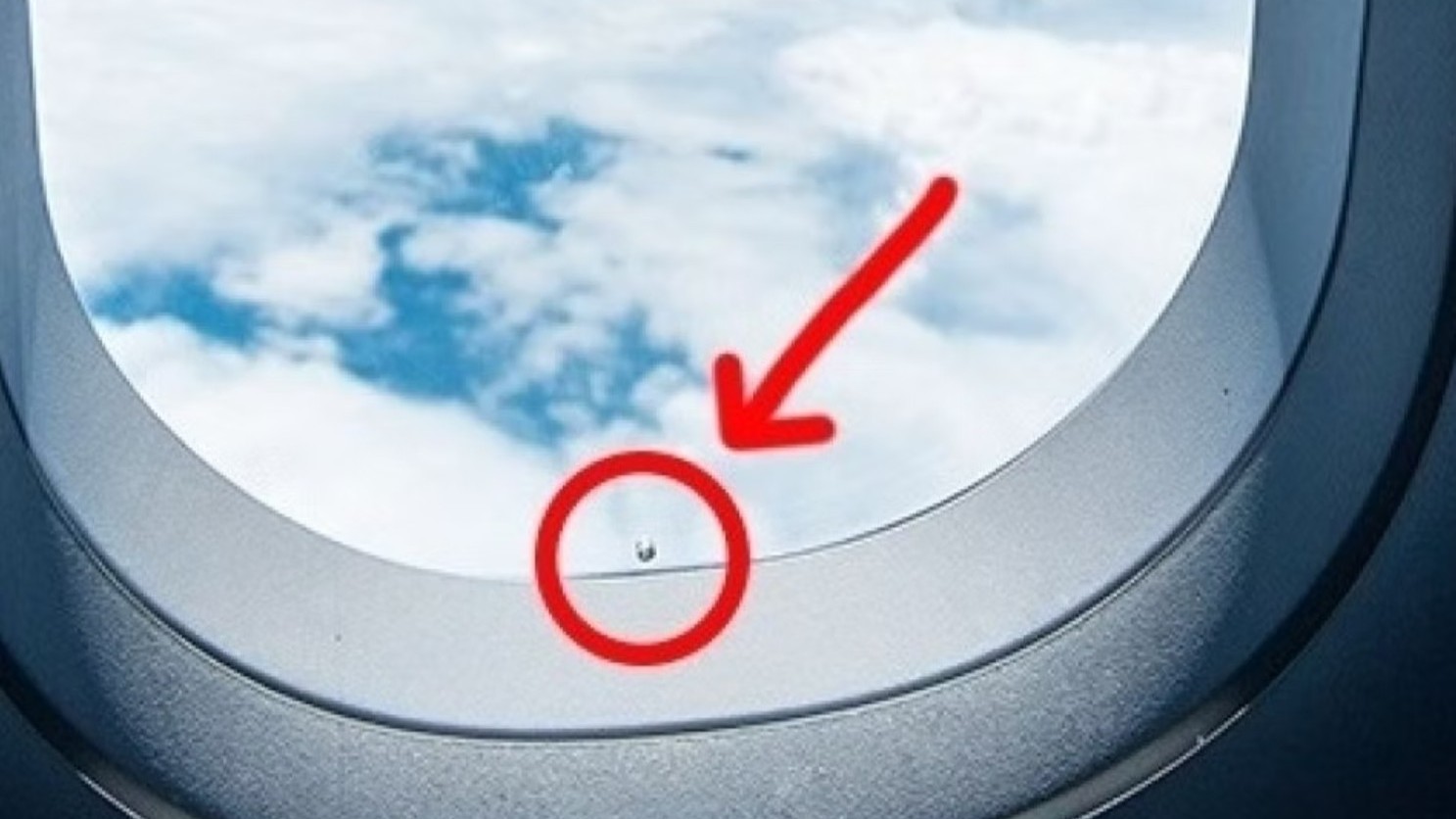
By successfully managing this pressure gap, the hole helps to prevent the middle pane from undergoing unnecessary stress cycles that could lead to fatigue cracks.
Nevertheless, it also allows moisture to escape, helpful in preventing the window from frosting over at -50°C, so that your view remains visible without any interference.
Also Read: How Artemis II Crew Inspired A New Generation
Why Oval Instead Of Circular?
While a perfect circle is considered structurally strongest, many modern planes use an “elongated oval shaped window.”
Elongating the window vertically allows it to fit between the aircraft’s internal “ribs” without needing to cut into heavy support structure.
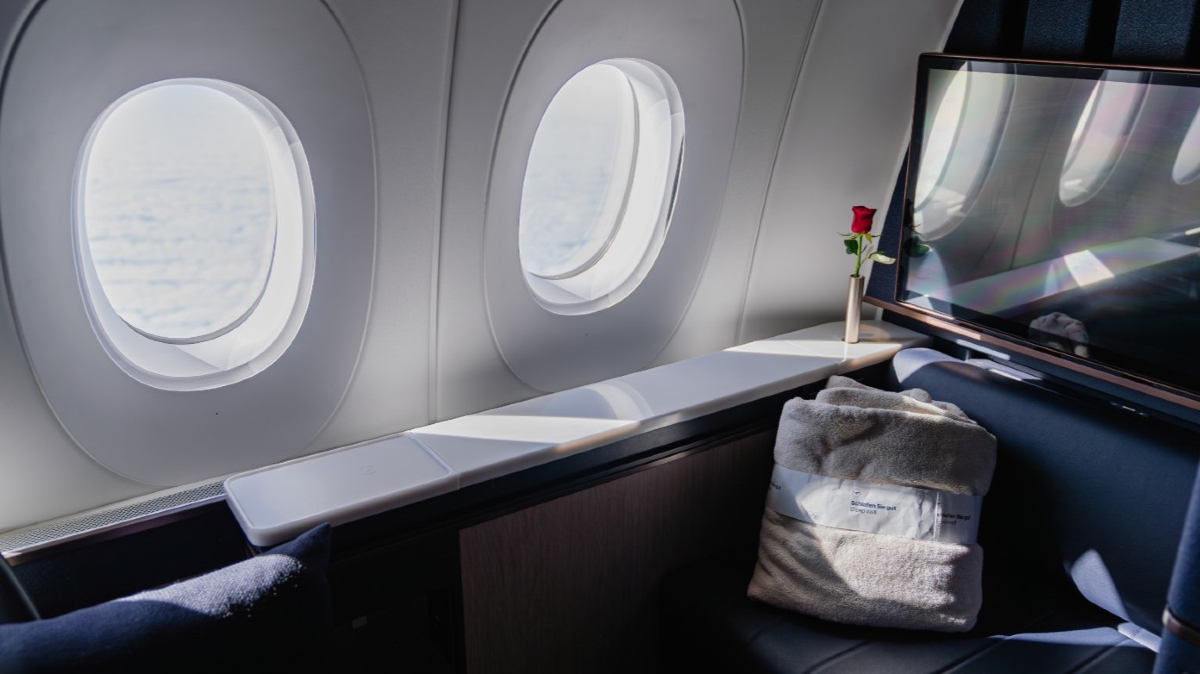
An oval shaped window provides a “taller” field of vision, allowing you to see both the horizon and the ground comfortably.