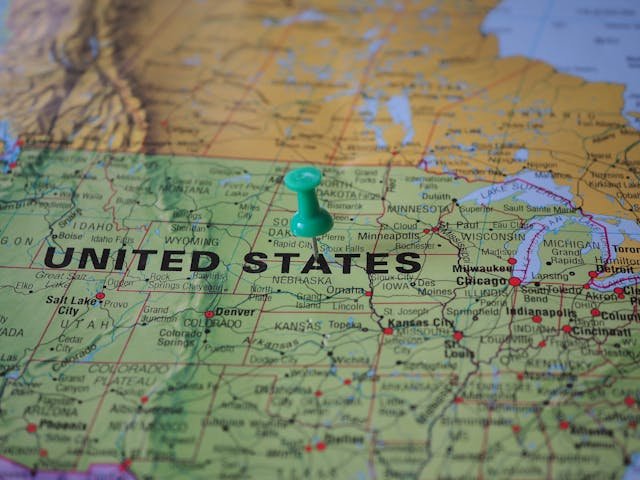
If you are a globetrotter, the United States may be more than just a holiday plan for you. You might be visiting a friend or family, attending a conference, or just exploring the cities. Before you plan, here is something you must know.
Traveling to the United States is no longer easy in 2026. Besides, citizens with weaker passports will have to overcome Herculean hurdles to get a visa appointment. Travelers are pausing before booking flights due to these complex layers of processes. Expenses and uncertainty are other factors that affect decisions. Moreover, it's U.S. politics that decides who can travel, how easily, and whether they're welcome.
How complicated is U.S. travel in 2026?
The journey to the United States gets complicated even before it begins. The cumbersome visa process is the first hurdle for global travelers. In recent years, it has become even more difficult. The global average waiting time for U.S. visa appointments ranges from 15 days to 12 months or more, depending on the country.
The latest U.S. visa policies now require visitors from 38 specific countries to deposit refundable visa bonds, often $10,000. The goal of these bonds is to discourage overstays, which sometimes leads to illegal immigration. Any amount over $10,000 is unaffordable for students, small business owners, and families, making it difficult for middle-class people from developing countries to travel to the United States.
Even if you can afford it, you cannot plan a short trip, a business meeting or even a long-awaited vacation. When the wait is 3-6 months or longer, many uncertainties might end your journey before it begins. Long wait times, repeated documentation requests, and the fear of rejection kill the enthusiasm for traveling.
Travel Bans and the Feeling of Being Unwanted
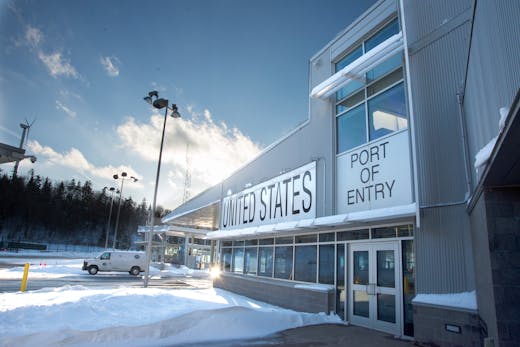
While most Europeans can travel easily, travel bans and entry restrictions have made it difficult for citizens of 19 high-risk countries, mainly African, Middle Eastern, and Asian. Although these policies are framed as national security measures, they feel more stereotypical than pragmatic. Many travelers think it's like judging an entire nation.
People travel for work, for fun, and to feel good. But if you feel unwelcome in a country, it isn't easy to process those emotions. Travelers emotionally disengage from such dream destinations. They reevaluate their choices and think, "Was this place even worth visiting?" It alone changes how global travel behaves.
Hidden Costs and Growing Scrutiny
"The U.S. is only for the rich."
The statement, in itself, is controversial and may be partially false. Still, it is what's happening right in front of us. Despite passing U.S. visa requirements, costs keep adding up. The costs often become unbearable for many.
The new fees, like $250 visa integrity charges, may not look expensive on paper. Still, when you combine them with airfare, accommodation, travel insurance, and currency exchange, they can stretch your budget to the point of unaffordability. Small owners, students, and early-career professionals may hesitate to spend that much.
People are also concerned about their privacy, which they feel is violated by social media checks. They think it's invasive rather than protective to ask "who they are" rather than "where and why they're going?" So, when you're traveling for freedom, you don't want to cling to barriers.
How are U.S. policies changing tourism?
These policies not only affect individuals but also change the idea of tourism in real ways. Many of us hoped that the U.S. travel backlog would be resolved after the pandemic, but it remained slow. Fun travelers are preferring alternatives such as Europe, Southeast Asia, or destinations easier to reach and visa-friendly.
Whom does it really impact? Well, it's everyone. Whether you are a hotel worker, tour guide, artist, chef or small business owner, traveling to the U.S. opens up various opportunities. With hardliner visa rules and entry regulations, it would be difficult for people to earn a better living.
When fewer international visitors arrive, it's not just tourism that suffers; the entire local economy feels it. Isn't it ironic that the rules meant to protect national interests end up affecting national tourism, costing billions of dollars and thousands of jobs?