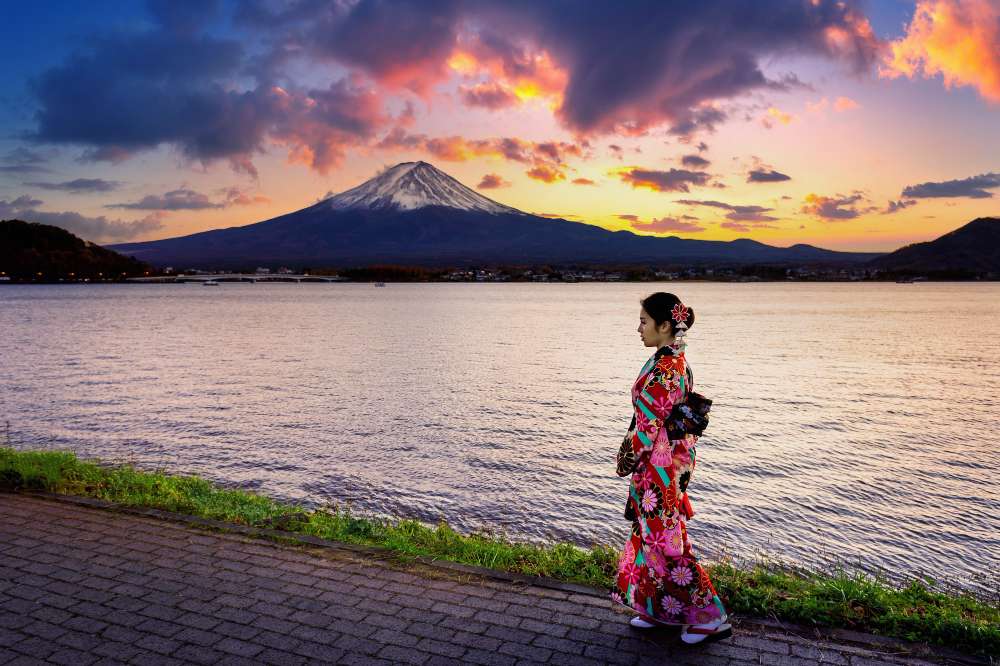
For years together, the “ancestry trip” was reserved for those who had a complete family tree and a DNA kit. But in 2026, a brand new wave of travellers are emerging and they are redefining the real meaning of “belonging.” If your ancestral history is erased for any reason or conflict, if you were adopted or it could also happen that your ancestors were a part of the great “unknown” migrations of history, you might think that you are excluded from this new trend. But, you shouldn't think in that way, because heritage does not just define the bloodline of an individual; it's more about a vast human history. The top reasons behind “rootless” travel becoming the most profound way to see the entire world:
Seeking “Human Collective” Over The Family Tree
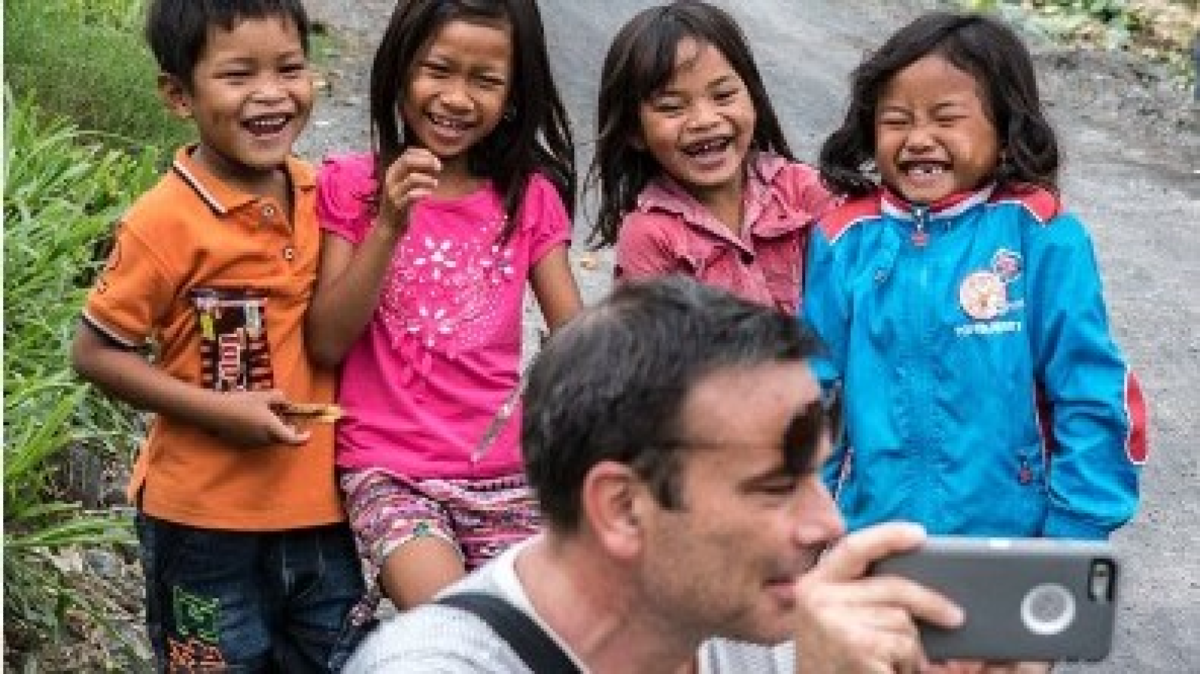
If you don't have a specific village to visit, you have something perhaps even more powerful: “the entire map.” Tourists without specific cultural anchors are increasingly getting engaged in “Archetypal Travel.” Instead of just looking for a specific house, they look for the environments that helped in shaping the entire clan of humanity like the ancient ports of the Mediterranean, the silk roads of Central Asia or the cradle of civilization in the Rift Valley.
By visiting places that represents the broad “human experience,” you aren't just tracing a family; you are tracing the species. Basically, it's a shift from “Where did my people come from?” to “How did we get here?” This perspective fosters a sense of global empathy, that a narrow focus on having one's own family often lacks.
The Rise Of “Cultural Adoption”

In the present times, we are noticing the sudden rise of “Affinity Travel.” It refers to the form of travelling where individuals connect deeply with a culture or a landscape that resonates well with their soul, regardless of genetics. For instance, someone raised in a concrete jungle might feel a sense of “primal recognition” in the Scottish Highlands; or, someone from a fractured background might find a sense of “home” in the communal spirit of a Balinese village.
This isn't a cultural appropriation; it's cultural appreciation. If you find that your biological history is a mystery, you are not secluded, rather you have the liberty to explore this entire world that connects with your spirit.
Travelling To Honor The “Silent Ancestors”
There are many people in the world for whom histories weren't written in books but were carried through mediums like songs, crafts or other activities such as trade. For such travellers, ancestry travel in 2026 is about “Vibrational Heritage.”
It's about going to a region famous for craft your family once practiced, such as “weaving,” “seafaring,” or even, “farming.” Even without knowing the exact location, the “muscle memory” of a culture lives on in its people. By getting yourself engaged with these living traditions, you are honoring the silent ancestors whose names may be lost but whose influence is still felt in your hands and heart.
Connection Is A Choice, Not A Code
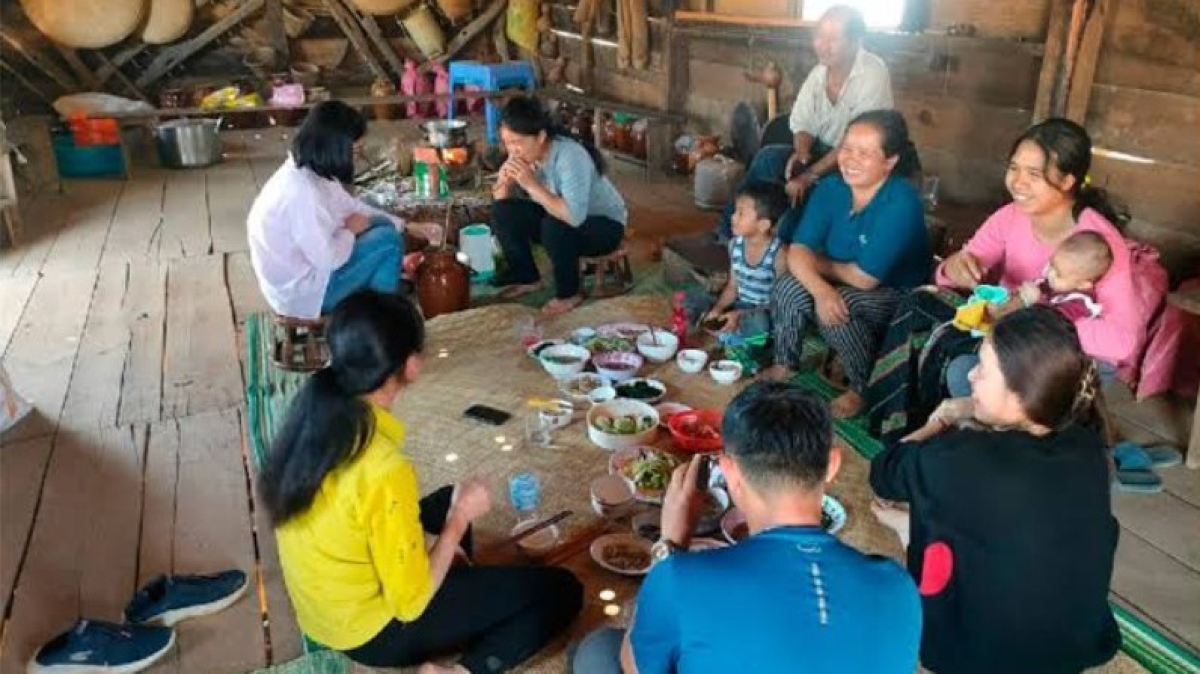
Ultimately, the 2026 travel landscape proves that the “sense of belonging” does not need a 100% perfect match on a DNA test to feel the weight of history under your feet. Staying in a world that often feels fragmented, travelling to find your biological or spiritual roots does not always have to be your own native place; it can be an unknown place but can strangely make you feel nostalgic about that region, building a deep connection between you and that place!